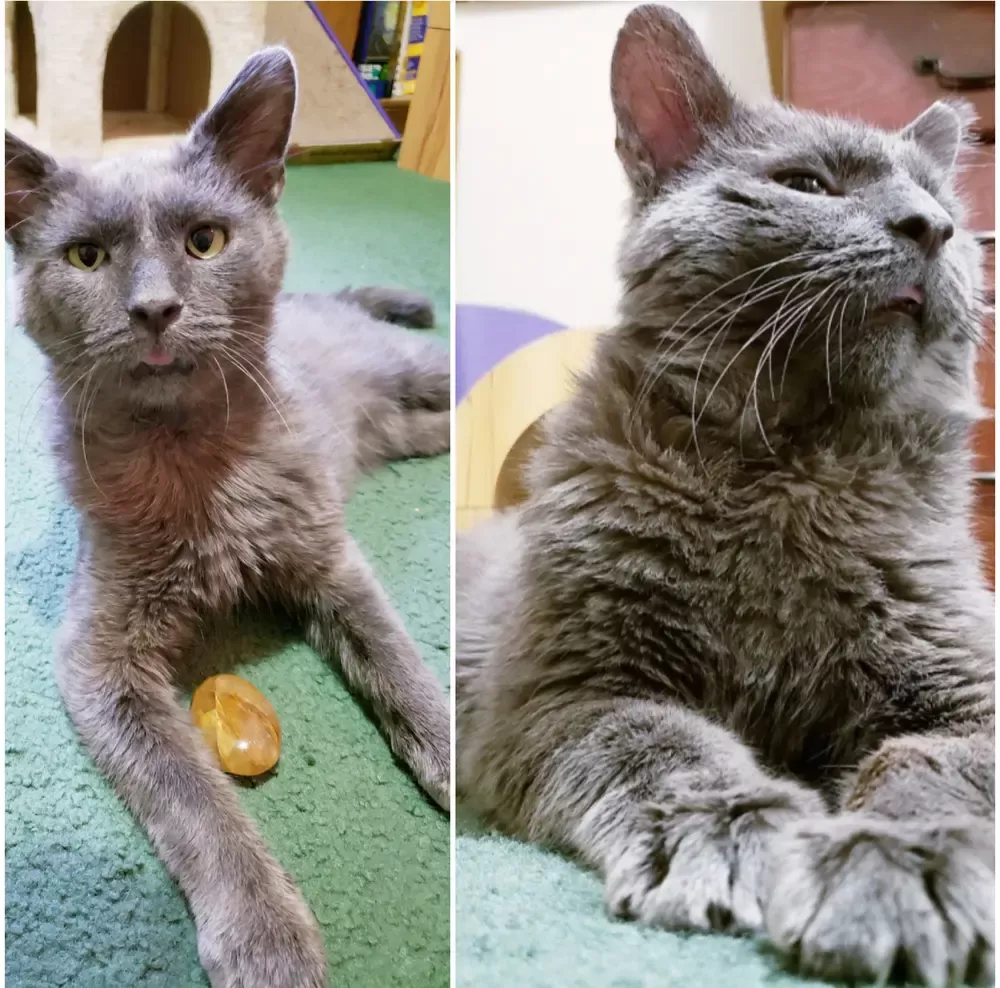
In acute leukemia, many immature abnormal cells replace normal bone marrow cells, causing severe illness, anemia, and low numbers of platelets. The outlook for affected cats is generally poor, and treatment is relatively ineffective over the long term.
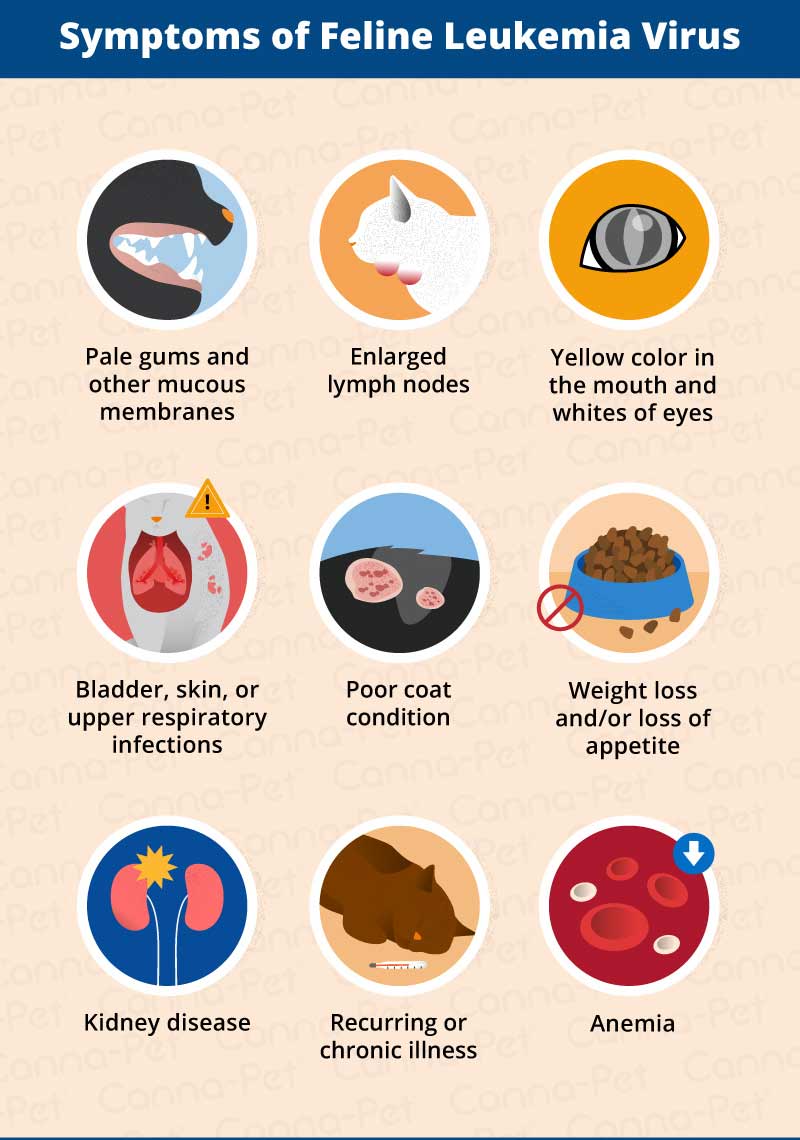
How do cats act when they have feline leukemia can vary widely. While some cats may remain asymptomatic for extended periods, others develop noticeable behavioral and physical changes.
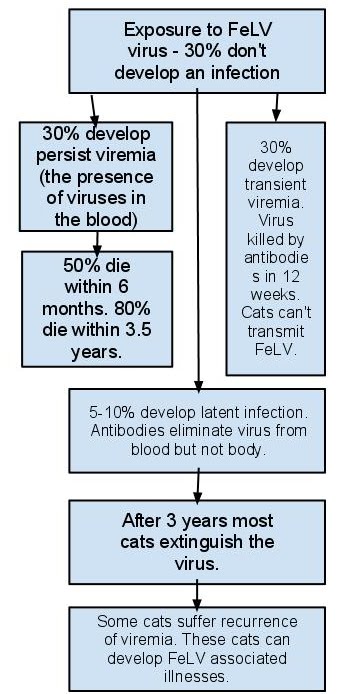
Such details provide a deeper understanding and appreciation for Age Related Factors In Leukemia Symptoms In Cats.
This guide provides a clear, vet-reviewed overview of both early and advanced FeLV signs in cats, empowering you to recognize potential warning signs and take appropriate action for your feline companions health.
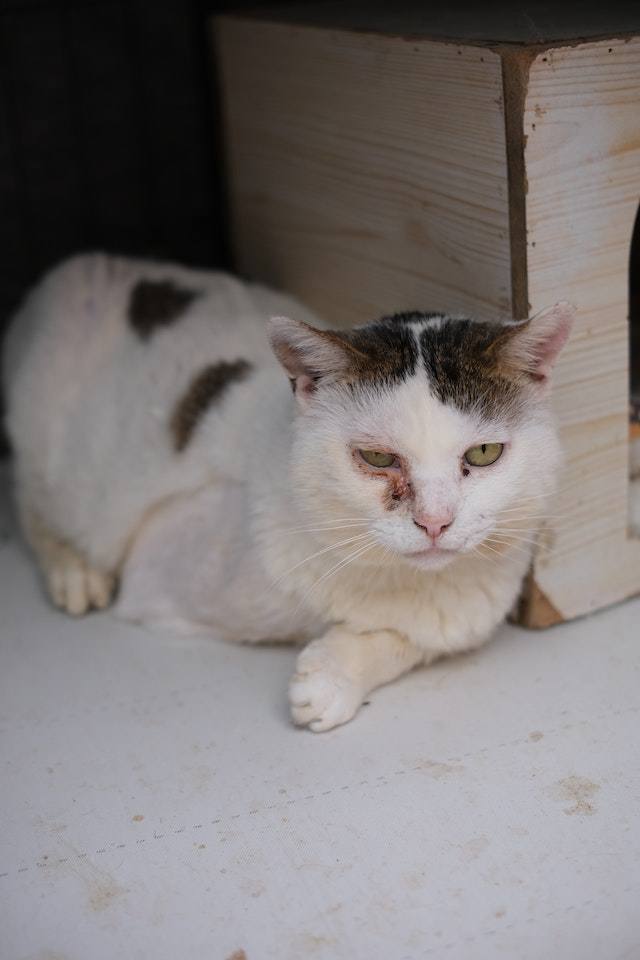
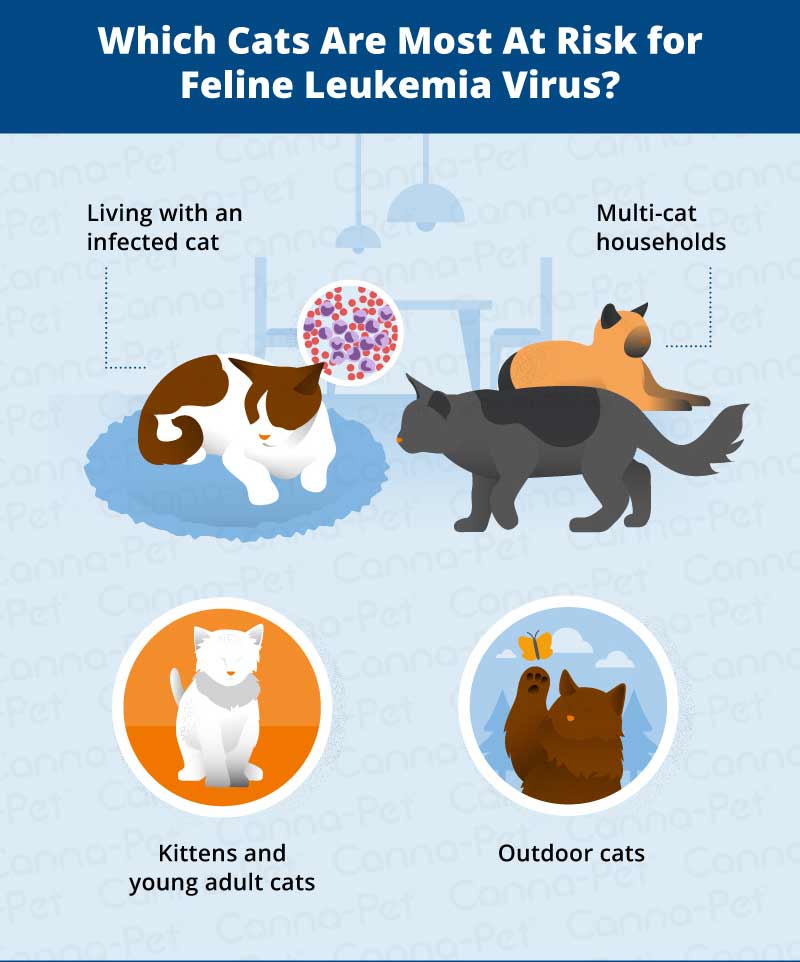
FeLV-infected cats are found worldwide, but the prevalence of infection varies greatly depending on their age, health, environment, and lifestyle. In the United States, approximately 2 to 3% of all cats are infected with FeLV.
Most cats will show the signs of feline leukemia within a few weeks of being exposed to the virus, but some infected cats don't show symptoms for many years. Feline weight loss is common and can have many causes.