lgae offer a versatile biological toolset for remediating polluted aquatic environments through nutrient uptake, heavy metal biosorption, organic pollutant degradation, oxygenation, and pH regulation.
lgae in the form of microscopic plants are called phytoplankton and come in a wide variety of shapes and forms. Some forms of phytoplankton can actually move, using active propulsion methods such as whip-like tails (flagella) or through regulating the amount of gas in their cells.
This publication explains the benefits of aquatic plants and algae, describes the problems they can cause, identifies common species, and offers prac-tices for effectively managing them.

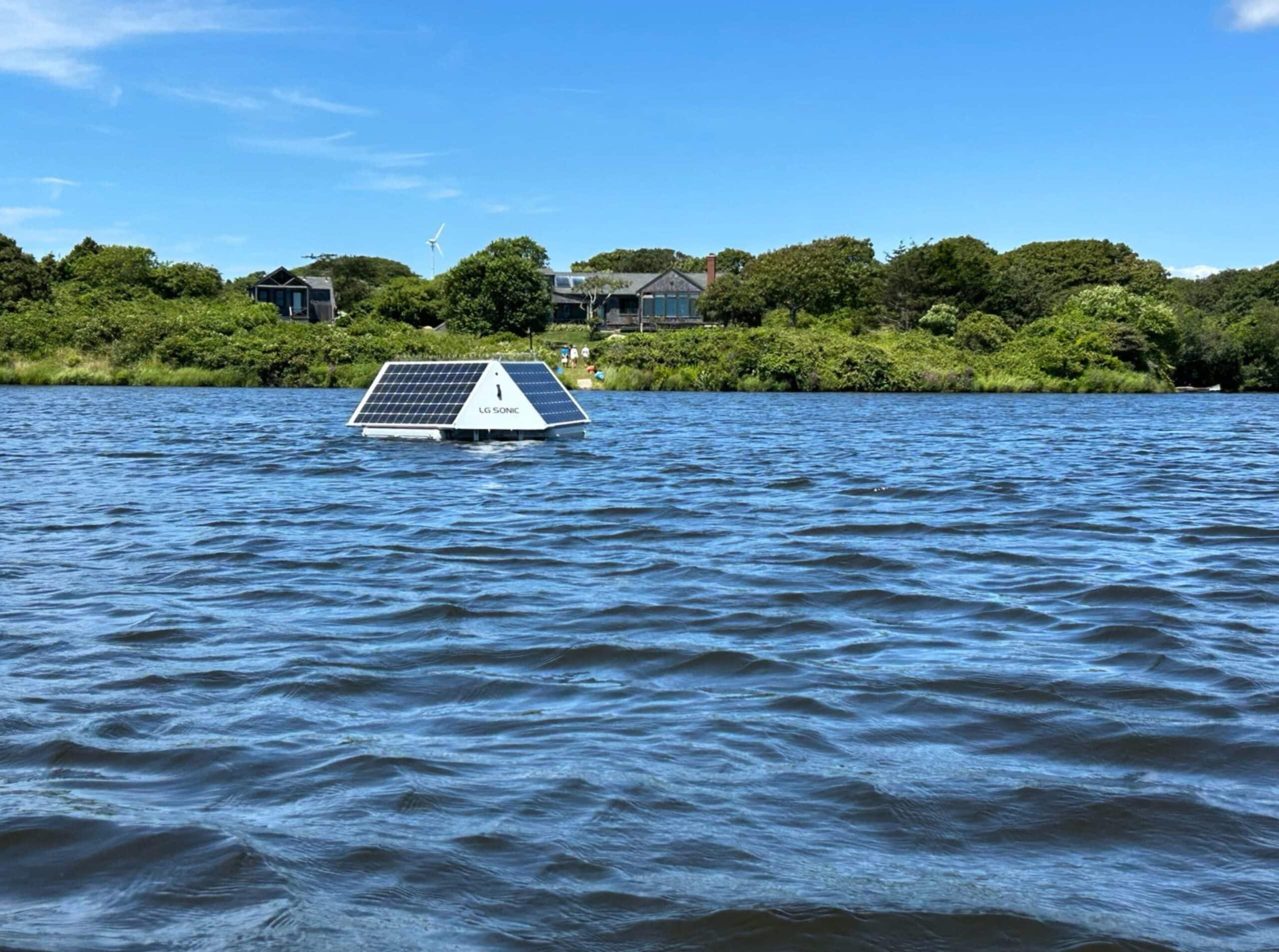
Algae moves to the water surface for photosynthesis to grow, and to the bottom of the water column for nutrients. Ultrasonic wave blocks algae's access to sunlight & nutrients. Algae sinks to the bottom and dies off without releasing toxins.
It is common to use a mix of approaches to get nuisance plants or algae under control. Non-chemical approaches can include mechanical weed harvesters, bottom barriers, and education and outreach programs such as the Clean, Drain and Dry program.
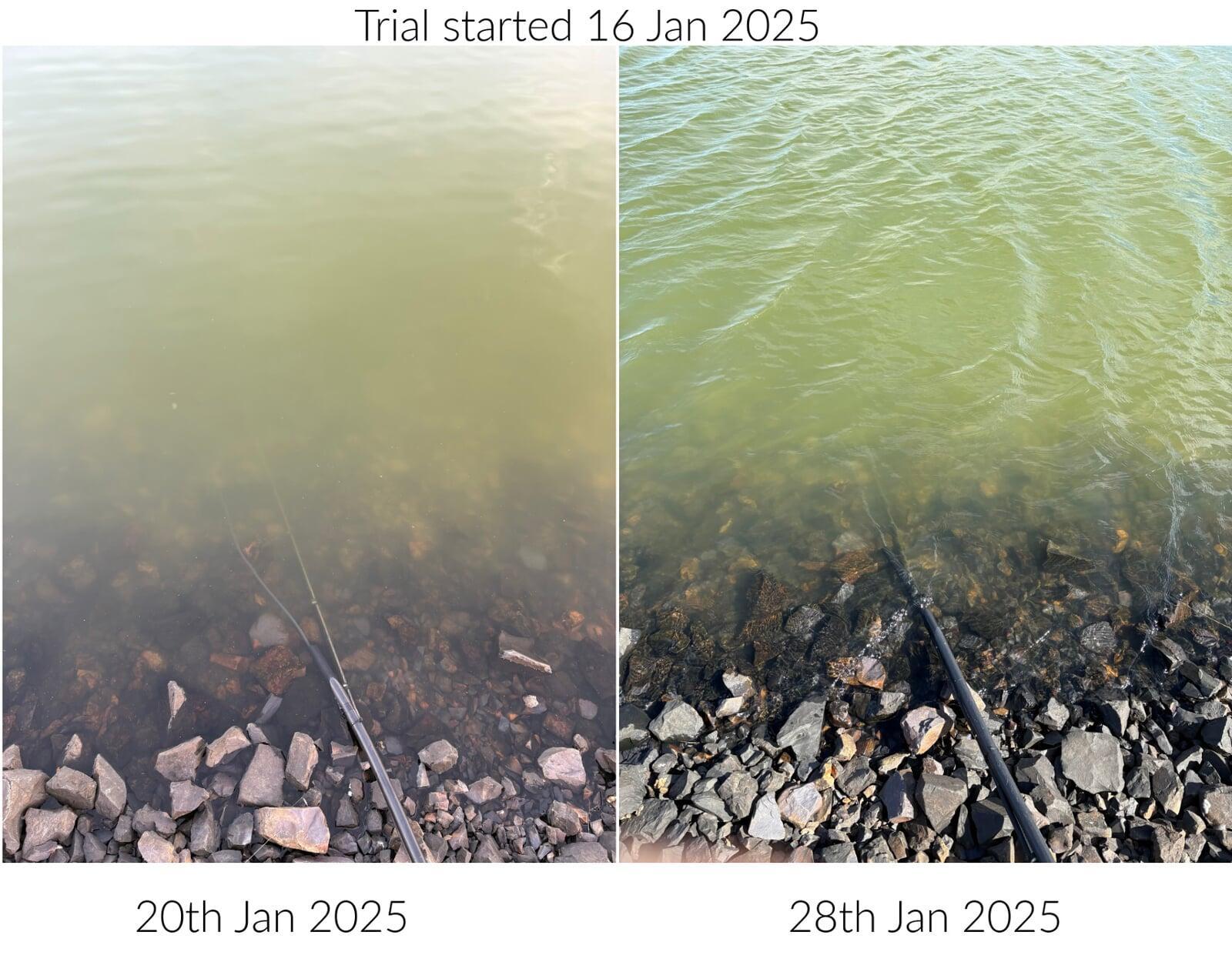
Thus, the mechanisms of nutrient regulation and algal outbursts in water, along with their prevention and control, have emerged as critical areas of water environment research and are critical issues currently being addressed worldwide.