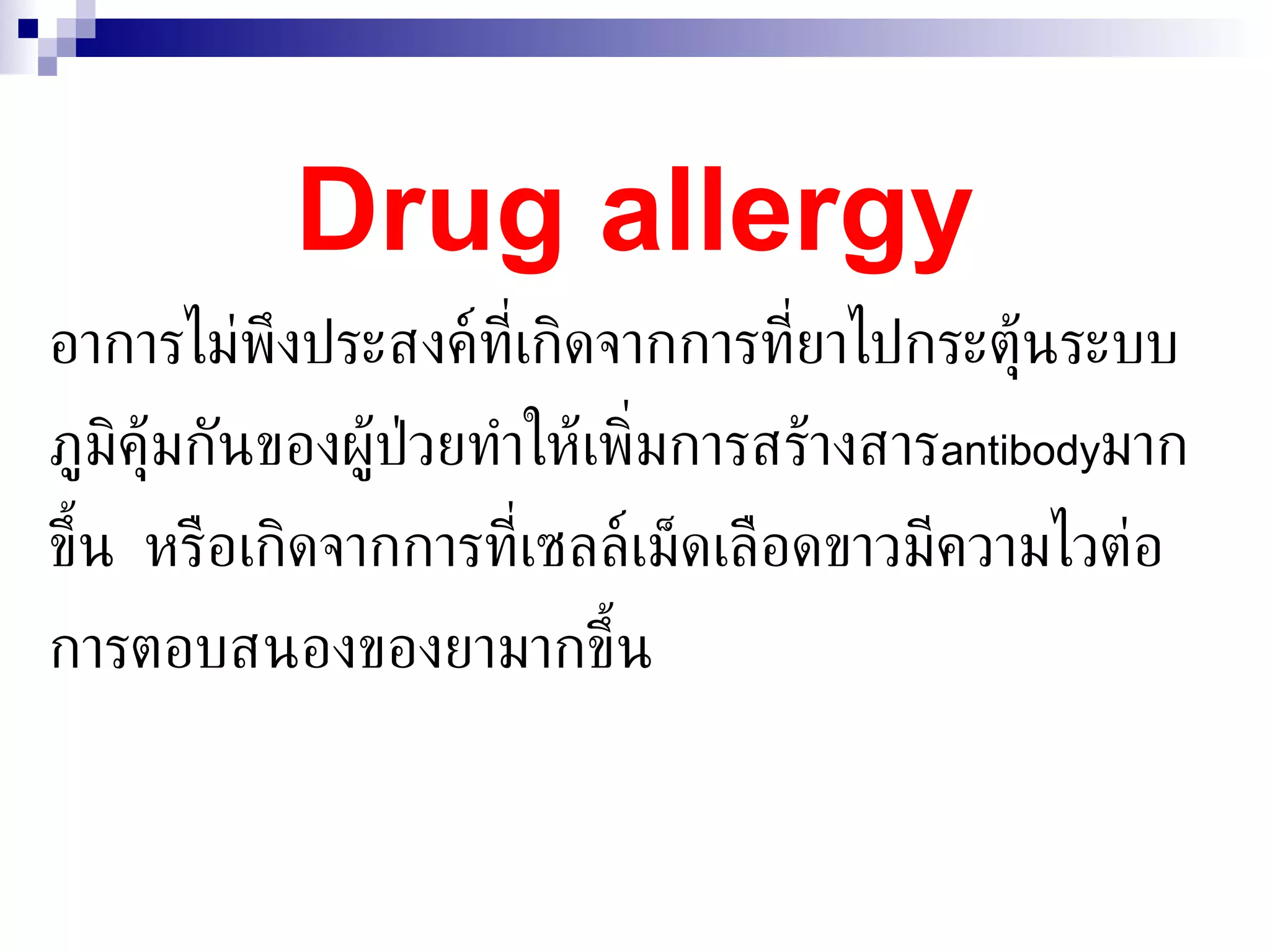
Allergy Symptoms All opioids, particularly the naturally occurring and semisynthetic compounds, cause allergic reactions. Codeine, morphine, and meperidine are the main opioids that cause most allergic-type reactions.
The discussions surrounding opioid allergy focus on accurate diagnosis, management of allergic reactions, and alternatives to opioid use. There is also an ongoing debate about the prevalence of true opioid allergy compared to pseudo-allergic reactions.

This particular example perfectly highlights why Allergy Reactions To Opioid is so captivating.
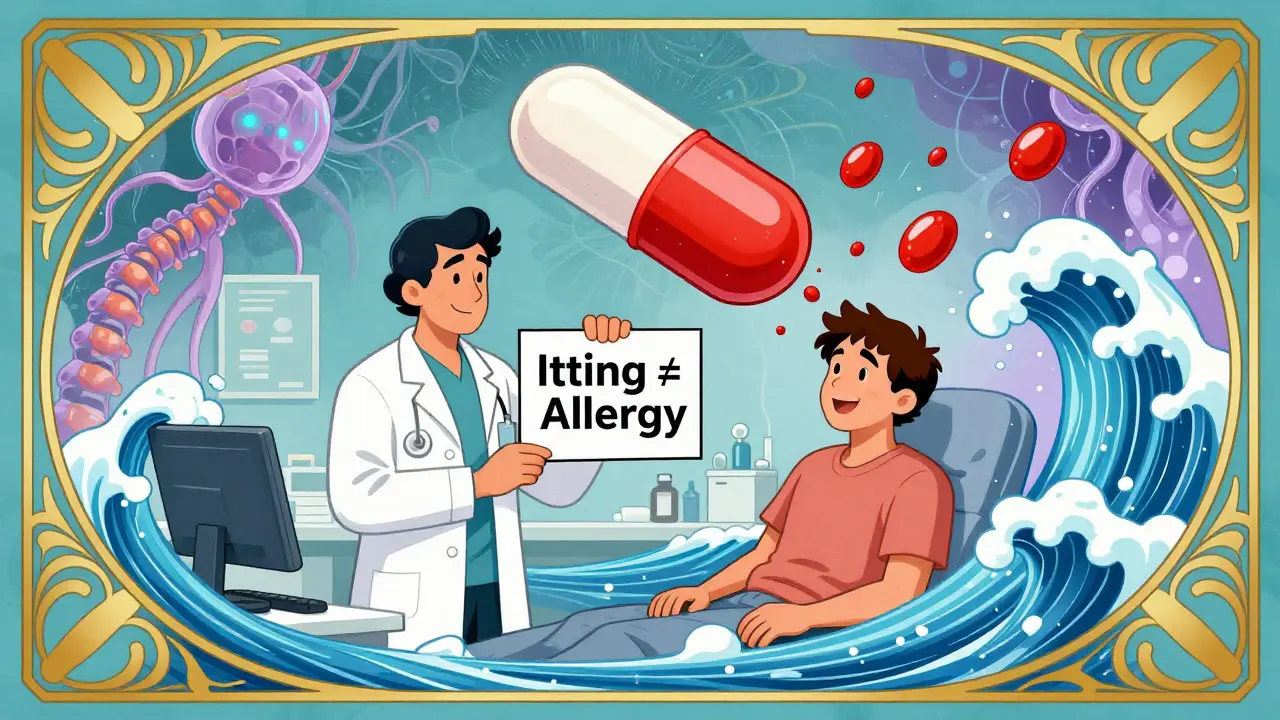
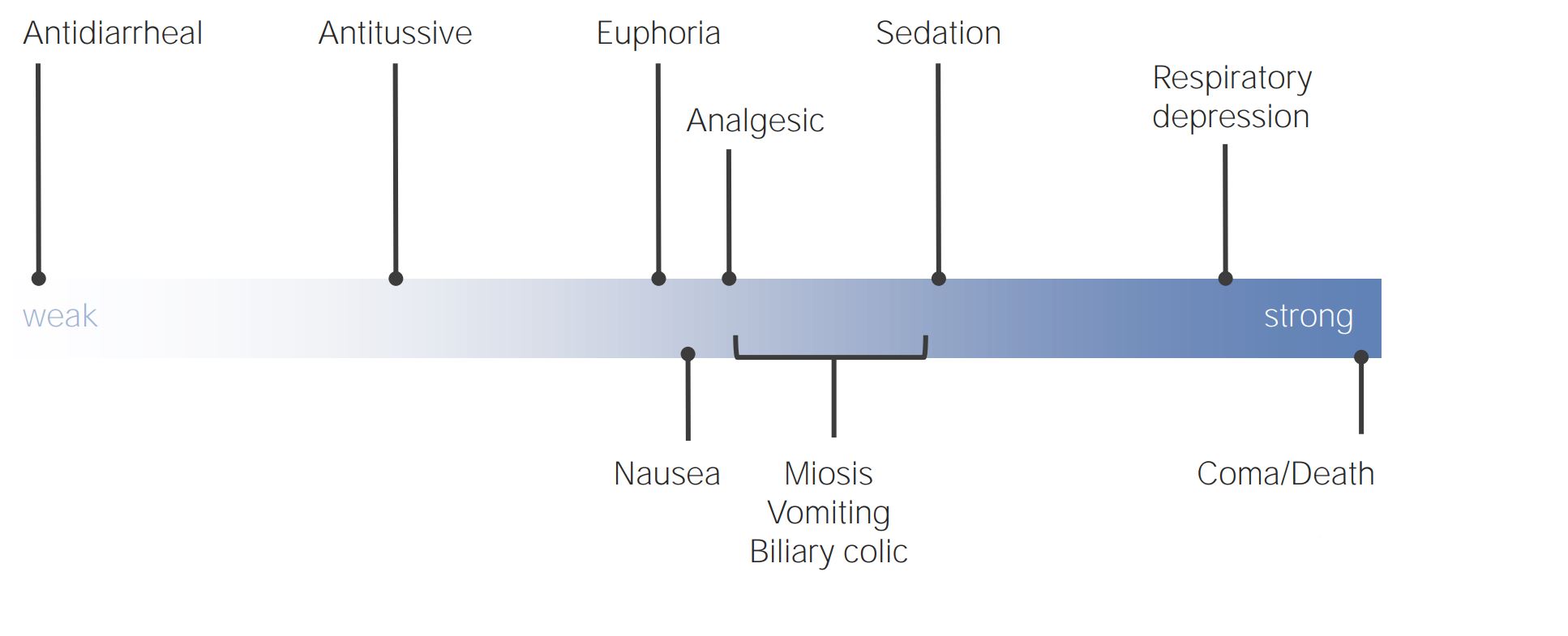
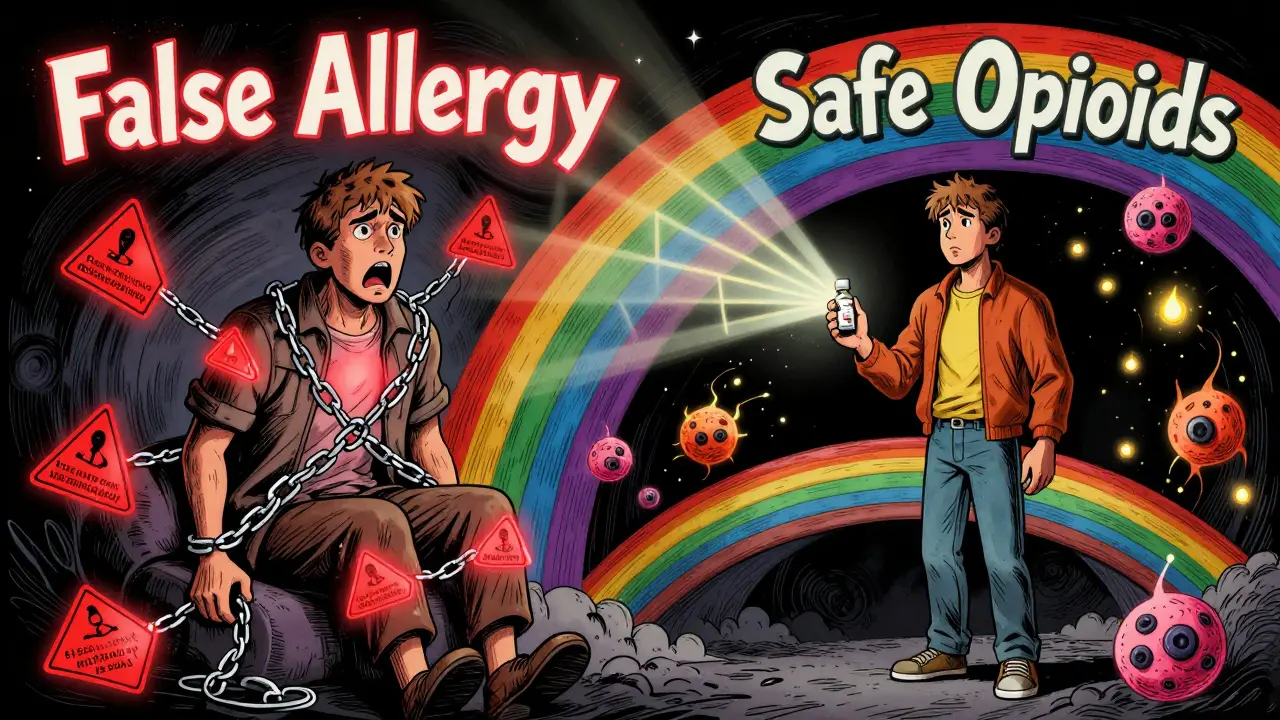
Opioid allergies are often misdiagnosed because the various reactions associated with opioids are similar to symptoms of true allergies. There are generally three types of reactions to medications: adverse effect (intolerance), pseudo-allergy, and true allergy.

Skin Reactions: Hives, rashes, or itching are common symptoms of allergenic reactions. If you notice these skin reactions after taking opioids, it could be a sign of opioid allergy.

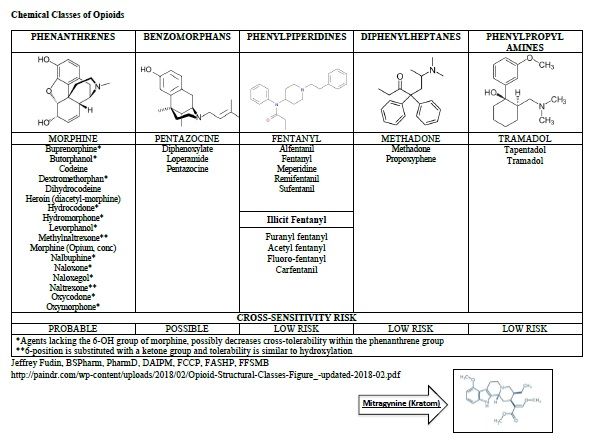
He does not report having any allergic symptoms to the ingestion of tramadol. He will soon need to have a dental procedure where an analgesic will be required. They desire to use Fentanyl, given his reactions to codeine and morphine.
Allergic reactions included a high proportion (38.2%) of non-immune mediated opioid reactions (e.g. gastrointestinal upset). The DAI alert override rate was high for immune mediated (88.6%) and life threatening reactions (87.8%). Exact allergy-medication matches were overridden less...