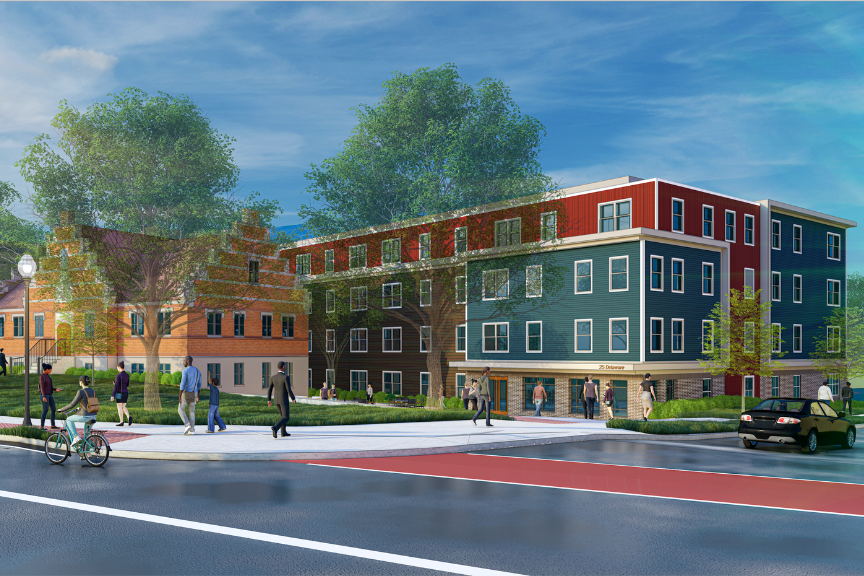
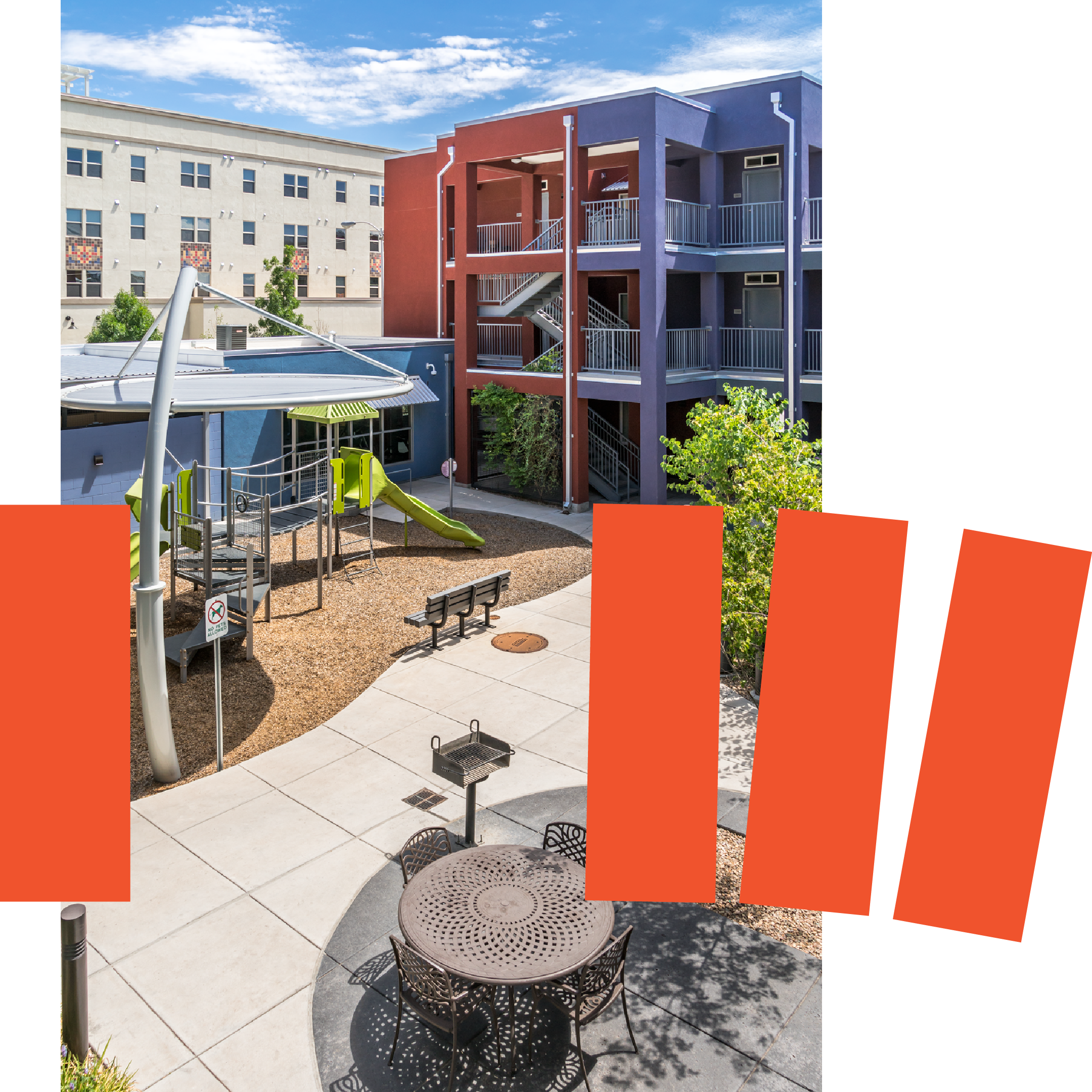
t Method, we are committed to using our industry knowledge and skills to design attractive and efficient affordable housing solutions. For some examples of our work on these projects, check out the Quincy Park and Harvard Apartments.
The facade (or exterior walls) of a building is its public identity, hinting at life behind the windows. Collectively, the shell and structureincluding the buildings facade, windows, and doorsrepresent about 25 percent to 30 percent of total hard costs (the portion of project costs made up of construction materials and labor). The facade is the ... See full list on jchs.harvard.edu Strategy 2: Off-site construction and new materials are worth exploring, but not silver bullets Theres been a lot of buzz about off-site construction, a term that refers to both modular housing units and flat-packed elements such as structural insulated panels. Off-site construction promises big benefits(higher-quality construction, reduced timeli... See full list on jchs.harvard.edu The unit plan is the foundation for an efficient residential building. Most projects leverage a set of standard unit plans to generate design and construction efficiencies. The ideas for unit efficiency are rarely groundbreaking, but, when deployed across a building, small changes can make more livable and efficient units. Many developers also note... See full list on jchs.harvard.edu Strategy 2: Reuse designs, rotate floorplans, and reduce costs Developers already rely on repeated unit layouts to create more efficient designs and a simpler construction process for contractors. Typically, this repetition produces uniformity, but developers can work with architects to use repetitive units and building types more creatively withou... See full list on jchs.harvard.edu A buildings basic serviceselevators, mechanical, electrical, and plumbingare unglamorous but essential. They are also expensive. Incorporating best practices for plumbing (such as stacking and standardizing kitchens and bathrooms) and developing building layouts that use elevators efficiently can help to control the costs of services. Decisions ... See full list on jchs.harvard.edu Strategy 2: Create long-term savings by investing in environmental performance Many affordable housing nonprofits want to invest in high-performance envelopes, HVAC, and plumbing systems that could reduce long-term operating costs. State affordable housing programs can further encourage such investmentsfor instance, through scoring systems used to... See full list on jchs.harvard.edu While there are no silver bullets for addressing costs in multifamily construction, interviews conducted with developers, contractors, and architectssuggest several factors that can help project teams deliver high-quality, environmentally responsible apartments at more affordable costs. Close coordination across the project team throughout the proc... See full list on jchs.harvard.edu Discover innovative strategies to enhance multi-family housing affordability, ensuring equitable access to communal living benefits for all. At Dekker, we believe that successful affordable multifamily housing design begins with intentional informed design. We work closely with developers to understand the specific needs of each community and project. Despite these challenges, the demand for housing continues to rise. Developers of multifamily housing face the critical task of providing affordable housing options for those whose income cannot support high rents. From our affordable housing design experts. Check out our podcast episode with affordable housing expert and executive director at Cushing Terrell, Randy Rhoads.

Such details provide a deeper understanding and appreciation for Ancillary Affordable Housing Options Multifamily Design.

This particular example perfectly highlights why Ancillary Affordable Housing Options Multifamily Design is so captivating.