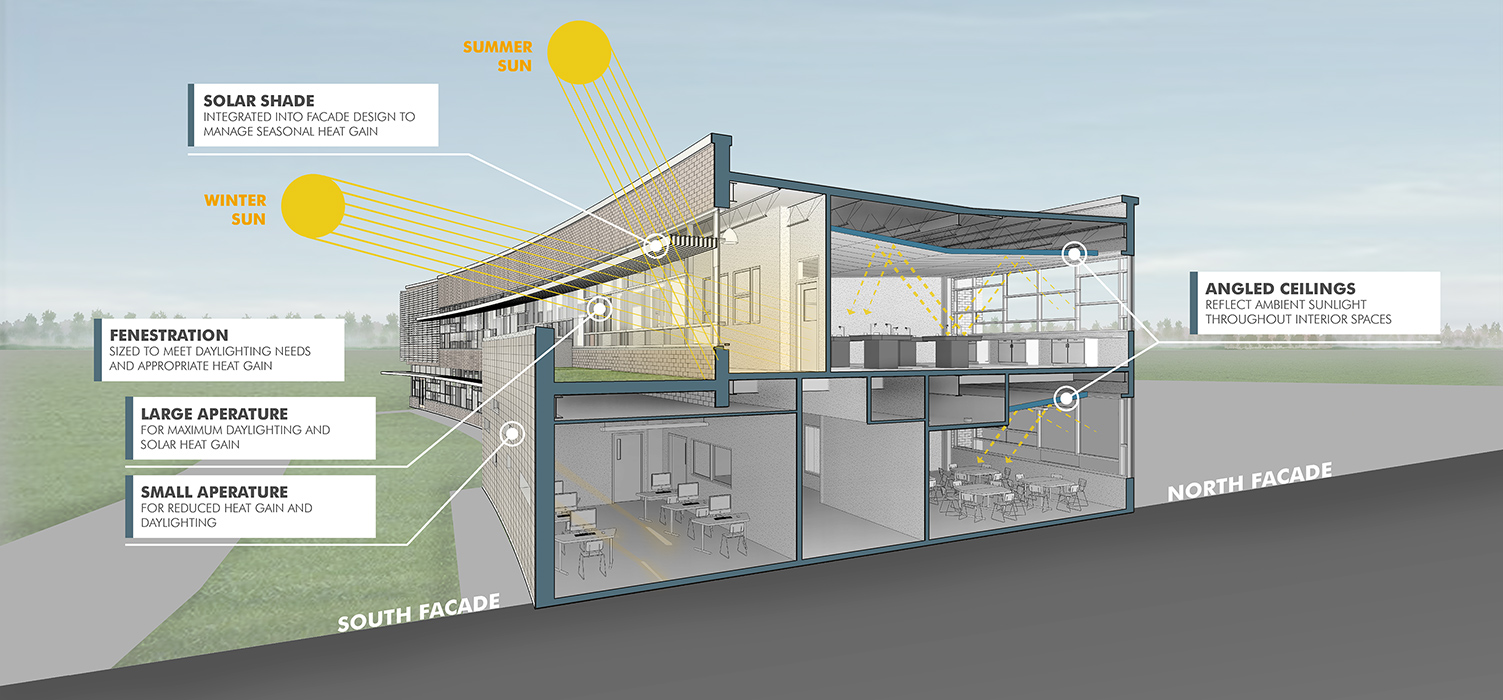
By preventing solar radiation from entering a building, well-designed solar shading devices reduce heat transfer and provide many advantages. Additionally, they contribute to the improvement of visual comfort by reducing glare caused by excessive natural light.
To maximise the daylighting of a building design, the building must be in correct alignment with the Sun. Sunshine entering the rooms in the autumn and winter, and in the morning is preferable. Sunshine at midday and in the afternoon between June and August is not desirable.
This study seeks to balance solar radiation and daylighting performance through architectural geometry optimization, includes buildings length, width, height, orientation, and mass...

Natural daylight can create dynamic architectural spaces that enhance occupant well-being and reduce energy consumption. While the benefits of daylighting are substantial, without careful planning, two significant challenges can arise: solar heat gain and glare.
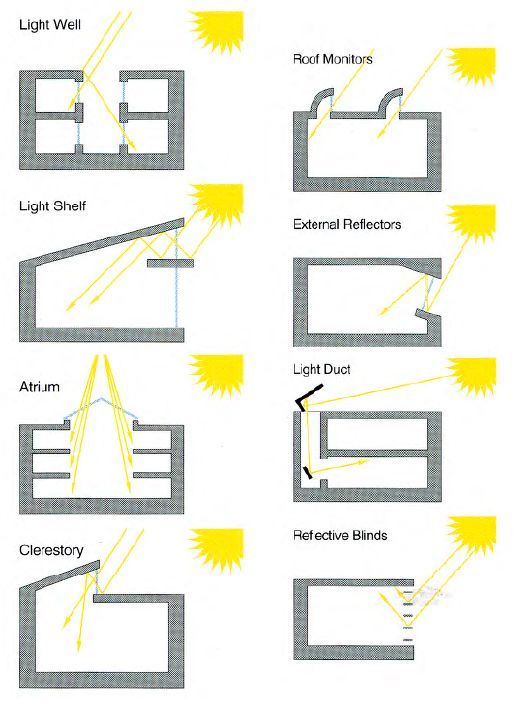
Passive solar design, Side-lit office, Dynamic daylight performance metric, Daylighting.Then, the review of the design criteria for daylight and low-energy buildings, developed by leading advanced energy entities; focusing on approaches to improve side-lit spaces.

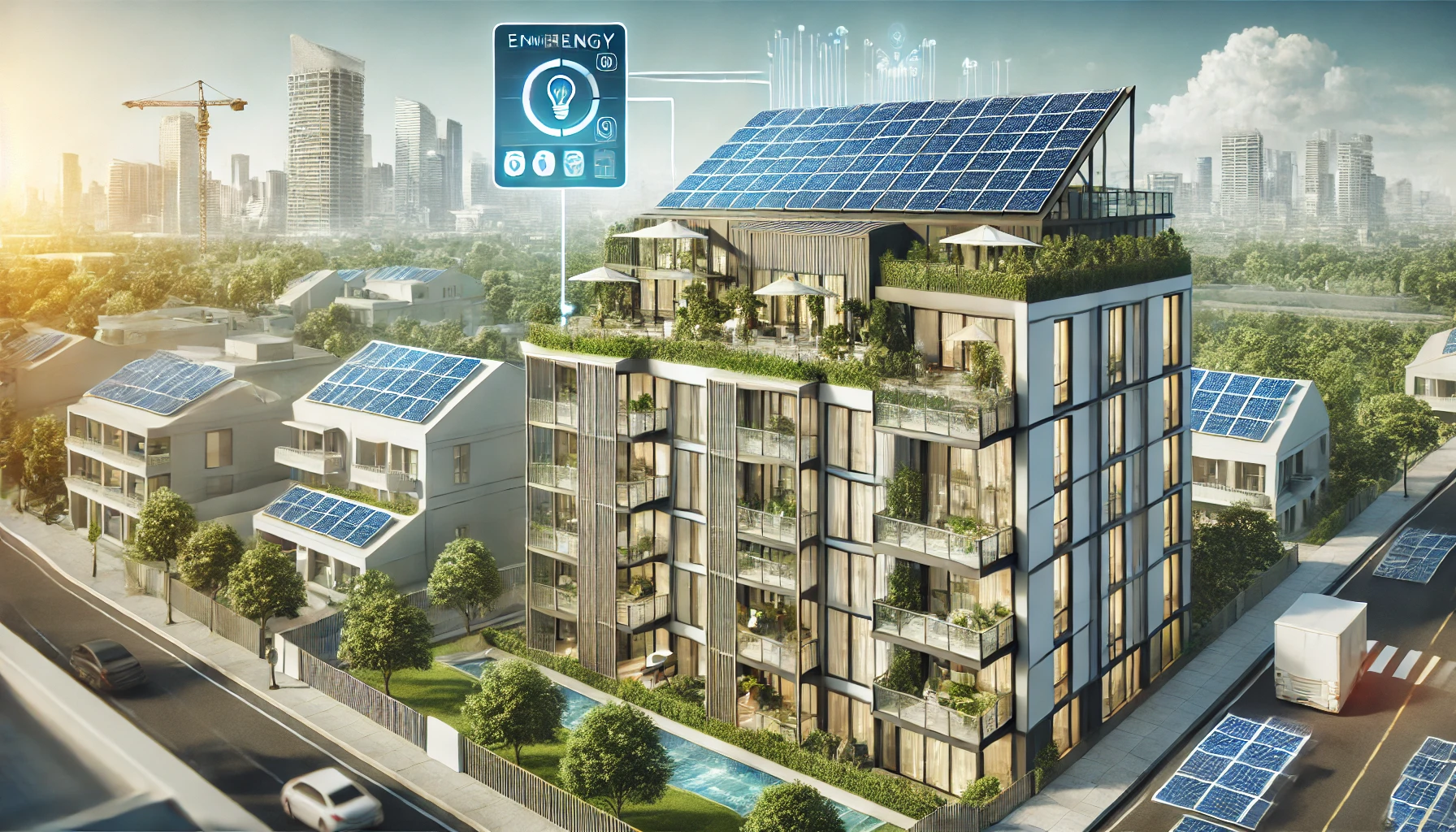
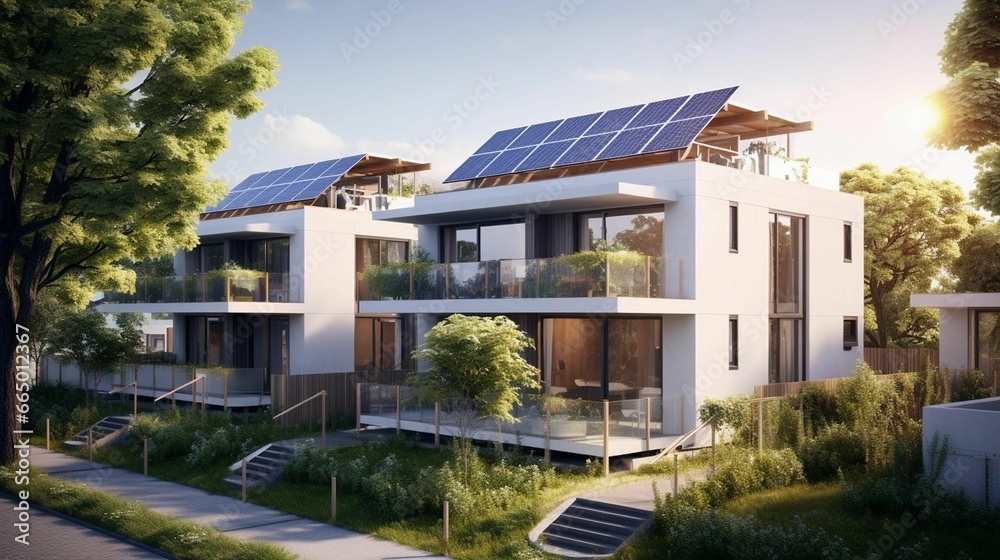
Furthermore, visual representations like the one above help us fully grasp the concept of Apartment Building Design With Solar Fins For Daylighting.
To be effective and efficient, daylighting design must be woven throughout the building design process. A lighting expert will work with the entire design team to ensure that the daylighting design for a building delivers comfortable daylight, limits glare, reduces solar heat gain and...