In different circumstances, for instance, for gaps having different ranges of aspect ratio, or when the filler element is formed using different deposition processes, the present disclosure provides different embodiments which achieve gap filling in a bottom-up manner that avoids the filler element being formed laterally.
Understanding Thermal Gap Filler Pads, PCB Deflection, and Stress Introduction This paper focuses on the characteristics of gap fillers and how they impact a printed circuit board (PCB) including compression characteristics of various types of gap fillers, from standard viscoelastic materials, to putties, to form-in-place.

Design engineers use thermal gap fillers to fill larger heights and can often use one gap filler pad to cover multiple heat sources within an application. These materials are soft and pliant, designed to avoid putting too much pressure on sensitive ...
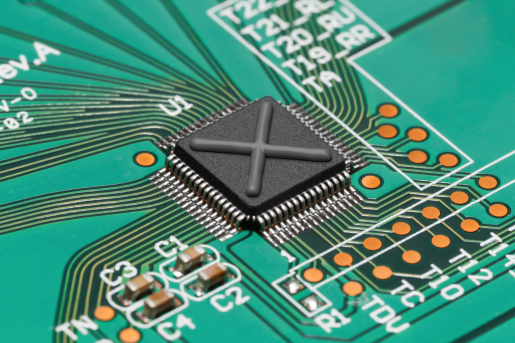
Momentives thermally conductive silicone gap fillers are dispensed to fill air gaps and voids in electronic components. They work with heat sinks or metal cases to dissipate heat from critical electronic parts. These non-adhesive curing silicones form a soft, stress-absorbing interface and fill uneven areas to improve cooling.
Gap fillers are available as 1-componenet, unreactive systems which remain pasty or as two-component reactive systems that cure with moisture and result in elastic materials after cure. In contrast to adhesives, they can easily be removed once cured.