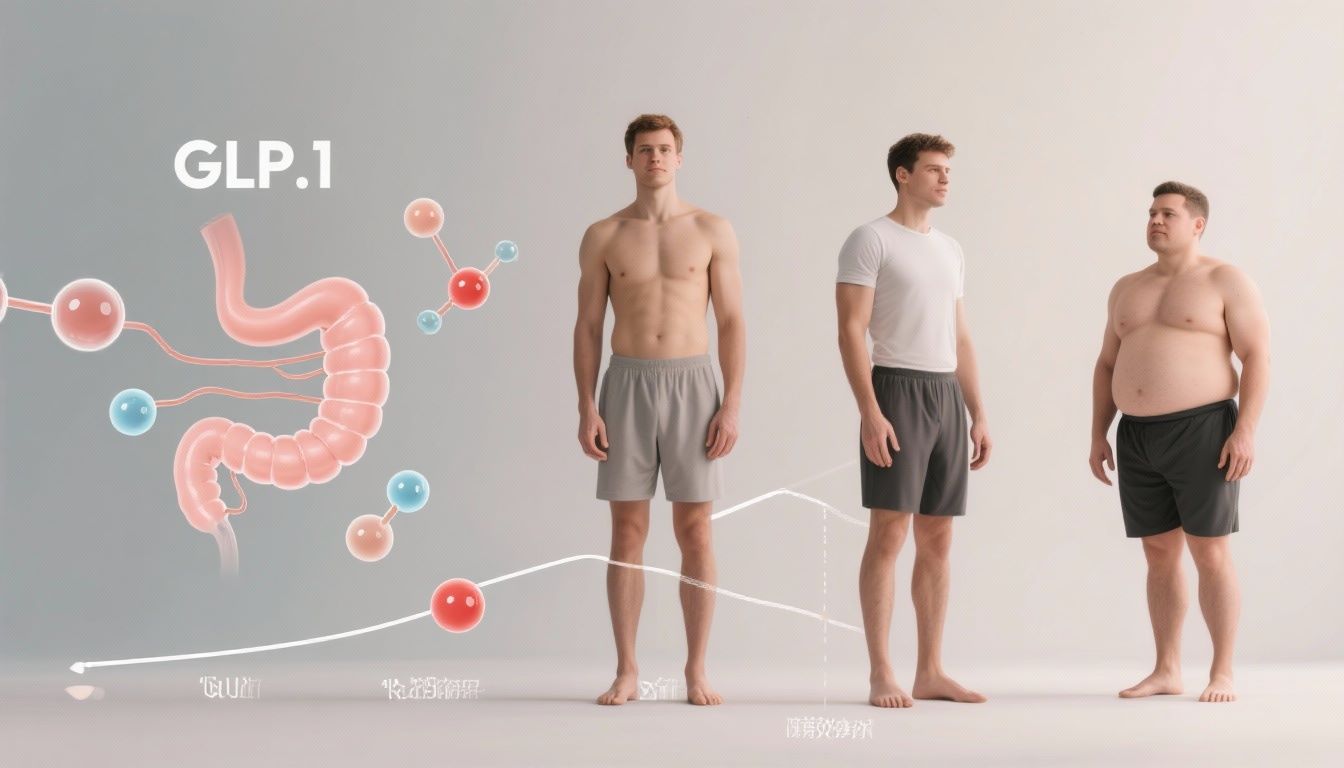
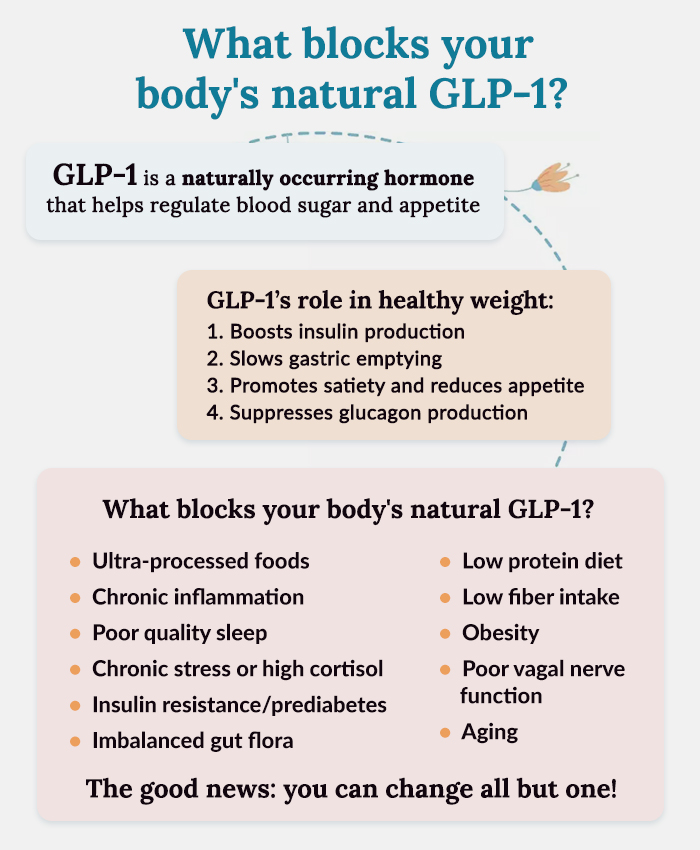
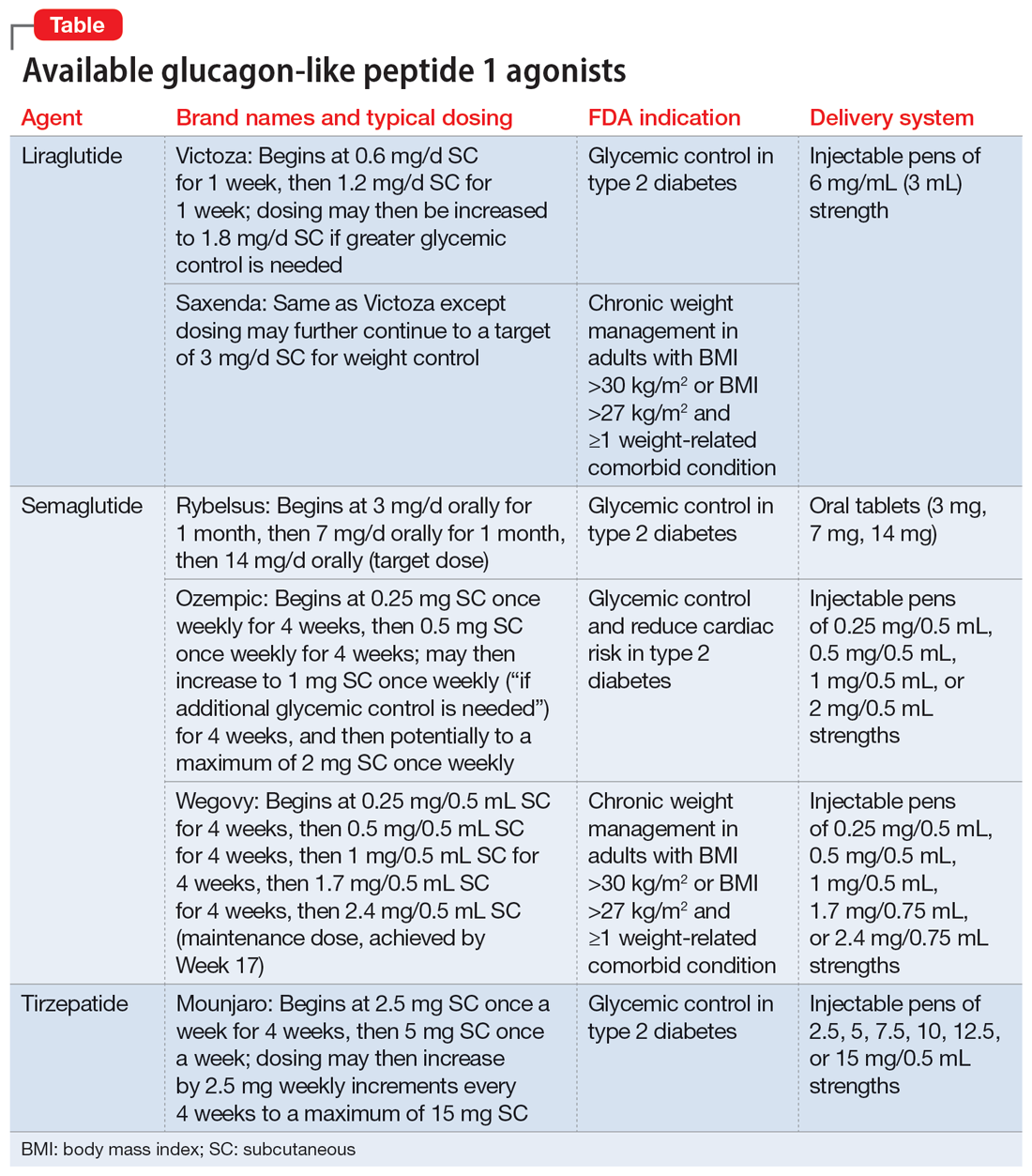
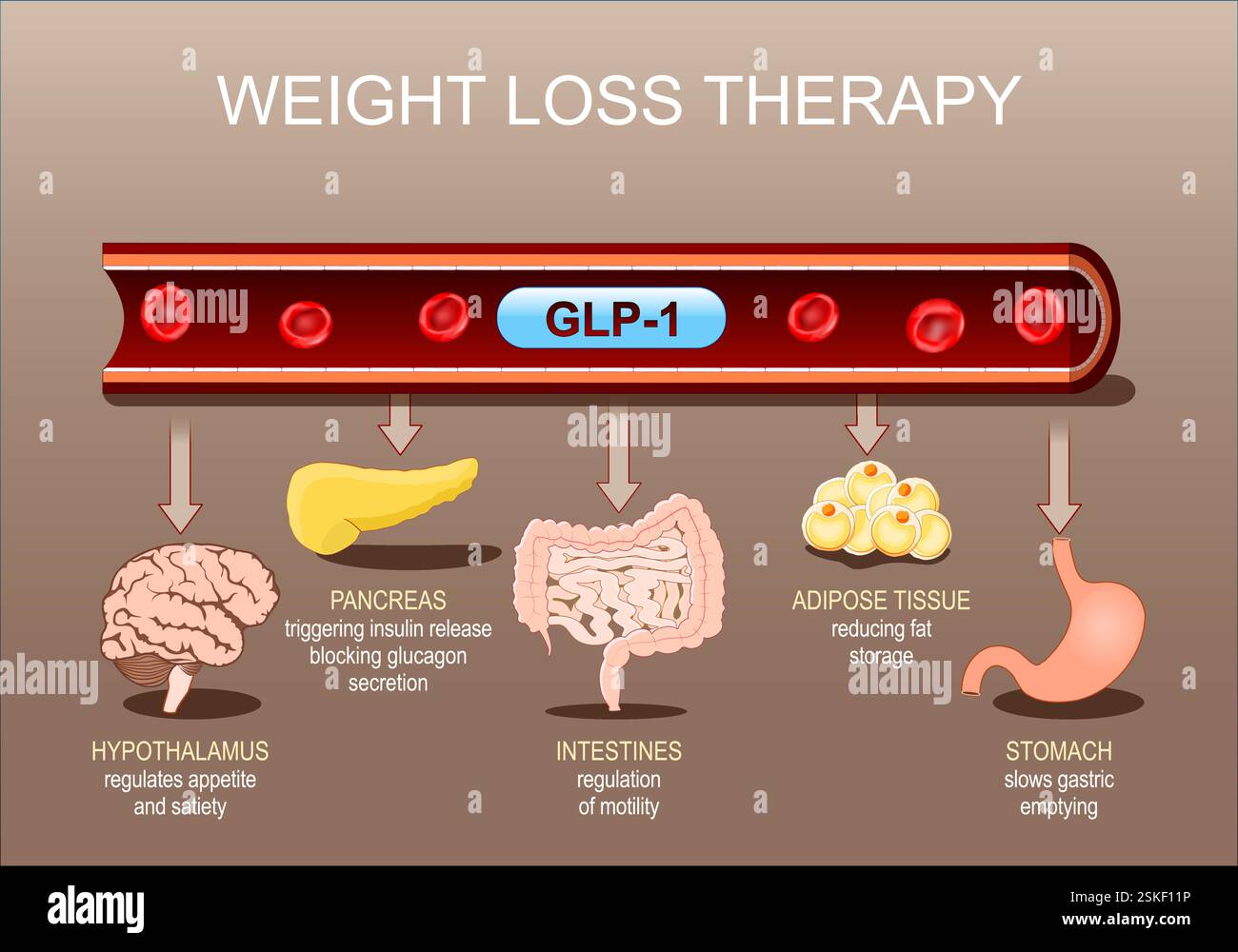
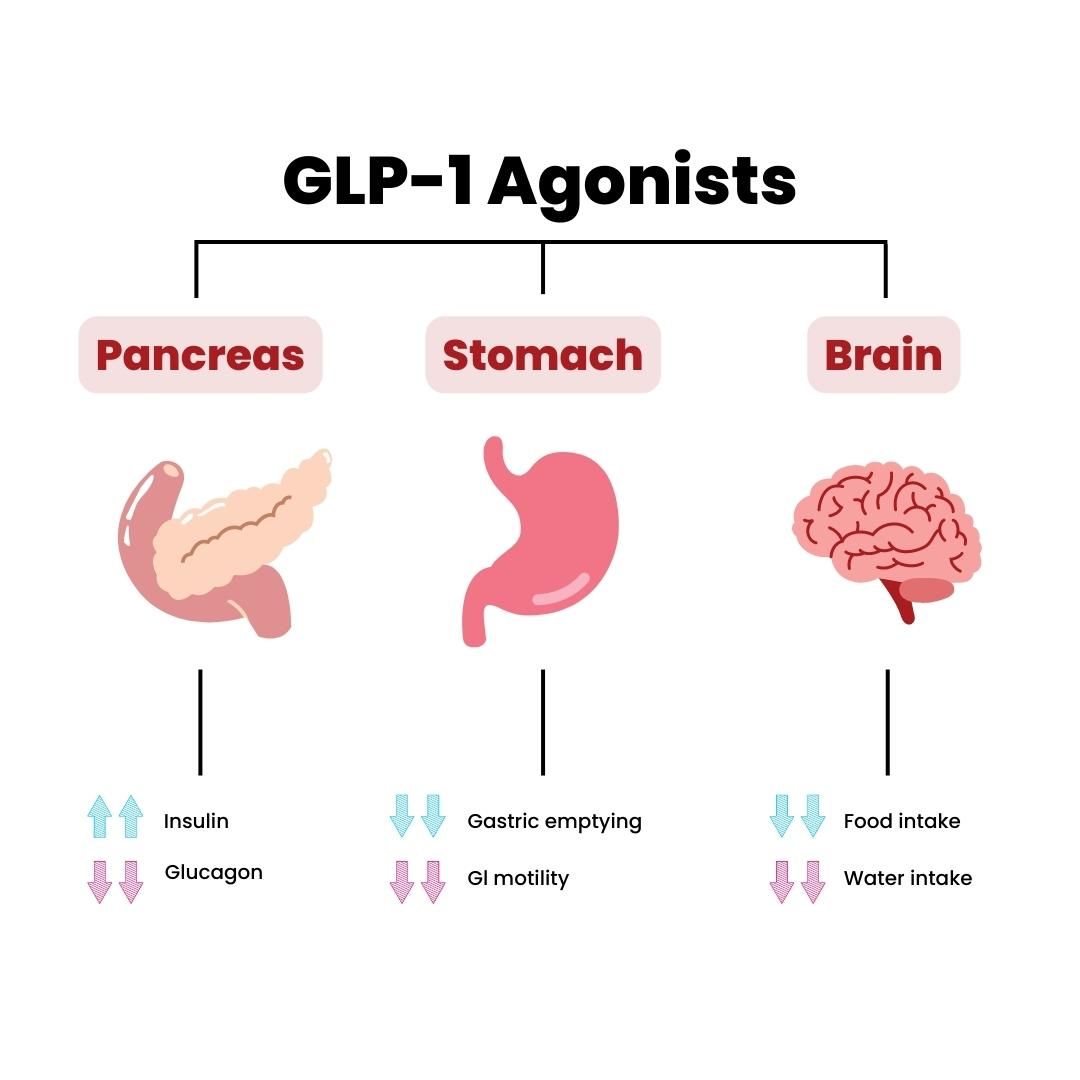
Glucagon-like peptide-1 (GLP-1) is a 30- or 31-amino-acid-long peptide hormone deriving from tissue-specific posttranslational processing of the proglucagon peptide.
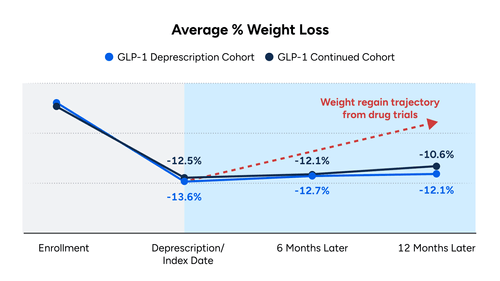
Conclusion: GLP-1-based therapies consistently improve appetite regulation and promote weight loss during active treatment. However, direct evidence linking post-treatment appetite dysregulation to subsequent weight regain remains limited.
Weight loss with GLP-1 medicines does not result in a disproportionate loss of muscle mass or function in obese mice and humans. Cell Reports Medicine.
While SheMed provides professional weight loss services and strives to ensure the information shared is accurate and up to date, we make no representations or guarantees as to its accuracy, completeness, or timeliness.
The dramatic results of weight-loss drugs often come with a side order of stigma, as though its cheating not to stick to willpower, diet and exercise alone.
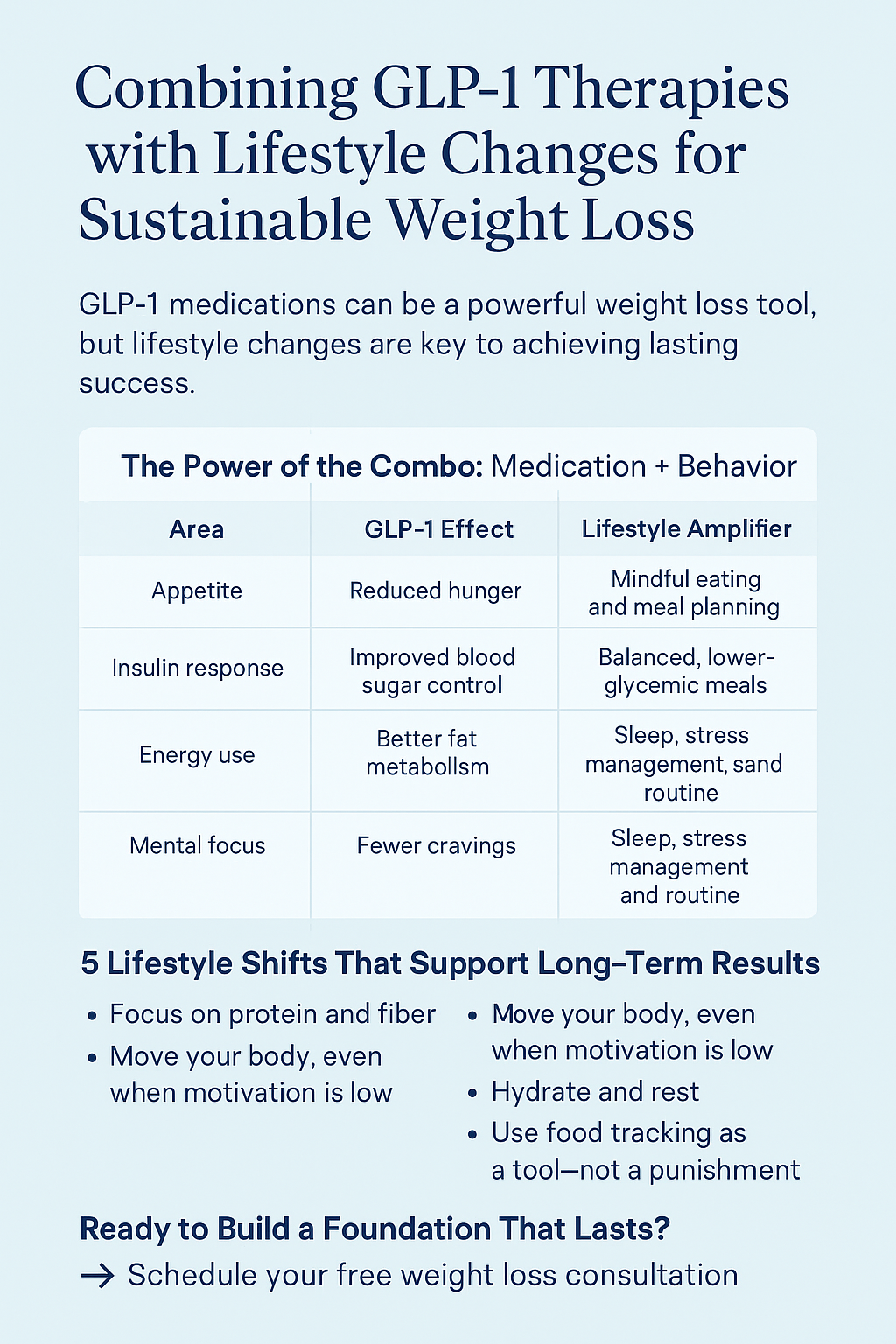
Several commenters emphasized that GLP-1 medications aren't miracle drugs. They're tools that require commitment to proper nutrition and strength training. "People think Ozempic and other weight-loss drugs are miracle cures.
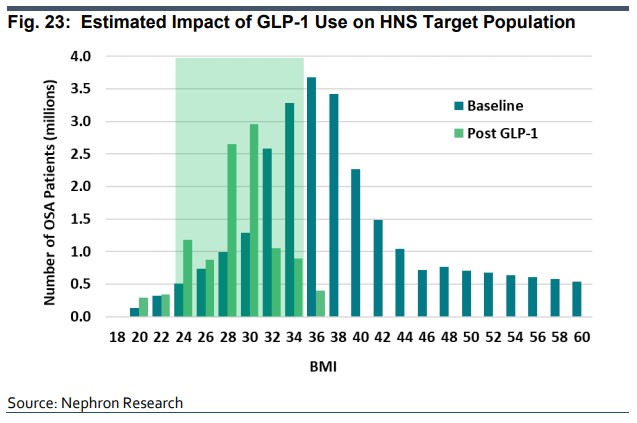
Shapeshifting market. Todays patients that initiate GLP-1 treatment particularly the treatments with explicit weight loss indications or strong clinical data for weight loss look less like the typical diabetes patients they used to resemble.

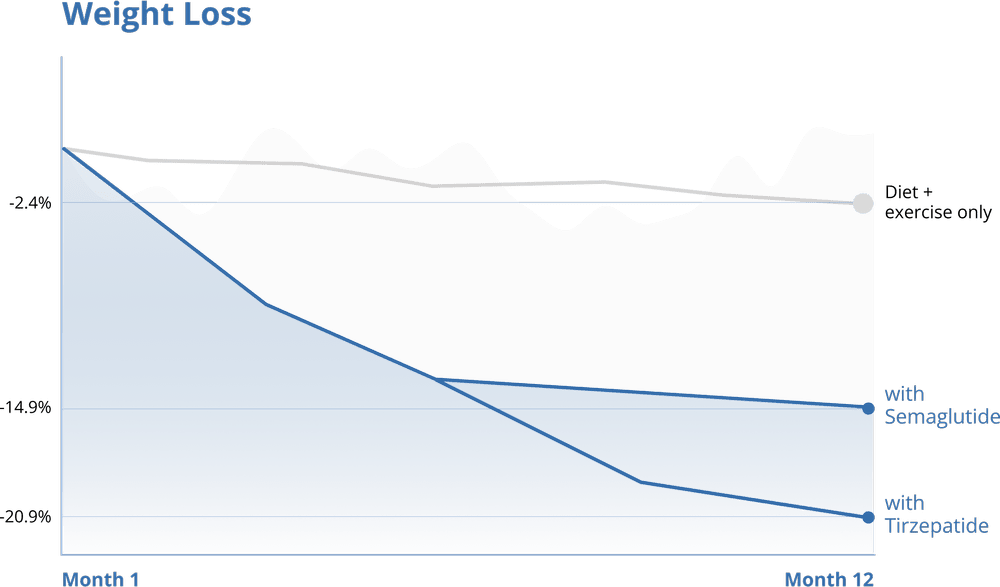
Objective: We aimed to investigate the efficacy of a moderate-to-vigorous intensity exercise program and glucagon-like peptide-1 receptor agonist treatment alone or in combination during weight maintenance for physical fitness.
2026 Google LLC.