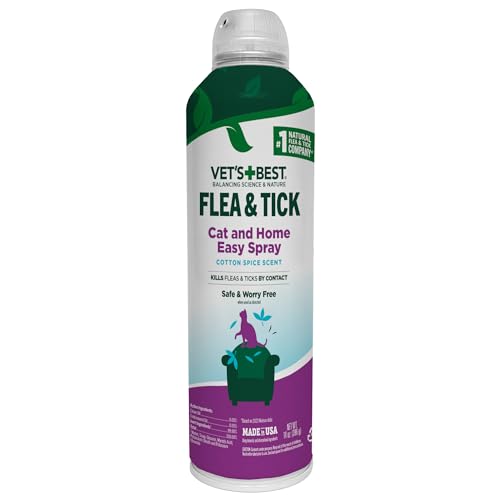
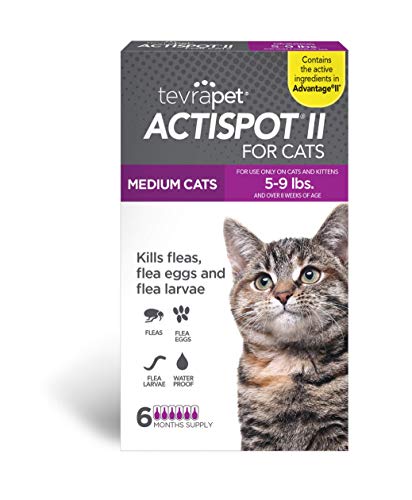
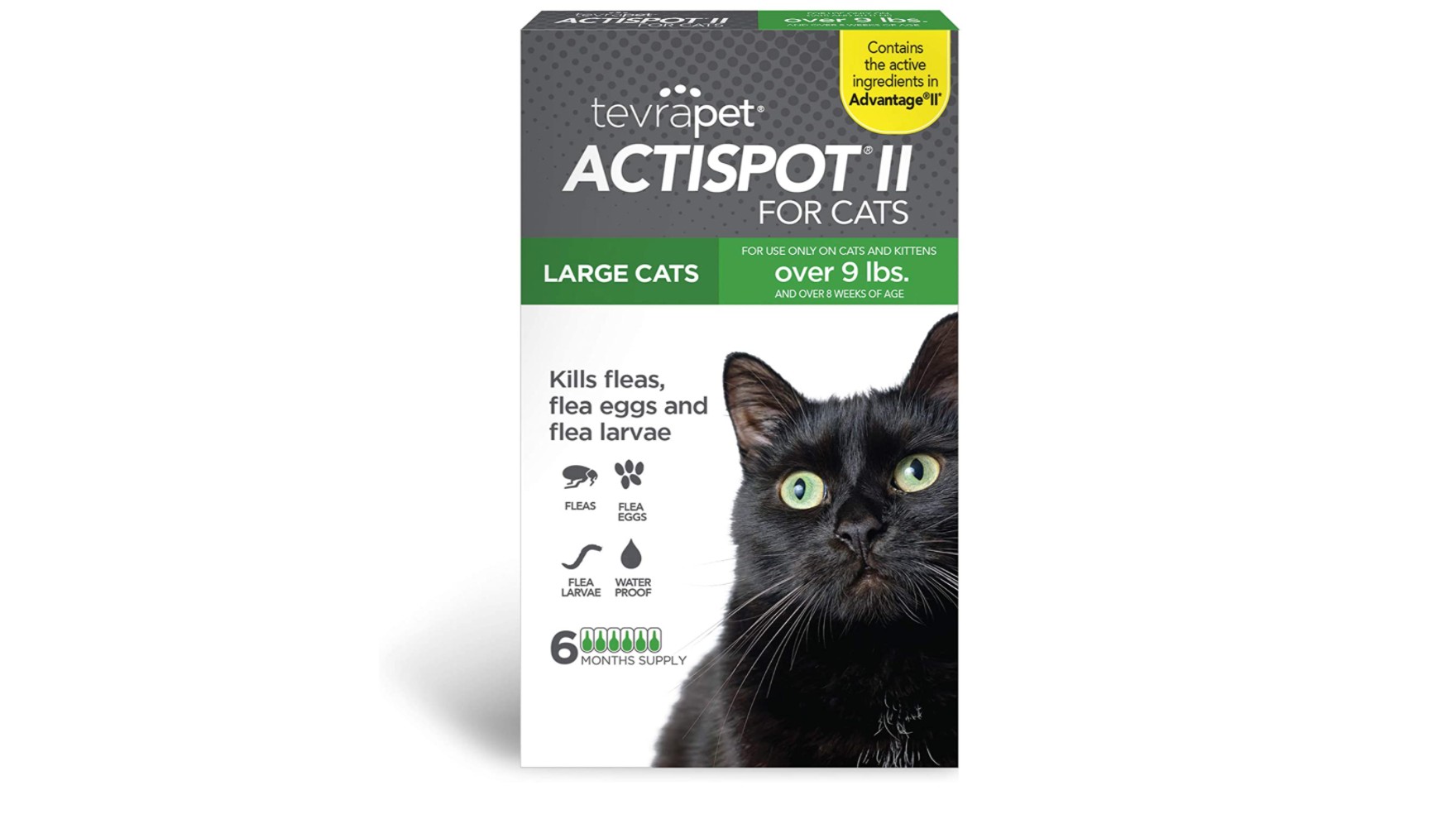
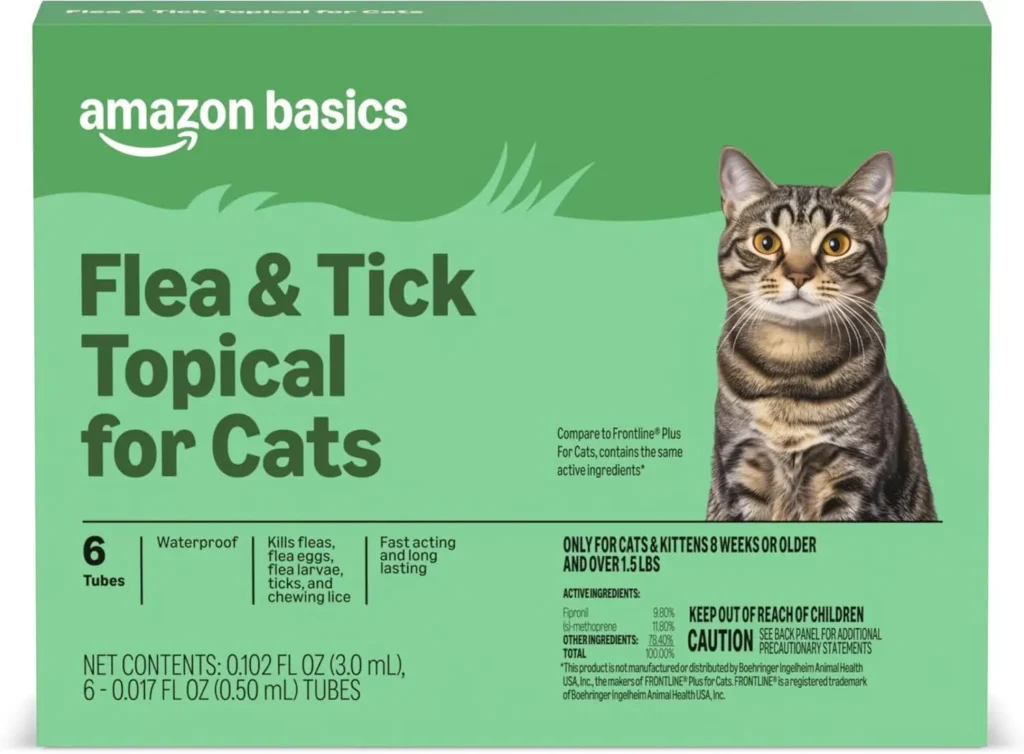
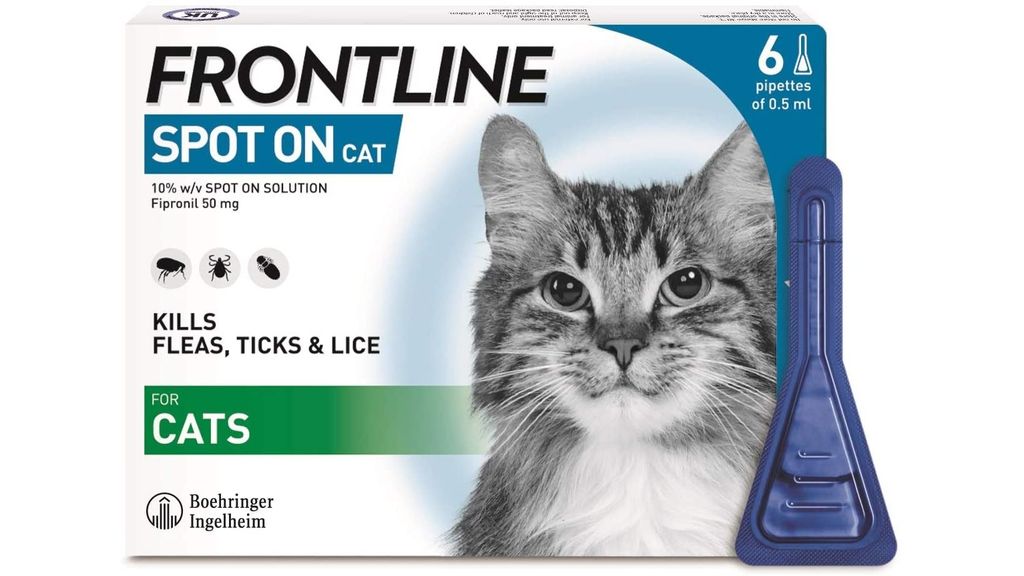
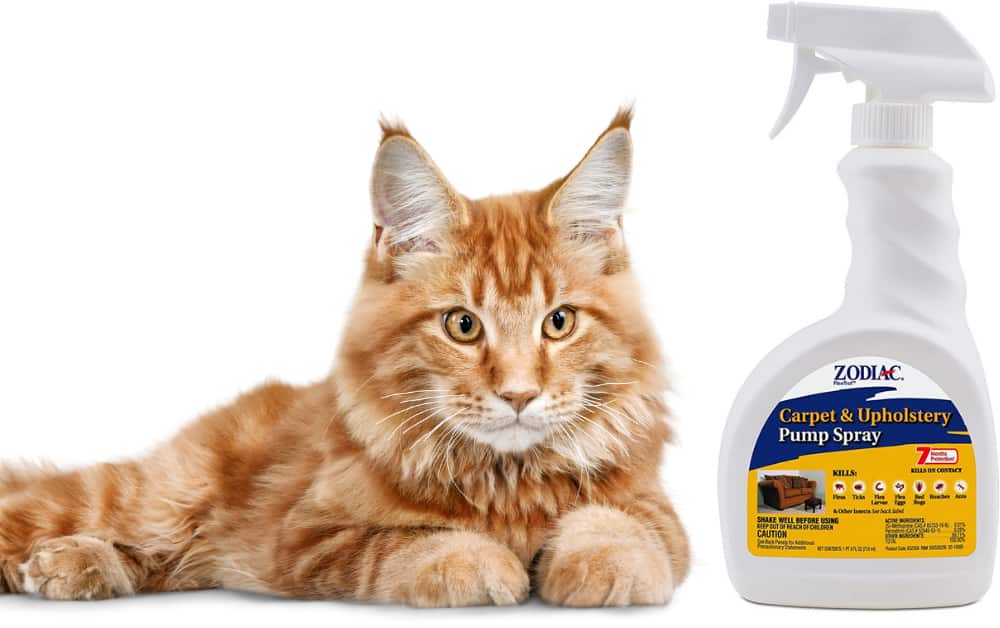
increase a cats risk of hyperthyroidism: Eating canned food, especially canned food that contains fish, liver, or giblets Having contact with soy isoflavones, polyphenols, or phthalates found in some cat foods and other products in the home Living primarily indoors Being around flea sprays, fertilizers, pesticides, or insecticides Published
1 month ago - There are few different treatment options available for hyperthyroidism. However, if your veterinarian chooses medication, it is important for you to know how
Hyperthyroidism results when the thyroid gland over-produces thyroid hormones. Felimazole and Felanorm are the only drugs approved to treat the disease in cats.
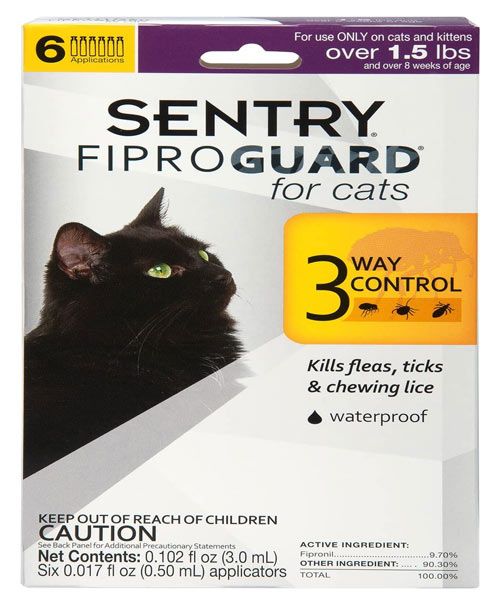
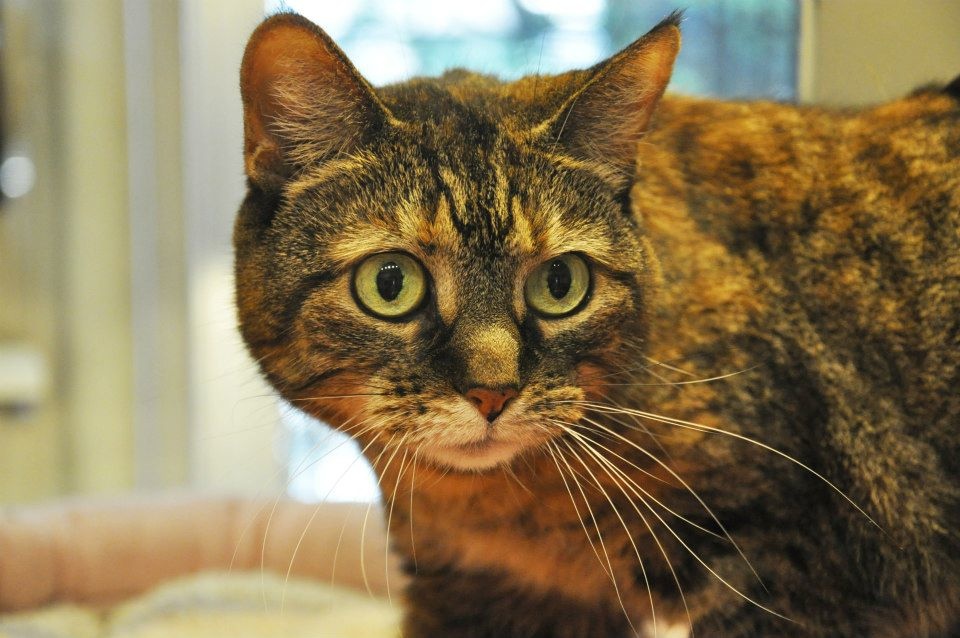
Although the cause of feline hyperthyroidism is not known, possible contributing factors include deficiencies or excesses of certain compounds in the diet and chronic exposure to thyroid-disrupting chemicals in food or the environment. Thyroid hormones affect nearly all of the organs in the body; therefore, thyroid disease often causes secondary problems. Cats afflicted with hyperthyroidism usually develop a variety of signs that may be subtle at first but that become more severe as the disease progresses.
- Pesticides, including products which kill cat fleas both as spot-on treatments and for treating the home; and Cat litter. To do your best to prevent hyperthyroidism in your cat, our guidance would be: