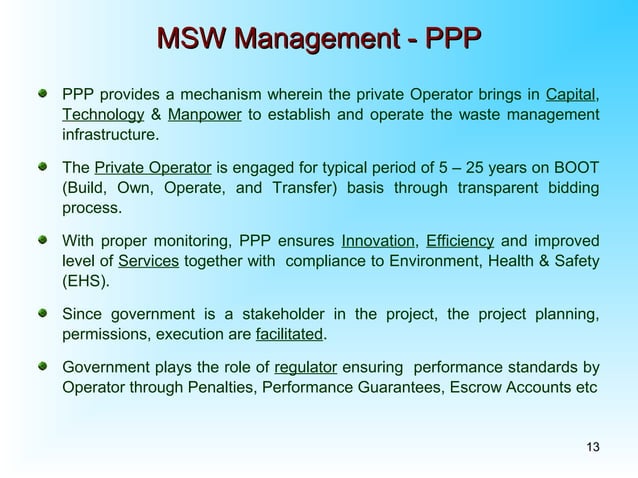
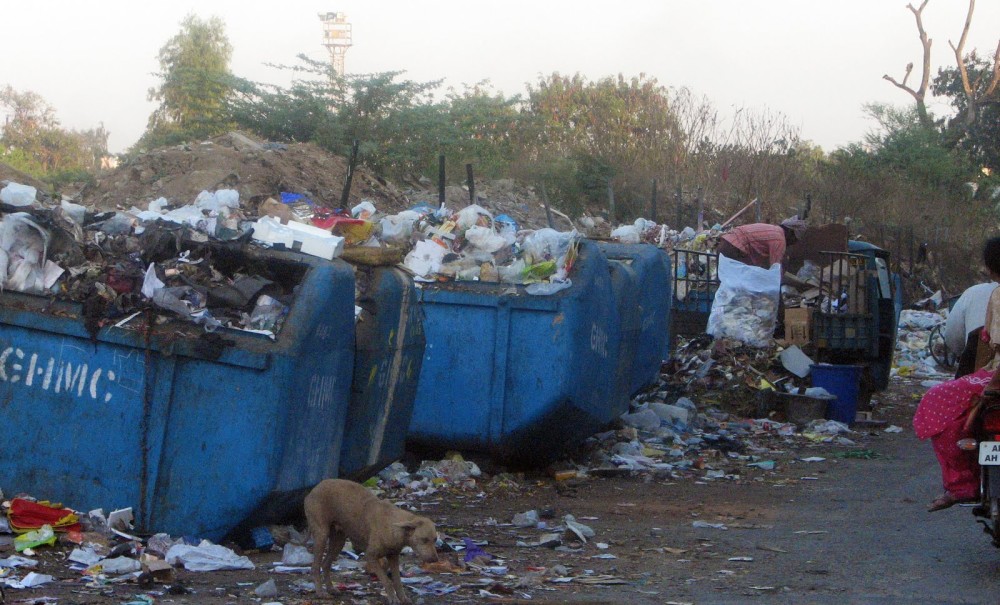
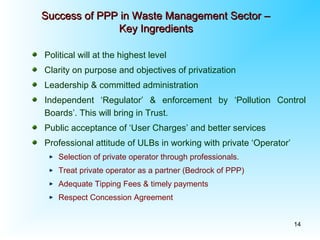
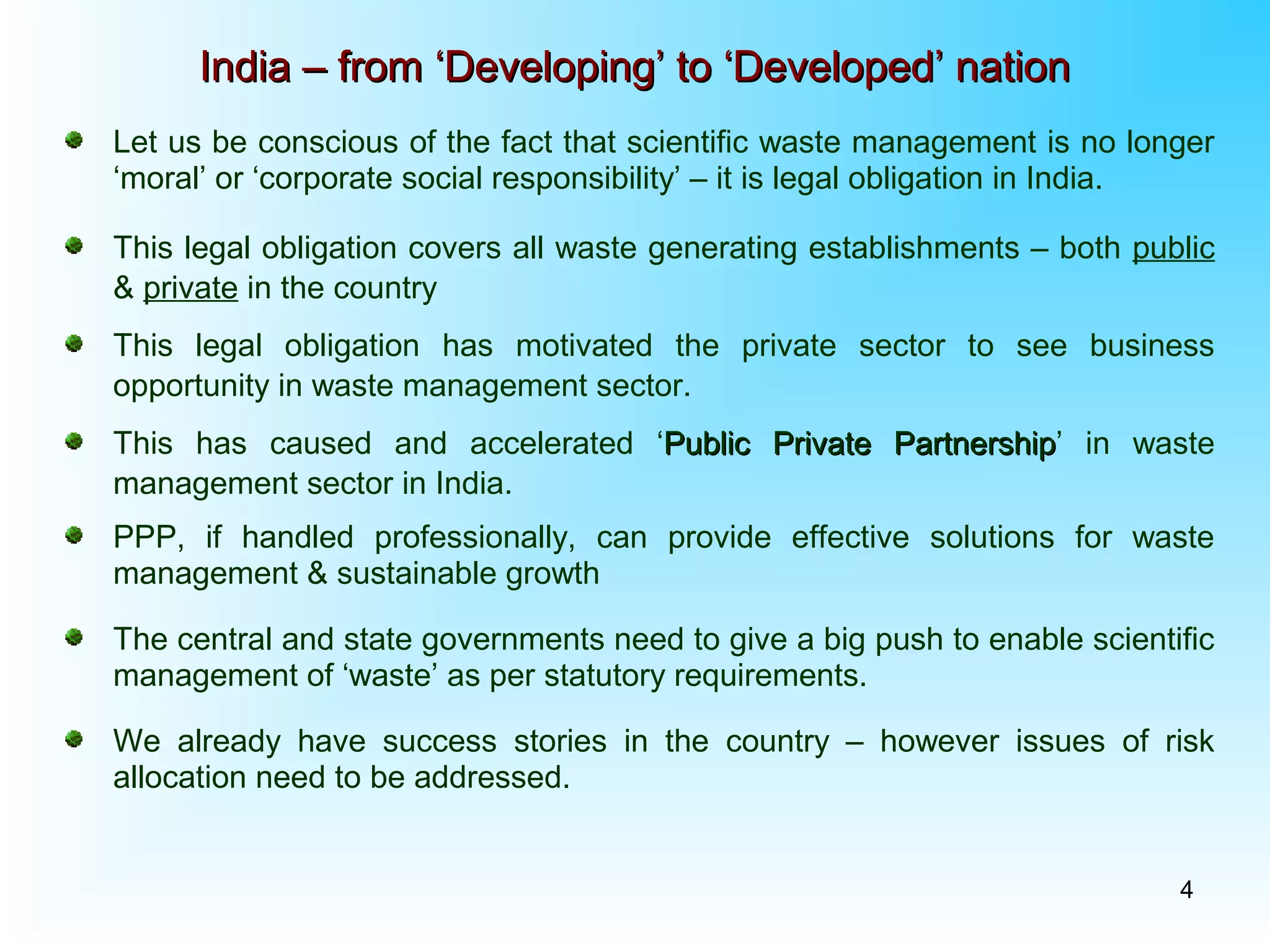
- Some developing economies might also be able to replicate the approach in India, which has succeeded in issuing a few no gate fee PPPs for solid waste. Here, the private sector is required to provide integrated solid waste management services with no fees for disposal, maintaining a clear incentive on the private sector to avoid dumping and monetize waste to the extent possible.
- This article explores the benefits, case studies, and innovative solutions emerging from PPPs in waste management, highlighting their impact on sustainable waste handling practices. Public-private partnership (PPP) waste management projects are crucial in addressing the growing challenges of waste disposal in the UK. By combining the resources and expertise of both sectors, these partnerships develop innovative and sustainable solutions for efficient waste management. PPP projects range from building and operating waste treatment facilities to implementing recycling and waste reduction initiatives, all aimed at achieving the countrys waste management goals.

- The latter employs a psychometric methodology to delve into the primary concerns of professionals involved in EfW projects regarding associated risks. The results show that common O&M risks identified in EfW PPP projects in UK and Canada prevail around unplanned maintenance, infeed waste reduction, market price, unsustainable debts, and policy changes.