This article covers leaf selection and safety, collection and preparation methods, how leaf litter functions in different enclosure types, species-specific usage, and ongoing management.
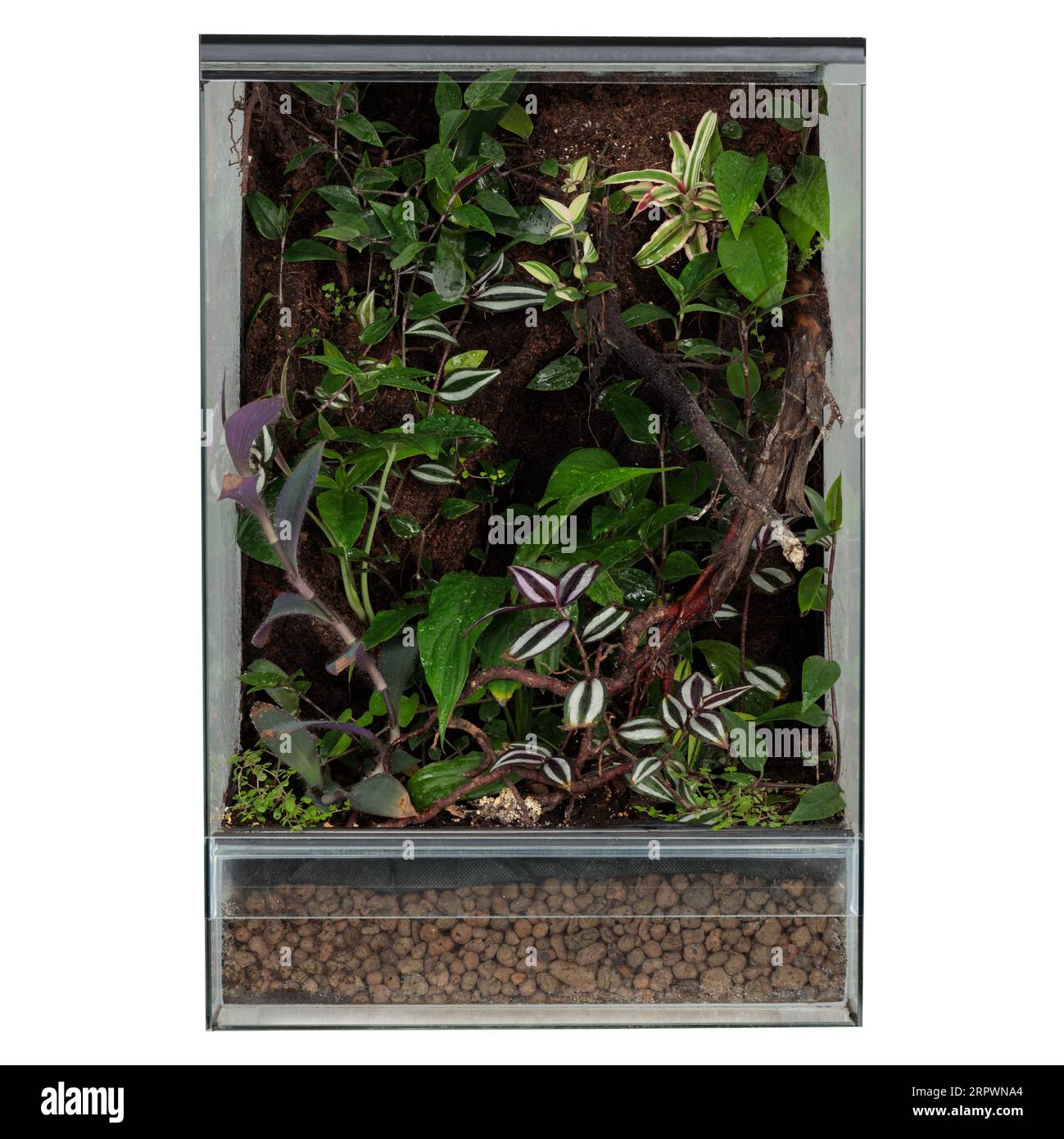
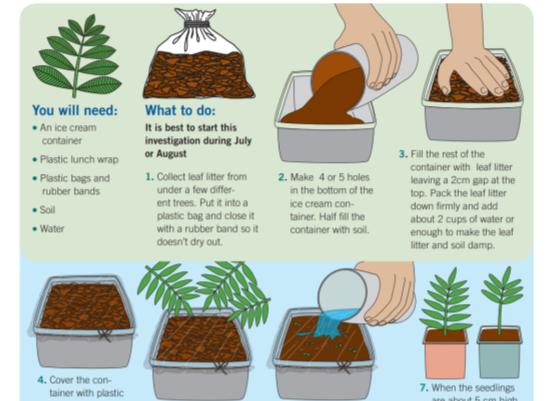
Choose an appropriately sized enclosure for the animal you plan on housing. There are a lot of different types of tanks and enclosures you can choose from. I personally prefer the front opening style of enclosures for the ease of access, but what style you use is entirely up to you. At the same time, select the lighting system you will be using for... See full list on petpedesandpods.com Install drainage tubing for access to the drainage layer. I simply install a 3/8 piece of tubing, so that the bottom of the tube is resting on the bottom of the enclosure, and the top of the tube will stick up slightly over the substrate layer. This allows a 1/4 piece of tubing to be inserted should you need to siphon water out of the drainage la... See full list on petpedesandpods.com Install the drainage layer. Expanded clay balls are typically used for this layer since they are much lighter than something like gravel. You may also see these referred to as Hydroton, Hydroballs, LECA, or LDL, depending on the branding. Make sure you rinse the clay balls to remove any dust before adding them to your vivarium. See full list on petpedesandpods.com Install the substrate separator. This is a screen that is used to keep the substrate separate from the drainage layer. There are many products on the market for this. I use fiberglass window screen and cut it to the appropriate size. You want to make sure you use something that is non toxic, wont rust, and will allow springtails to pass through. C... See full list on petpedesandpods.com Install the substrate layer. The substrate is the most important part of the vivarium. You want to make sure that you use something that will break down quickly and will not compact and bind the plant roots. You also want the substrate to be able to properly support your clean up crew. I use ABG (Atlanta Botanical Gardens) substrate mix. See full list on petpedesandpods.com Add the clean up crew springtails and isopods. I like to do this step before adding the leaf litter layer for purely aesthetic reasons if the springtails or isopods are in substrate, I dont want to dump that substrate on top of my completed leaf litter layer. See full list on petpedesandpods.com Add the leaf litter layer. Dont be stingy with your leaves the clean up crew will rely on the leaf litter for food and shelter. If you are taking time between steps, make sure you do this immediately after adding your clean up crew. See full list on petpedesandpods.com Water your vivarium. If you are taking time between steps, make sure you water the vivarium as soon as you add your clean up crew so they do not dry out. When watering your vivarium, make sure that enough water is added so that there is some in the drainage layer, but not so much that the drainage layer is full and the substrate layer is saturated.... See full list on petpedesandpods.com Plant your plants. Make sure the plants you use are safe for your primary inhabitant. You should also size your plants according to your primary inhabitant use larger plants for larger animals, and use plants that can be easily climbed for arboreal animals. In addition to rooted terrarium plants, air plants (Tillandsia) are a fun addition to any ... See full list on petpedesandpods.com Turn on the full spectrum lights, and wait. Wait 3-4 weeks before adding your primary inhabitant, no matter how amazing the vivarium is and no matter how proud of it you are. Waiting allows the clean up crew to establish, and allows the plants to take root in the substrate. See full list on petpedesandpods.com s your base mix its pretty economical. Like CMSReptiles said, add in some sphagnum moss, worm castings, charcoal and leaf litter (youll want a bunch of that on top of the soil too, for the cleanup crew to eat) and overall its not too expensive. Yes, isopods are beneficial as they help maintain a clean enclosure by breaking down waste and leaf litter, while also providing environmental enrichment for your bearded dragon. While this tutorial was only an introduction to setting up a basic bioactive enclosure, there are many other landscaping or large scale changes or modifications one can also make with your next bioactive enclosure once the basics are learned and understood. When built properly, upkeep should involve nothing more than cleaning the glass, misting the enclosure, and occasionally trimming plants. This article will cover all the basic aspects of vivarium building in detail, using proven techniques that are considered industry standard.

Such details provide a deeper understanding and appreciation for Building A Breeding Enclosure With Leaf Litter.

Moving forward, it's essential to keep these visual contexts in mind when discussing Building A Breeding Enclosure With Leaf Litter.