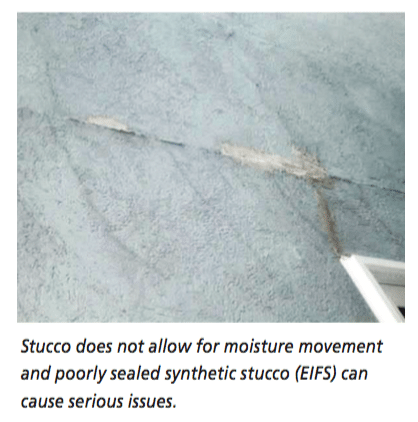
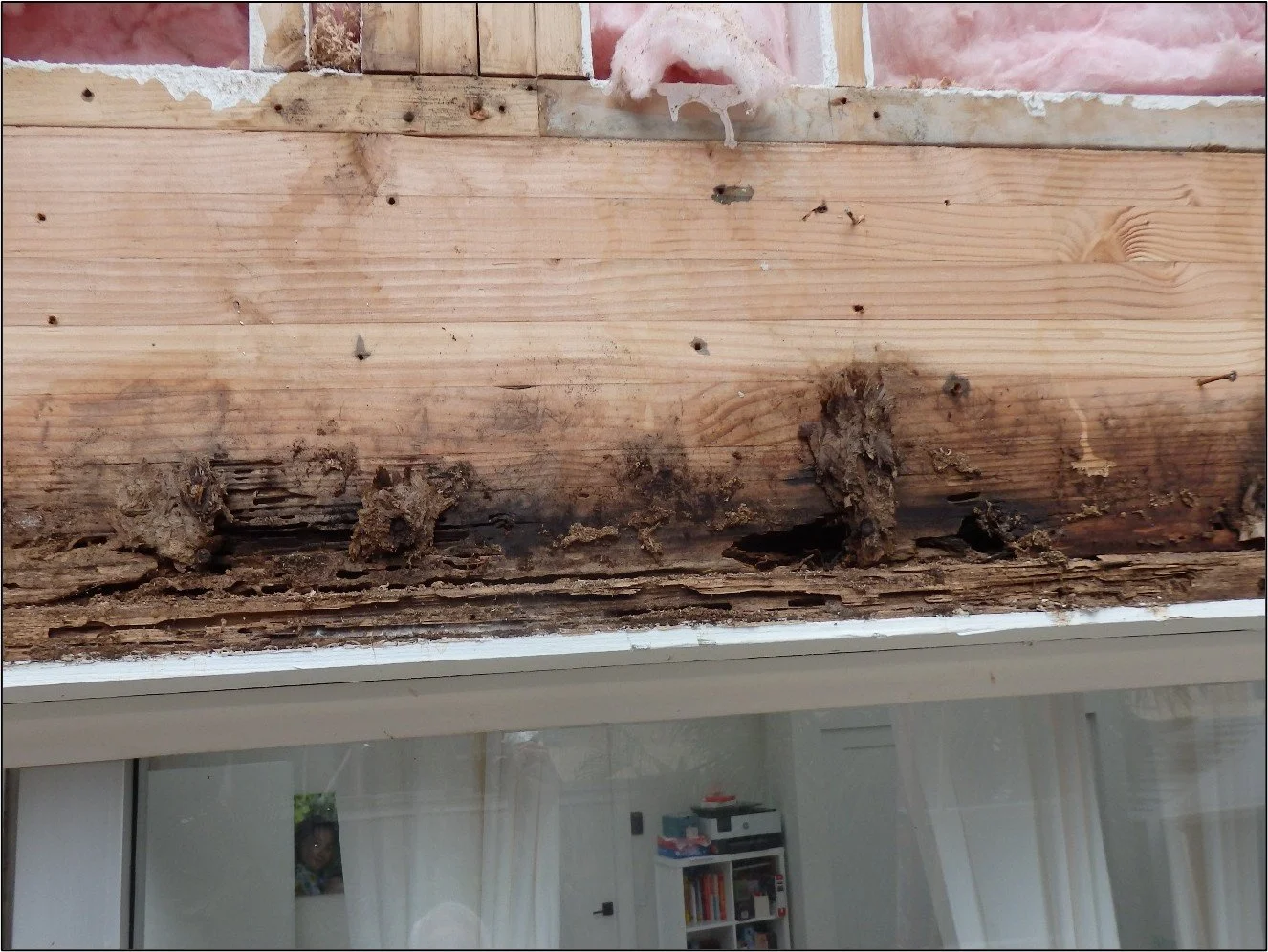
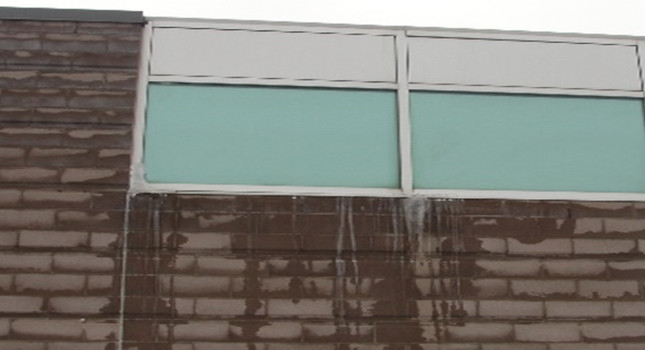
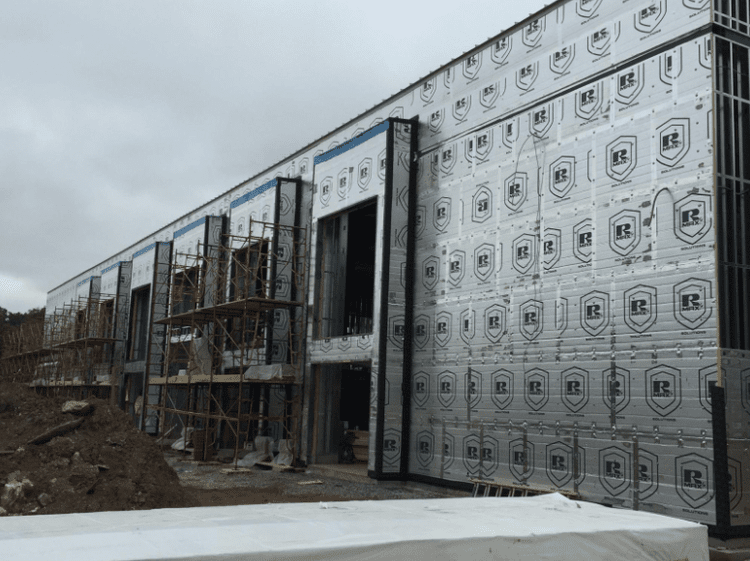
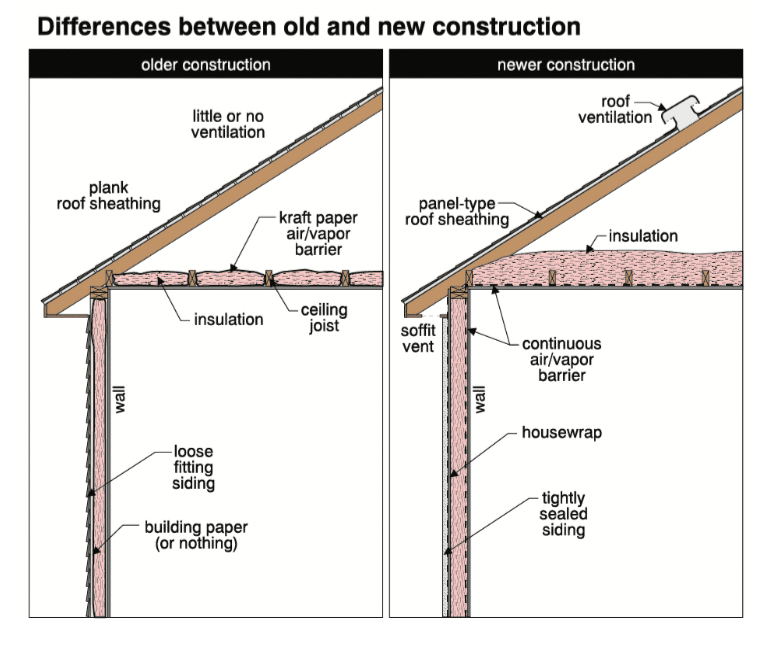
Effective moisture management is vital for constructing durable buildings, especially when utilizing materials like stucco. Neglecting this aspect can lead to costly repairs, compromising a building's structural integrity.
Moisture-resistant materials in the building envelope are designed to prevent moisture penetration, while moisture-tolerant materials can endure some exposure to moisture without significant degradation, maintaining their functionality over time.

Understanding moisture flow is paramount for building and design professionals who want to design the most moisture-resistant building envelopes, which contribute to more energy-efficient, healthier buildings. The guidelines above should provide a nudge in the right direction.

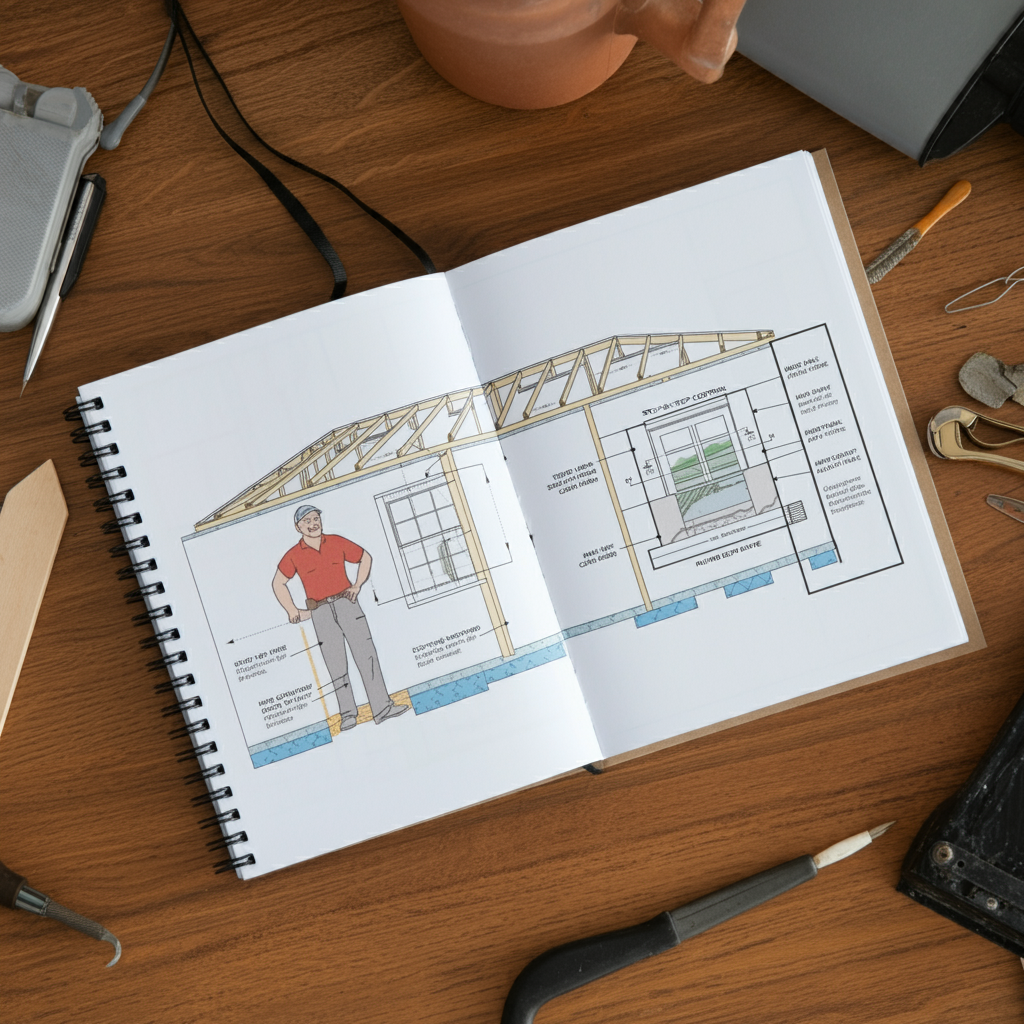
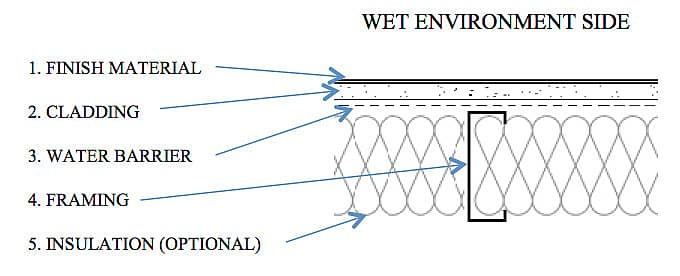
Moving forward, it's essential to keep these visual contexts in mind when discussing Building Envelope Moisture Resistance.
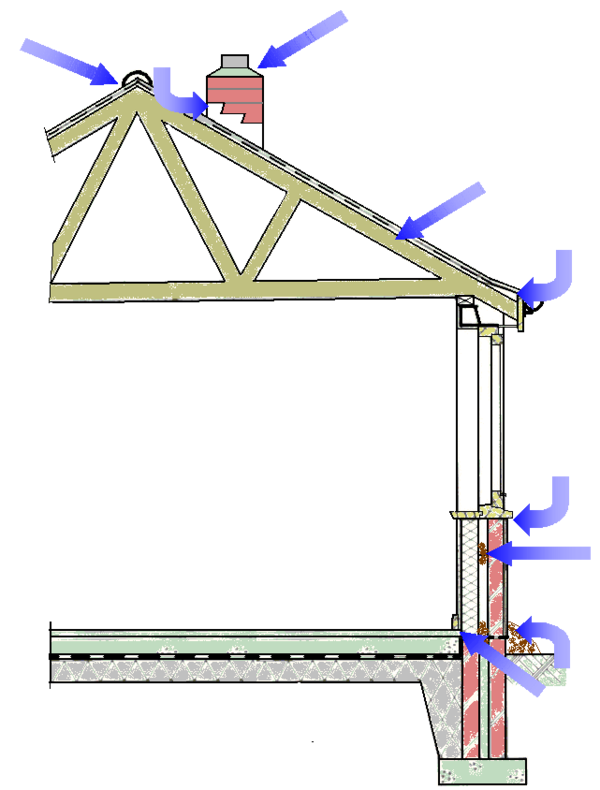
Moisturewater or vaporis the most damaging and detrimental element that can enter the building envelope. Especially moisture in its liquid form, also known as bulk water, such as rain, runoff, and other liquid states, that needs to move out of the assembly. ASTM E2273, standard test method for determining the drainage efficiency of weather-resistive barriers (WRB), doesnt tell the ...
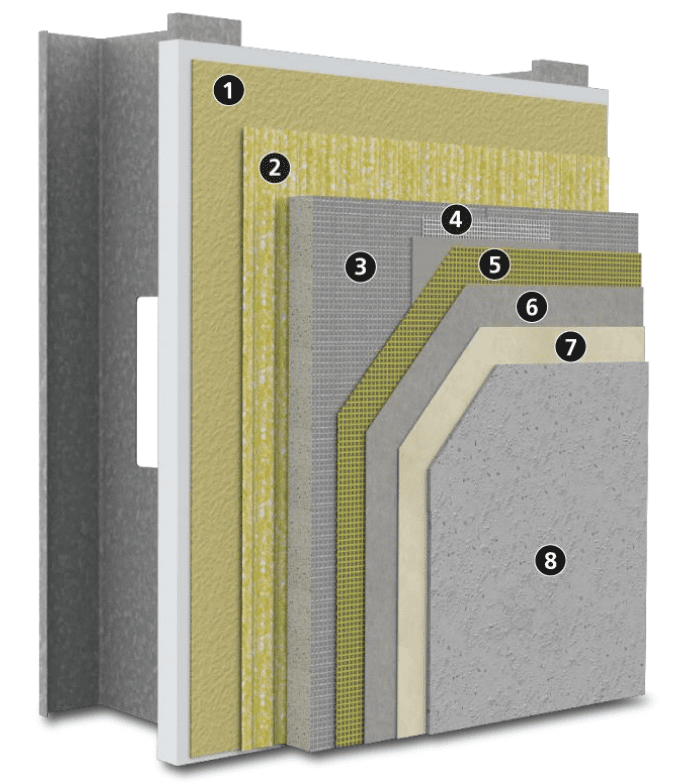
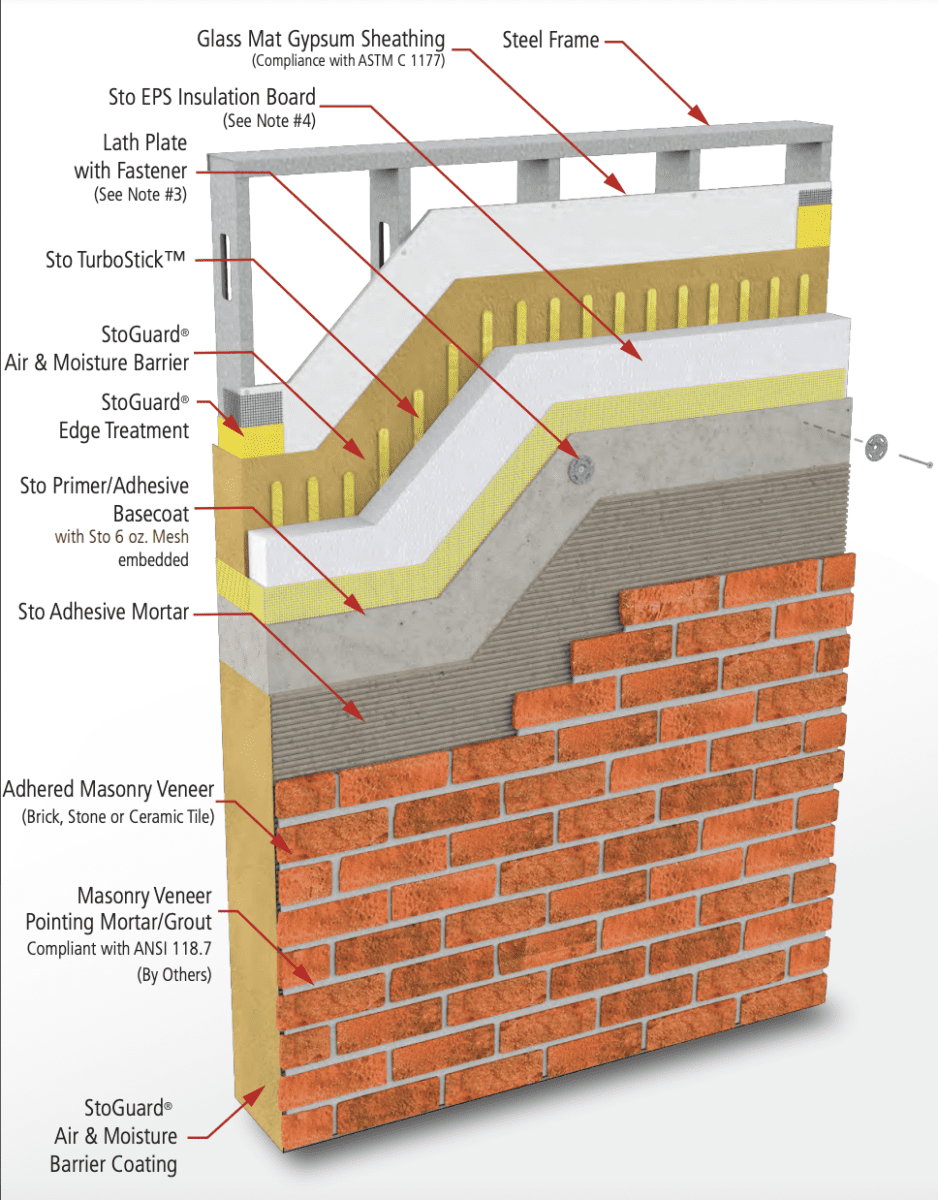
Furthermore, visual representations like the one above help us fully grasp the concept of Building Envelope Moisture Resistance.
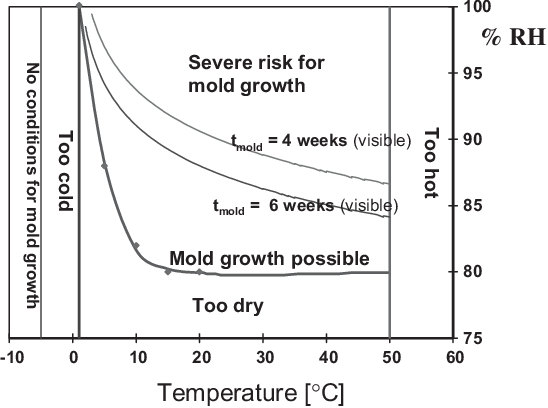
Instead of creating excess waste or risking health concerns, building envelopes could be why a corporation thrives its moisture-resistant barrier is the foundation for longevity and strength. KEYWORDS: building materials IAQ (indoor air quality) moisture mold sustainable design
Delve into the science behind moisture control in buildings and discover the key principles and practices for maintaining a dry and healthy building envelope.