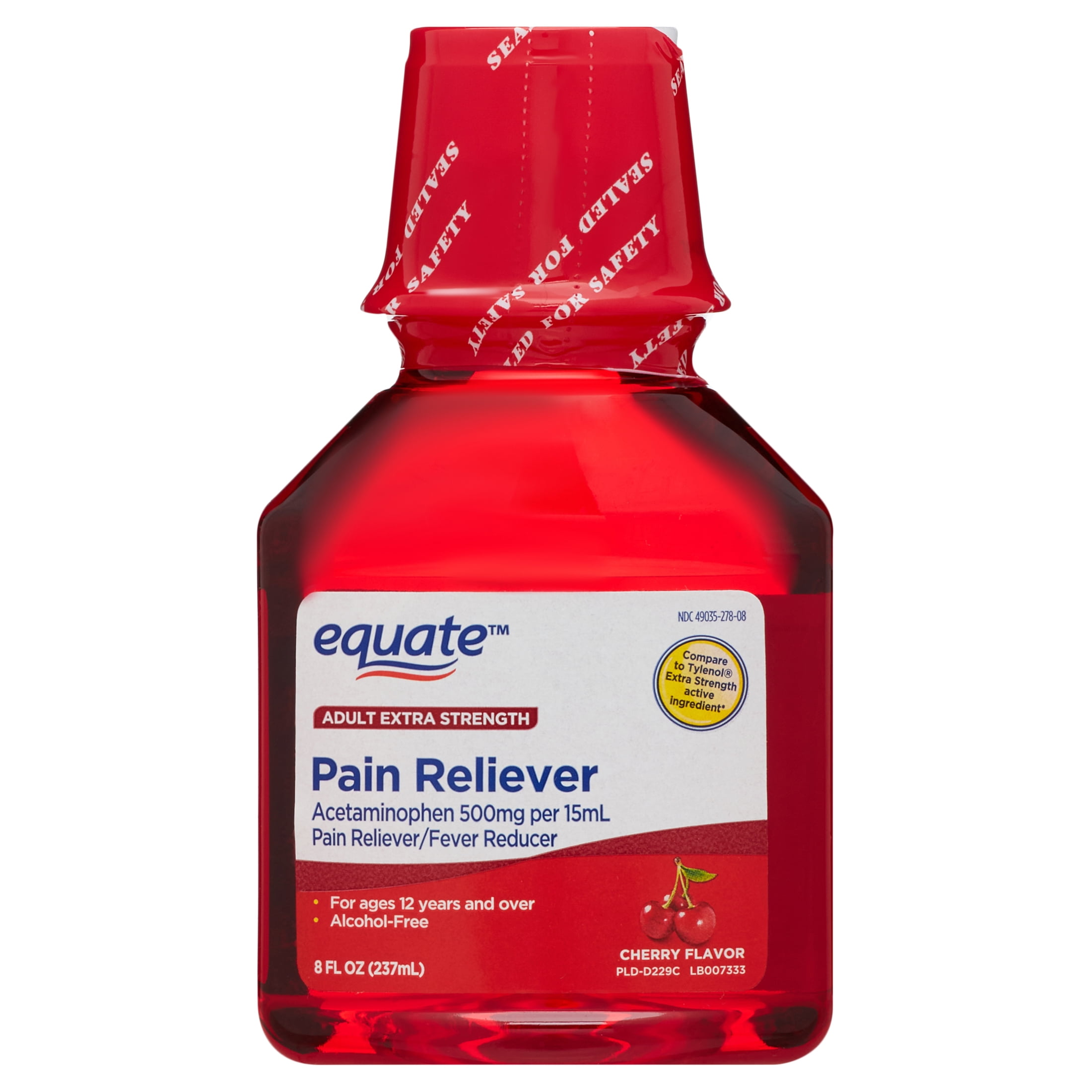
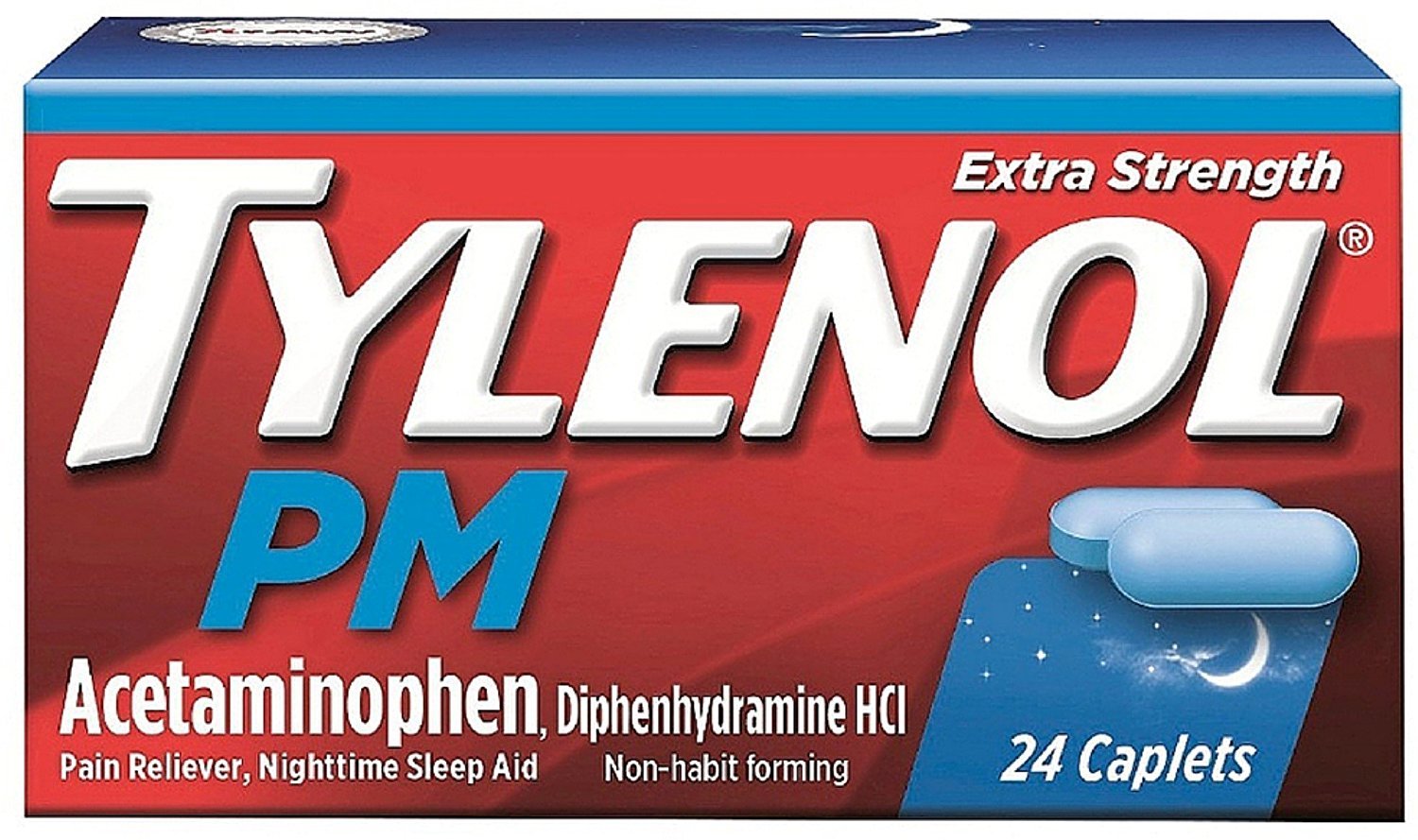
Under a vets care, Tylenol (acetaminophen) can be used for fever and mild pain in dogs, but is fatal to cats and should NEVER be given to them. Dogs can be sensitive to acetaminophen, too. Acetaminophen can cause liver damage in both dogs and cats and lower the oxygen-carrying capacity of blood.
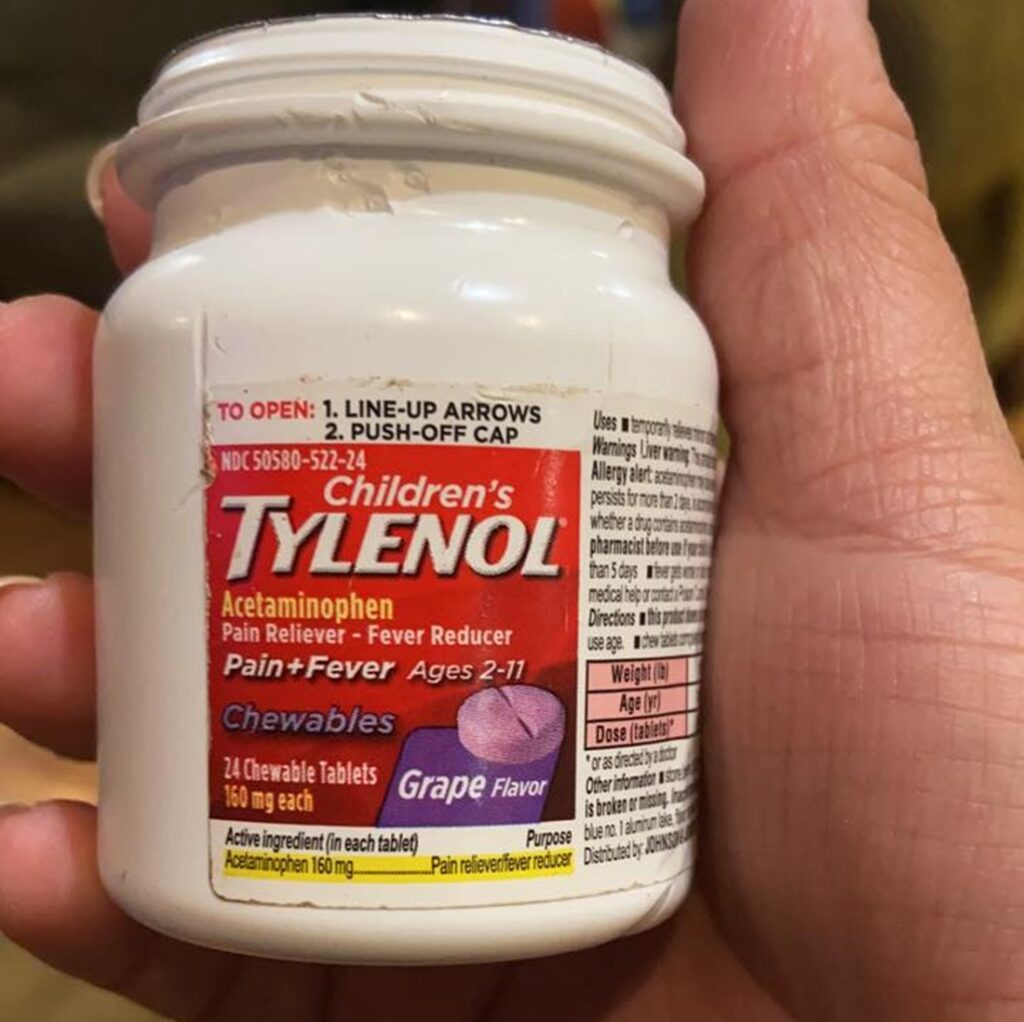
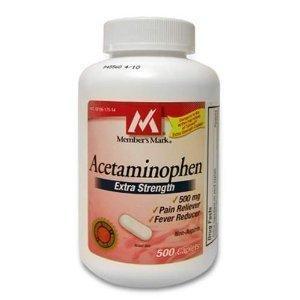
Acetaminophen is generally safe for humans at the recommended dose. The metabolism (mechanism for breaking down and removing drugs from the body) of acetaminophen is different in dogs and cats than in humans. This means that relatively small doses, even a small piece of a pill, may be poisonous for dogs or cats. Cats are especially sensitive to ace... See full list on vcahospitals.com If the exposure has just occurred and your pet is not yet showing any signs of illness, contact your veterinarian or Pet Poison Helpline, a 24/7 poison control center for animals, at 800-213-6680. Early assessment and treatment increase the chance for a safe and successful outcome. If your dog or cat is showing any signs of distress, immediately tr... See full list on vcahospitals.com Pets may show no signs initially. Acetaminophen can cause liver damage and it can decrease the red blood cells ability to carry oxygen (methemoglobinemia) by changing hemoglobin (an oxygen-carrying protein in red blood cells) to methemoglobin, a protein that cannot carry oxygen. Cats are more likely to develop early red blood cell changes, while d... See full list on vcahospitals.com Acetaminophen poisoning may be suspected when pets develop changes in the red blood cells, signs of liver damage, or other signs consistent with acetaminophen poisoning. Acetaminophen levels in the blood can be measured at a human hospital or specialized laboratory; however, testing for acetaminophen levels is not common. The results may not be ret... See full list on vcahospitals.com Early decontamination and treatment decrease the risk for serious poisoning. If acetaminophen ingestion occurred within 1520 minutes, the veterinarian may induce vomiting. Once vomiting is controlled, medical-grade activated charcoal may be administered to decrease absorption of acetaminophen from the gastrointestinal tract. Activated charcoal sho... See full list on vcahospitals.com The outcome depends on many factors, including the initial health of the pet, amount ingested, other drugs ingested, and time to treatment. With early treatment, pets are less likely to develop long-term effects. Some pets may have permanent liver damage. Although uncommon, death may occur with high doses or when treatment is delayed. See full list on vcahospitals.com Whenever a toxic exposure is suspected, immediate action is recommended. Early consultation and treatment can help prevent serious health effects. Pet Poison Helpline, a pet poison control center based out of Minneapolis, MN, is available 24/7 for pet owners and veterinary professionals that require assistance treating a potentially poisoned pet. T... See full list on vcahospitals.com Cats are unable to metabolize acetaminophen and should never be given this medication. Due to the risk of toxicity, dogs should only be given this medication under veterinary guidance. It is important to note that acetaminophen may be present in multi-symptom cold and allergy products. The metabolism (mechanism for breaking down and removing drugs from the body) of acetaminophen is different in dogs and cats than in humans. This means that relatively small doses, even a small piece of a pill, may be poisonous for dogs or cats. Even small doses can cause severe liver damage, anemia, and potentially fatal complications. Therefore, it is crucial for pet owners to avoid giving acetaminophen to cats and to consult a veterinarian for safe and appropriate pain management options tailored to feline health. Under a vets care, Tylenol (acetaminophen) can be used for fever and mild pain in dogs, but is fatal to cats and should NEVER be given to them. Dogs can be sensitive to acetaminophen, too. Acetaminophen can cause liver damage in both dogs and cats and lower the oxygen-carrying capacity of blood. Can dogs take Tylenol (acetaminophen)? Last updated on . Under a vets care, Tylenol (acetaminophen) can be used for fever and mild pain in dogs, but is fatal to cats and should NEVER be given to them. Dogs can be sensitive to acetaminophen, too. Acetaminophen can cause liver damage in both dogs and cats and lower the oxygen-carrying capacity of blood. Is acetaminophen poisonous to dogs? The metabolism (mechanism for breaking down and removing drugs from the body) of acetaminophen is different in dogs and cats than in humans. This means that relatively small doses, even a small piece of a pill, may be poisonous for dogs or cats. "Cats develop toxicity at much lower doses than dogs." Cats are especially sensitive to acetaminophen. Can cats take acetaminophen? Acetaminophen, often referred to as Tylenol, is a staple in many households to treat a variety of ailments. This medication can cause toxicity to your pets and should always be kept out of your animals reach. Cats are unable to metabolize acetaminophen and should never be given this medication. How does acetaminophen affect a dog? Pets may show no signs initially. Acetaminophen can cause liver damage and it can decrease the red blood cells ability to carry oxygen (methemoglobinemia) by changing hemoglobin (an oxygen-carrying protein in red blood cells) to methemoglobin, a protein that cannot carry oxygen. "IMPORTANT: Acetaminophen (Tylenol) is very dangerous to dogs and cats." Acetaminophen (Tylenol, Paracetamol, APAP, N-acetyl-p-aminophenol) is a pain relief and fever-reducing medicine people use for many types of pain.

Moving forward, it's essential to keep these visual contexts in mind when discussing Can I Give My Dog Acetaminophen For Fever In Cats.
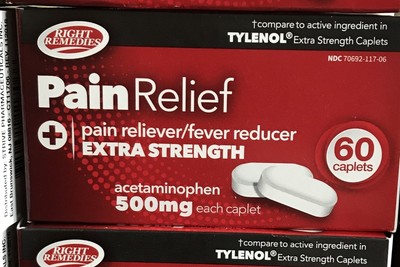
Cats are unable to metabolize acetaminophen and should never be given this medication. Due to the risk of toxicity, dogs should only be given this medication under veterinary guidance. It is important to note that acetaminophen may be present in multi-symptom cold and allergy products.