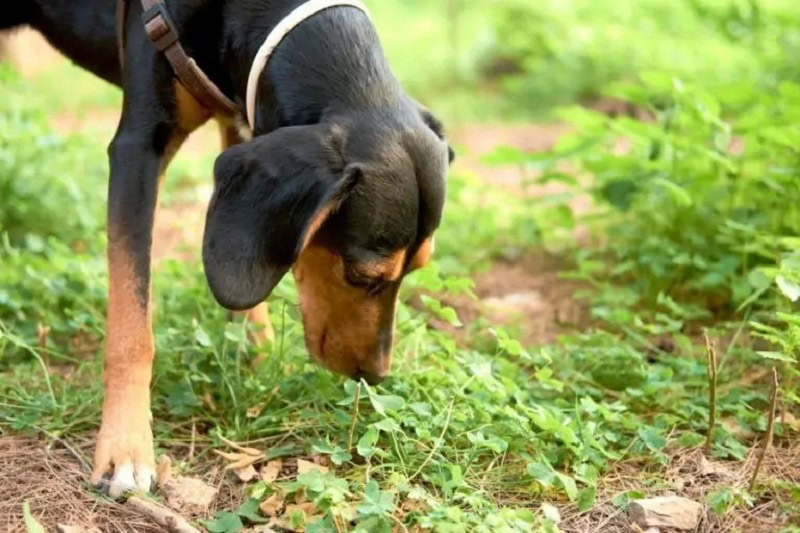
Dog anxiety solutions that stop stress-related grass eating. Learn to identify anxiety signs, use natural calming remedies, and reduce your dog's stress.
Discover why dogs eat grass due to boredom and anxiety, what it means, and how to help your furry friend. Expert tips from a trusted veterinary clinic in Tenafly, NJ.
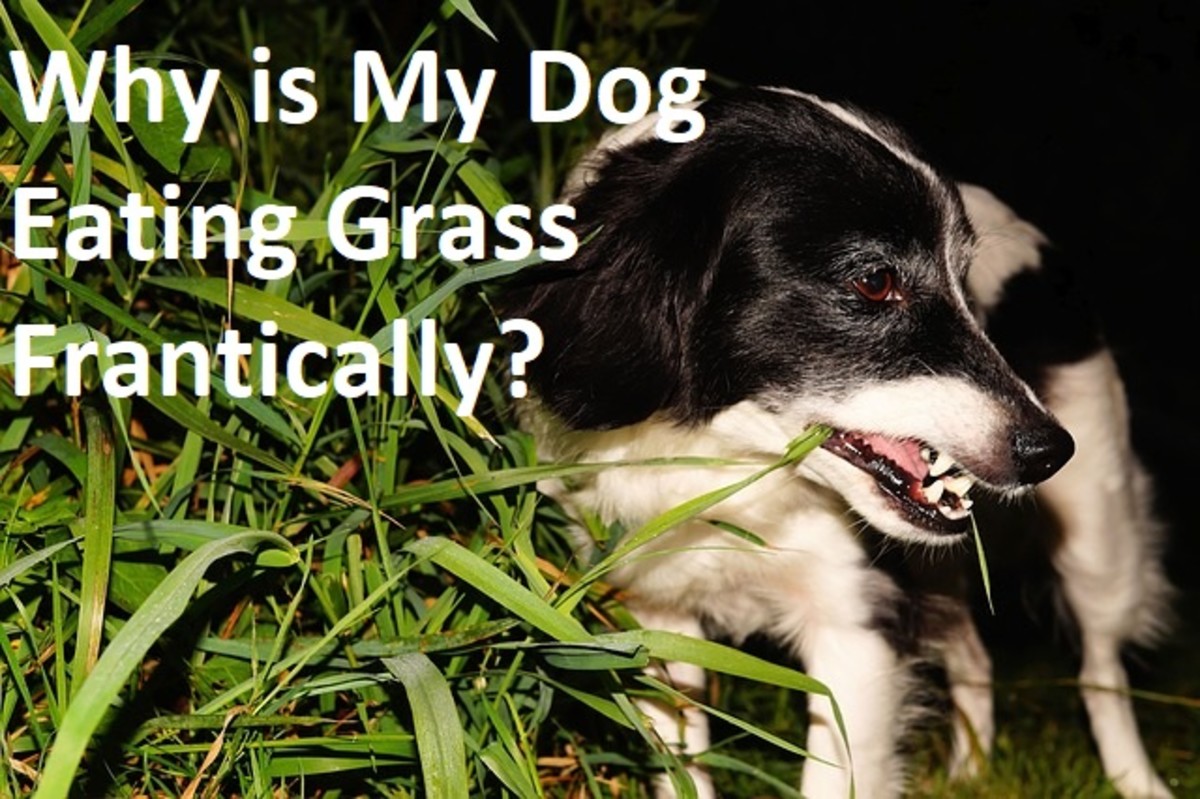
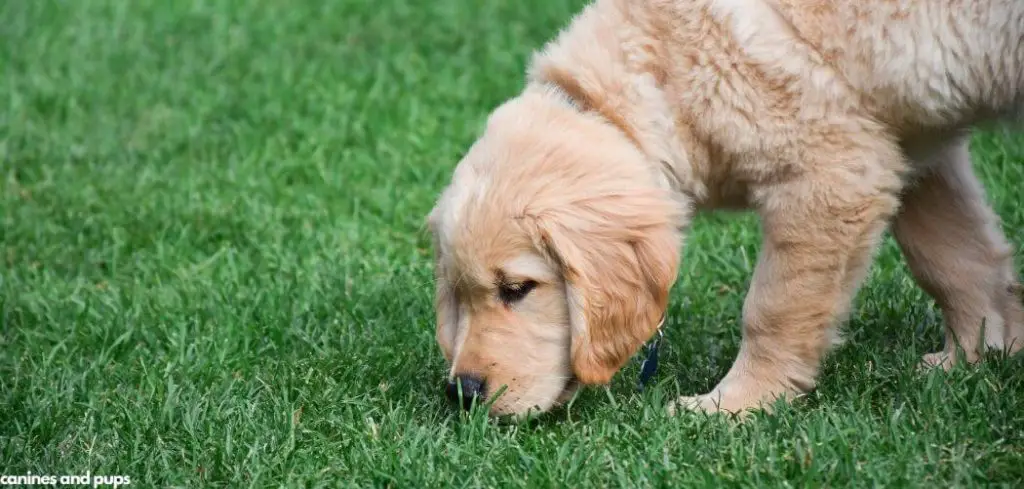
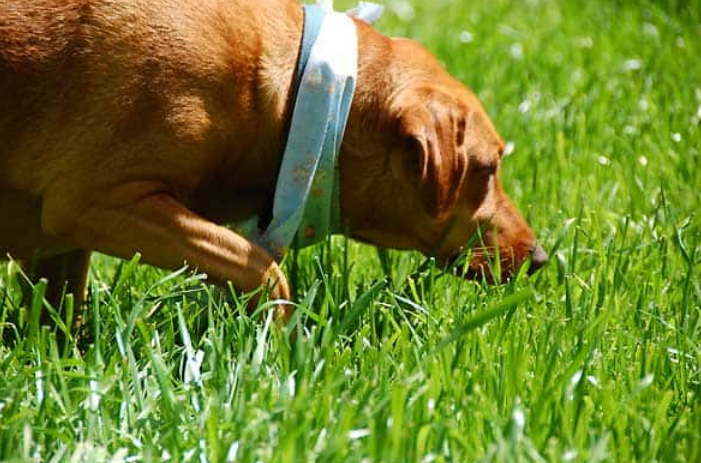
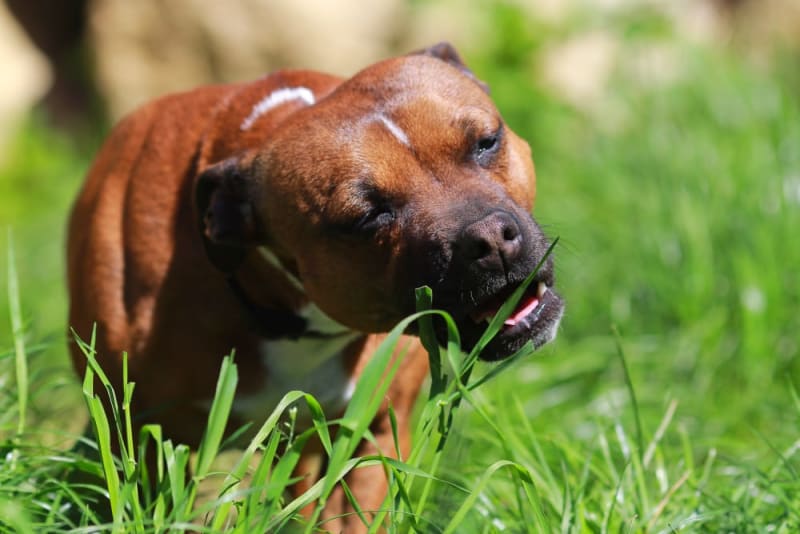
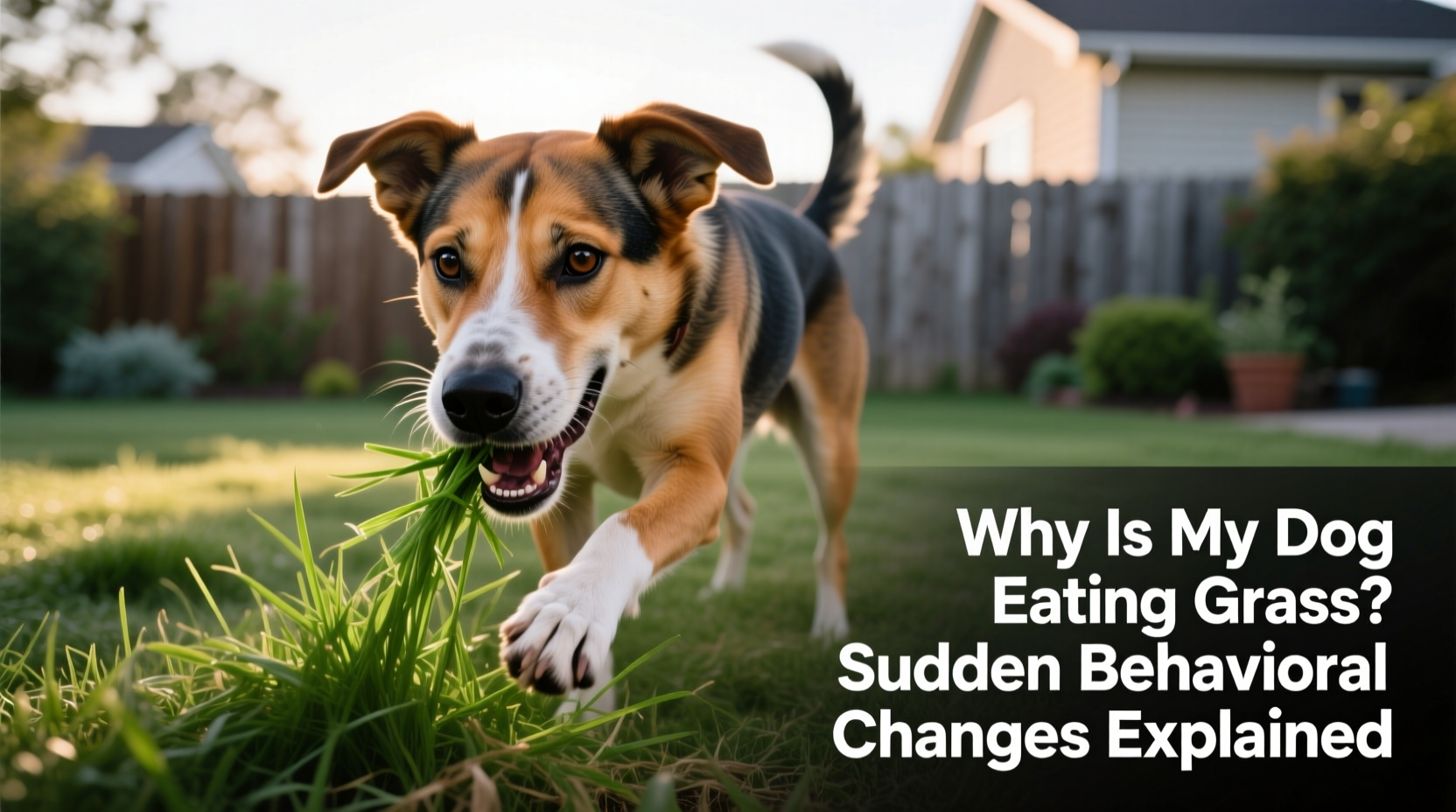
While occasional grazing may seem harmless, persistent grass-eating can sometimes signal an underlying issue that pet owners should not ignore. We outline the common reasons why a dog may constantly eat grass, what you can do at home, and when to seek veterinary help.
Such details provide a deeper understanding and appreciation for Canine Anxiety And Eating Behaviors Of Grass Plants Naturally.
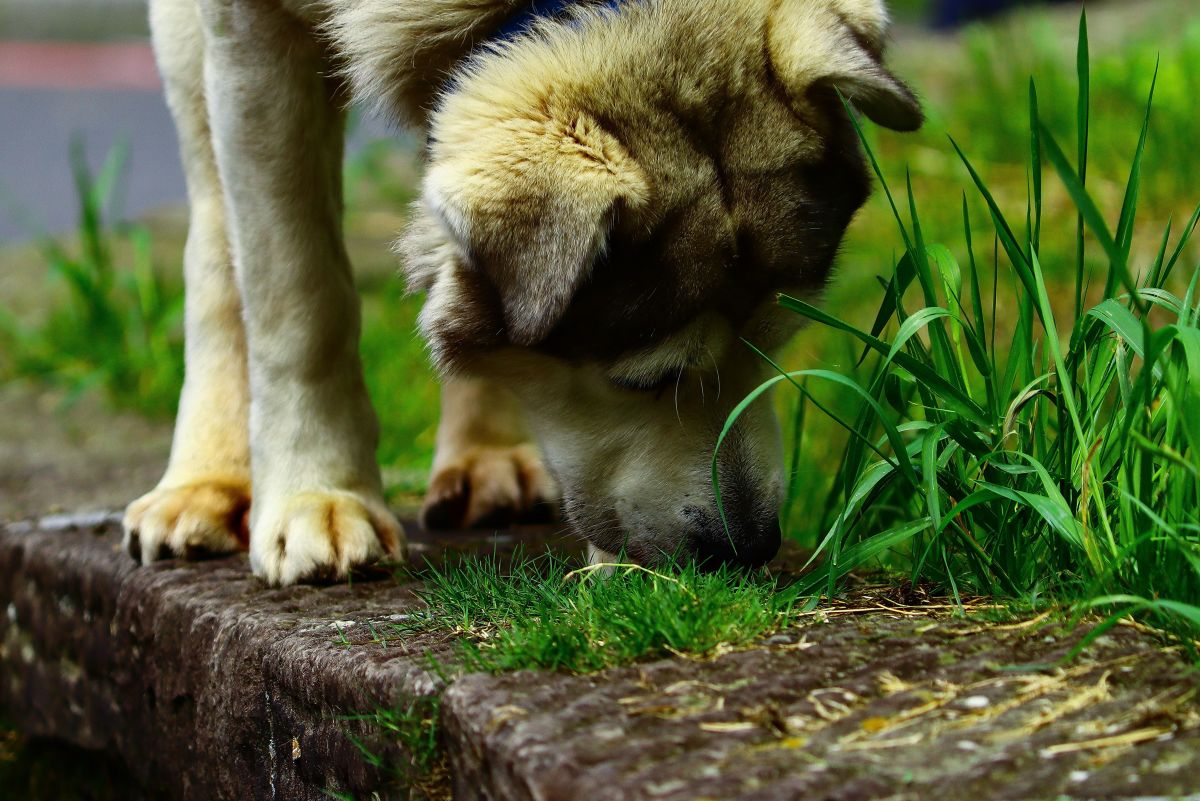
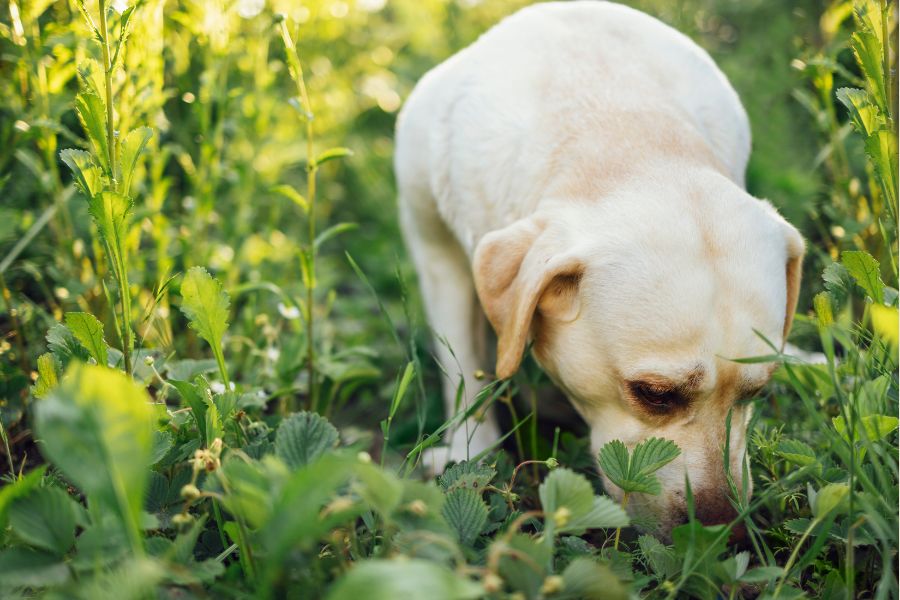
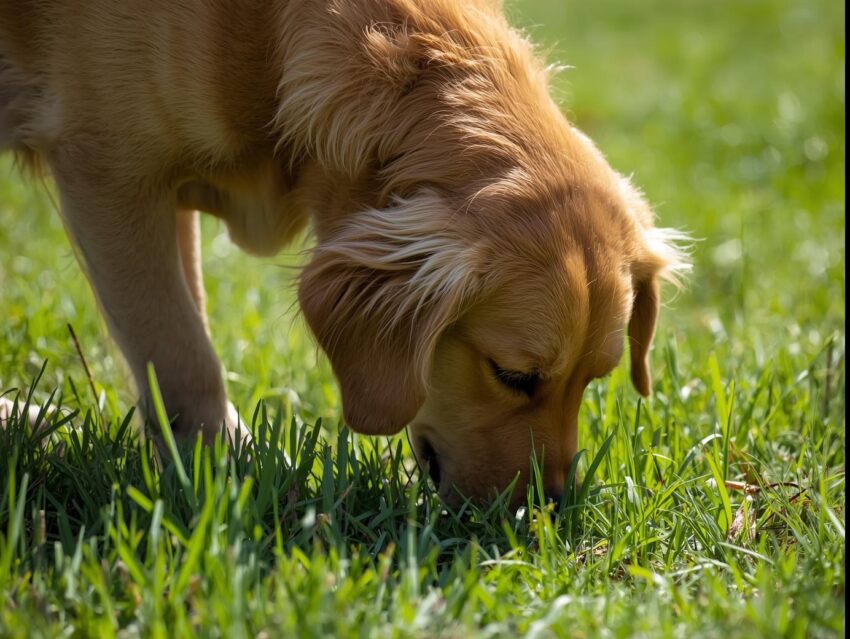
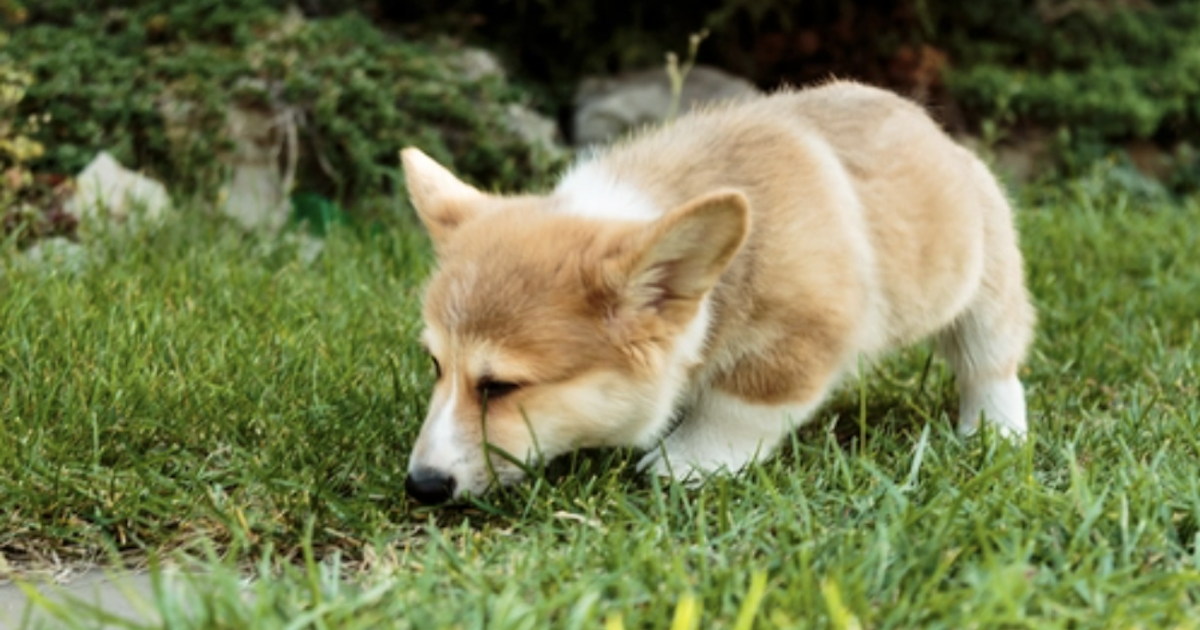
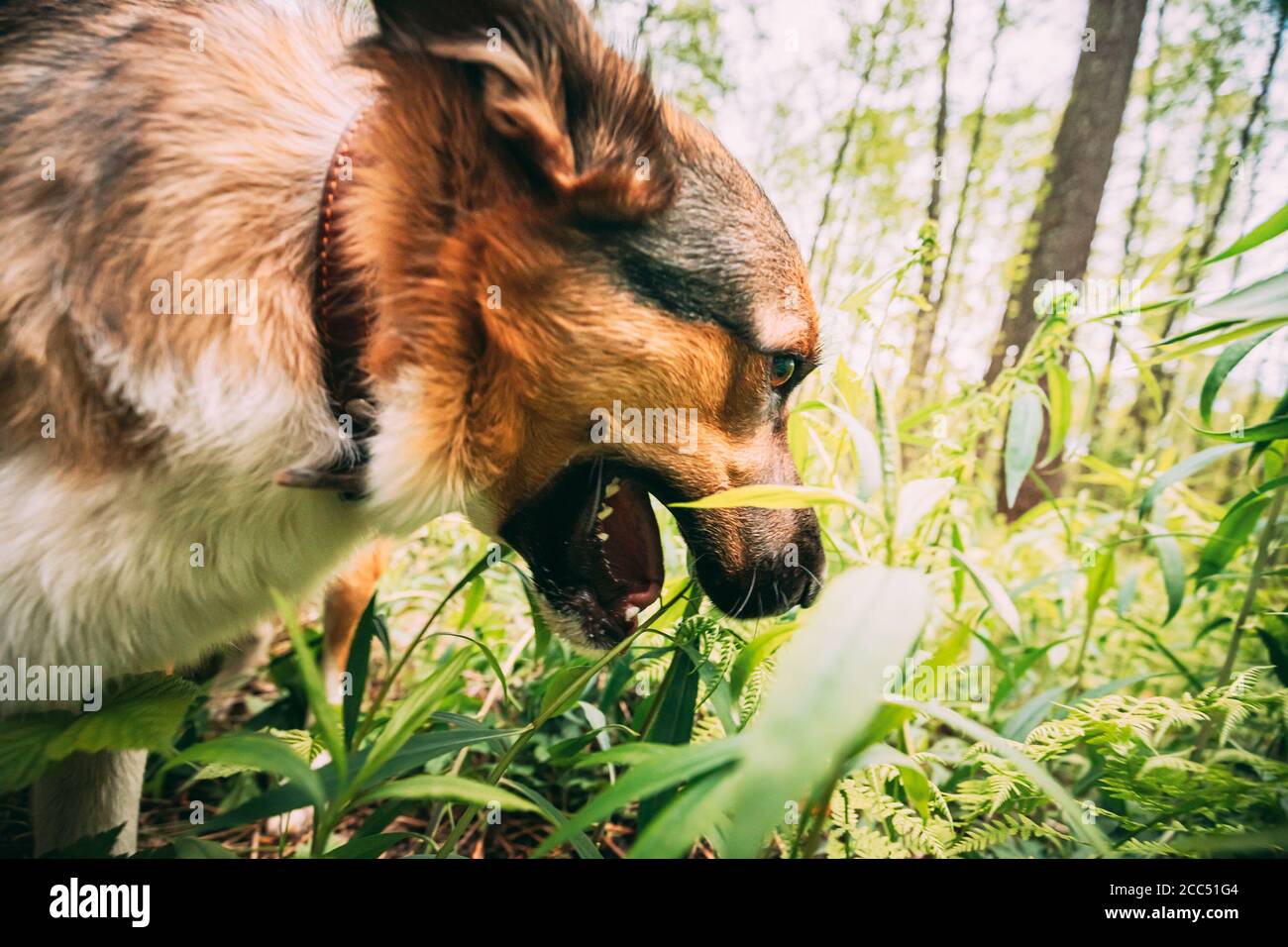
This ancestral trait has likely carried over into domestic dogs, manifesting as a natural urge to chew on plants like grass. Its not necessarily a sign of nutritional deficiency but rather a leftover instinct that serves various purposes.
While dog eating grass is normal in many cases, frequent grazing can signal boredom, digestive upset, or nutritional gaps. In this guide, well explain why dogs do it, when to worry, and share top 6 vet-approved methods to stop dog eating grass safely.

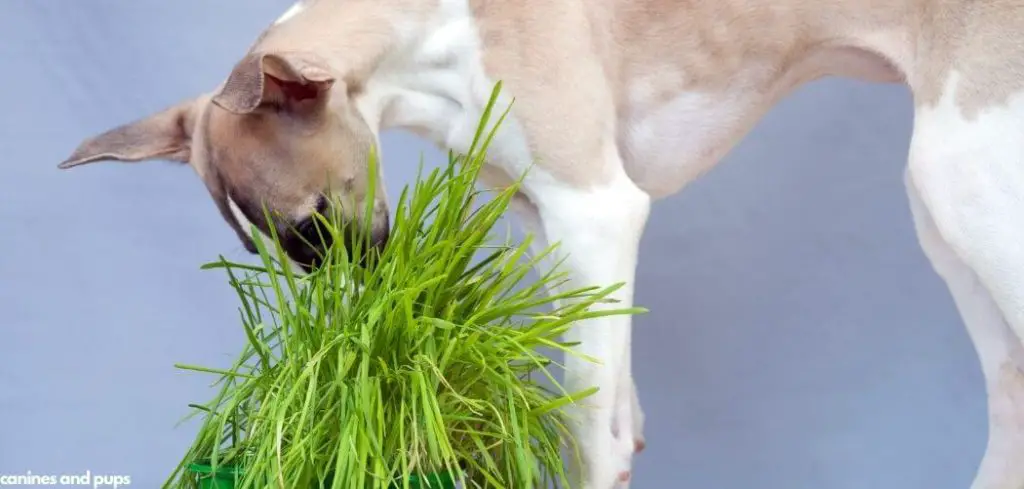
This natural foraging behavior is perfectly normal, even if it seems strange to us. To manage this instinctual behavior, provide dog-safe houseplants like wheatgrass for indoor pets to nibble. For outdoor dogs, designate a small area of pet-safe grass where they can safely indulge this natural urge without consuming chemically-treated lawn. 2.