Know the signs of IBD and IBS and how to diagnose and treat them. IBS is less common in dogs than IBD, but can have many different causes.
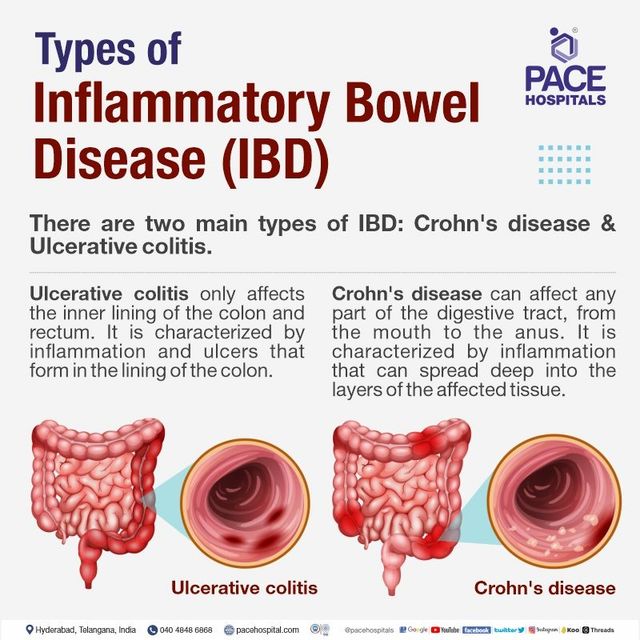
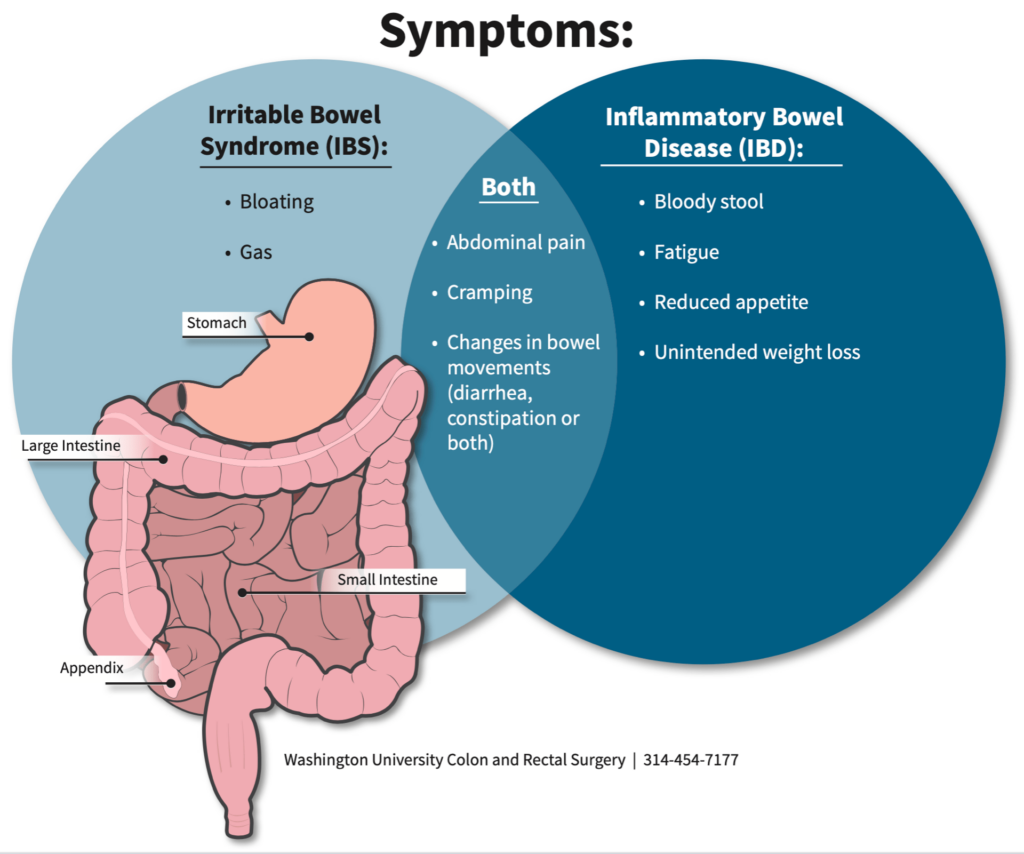
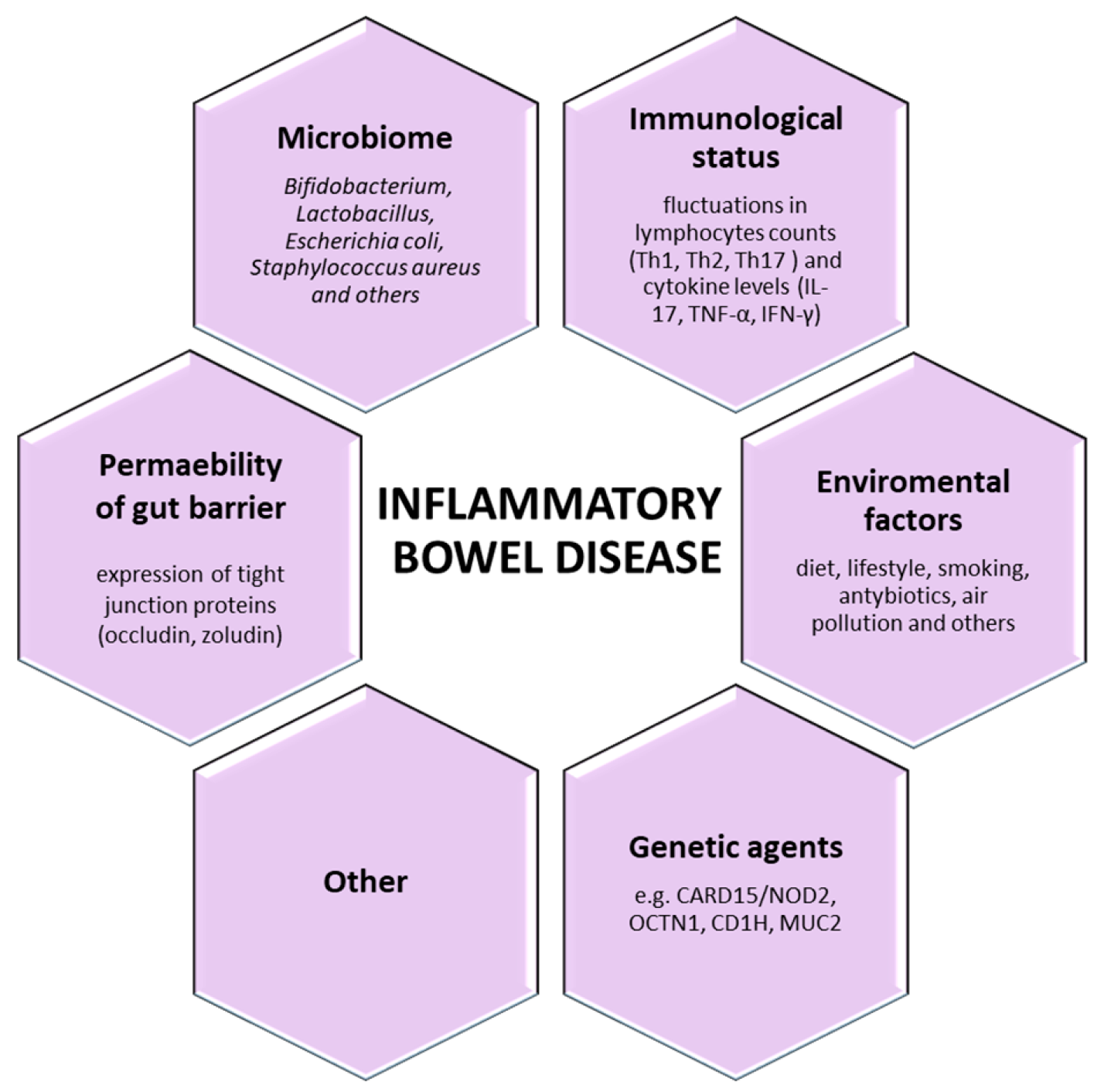
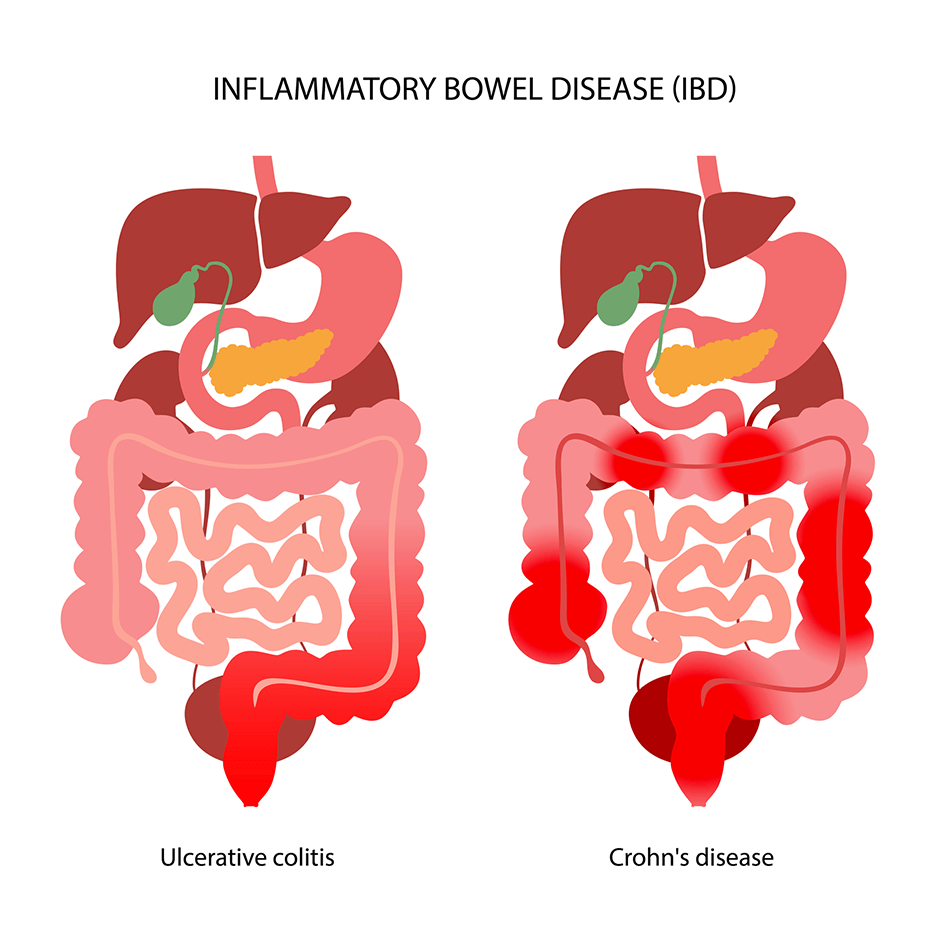
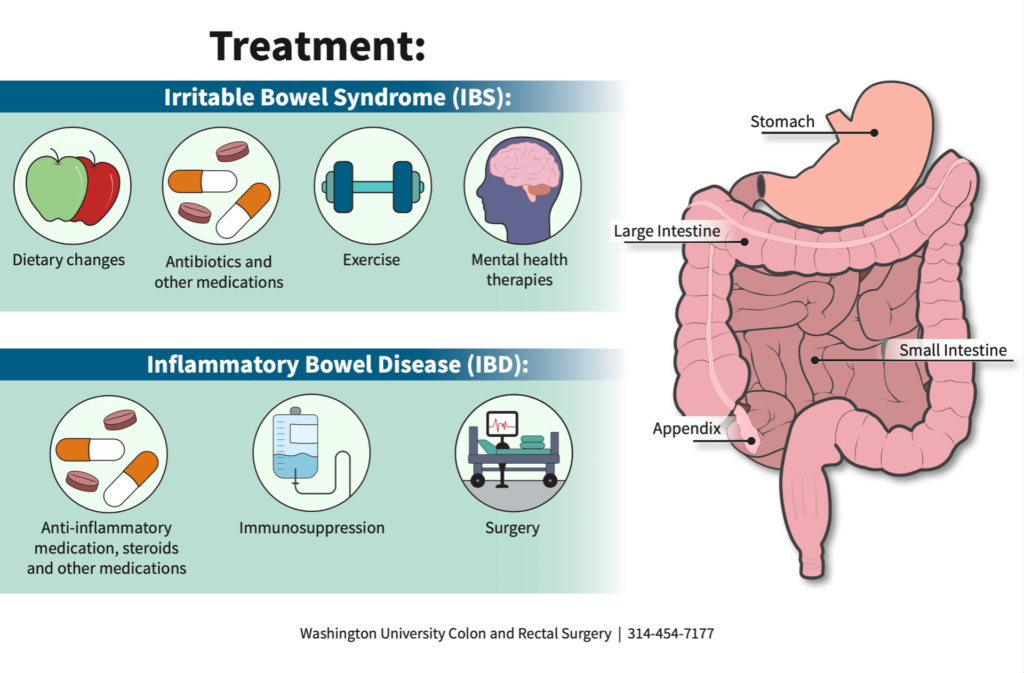
Inflammatory Bowel Disease (IBD) and Irritable Bowel Syndrome (IBS) are two gastrointestinal health issues that plague the bowels of both humans and dogs. They have similar symptoms, primarily chronic diarrhea. See full list on thedogtale.com No, IBS and IBD are different, and its possible to have both of them at the same time. IBS is a disorder of the gastrointestinal (GI) tract, and it primarily affects the large intestine. It is not well understood, and its often diagnosed only when other diagnoses are ruled out. Frequently, IBS is diagnosed based on discomfort in the GI tract, suc... See full list on thedogtale.com The following may be causes of IBS in dogs, although they are often debated: 1. Abnormal colonic myoelectrical activity and motility:abnormal colon activity and movement. 2. A low-fiber diet:Fiber is important for keeping the digestive tract working smoothly. It removes waste from the body. 3. Intolerance to certain foods:A food allergy, usually to... See full list on thedogtale.com Theories of the causes of IBD in dogs vary. However, there is mounting evidence that shows a link between intestinal microbiota (gut microorganisms) and IBD in dogs.3The general idea is that IBD is triggered by a sophisticated, abnormal interaction between the immune system, bacterial populations in the gut, diet, and other environmental factors. F... See full list on thedogtale.com IBD in dogs is serious, and a diagnosis should involve your veterinarian. Usually, a diagnosis involves blood work, and possibly an ultrasound, endoscopic biopsy, or fecal examination. Your vet may not be able to give a definitive diagnosis until the clinical signs last for at least four weeks, and theyve ruled out other gastrointestinal diseases.... See full list on thedogtale.com Improving or adjusting your dogs diet is likely to be the most important factor to treat both the symptoms and the underlying cause of IBD and IBS in dogs. One studystates, Mounting evidence suggests that nutrition influences GI microbiome composition and function, impacts extra-GI organs directly and indirectly, and has reshaped the field of mic... See full list on thedogtale.com In review, here are a few actions to take when your dog suffers from either IBS or IBD. Ask your veterinarian about how to do the following: 1. Avoid poor quality foods:foods that include GMOs, overly-processed kibbles, fillers (like corn, wheat, or soy as the main ingredients), or artificial ingredients (colors or preservatives). 2. Add foods high... See full list on thedogtale.com Dr. Dodds discusses Hemopet's perspective on the difference between Irritable Bowel Syndrome (IBS) and Inflammatory Bowel Disease (IBD) and treatment options. Many people get confused between inflammatory bowel disease (IBD) and irritable bowel syndrome (IBS). IBD is a physical disease in which the intestinal lining is infiltrated by inflammatory cells. The delicate intestinal lining becomes thickened, altering the absorption of nutrients. IBS in dogs affects the gastrointestinal tract's normal function, leading to symptoms like diarrhea, vomiting, and gas. While it shares symptoms with irritable bowl disease (IBD), IBS does not cause permanent structural changes to the GI tract. IBD can involve any part of the gastrointestinal (GI) tract, but most commonly affects the stomach and/or the intestines. If the stomach is involved, your dog will experience chronic vomiting. If the intestines are involved, your dog will have chronic diarrhea. Learn if your dog may be experiencing symptoms of IBD, why it's different from IBS in people, and how your vet can help manage and treat this condition.

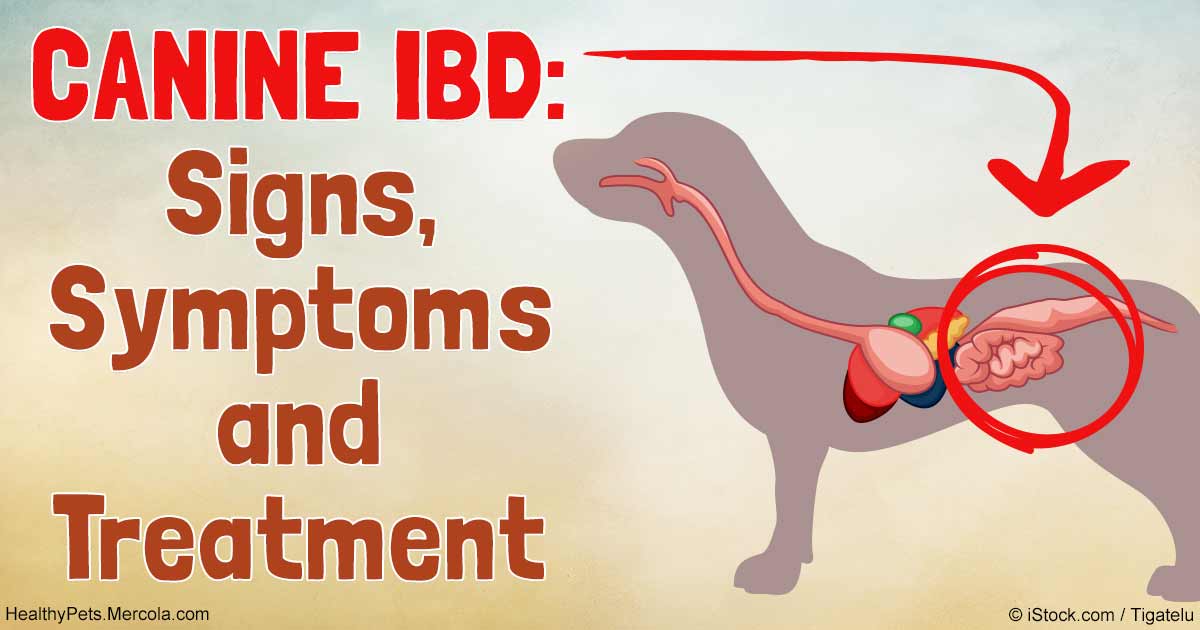
IBD can involve any part of the gastrointestinal (GI) tract, but most commonly affects the stomach and/or the intestines. If the stomach is involved, your dog will experience chronic vomiting. If the intestines are involved, your dog will have chronic diarrhea.
IBS in dogs affects the gastrointestinal tract's normal function, leading to symptoms like diarrhea, vomiting, and gas. While it shares symptoms with irritable bowl disease (IBD), IBS does not cause permanent structural changes to the GI tract.

.png?width=2400&height=1200&name=FUR-BLOG-IBD 2 (1).png "Inflammatory Bowel Disease (IBD) in Dogs: Signs & Treatment")




.png?width=4800&height=2400&name=FUR-BLOG-IBD 3 (1).png "Inflammatory Bowel Disease (IBD) in Dogs: Signs & Treatment")






.png?width=800&name=FUR-BLOG-IBD Featured (1).png "Inflammatory Bowel Disease (IBD) in Dogs: Signs & Treatment")