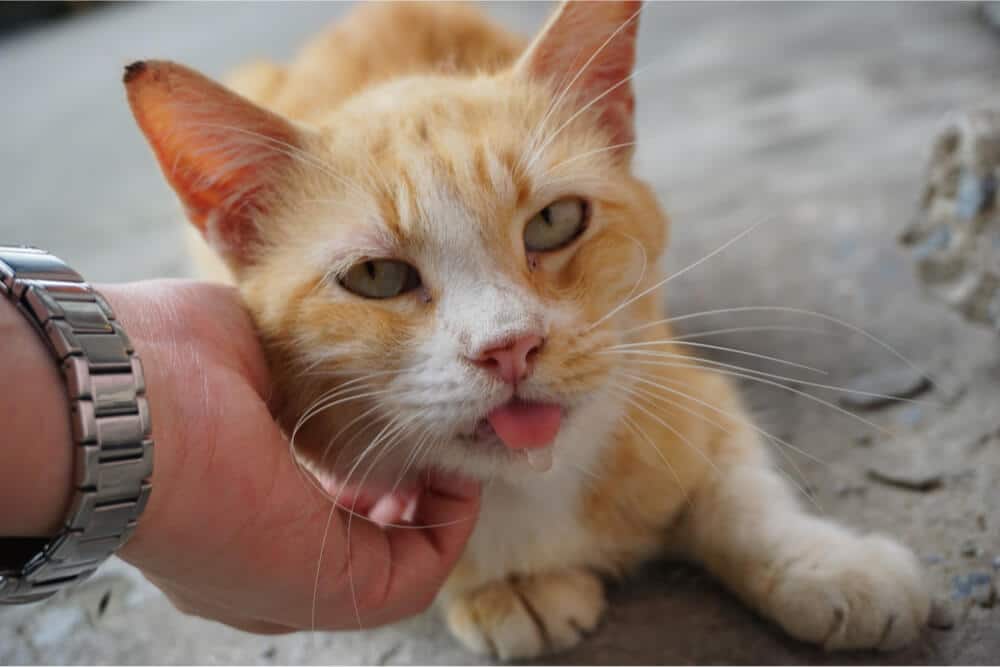
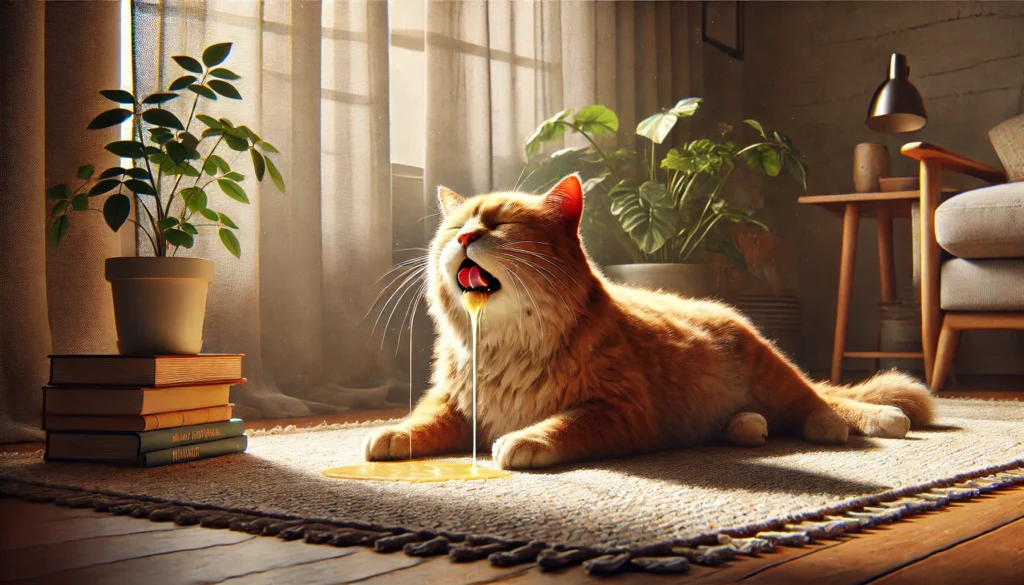
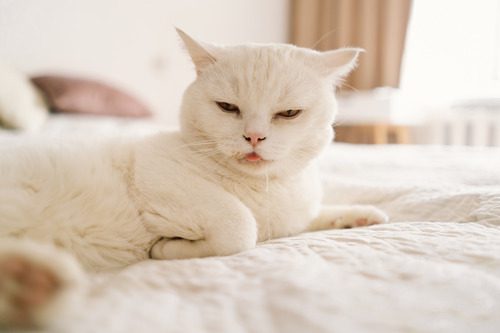
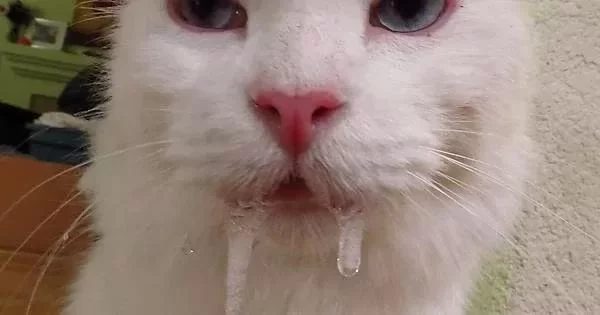
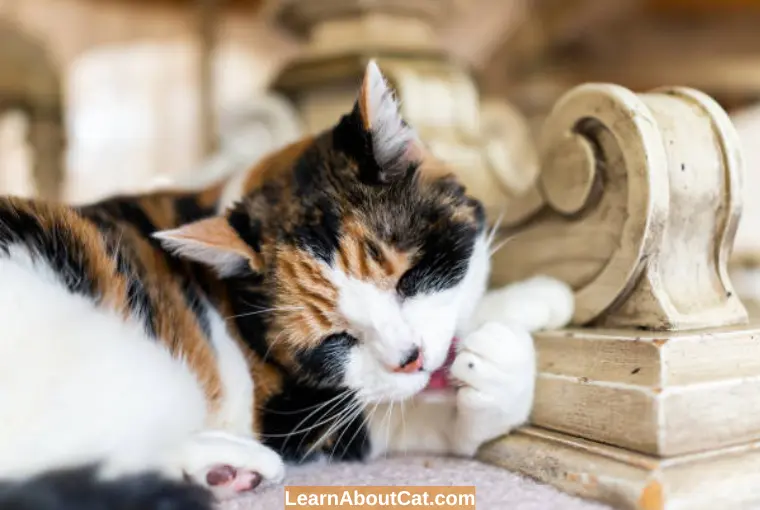
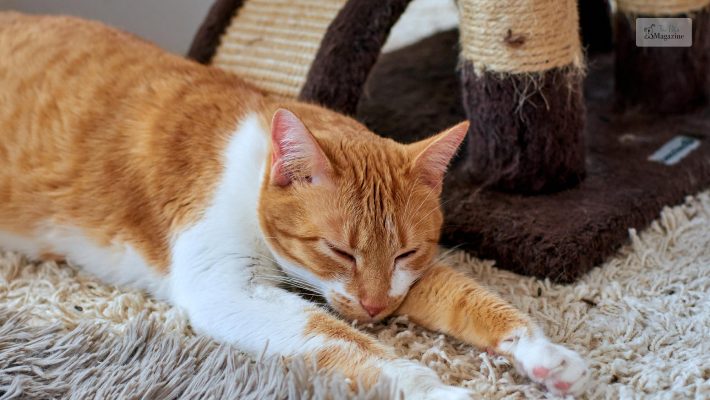
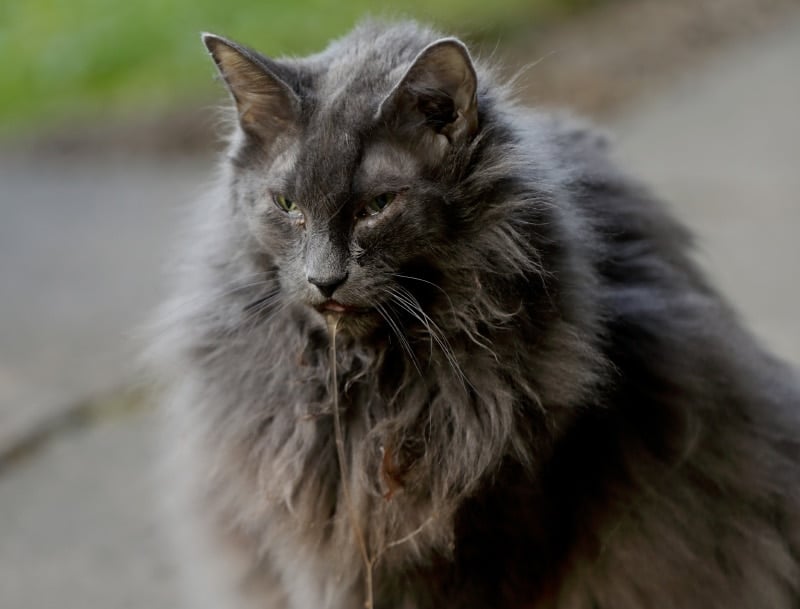
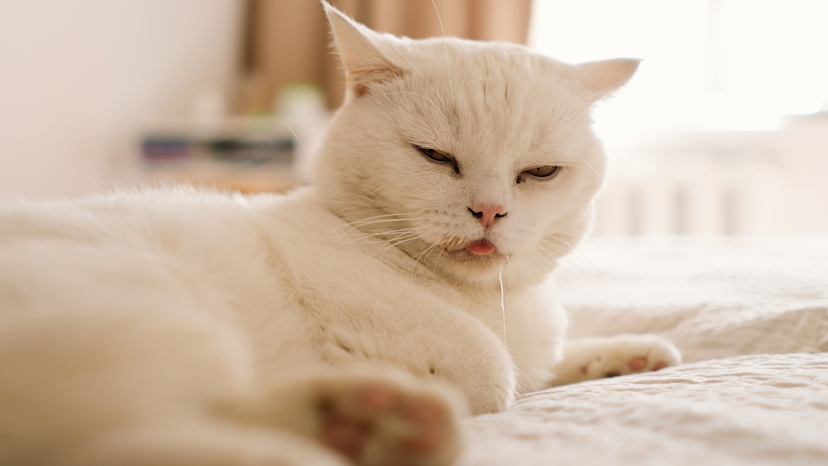
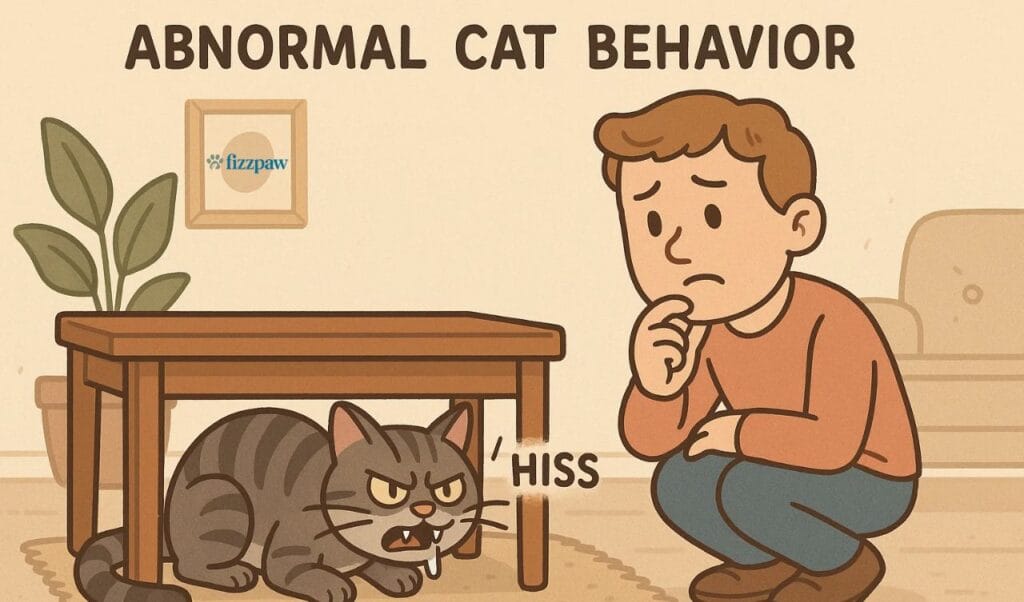
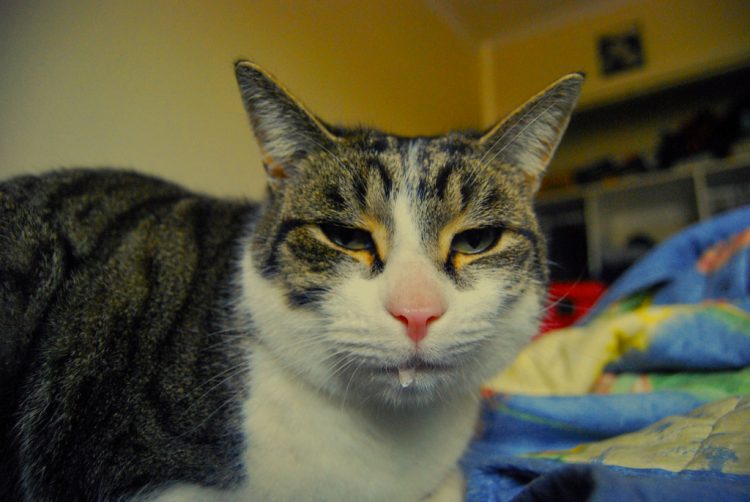
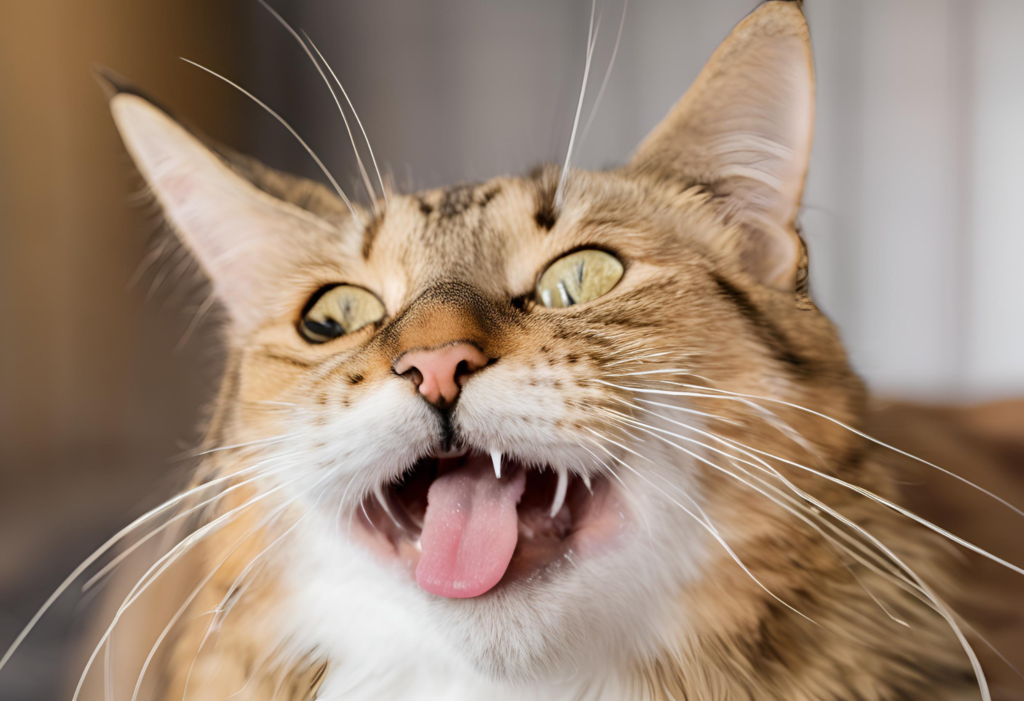
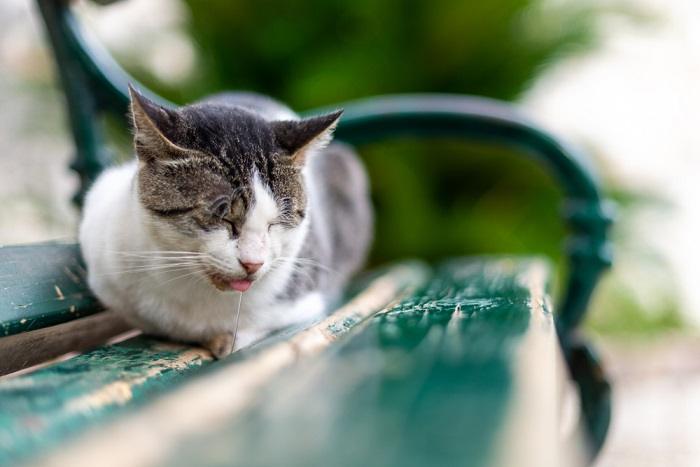
Normal drooling in cats often occurs during play or relaxation, typically producing clear, minimal saliva without signs of distress. Abnormal drooling, however, is excessive, persistent, or accompanied by symptoms such as pawing at the mouth, bad breath, or behavioral changes, indicating possible dental disease, poisoning, or systemic illness.
Cat drooling can be normal during purring or kneading, but it might signal health issues. Learn when to act and consult a vet for your pet's well-being.
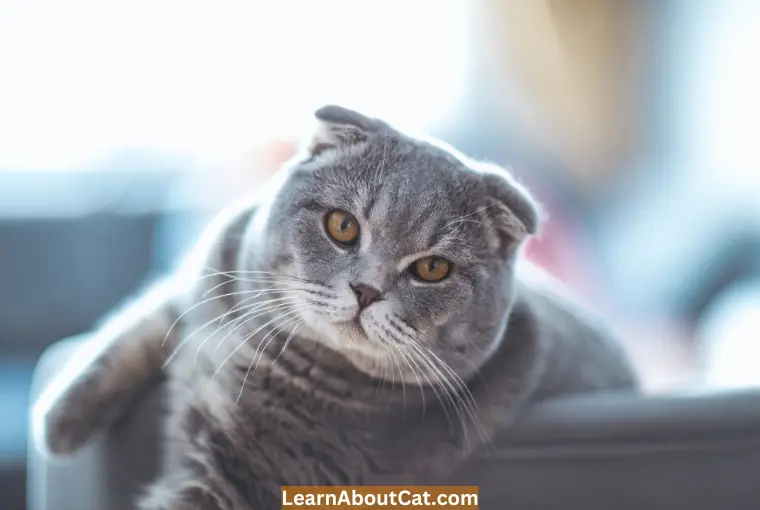
Wondering why cats drool? Learn when cat drooling is normal and when its a cat health concern. Find causes, signs, and tips for excessive drooling.

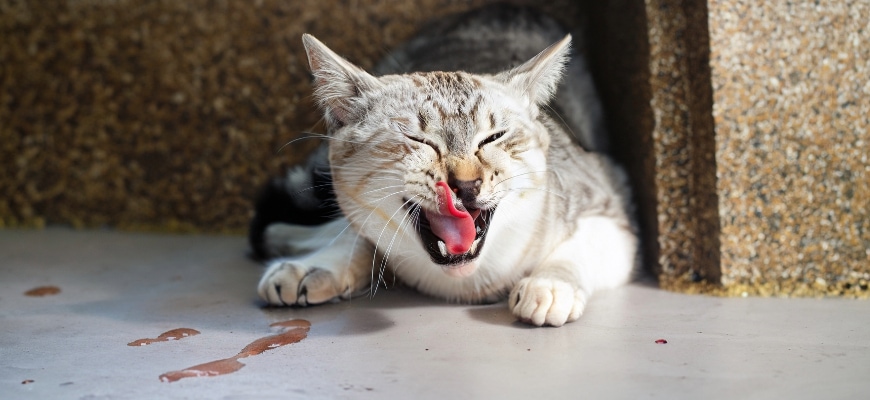
This particular example perfectly highlights why Cat Excessive Pawing And Drooling During Excitement And Play is so captivating.
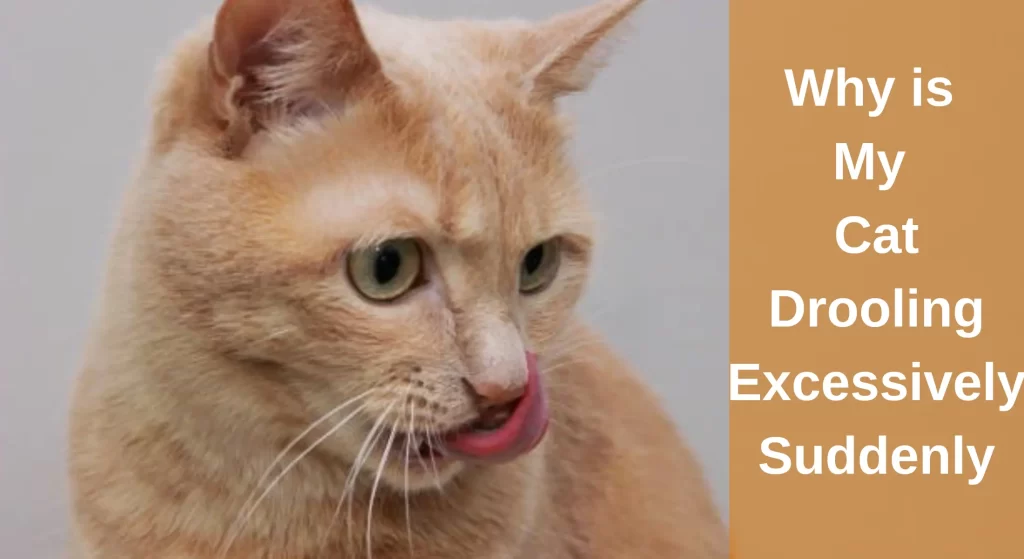
Cats may drool for simple, harmless reasons like relaxation or excitement, but unusual or sudden drooling often signals an underlying issue that deserves attention. When cat drooling appears out of nowhere or becomes excessive, it usually indicates discomfort, stress, dental issues, or another medical concern that needs prompt evaluation from a veterinarian. Understanding why cats drool and ...

Such details provide a deeper understanding and appreciation for Cat Excessive Pawing And Drooling During Excitement And Play.
Cats may drool because of stress, nausea, or excitement. Explore more common reasons why your cat is drooling and what you can do to help them.
cat thats drooling and refusing food, tilting their head while eating, or dropping kibble is telling you something hurts. Cats are stoic animals, so by the time you notice behavioral changes alongside the drooling, the underlying problem has often been building for a while.