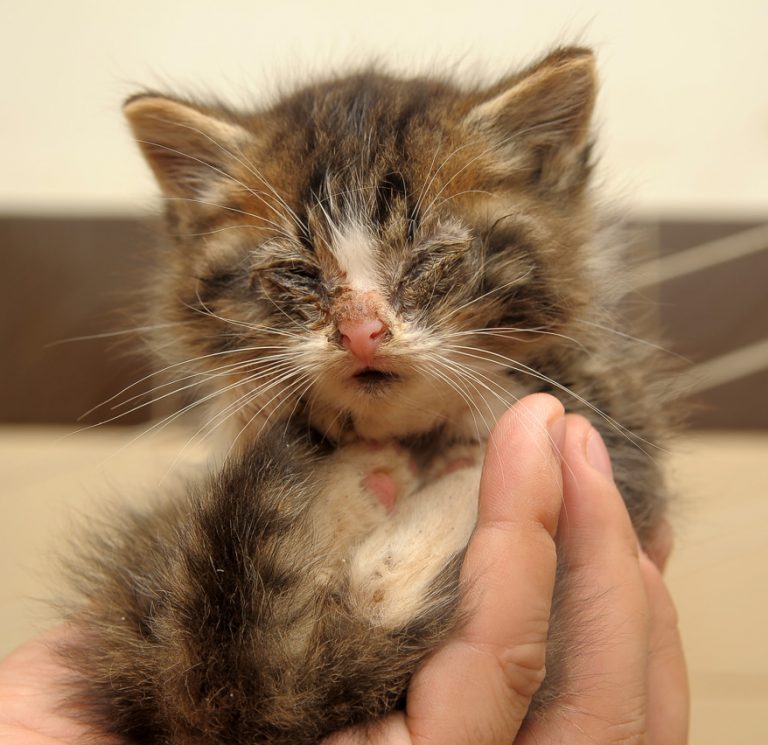
The disease is more likely to occur in cats with suppressed immune systems, including young kittens and cats with feline leukemia virus (FeLV) or feline immunodeficiency virus (FIV). The most common symptoms of toxoplasmosis include fever, loss of appetite, and lethargy.
It is reported that an immunosuppressed cat may develop systemic toxoplasmosis with extraintestinal spread of tachyzoites following initial exposure or reactivation of tissue cysts (1).
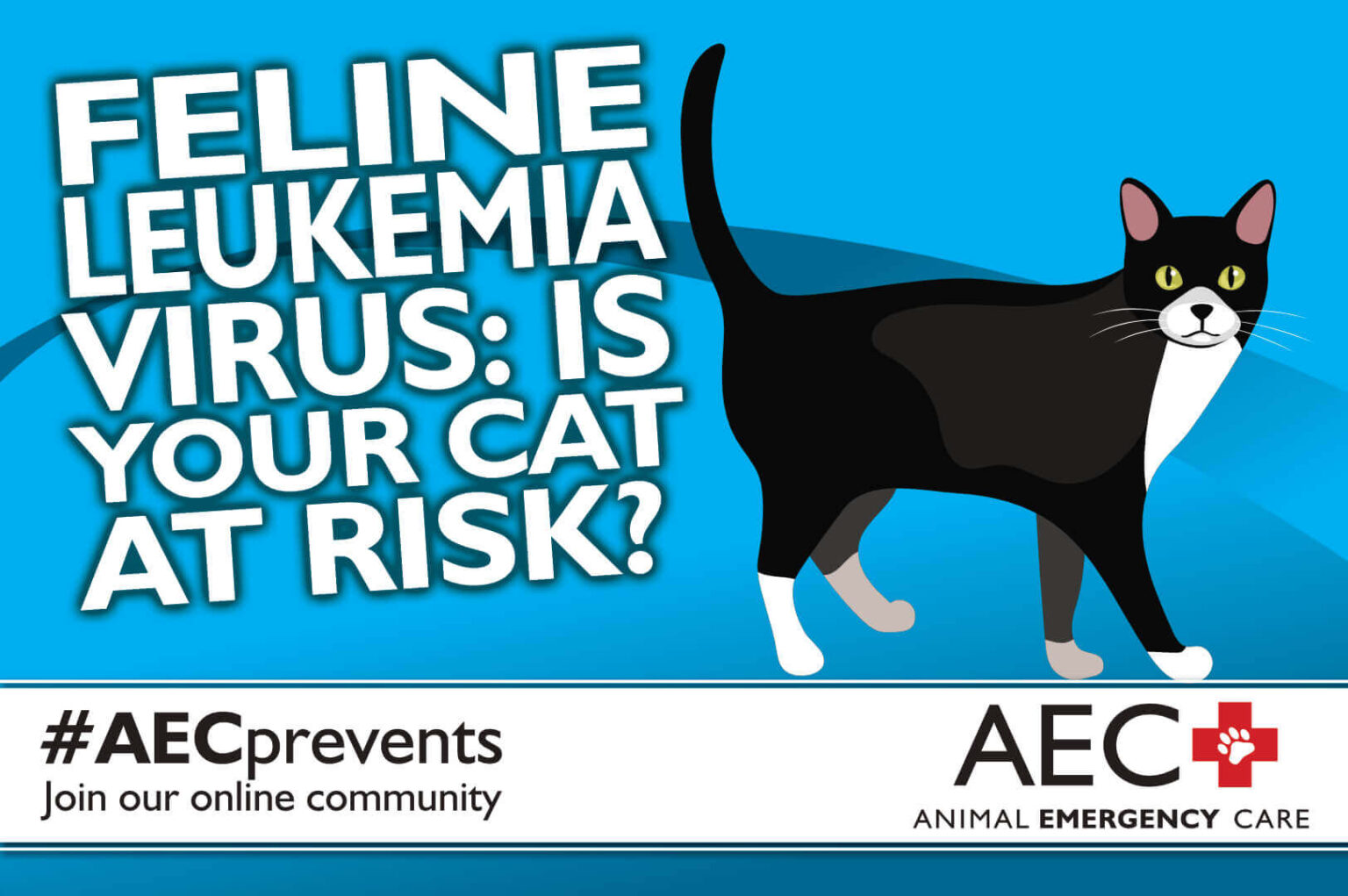
FeLV is a deadly virus in cats, causing cancer and immune issues. Learn to spot symptoms and keep your cat safe from infection.

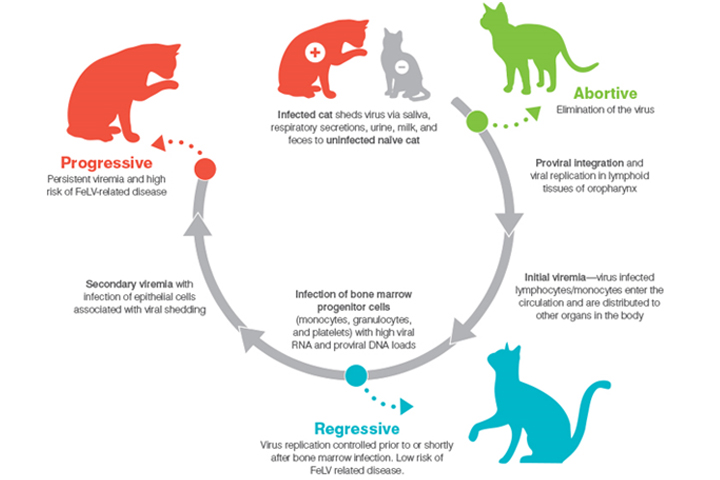
Feline leukemia virus is transmitted between cats via infected saliva and urine. Direct contact with these body fluids, mutual grooming, shared litter boxes and food dishes, and fighting (bite wounds) all expose uninfected cats to the virus.
Discover how feline leukemia in cats spreads, its symptoms, and how to protect your cat through testing, vaccination, and early care.
This particular example perfectly highlights why Cat Toxoplasma Exposure Symptoms Feline Leukemia Virus is so captivating.
Feline leukemia (FeLV) is a contagious disease and is the most common cause of cancer in cats. Find out how you can protect your cats from catching this incurable virus.