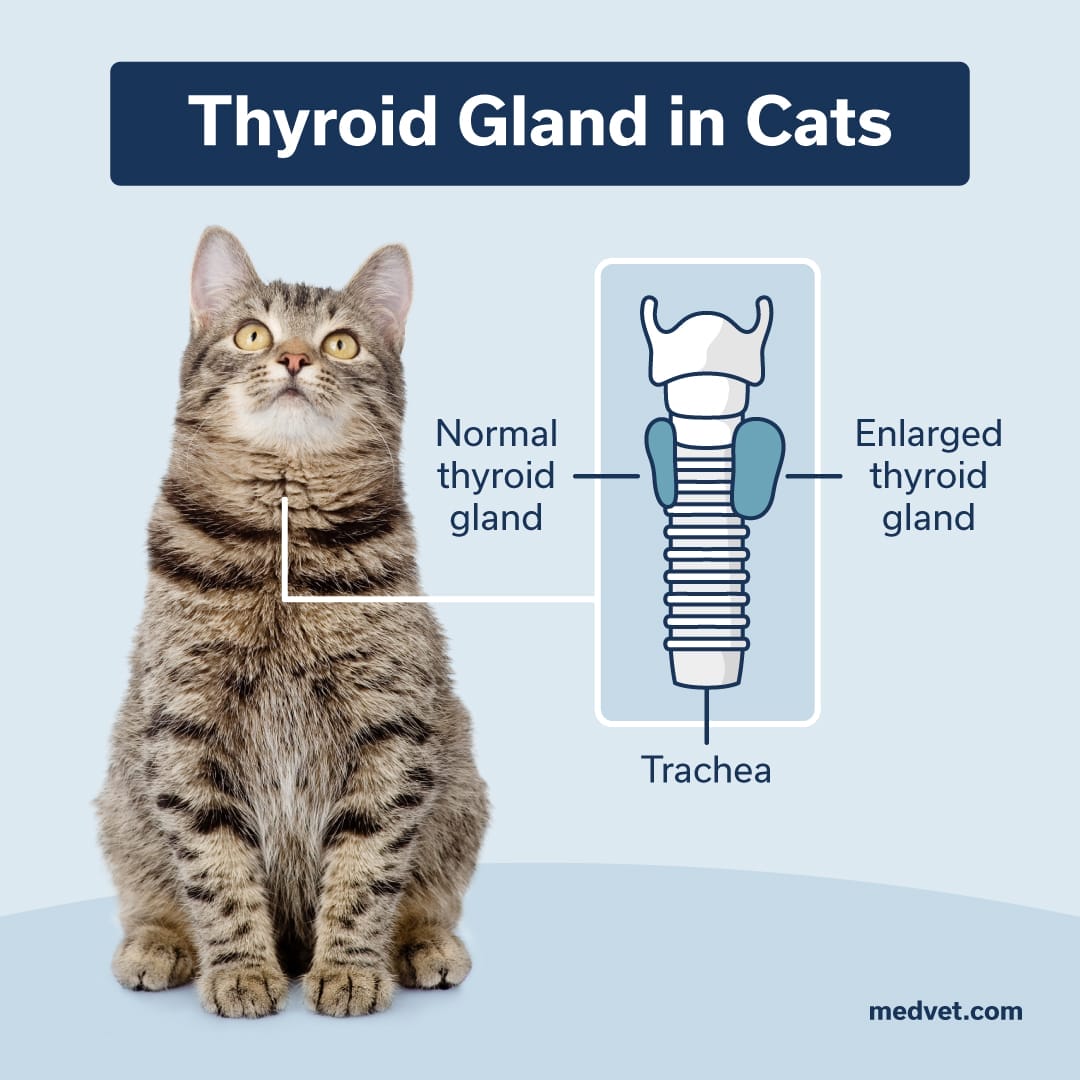
Studies have reported that hyperthyroid cats have UTIs (mostly subclinical) with prevalence rates of 12%22%. Consequently, clinicians consider hyperthyroidism a risk factor for development of subclinical bacteriuria, and many recommend urine culture when evaluating hyperthyroid cats.
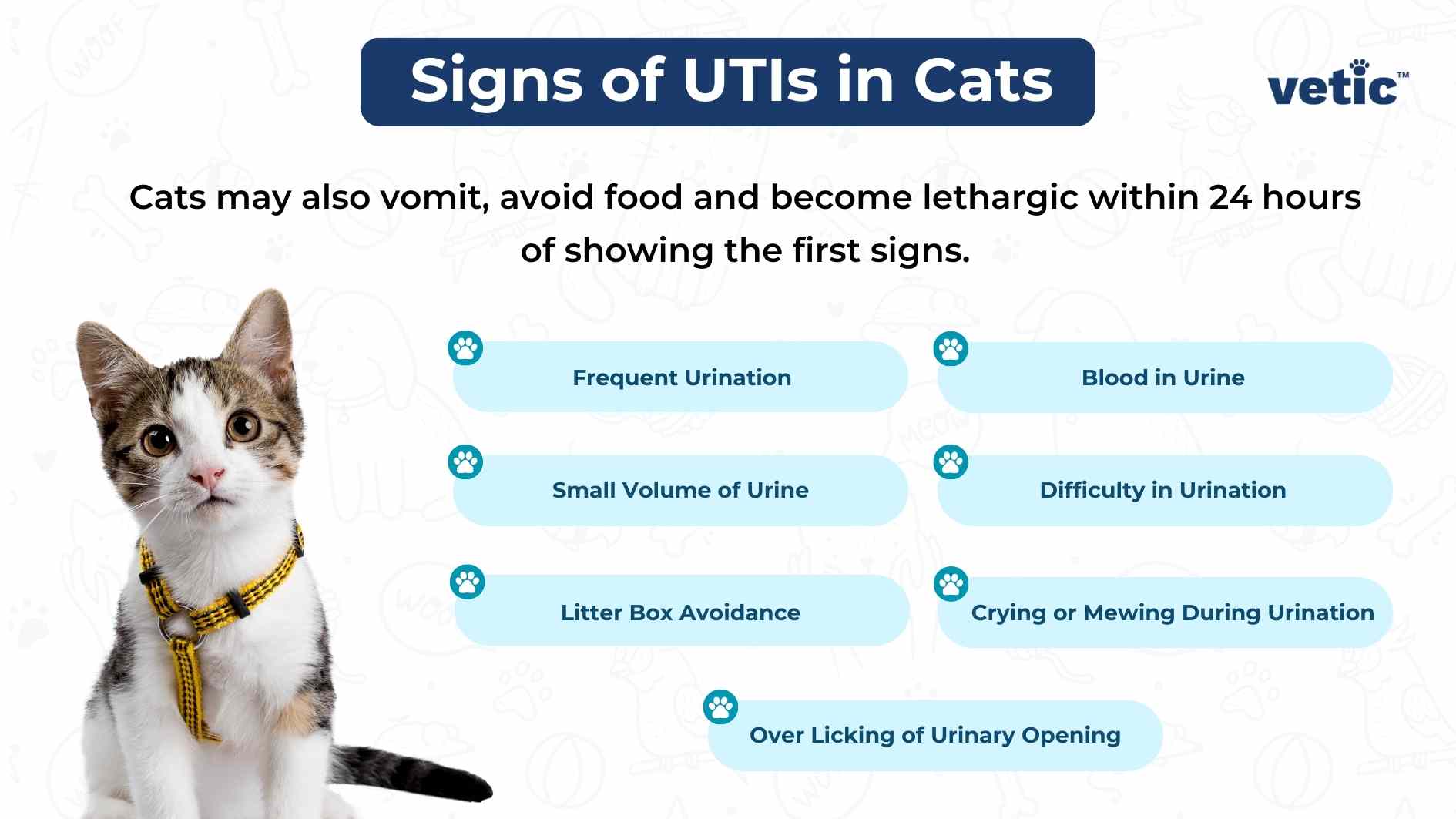
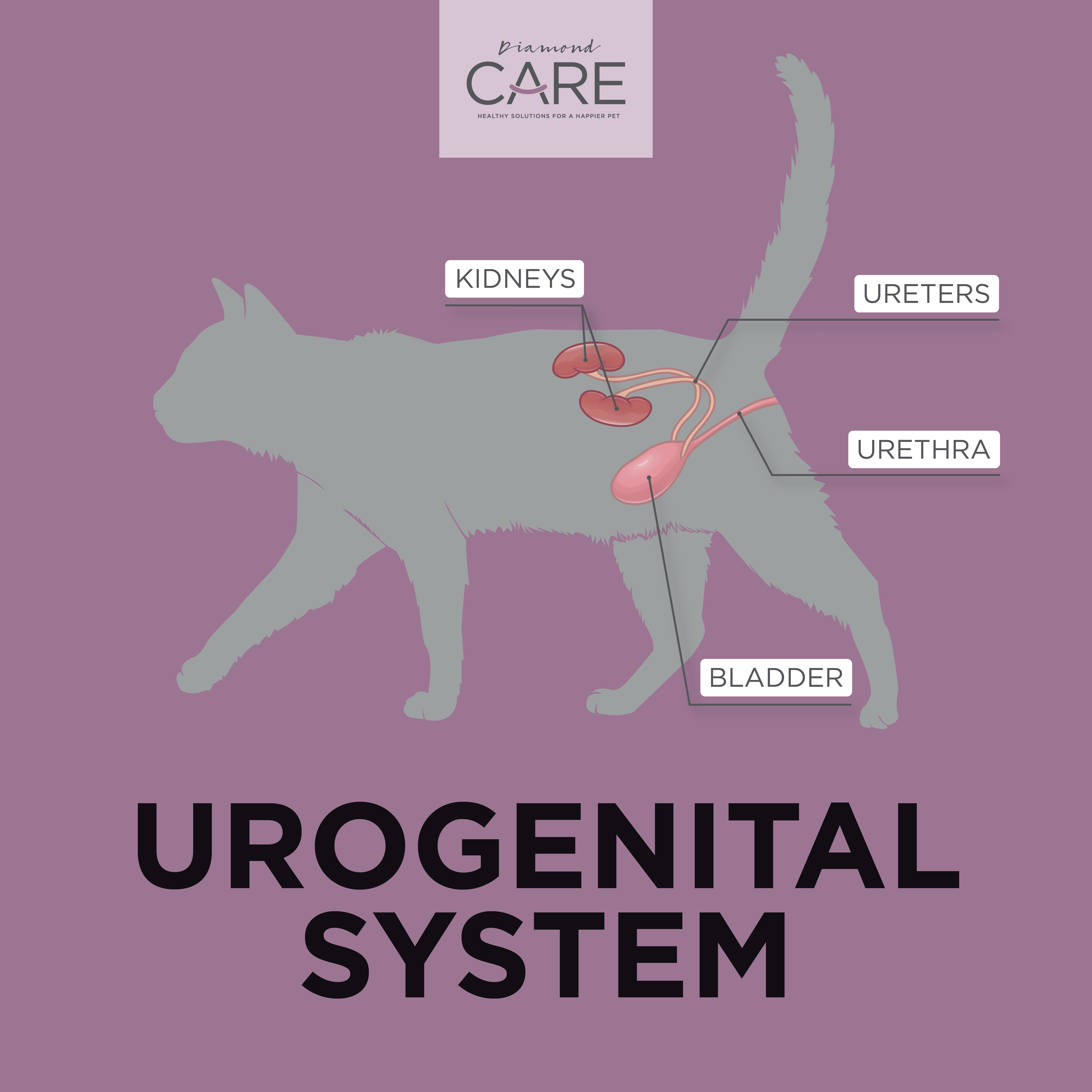
Older cats with hyperthyroidism frequently have concurrent renal disease or UTI. Concurrent diseases can suppress total thyroid hormone measurements in cats and confuse the diagnosis of hyperthyroidism. GFR is increased by the hyperthyroid state and declines over the first month after treatment. Hyperthyroid cats with concurrent renal disea... See full list on dvm360.com Although cats may not demonstrate polyuria/polydipsia in as dramatic a fashion as dogs, a change in water intake or increase in urine in the litter box warrants further investigation. Owners will readily notice a change in habits if a cat begins to empty the water bowl or seeks water from other sources, such as a dog bowl, sink, faucet or shower. P... See full list on dvm360.com High circulating thyroid hormone directly impacts renal blood flow and the hemodynamic forces favoring glomerular filtration. Filtration forces and tubular functions are increased. In the short term, hyperfiltration will preserve total GFR even if the kidneys have lost functional nephrons. In cats with marginal renal function, treatment of hyperthy... See full list on dvm360.com Chronic kidney disease is usually discovered by finding alterations in renal structure, urine concentrating ability, biochemical indicators (BUN, creatinine) or persistent proteinuria. In a hyperthyroid cat, however, urine specific gravity is a unreliable indicator of renal function; BUN and creatinine can be affected by dehydration (or conversely,... See full list on dvm360.com Because older cats often suffer from hypertensive disorders (hyperthyroidism, diabetes mellitus, chronic kidney disease, or idiopathic hypertension), serial monitoring of blood pressure, fundic examination and urine protein:creatinine ratio should be part of the management strategy. UPC serves as a key marker for the risk of, and progression of CKD... See full list on dvm360.com Bacterial urinary tract infections are rare in young cats, but the risk increases in older cats and in cats with concurrent diseases. In two studies, 12 - 21% of cats with hyperthyroidism had a positive urine culture. Risk also can be considered greater in cats with concurrent CKD or diabetes mellitus. Urine cultures certainly should be performed d... See full list on dvm360.com Hyperthyroidism can be diagnosed in most affected cats with a single total T4 (TT4) measurement. In geriatric cats with chronic kidney disease, hypertensive disease, urinary tract infection, or any other nonthyroidal illness, TT4 may be suppressed into the reference range, making confirmation of hyperthyroidism more difficult. In these situations, ... See full list on dvm360.com Treatment strategies will depend on the individual cat. Specific treatments can be applied for systemic hypertension, urinary tract infection, dehydration or electrolyte abnormalities. Cats with evidence of chronic kidney disease are likely to benefit from dietary and other modifications as indicated for renal disease. In most cats, even those with... See full list on dvm360.com View all Learn about cat bladder infections and UTIs in cats, including symptoms, causes, and treatments. Learn about the veterinary topic of Infectious Diseases of the Urinary System of Cats. Find specific details on this topic and related topics from the MSD Vet Manual. Lower urinary tract signs (LUTS) such as dysuria, haematuria, periuria, pollakiuria and stranguria can occur as the result of a variety of underlying conditions and diagnostic investigation is required to uncover the underlying cause and select appropriate treatment. Studies have reported that hyperthyroid cats have UTIs (mostly subclinical) with prevalence rates of 12%-22%. Consequently, clinicians consider hyperthyroidism a risk factor for development of subclinical bacteriuria, and many recommend urine culture when evaluating hyperthyroid cats. ower Urinary Tract Disease (FLUTD), a condition that affects the bladder and urethra. While UTIs are relatively uncommonaffecting only 13% of cats wi. h urinary symptomsthey can be painful and potentially dangerous if left untreated. This paper explores the causes, symptoms, diagnosis, treatment, and prevention of fe.

Such details provide a deeper understanding and appreciation for Cat Urine Tract Infection And Thyroid Disease.
Studies have reported that hyperthyroid cats have UTIs (mostly subclinical) with prevalence rates of 12%-22%. Consequently, clinicians consider hyperthyroidism a risk factor for development of subclinical bacteriuria, and many recommend urine culture when evaluating hyperthyroid cats.