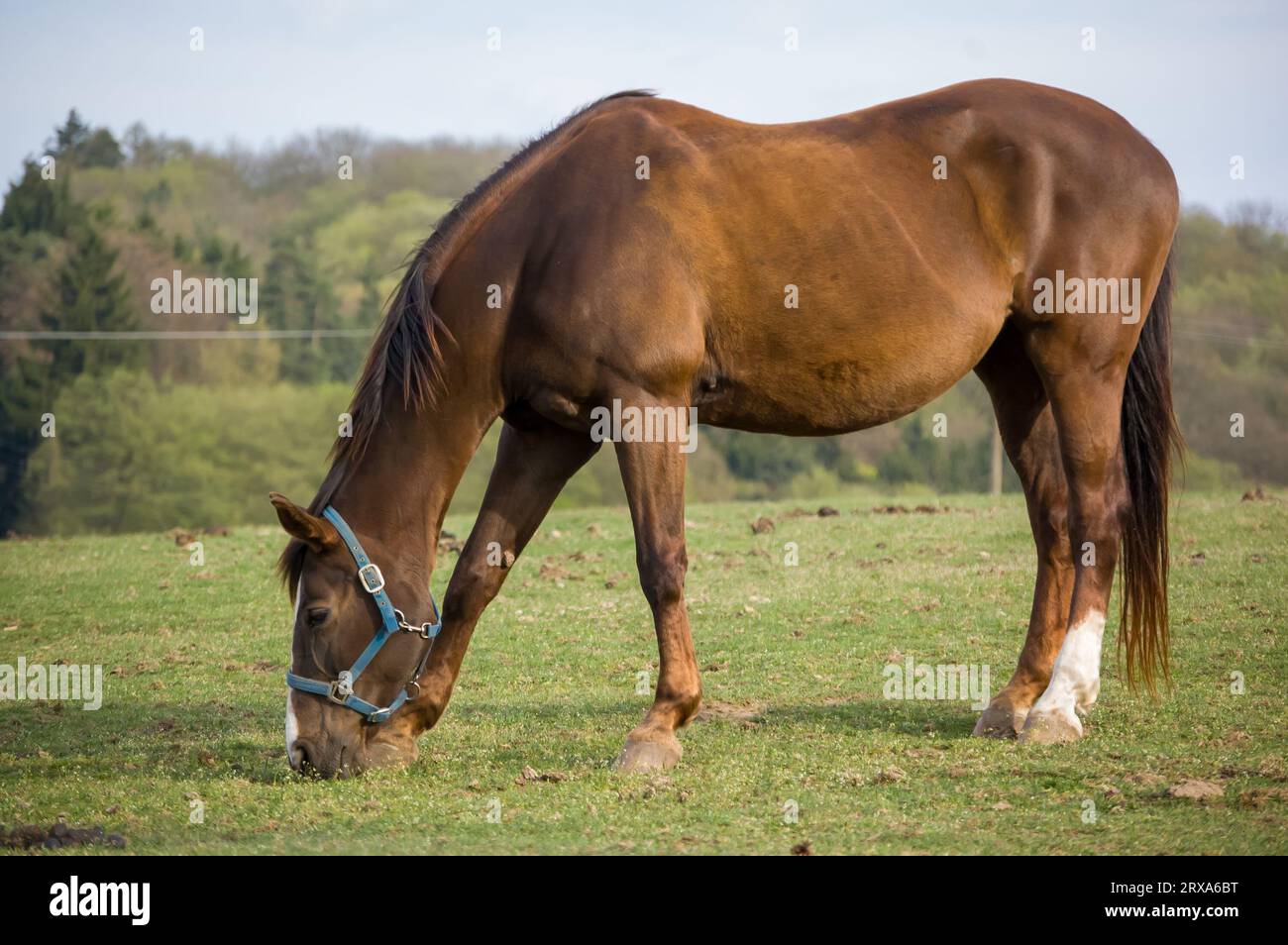
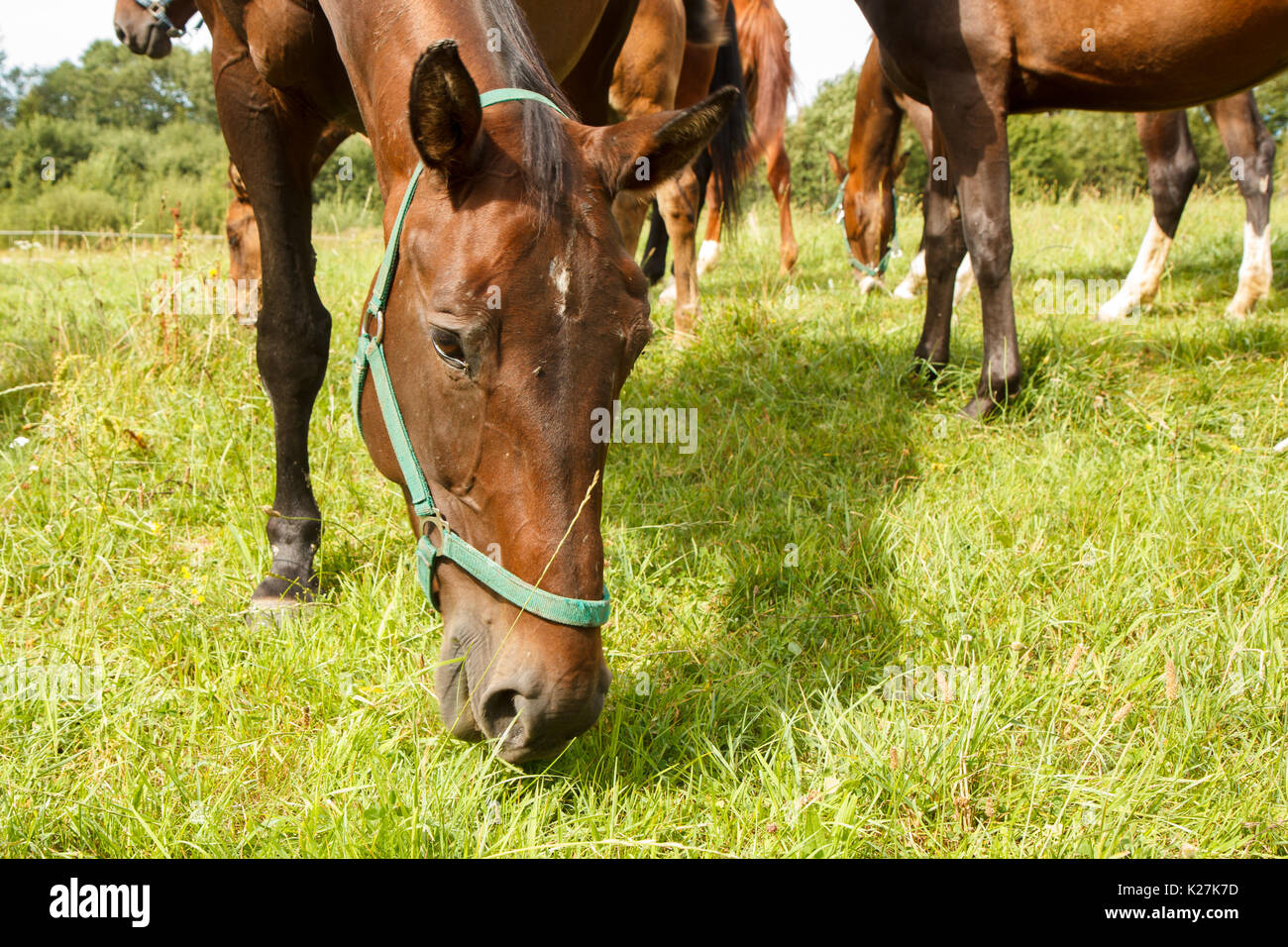
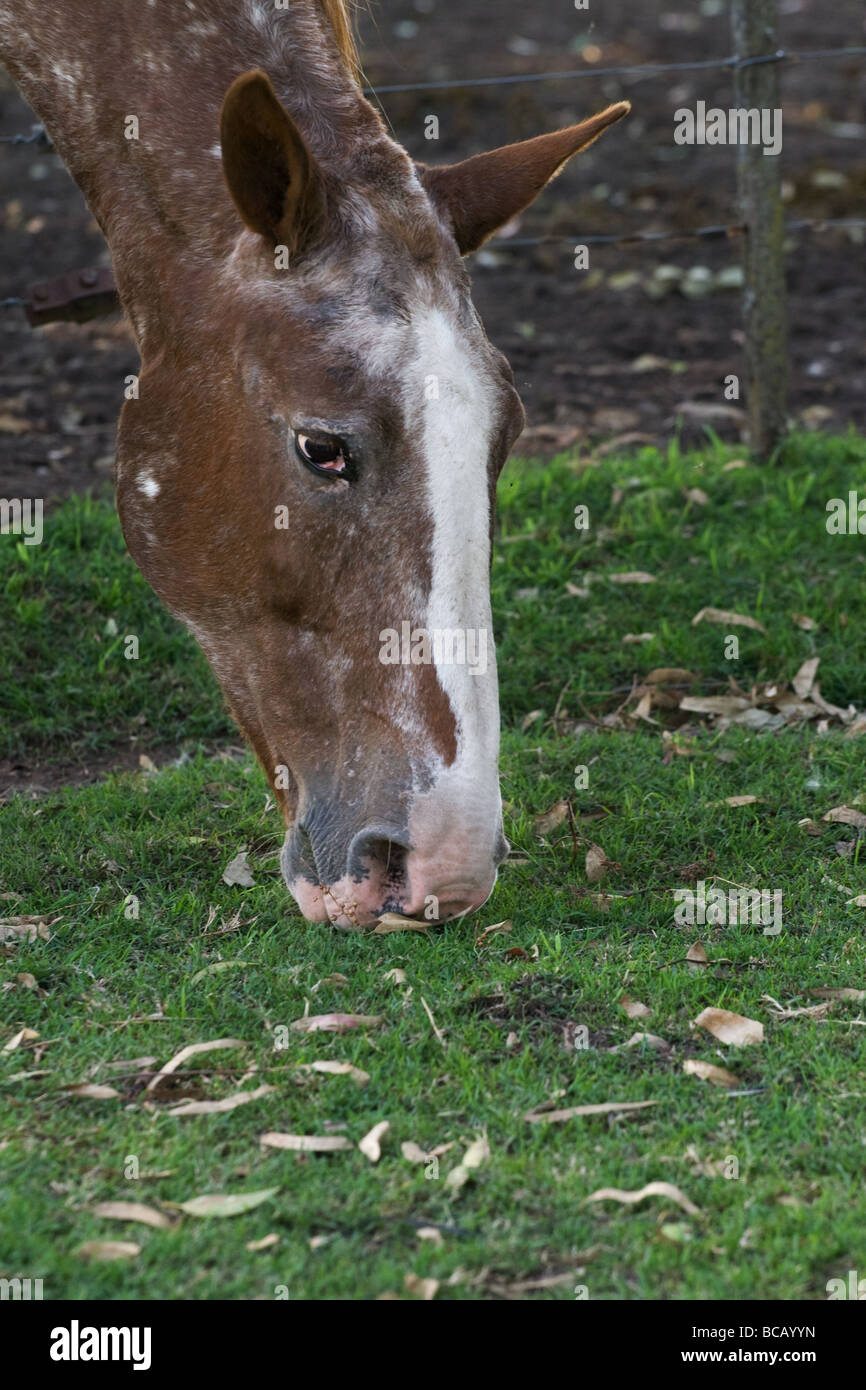
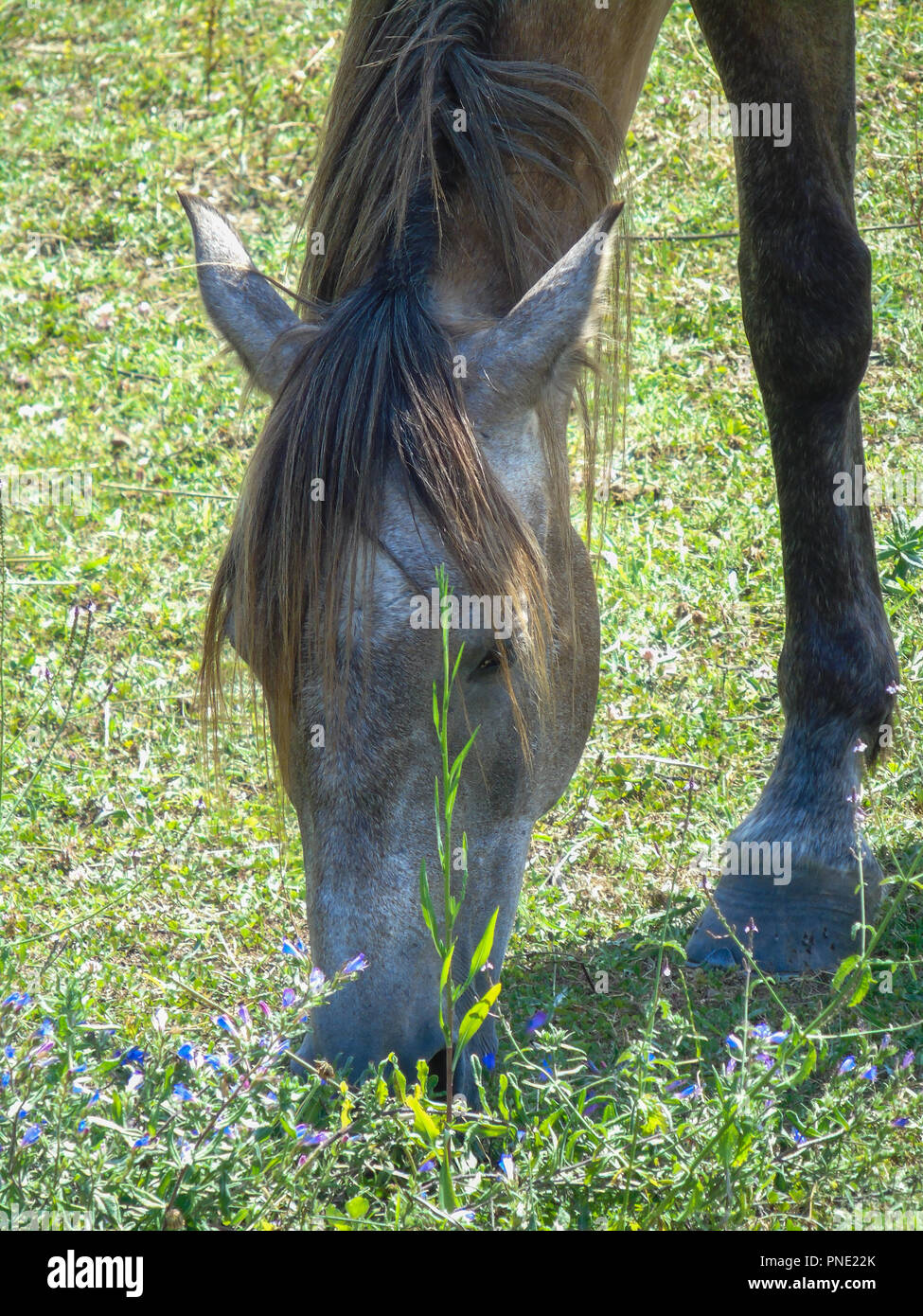
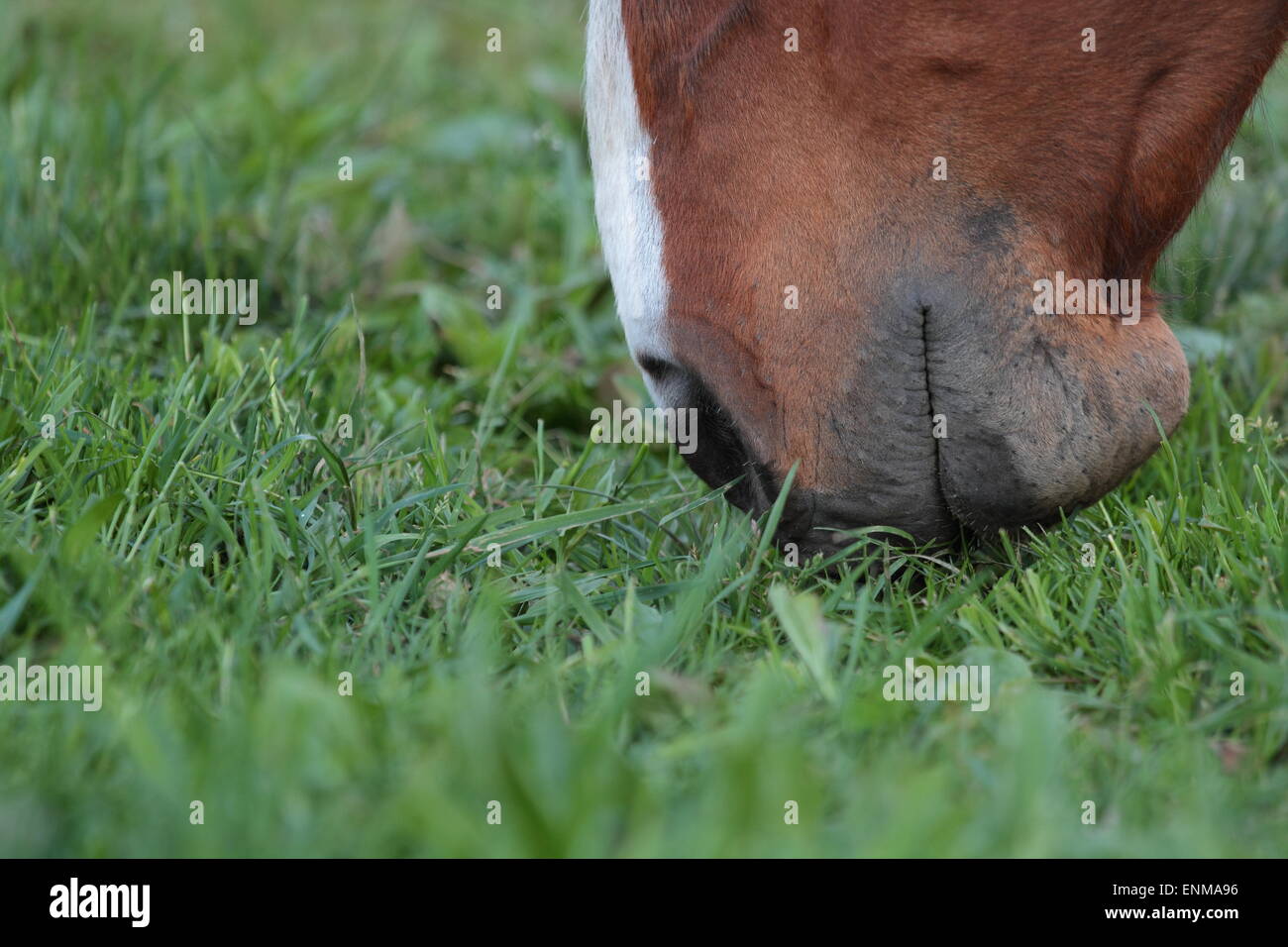
Unveiling the Risks of Overgrazing When a horse consumes excessive grass, it can lead to various health problems ranging from mild discomfort to life-threatening conditions like laminitis and colic, making what happens if a horse eats too much grass? a serious concern for horse owners; careful management is essential to prevent overgrazing.
Grass is softer than hay. Horses that eat only grass may develop dental issues because their teeth do not wear down evenly. This can cause sharp points, difficulty chewing, and even weight loss. Dental checks are important for grazing horses. How Much Grass Is Too Much? The amount depends on the horses size, breed, age, and activity level.
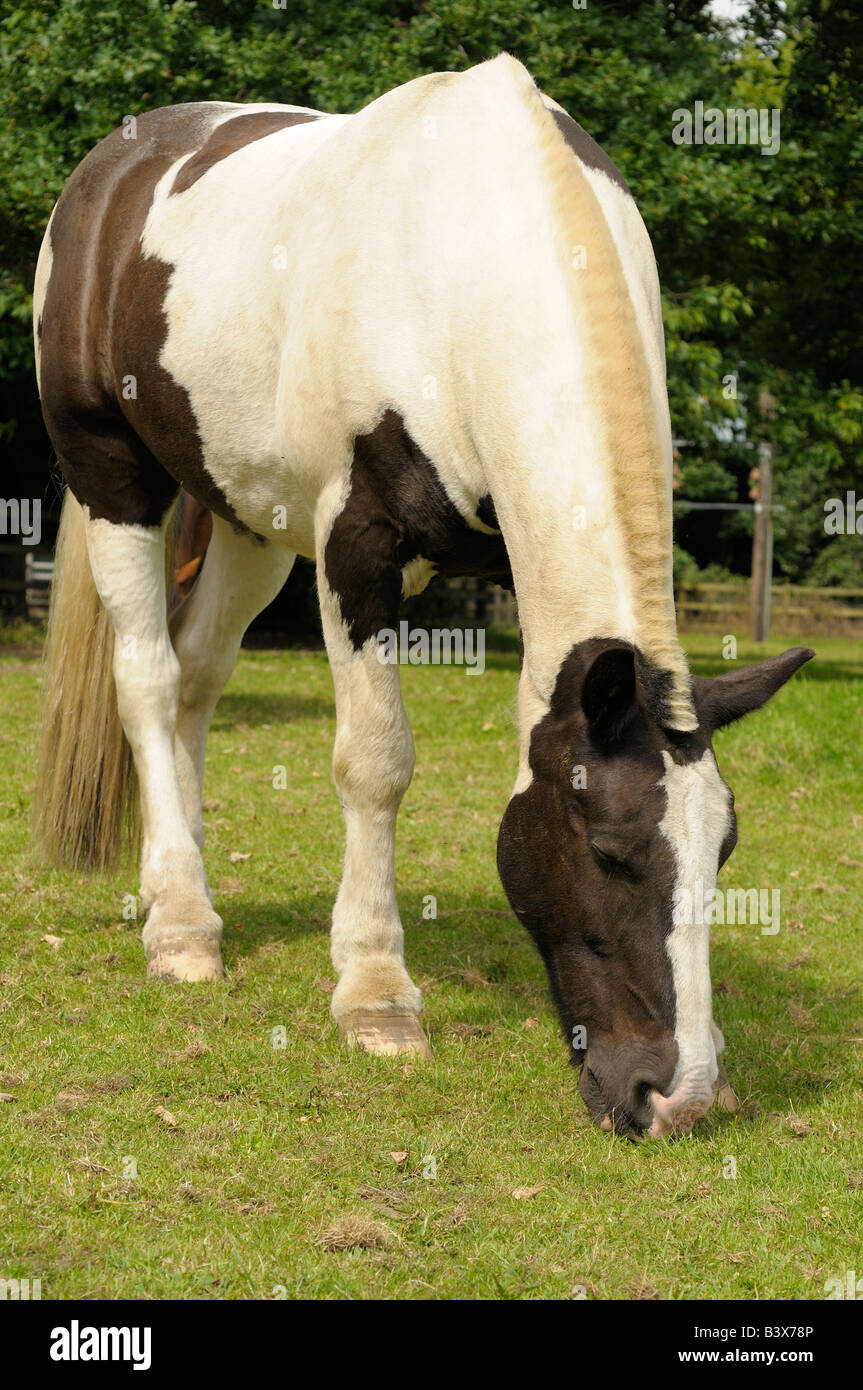
Horses can get sick from eating grass, although it is not a common occurrence. The risk of illness depends on various factors, such as the type and quality of the grass, the horses individual health and nutritional status, and the presence of any underlying health conditions.
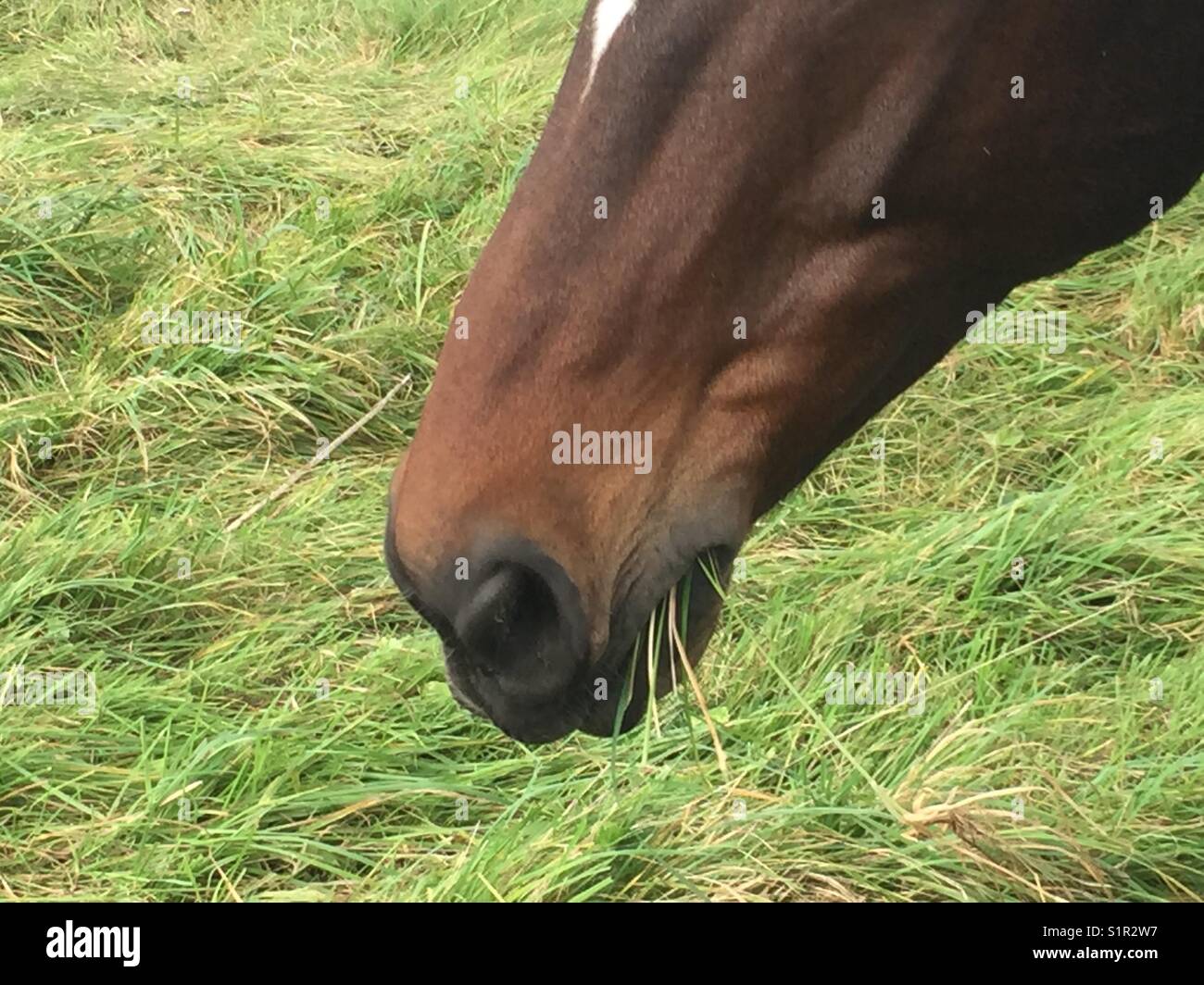
Did you know green grass can be dangerous for some horses? Learn about safe spring grazing practices to ward off the risks.
However, many researchers in equine nutrition are working to understand it. Another problem related to spring grass arises in obese horses that have insulin resistance. Exposure of an insulin-resistant horse to a high-carbohydrate diet, as we see with lush pastures, will cause a great increase in insulin levels in the horse, says Dr. Austin.