- The most common cause of FLUTD in cats less than 10 years of age is non-obstructive feline idiopathic cystitis. Less common causes are urolithiasis, and urethral plugs which usually result when an attack of feline idiopathic cystitis is not ...
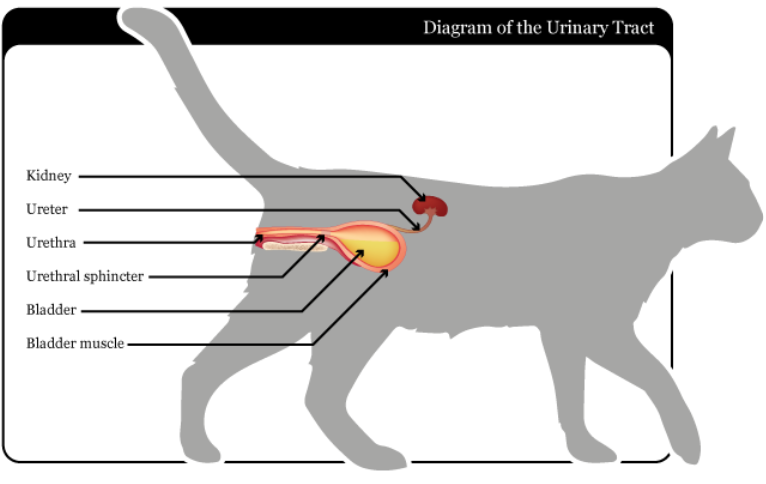
Potential stressors, such as changes in routine, moving to a new home, or living in a multi-cat household, also may increase the risk of FLUTD. ... Note that cats with an obstructed urethra (the tube that carries urine from the bladder to outside the body) will also show these signs but will pass little or no urine and seem increasingly distressed. The specific problem or cause underlying an episode of FLUTD can be difficult to diagnose.

- Without urgent veterinary care, urethral obstruction often leads to kidney damage, bladder rupture and death within 24 to 48 hours. If you think your cat may be blocked, dont wait have them checked by a vet as soon as possible. Feline Idiopathic Cystitis (FIC) is the most common cause ...

Such details provide a deeper understanding and appreciation for Causes Of Feline Bladder Problems.
- Your cat can be stressed for a number of reasons, including changes in his or her environment (cats dont like change!) such as moving furniture, construction happening in the neighborhood or at home, a change in household dynamics such as a person moving in or leaving, or a new pet in the household, a change in schedules (all of a sudden my dad is home all the time??) or even a change in diet. This stress leads to changes in the brain and the bladder that causes the bladder to be painful and become inflamed.