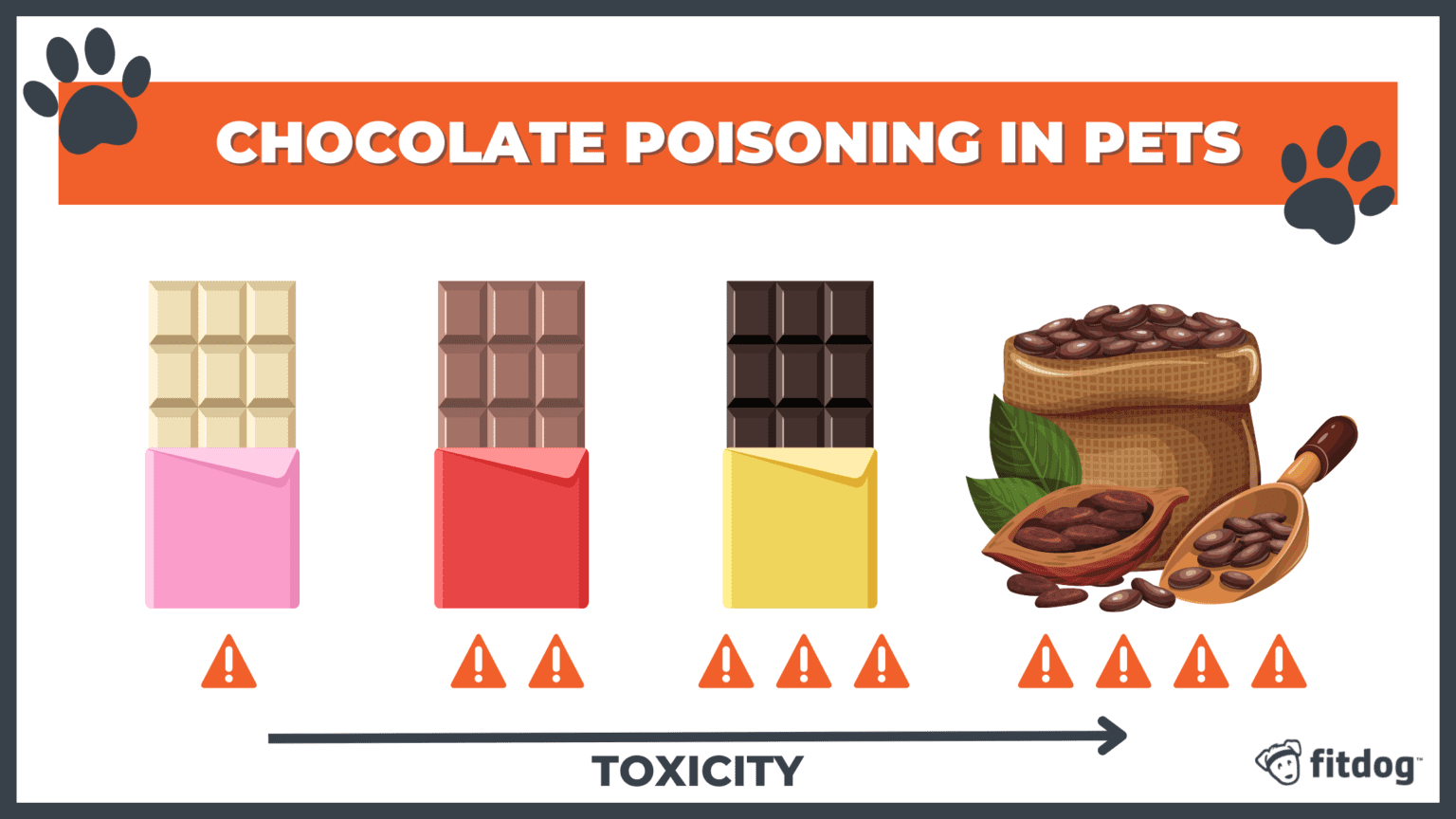
One of the most common toxicities in dogs is caused by chocolate ingestion. Dogs cannot metabolize chocolate in the same way people can, so keeping chocolate or products containing caffeine in a secure location out of your dogs reach is essential.
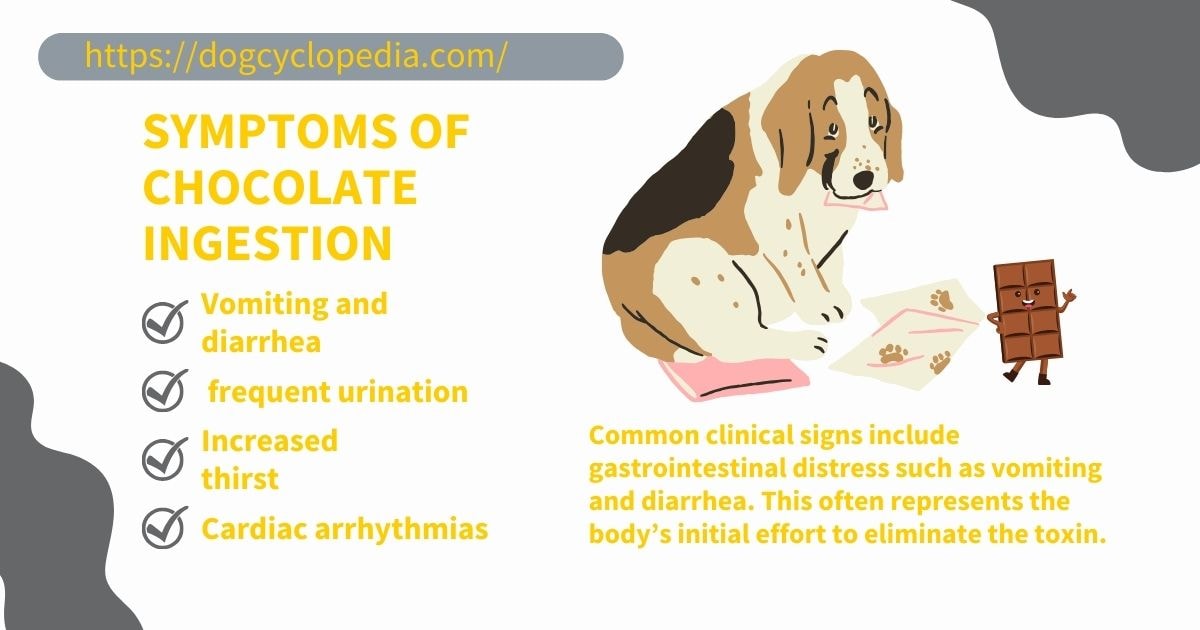
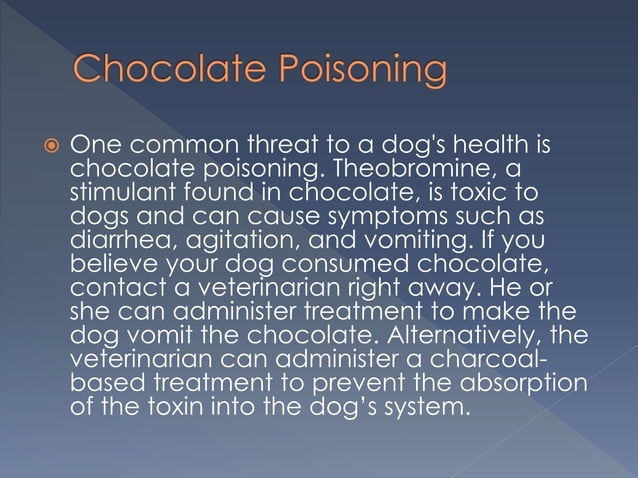
Chocolate toxicosis results from ingestion of excessive amounts of methylxanthine-containing chocolate products. Clinical effects include vomiting, restlessness, agitation, hyperthermia, tachycardia, and, in severe cases, seizures.

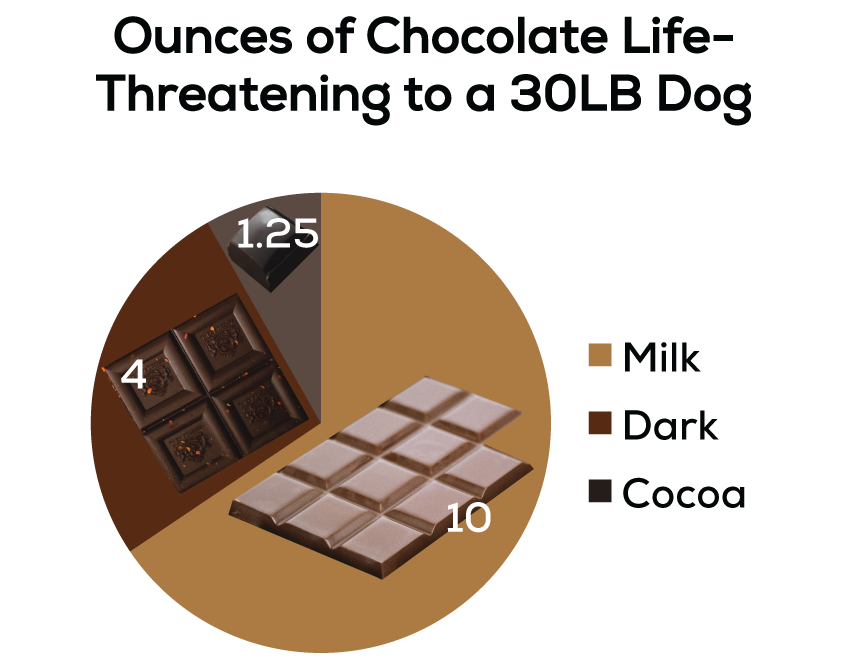
Learn how much is too much, which types of chocolate are the most dangerous, and what signs to look for that may signal your dog needs treatment.

Such details provide a deeper understanding and appreciation for Chocolate Overdose In Senior Dogs.
If your dog ate chocolate, contact your emergency vet immediately. Use our calculator to learn how it will affect your dog.

This particular example perfectly highlights why Chocolate Overdose In Senior Dogs is so captivating.
It seems that dogs never get tired of eating chocolate, and chocolate is on the list of top 10 calls to ASPCA Poison Control every year. Keep reading for a list of the important things to remember when treating chocolate toxicities.
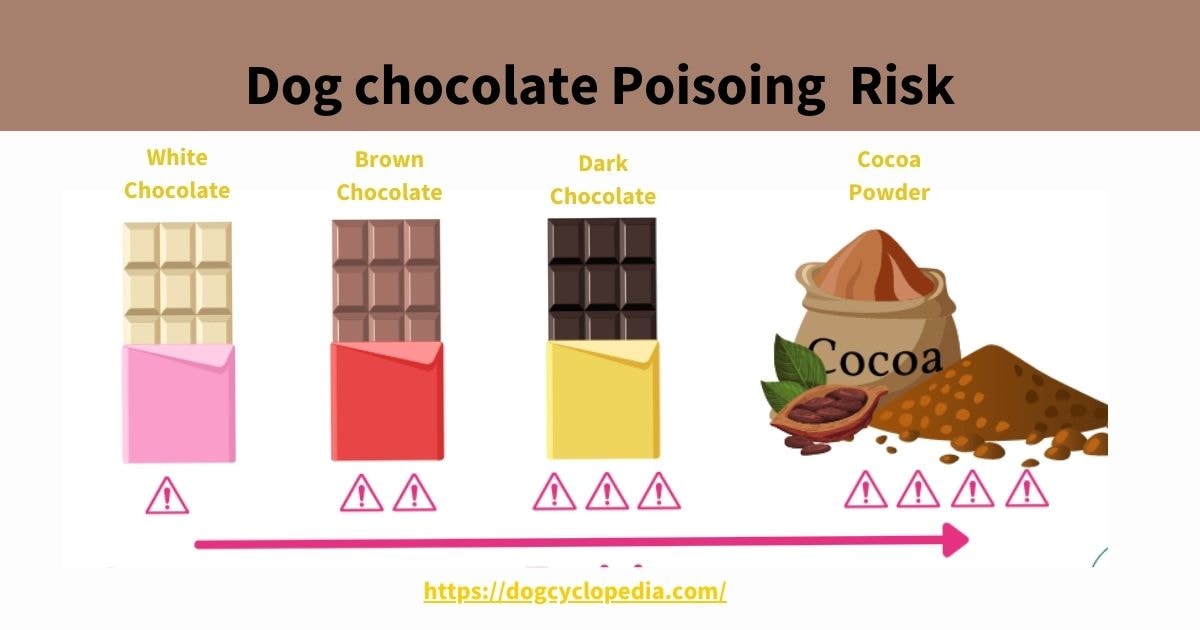
Chocolate contains caffeine and theobromine, which have effects on the central nervous system and heart. Humans break down these substances much more efficiently than dogs. The darker the chocolate, the higher amounts of caffeine and theobromine, and the more dangerous to dogs.