A hereditary vitamin K-responsive coagulopathy in Devon Rex cats is associated with moderate to marked decreases in the activity of Factors II, VII, IX and X due to a defective vitamin K metabolism enzyme. It affects both males and females resulting in haematomas, haemarthrosis and body cavity bleeding. APTT and PT are markedly prolonged.
Affected cats might show gum or skin bruises, nosebleeds, black stools, or prolonged bleeding after injury. Treatment might include rest, immunesuppressing drugs, and transfusions.

Cats can experience issues with blood clotting from quantitative problems (too few platelets = thrombocytopenia) or qualitative issues (normal count but dysfunctional platelets = thrombocytopathy) . These may stem from immune causes, liver disease, genetic defects, drugs, or toxins .

We look at blood clots in cats, from the cause, symptoms and types of blood clots to how your vet will diagnose and treat your cat.
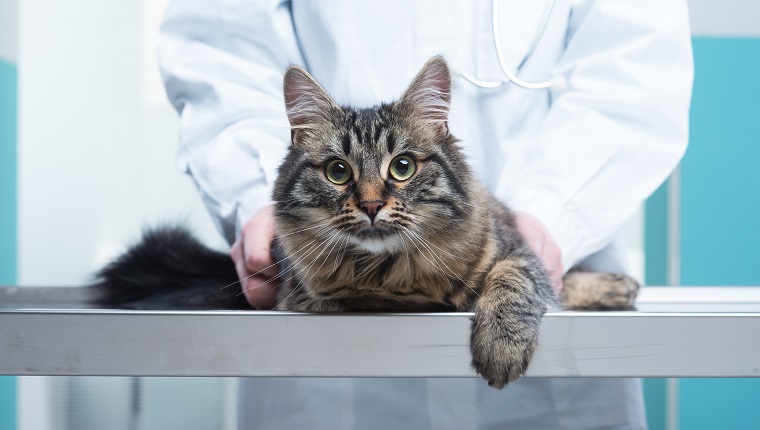
Furthermore, visual representations like the one above help us fully grasp the concept of Coagulopathy Symptoms In Cats.
Discover 6 key signs, causes, diagnosis, and treatment options for liver-related coagulopathy in cats to protect your pet's health.
Coagulopathy is a condition in which the bloods ability to clot is impaired, leading to hemorrhage or thrombosis. The following focuses on hemor-rhagic presentations.