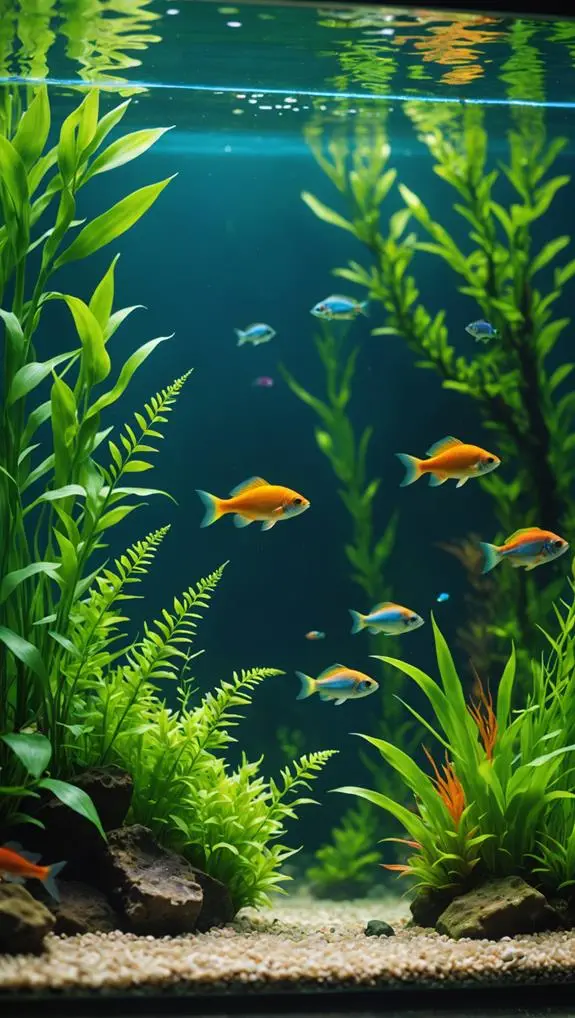
Human-Induced Causes of pH Fluctuation Several actions by aquarium owners can inadvertently cause pH instability. These include: Overfeeding: Excess food decomposes, producing acids that reduce pH. Improper Water Changes: Using tap water with a different pH can disrupt the tanks balance.
Fundamental water parameters that influence water quality, such as pH, ammonia, nitrite, and nitrate, are relatively easy to monitor through routine testing. This article discusses common aquarium problems and possible solutions for each.

Moving forward, it's essential to keep these visual contexts in mind when discussing Common Causes Of Water Instability In Home Aquariums.
Common diseases like Ich (white spot disease), fungal infections, and bacterial infections often emerge after periods of environmental instability. Prevention is always better than treatment when it comes to fish health. Identifying the root causes of instability is the first step toward prevention.
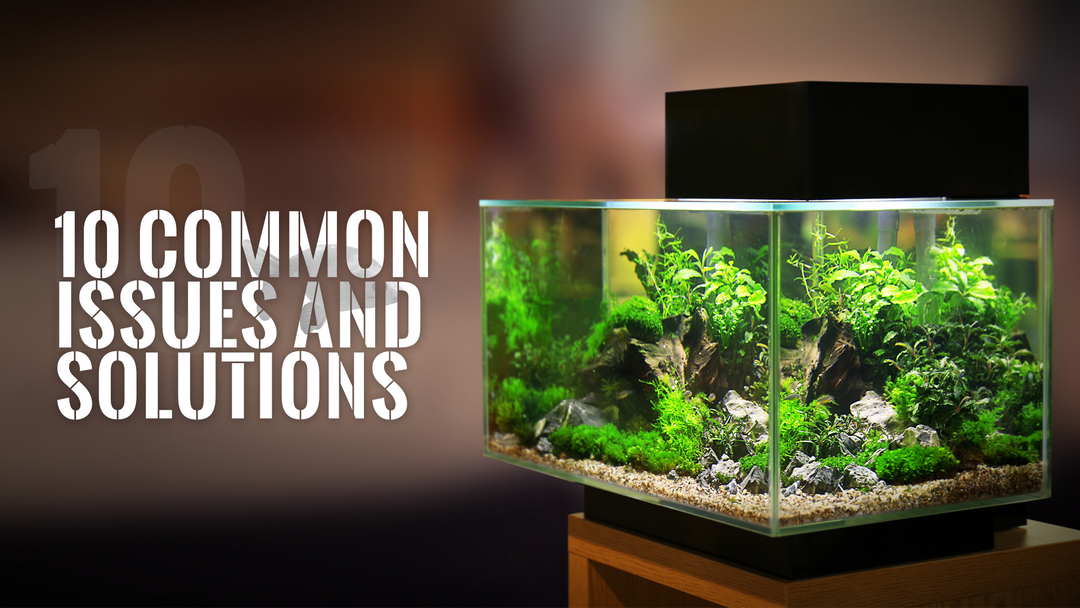
The most common driver of pH fluctuation in aquariums is the daily cycle of photosynthesis and respiration that occurs in any tank with plants or algae. During lighting hours, plants consume carbon dioxide and produce oxygen, reducing the carbonic acid content of the water and pushing pH upward.
In natural aquatic environments, pH levels can naturally fluctuate due to factors like rainfall, photosynthesis, and decomposition. However, in the confined space of an aquarium, these changes can occur much more rapidly, posing a significant challenge for aquarists.