Benadryl is almost certainly safe for your dog if they are at full health. However, there are several contraindications and interactions associated with Benadryl. The sections below will help you to determine whether your pet is unsuitable for treatment with this medicine.
Catching these contraindications early puts you in a great position to protect your pets health. If your pet has glaucoma, seizure disorders, or hyperthyroidism, diphenhydramine could potentially worsen these conditions.

Moving forward, it's essential to keep these visual contexts in mind when discussing Contraindications Of Benadryl In Dogs Safety.
Certain dogs, including puppies, pregnant dogs, and those with heart disease, glaucoma, or seizure disorders, should avoid Benadryl due to the risk of serious complications.

Certain situations absolutely contraindicate the use of Benadryl for dogs. Never attempt home treatment when your dog shows signs of anaphylaxis, including pale gums, rapid heartbeat, vomiting, diarrhea, or collapse. These symptoms indicate a life-threatening emergency requiring immediate epinephrine administration and professional stabilization.

Furthermore, visual representations like the one above help us fully grasp the concept of Contraindications Of Benadryl In Dogs Safety.
Dogs with glaucoma, cardiovascular disease, high blood pressure, or pregnant dogs shouldnt receive Benadryl without explicit veterinary approval. This creates lasting habits of checking contraindications before administering any medication.
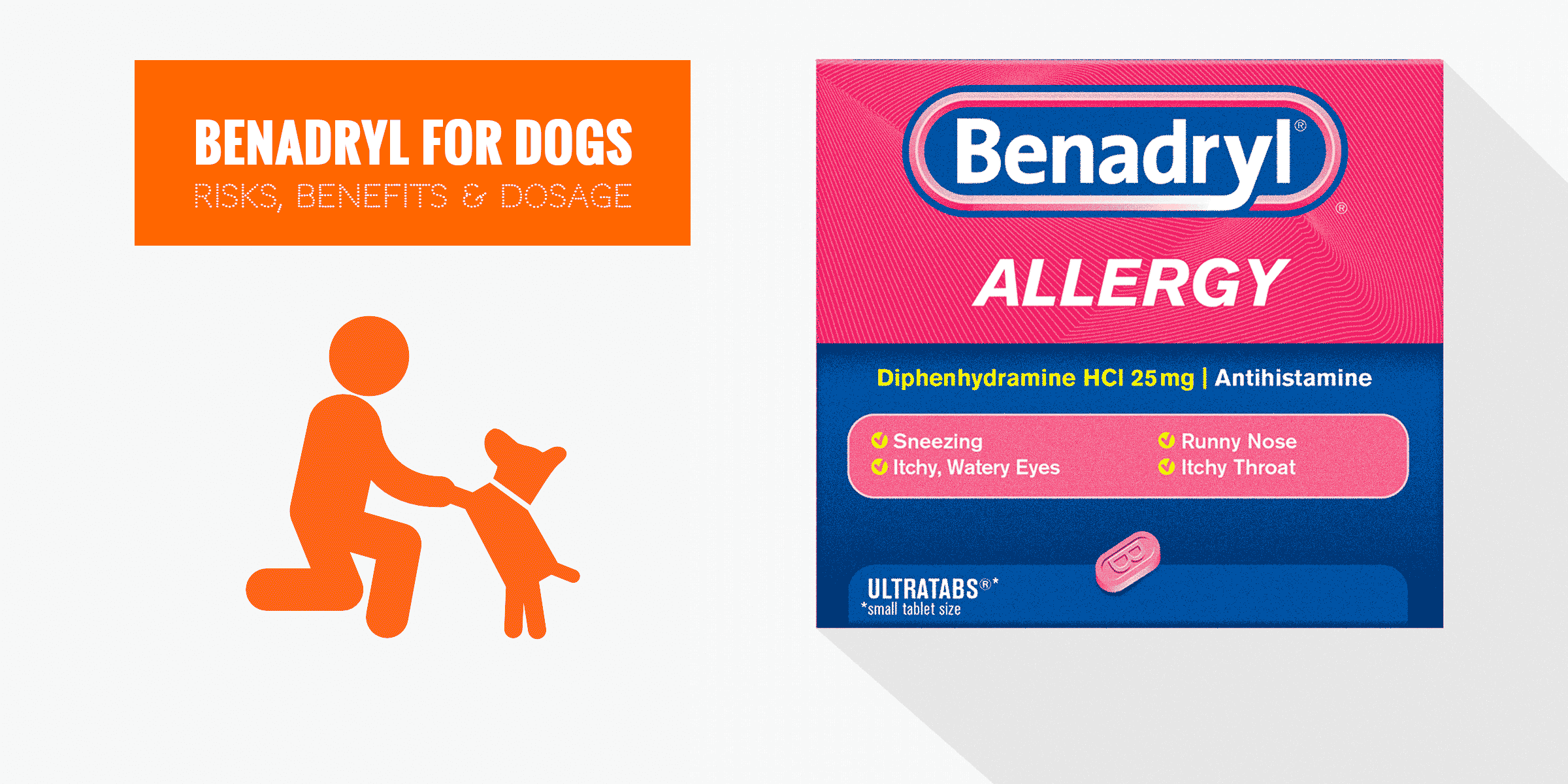
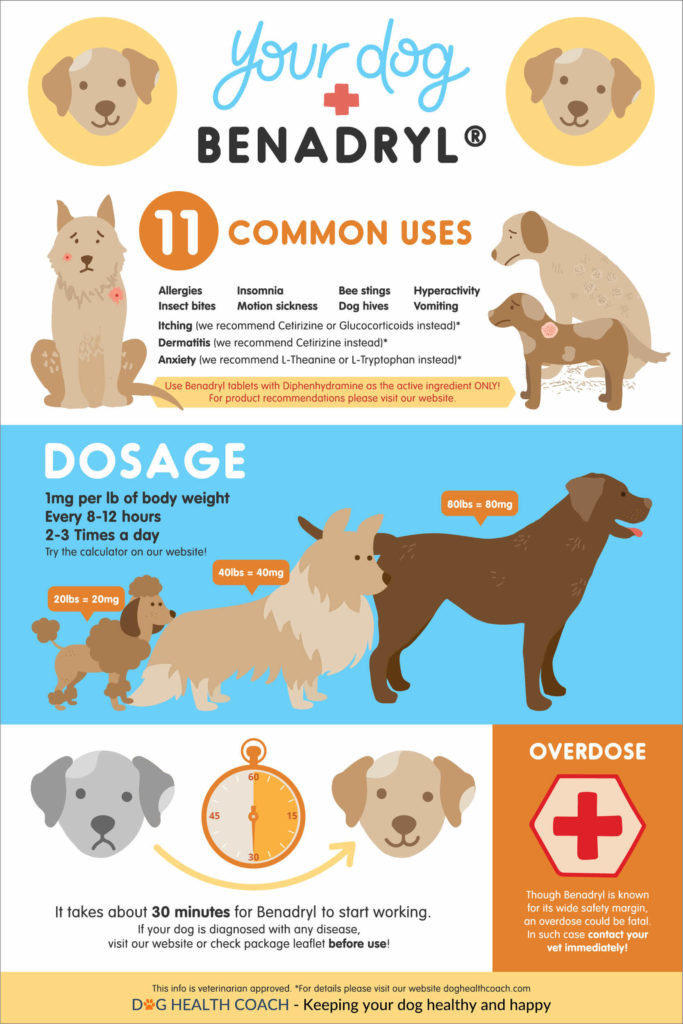
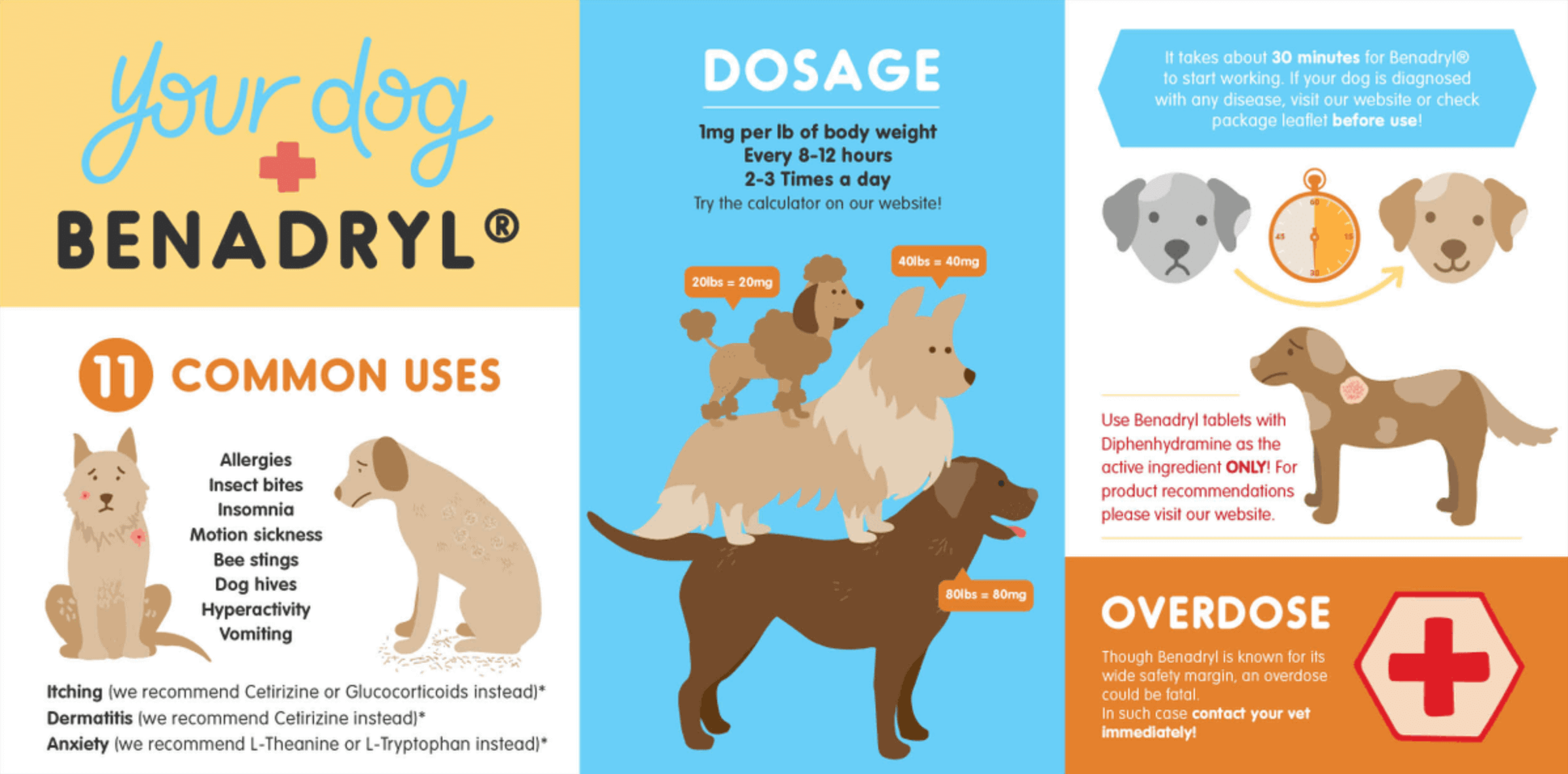
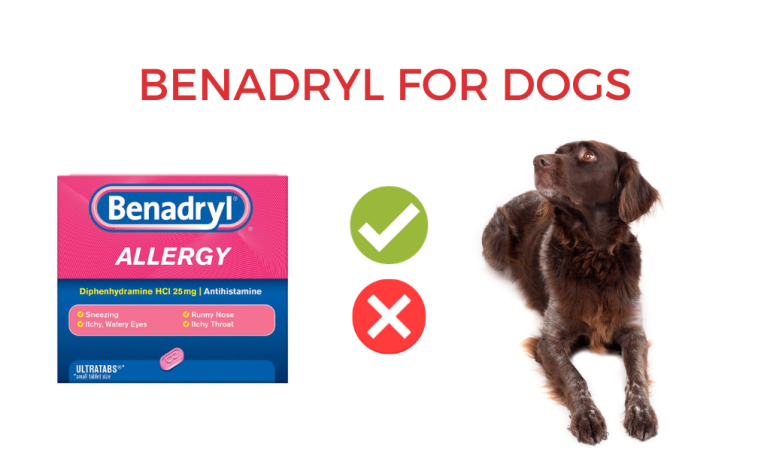
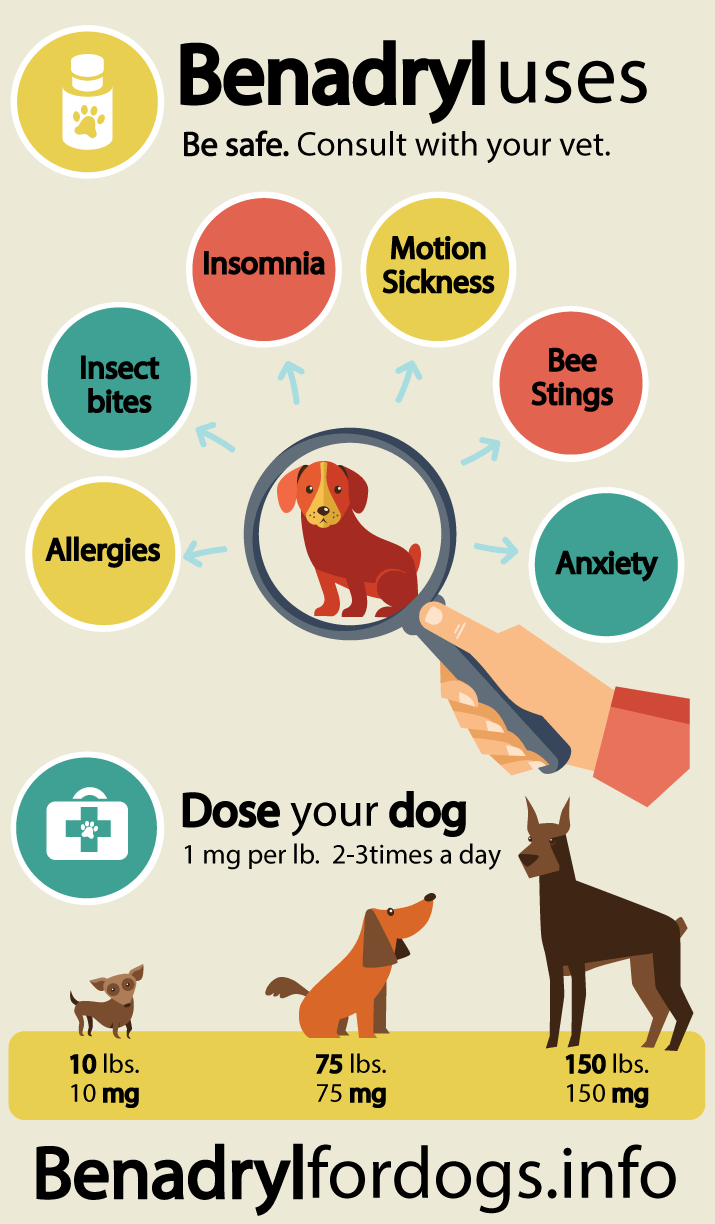
Find out if Benadryl is safe for your dog, the correct dose by weight, which formulas are toxic, and when to call a vet instead. Vet-backed guide.