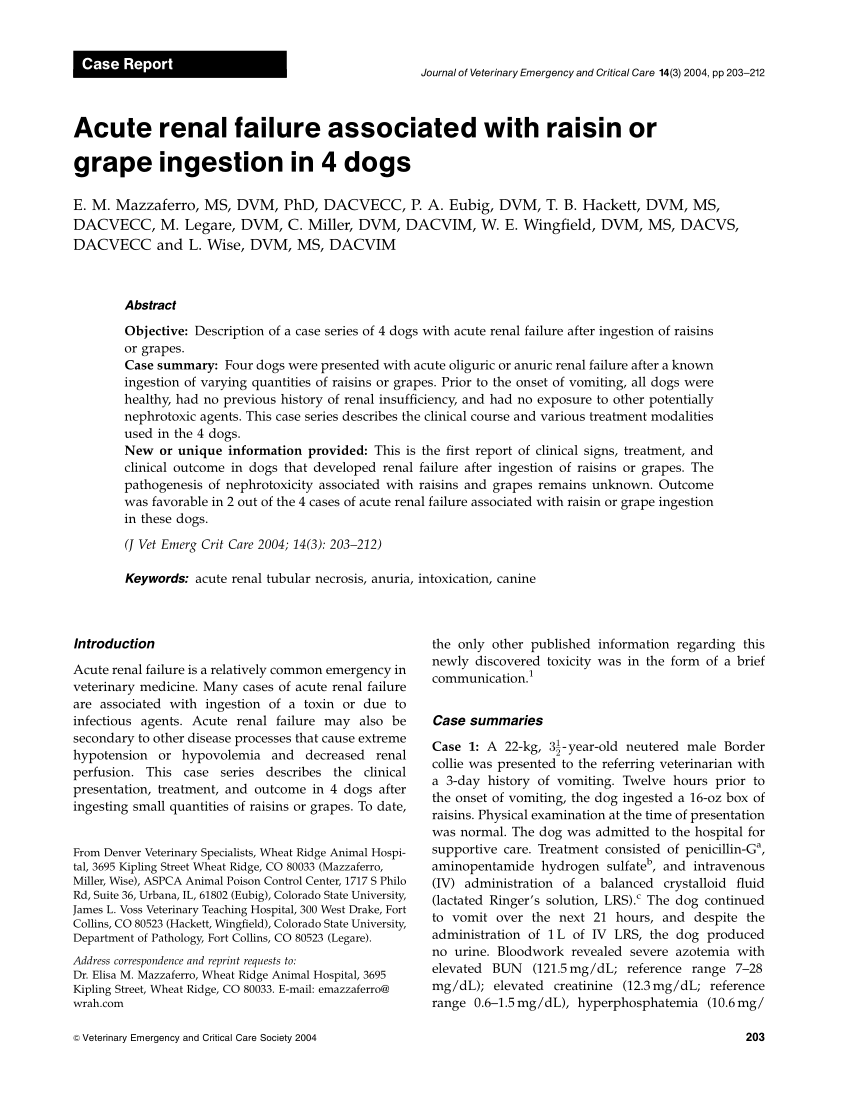
- The most common pathological finding is proximal renal tubular necrosis. In some cases, an accumulation of an unidentified golden-brown pigment was found within renal epithelial cells. The reason some dogs develop kidney failure following ingestion of grapes and raisins is not known as of 2015.
Diagnosis of grape, raisin, or tamarind toxicosis is based on history of exposure and clinical signs. Other causes of renal failure (eg, ethylene glycol, cholecalciferol) should be considered as differential diagnoses.

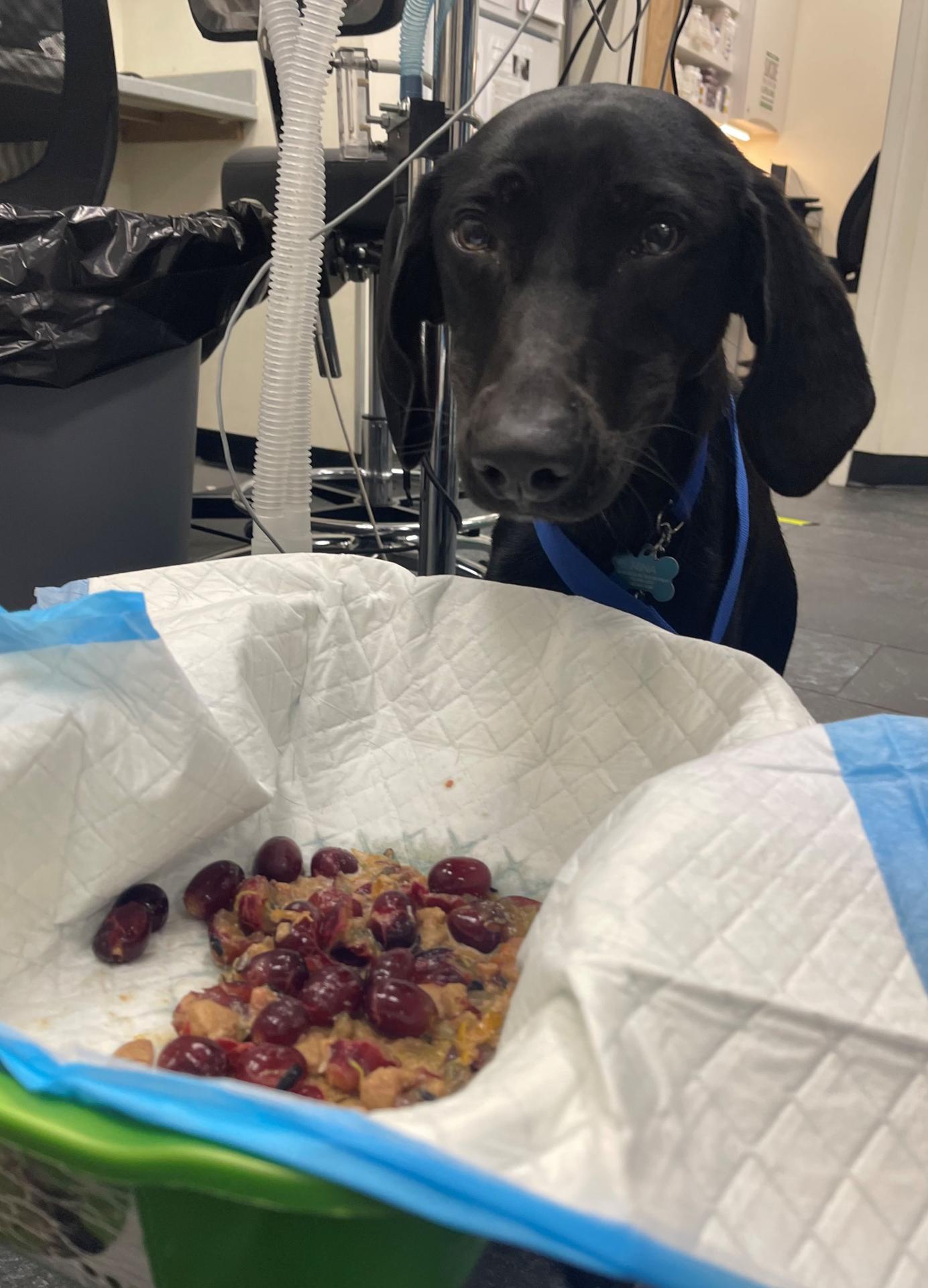
Diagnosis of grape toxicity is based on a history of grape ingestion, signs, and blood tests. Pieces of undigested grapes in the vomit or feces may be the best indication if you didnt see the incident, especially when this is combined with lethargy, general weakness, and lack of appetite.

In this VETgirl blog, we discuss grape and raisin toxicity in dogs, including clinical signs, treatment (including decontamination), and prognosis.

Grape and raisins toxicity dogs can cause sudden kidney failure. Learn symptoms, when to induce vomiting with 3% peroxide, charcoal dosing, and when to see a vet.
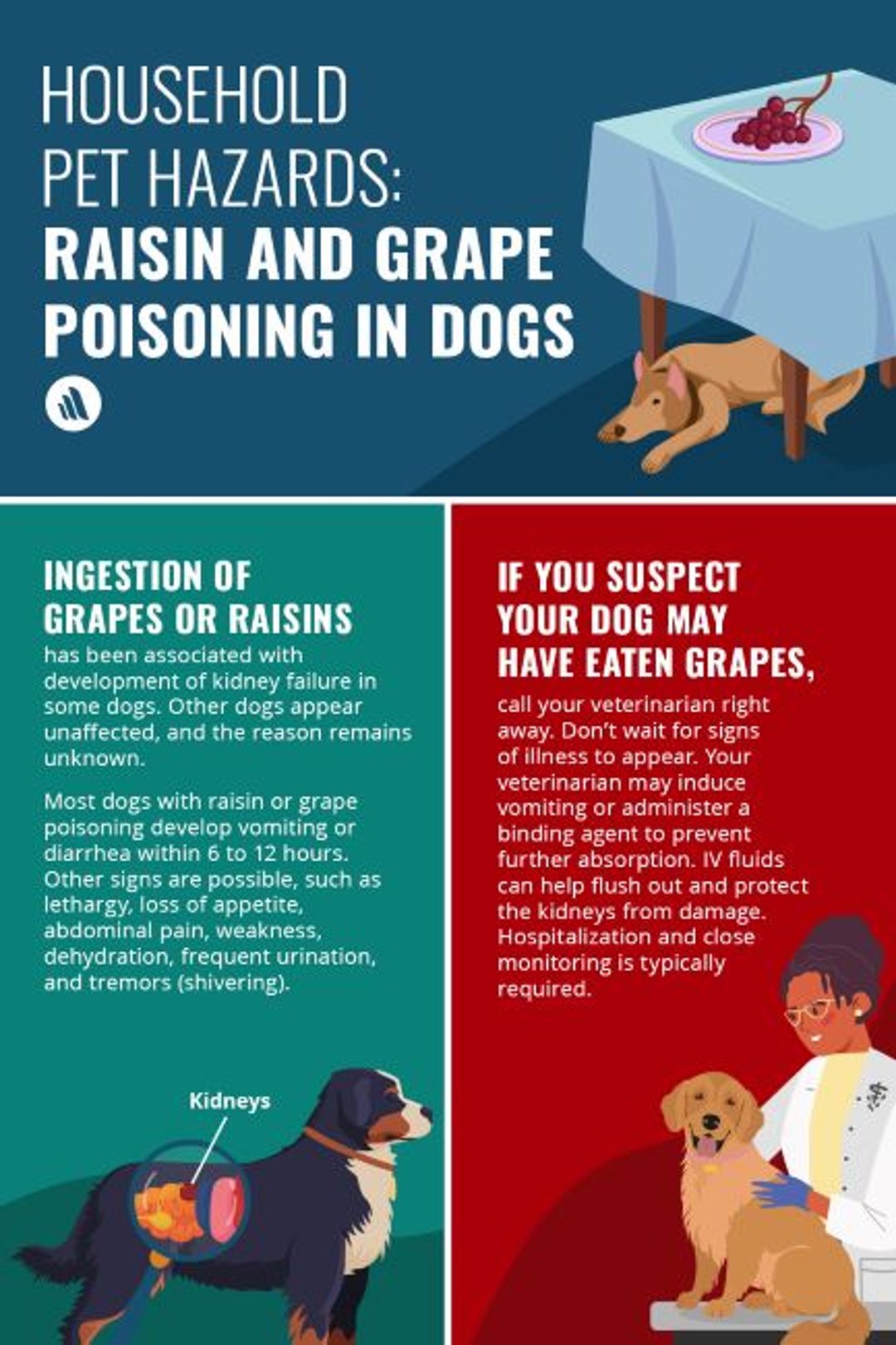
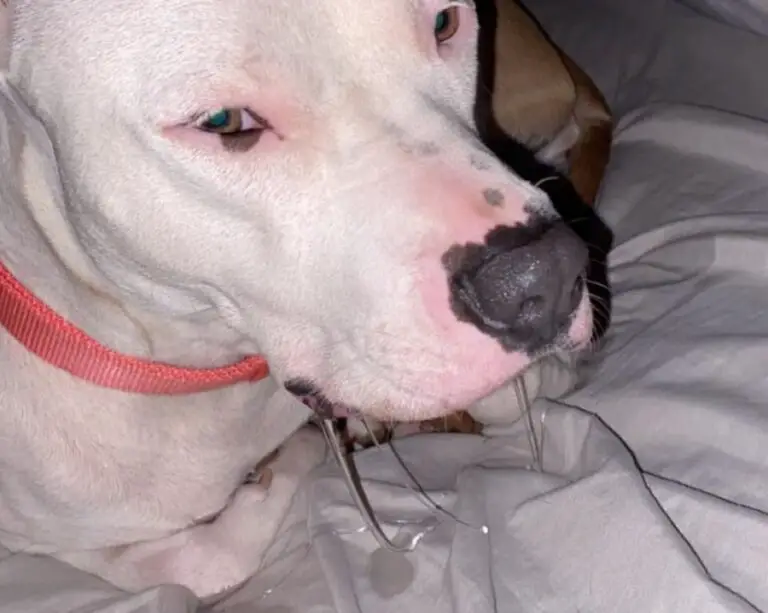
- When it comes to potential grape poisoning in dogs, time is of the essence. The initial signs can appear within a few hours of ingestion, typically within 6-12 hours. Being vigilant and recognizing these subtle changes can be life-saving.