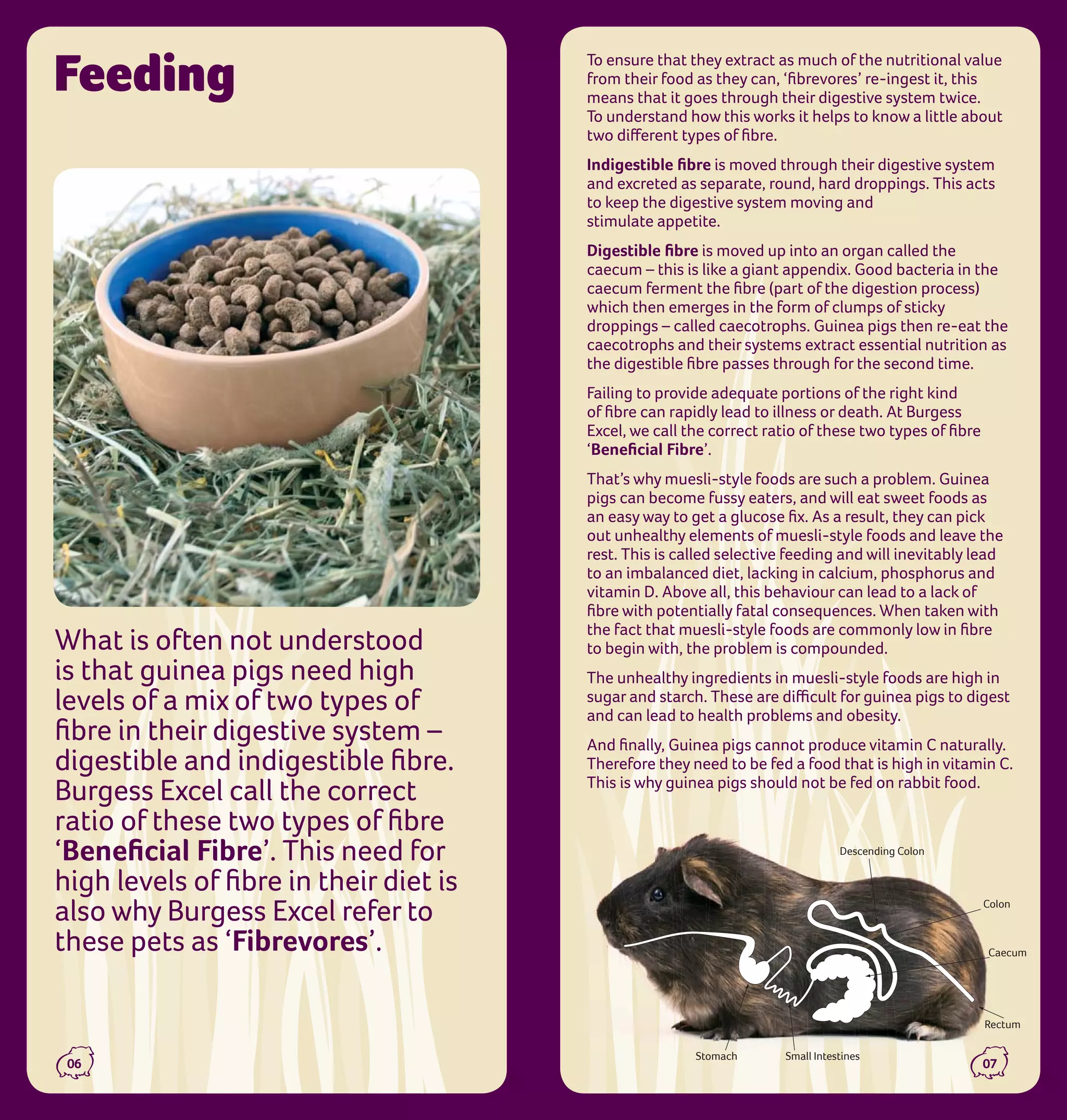
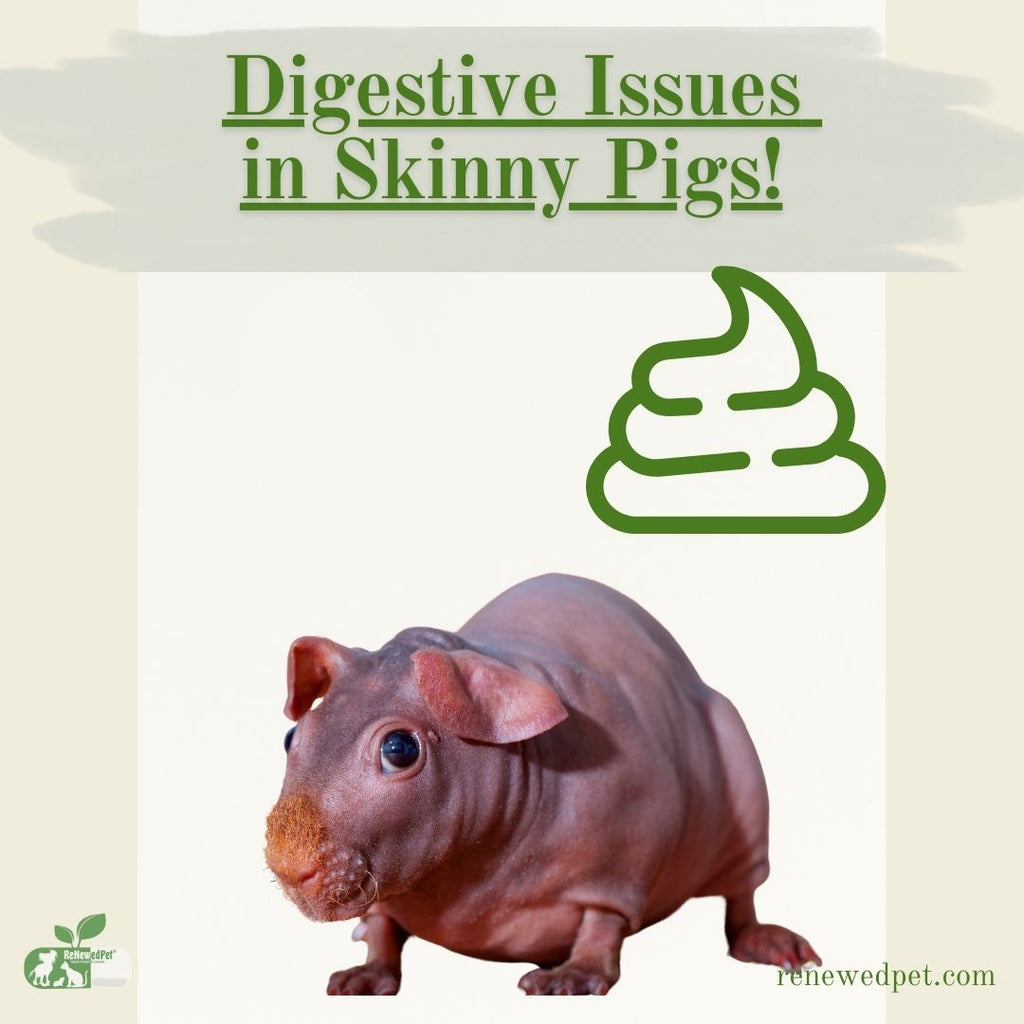
Yes, diet directly determines digestive health in guinea pigs. Unlike humans with omnivorous digestion systems, guinea pigs are strict herbivores with specialized cecal fermentation systems that require specific plant material to function properly.
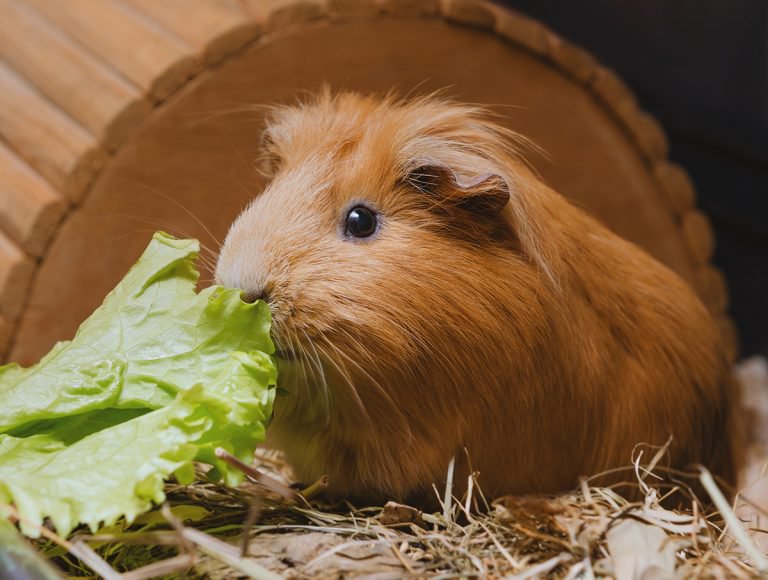
fter your vet has diagnosed your guinea pig with a GI problem, start treatment right away. Feed your guinea pig fresh, moist vegetables. Changing your guinea pigs diet is one of the best ways to improve your guinea pigs GI health.
Like a skilled gardener tending to delicate blooms, adjusting the frequency of a guinea pig's diet is key to preventing digestive issues. Regular checks and gradual tweaks can help maintain their well-being and digestive health.

This particular example perfectly highlights why Diet For Shiny Guinea Pig Digestive Issues is so captivating.
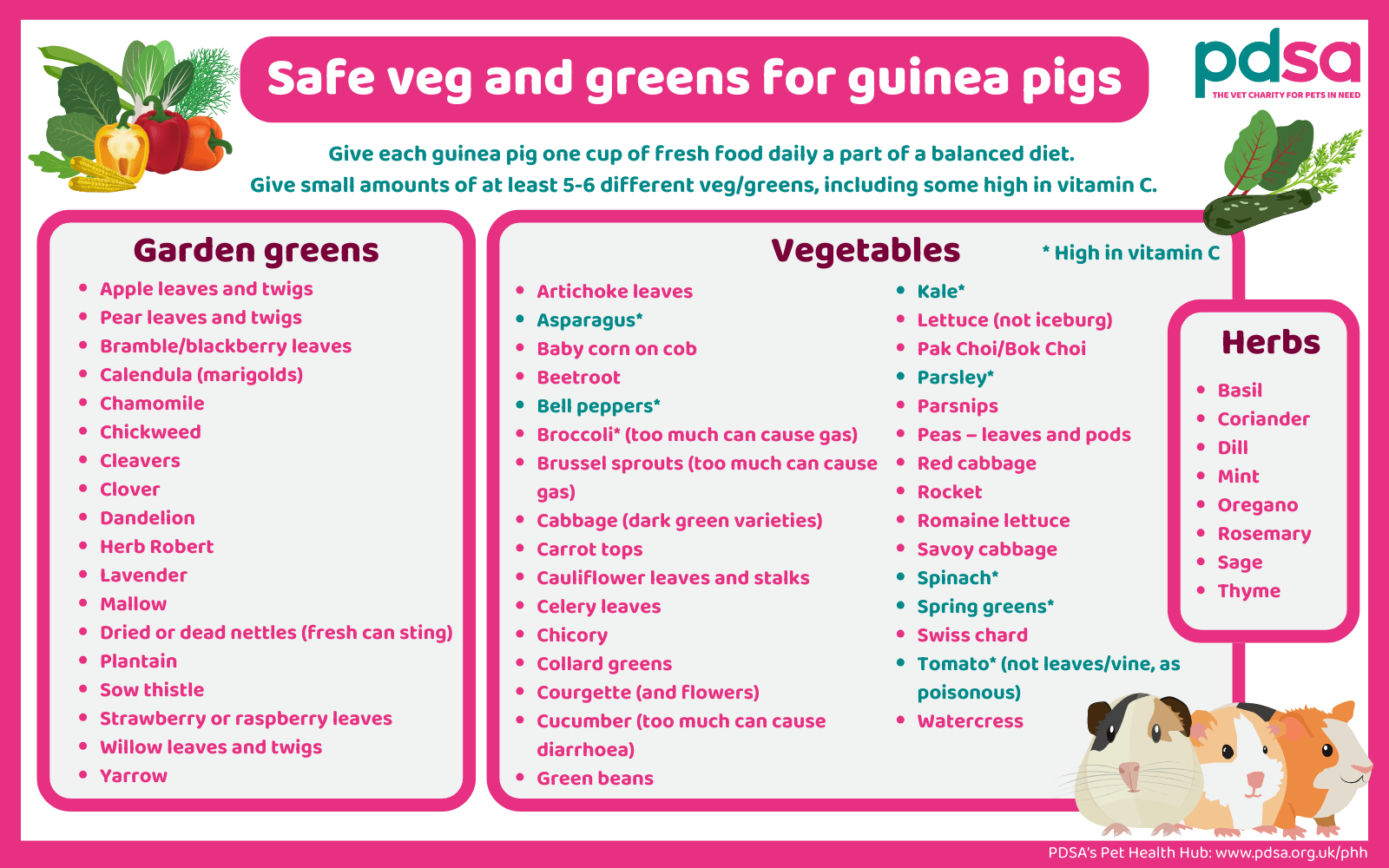
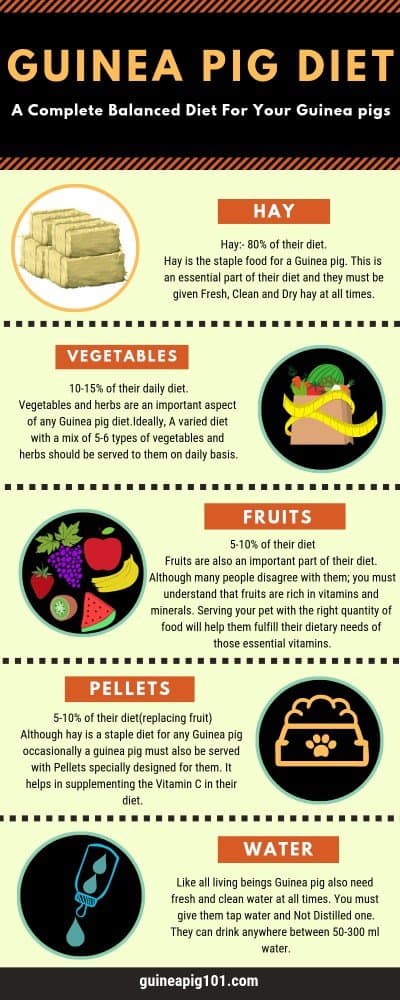
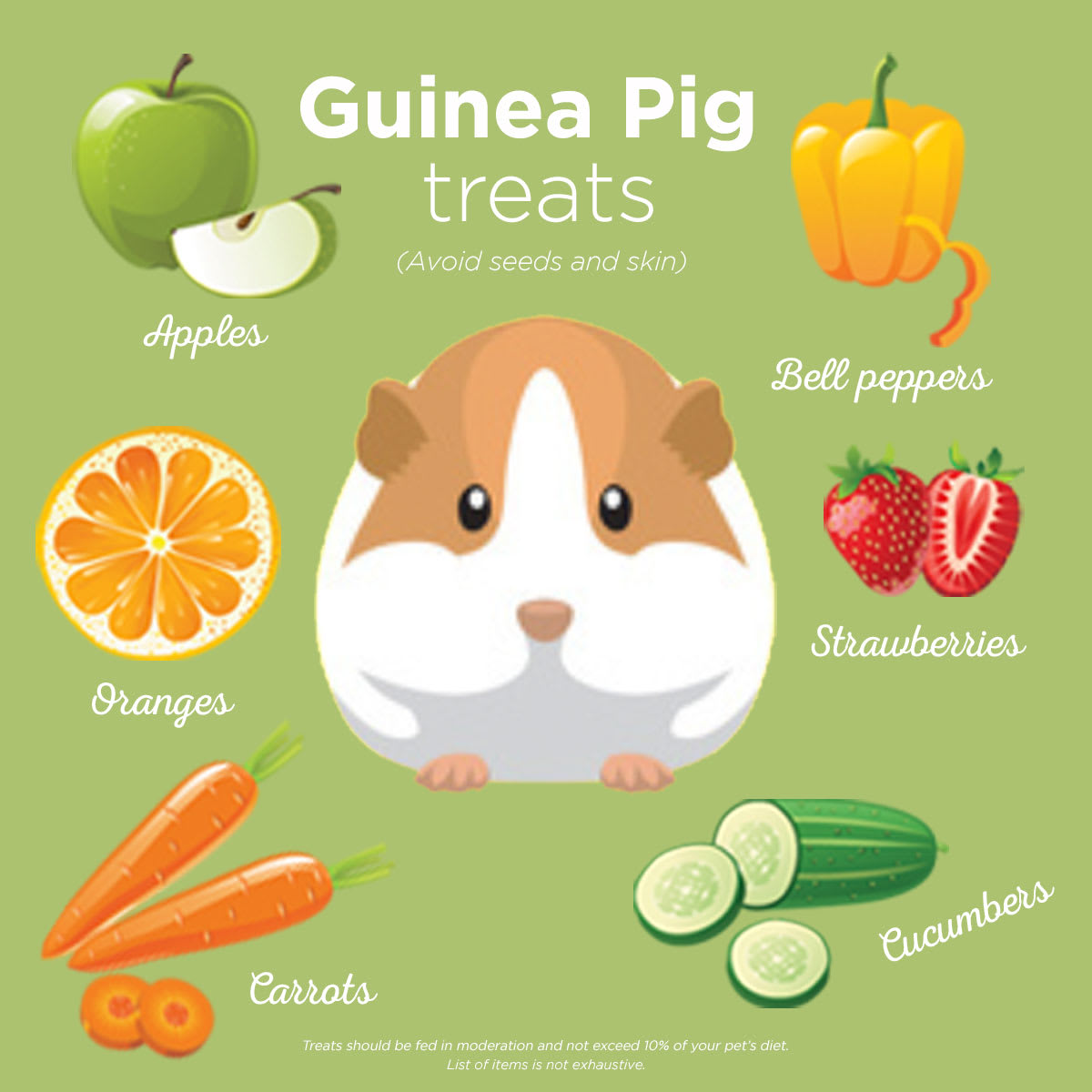
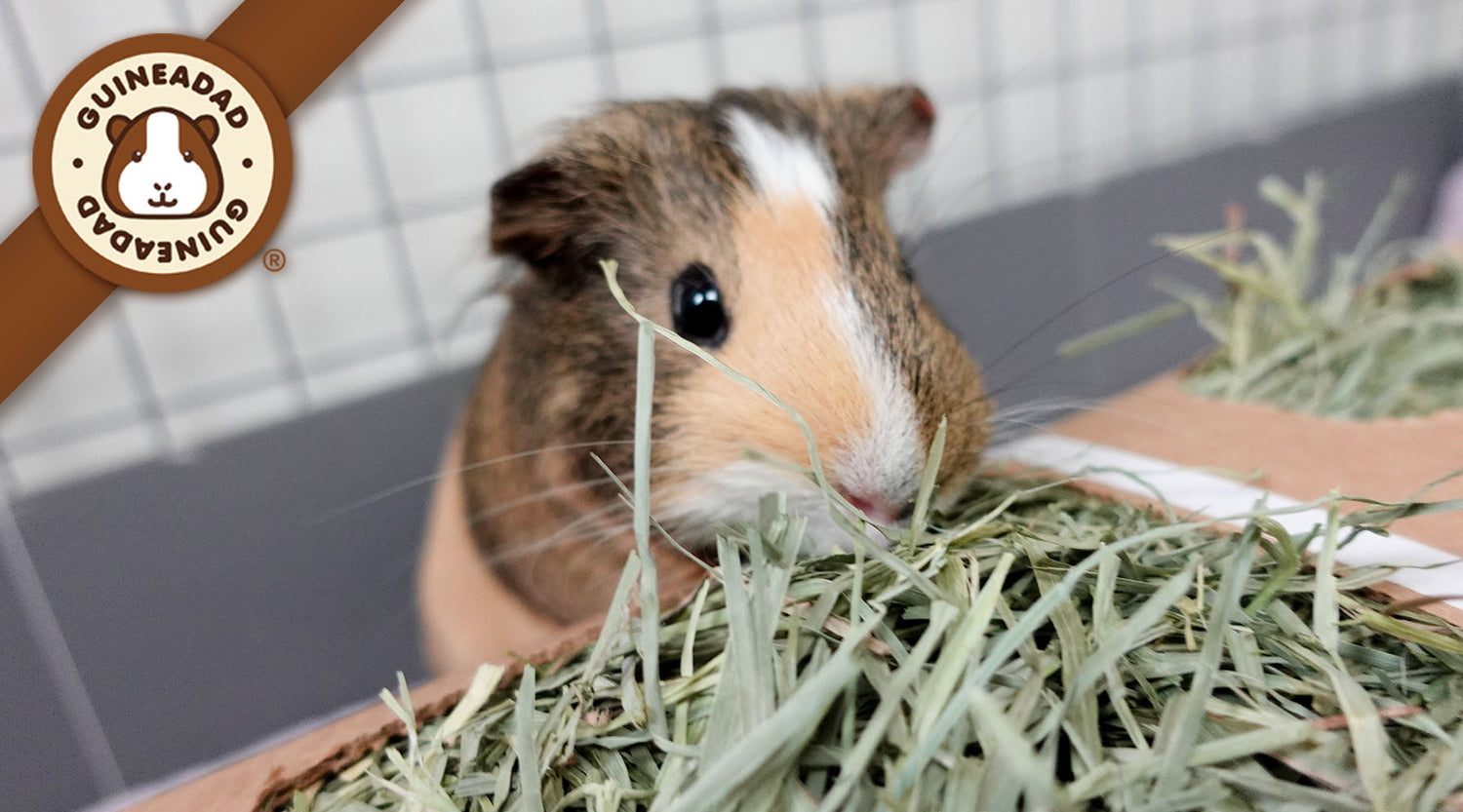
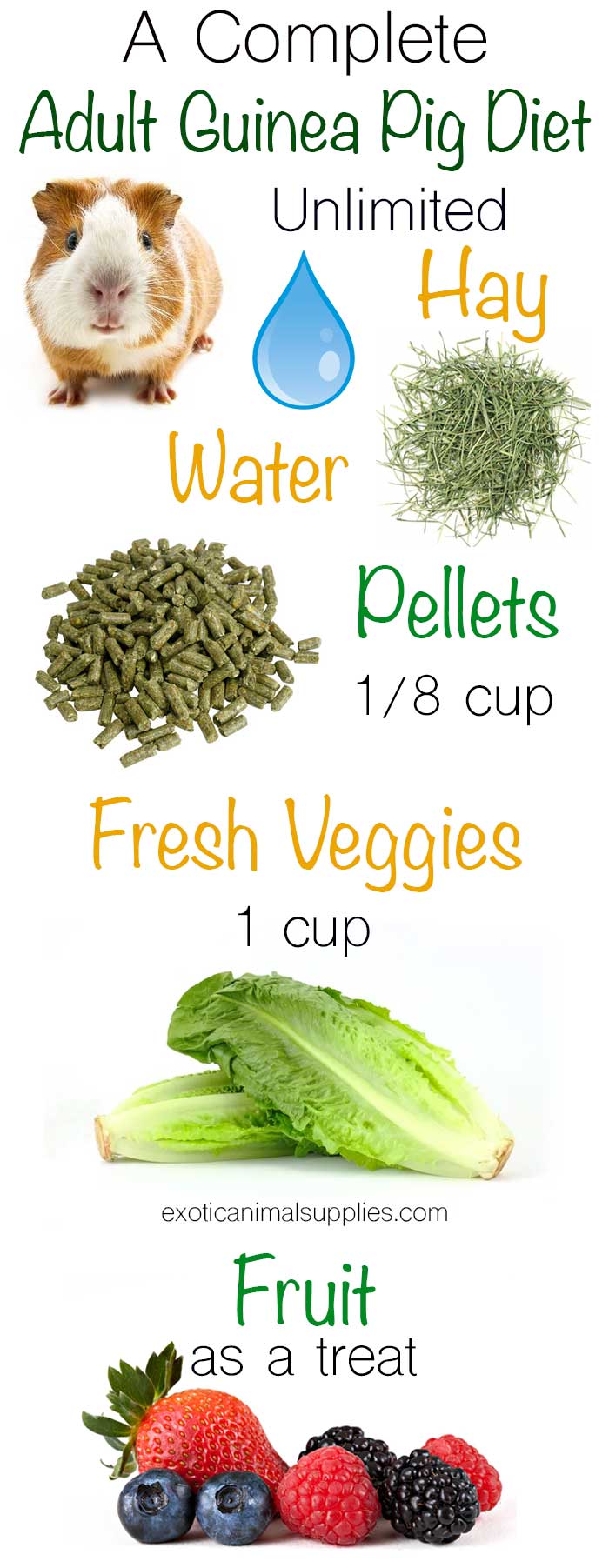
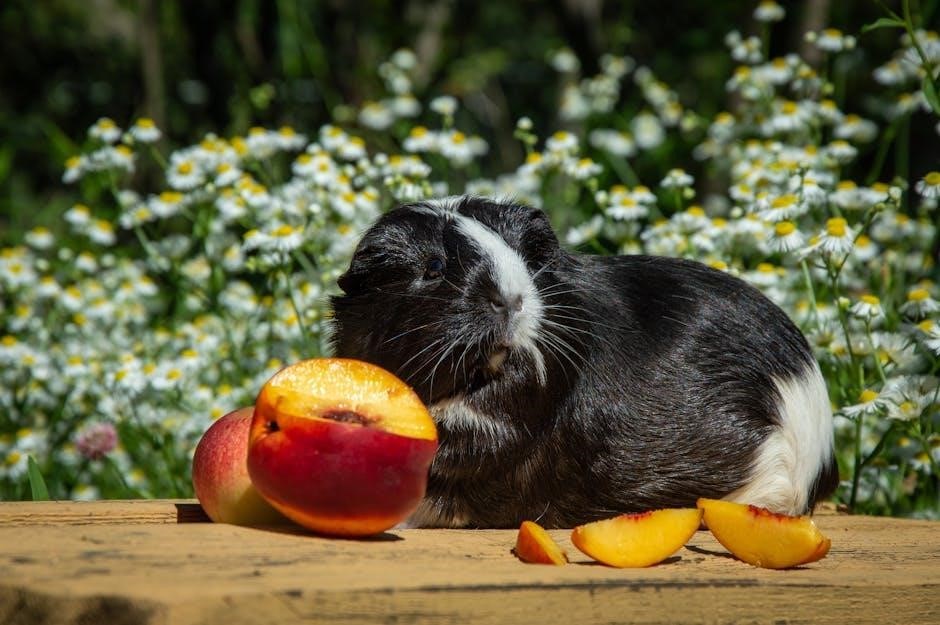
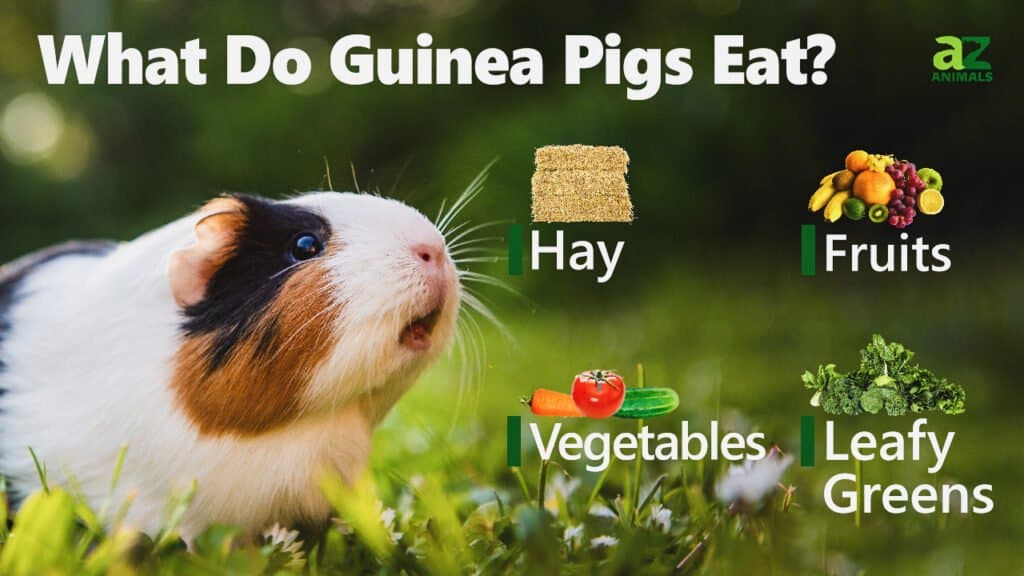
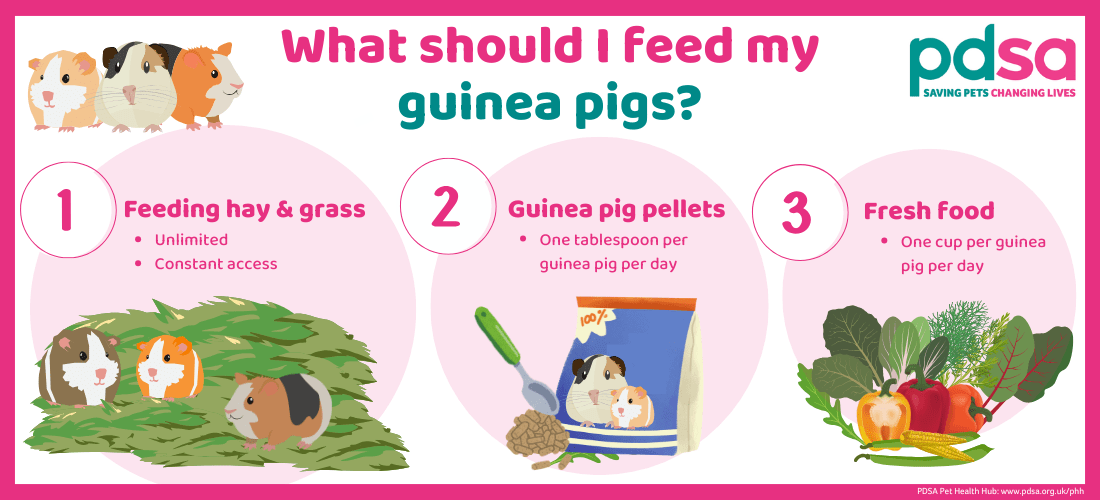
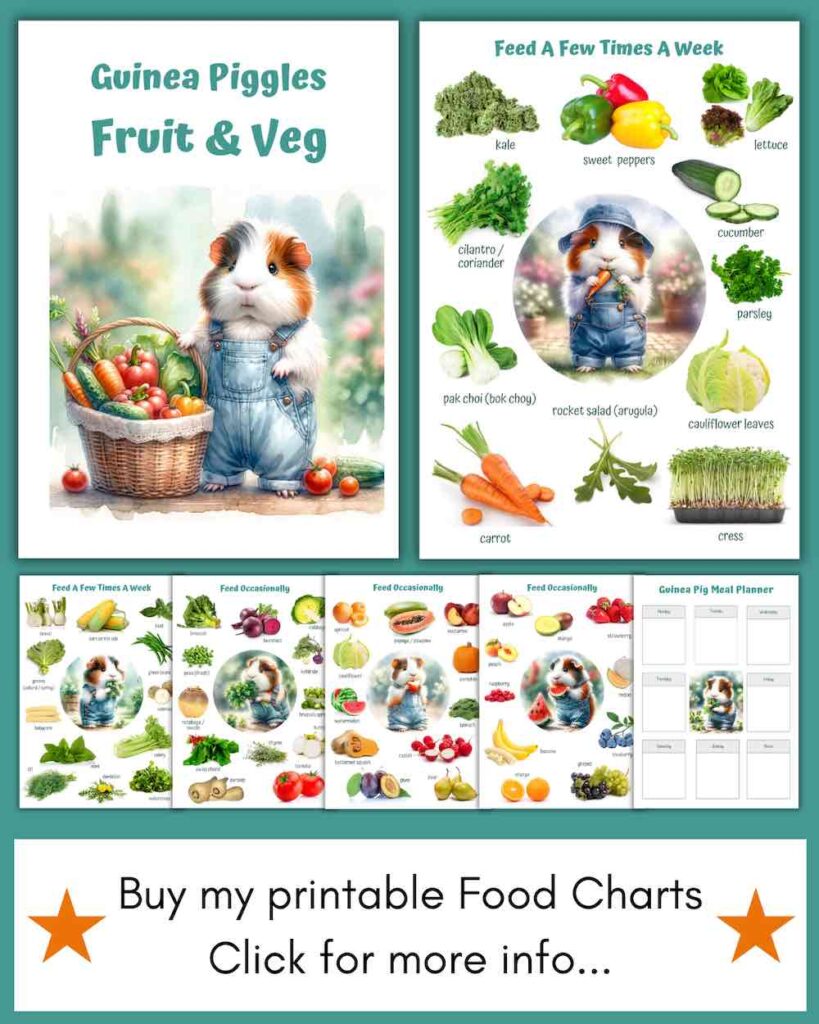
They require a high-fiber diet rich in vitamins and minerals, and they need to eat constantly to keep their digestive system working properly. A good guinea pig diet should include a mix of hay, pellets, and fresh vegetables, with occasional treats and fruits.
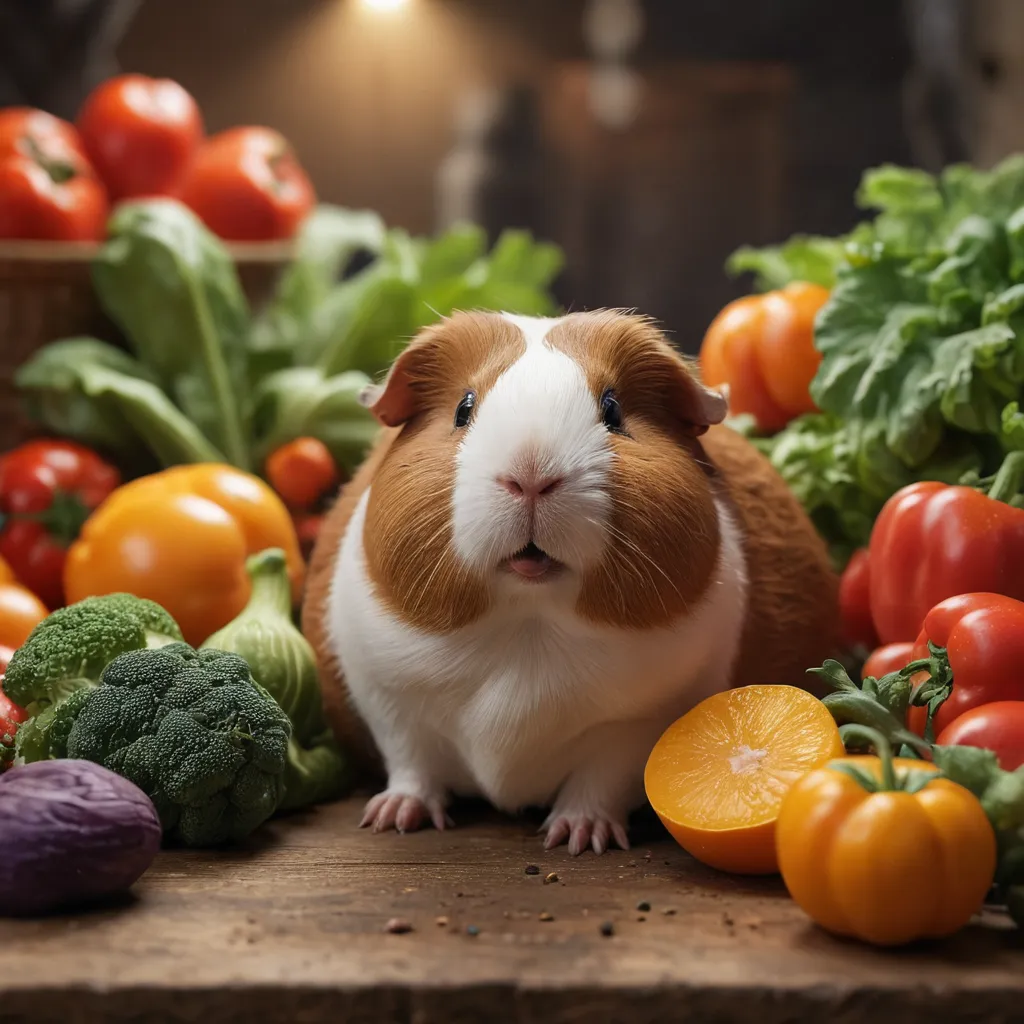
Guinea pigs don't usually overeat, but it's important to provide the proper balance of pellets, hay and fresh vegetables. Like human beings, guinea pigs cannot make their own vitamin C, so they require vitamin C-rich foods in their daily diet.
Introducing new foods too quickly or providing foods high in sugar or lacking in fiber can lead to digestive issues and a lack of appetite. Transitioning to new foods gradually is essential to prevent this.