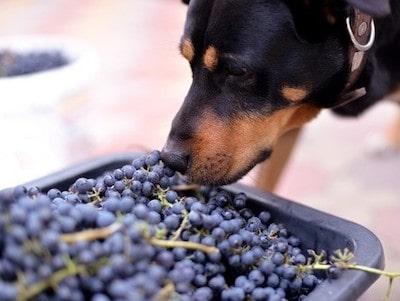
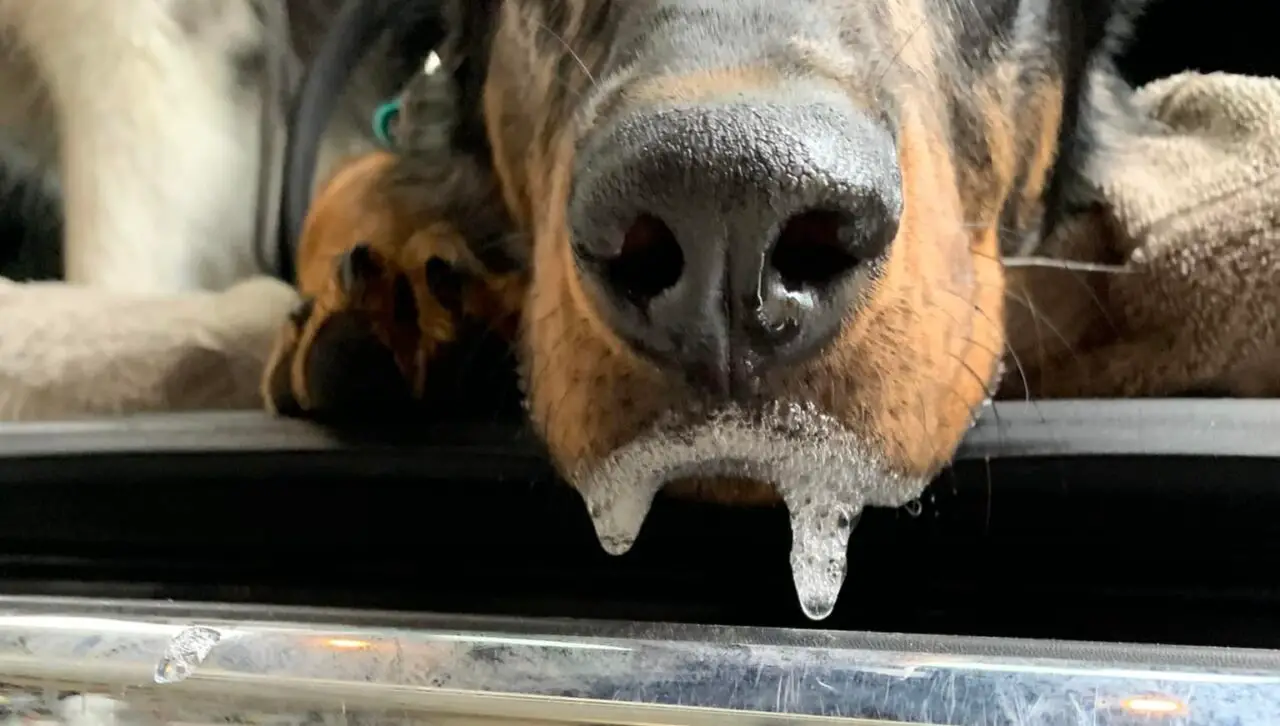
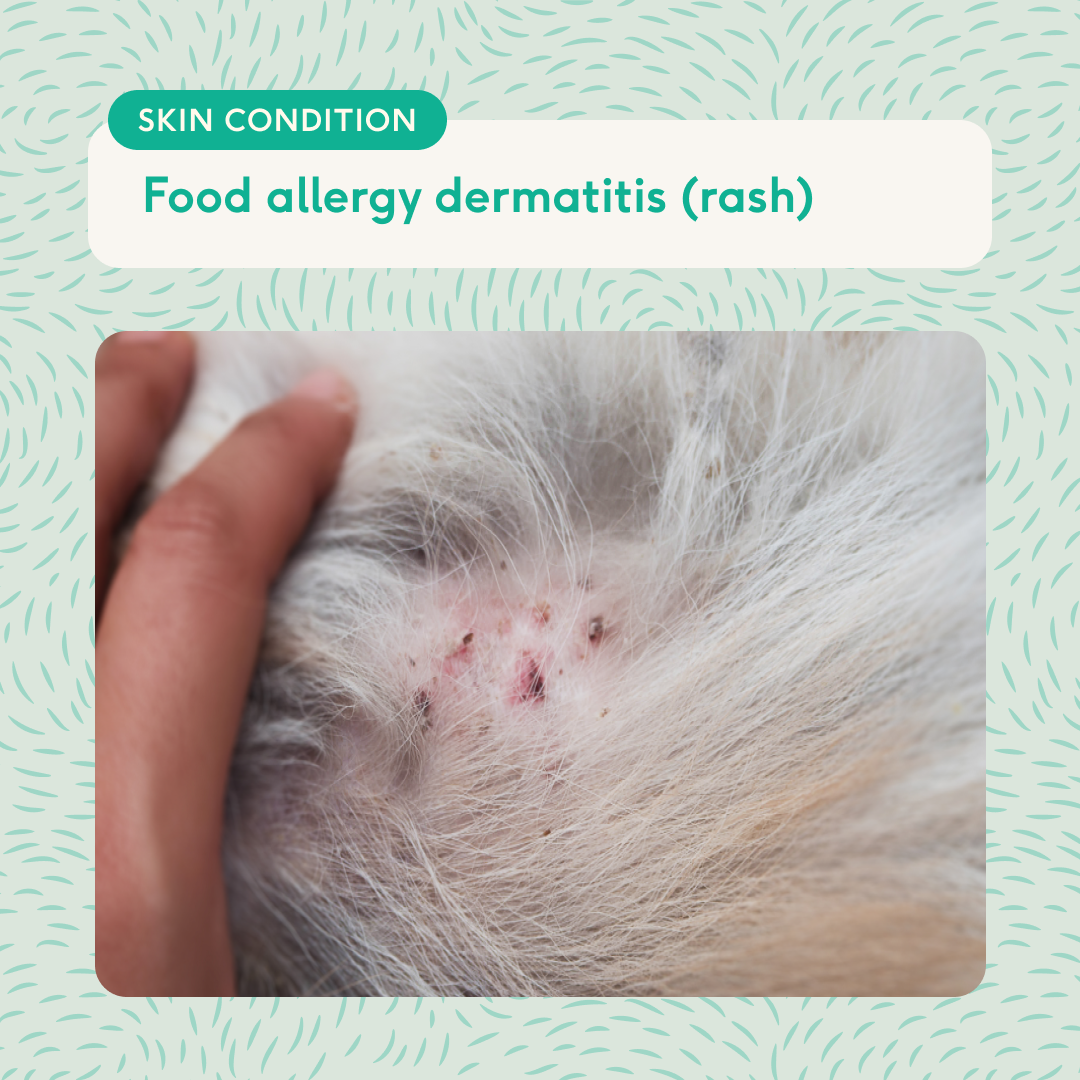
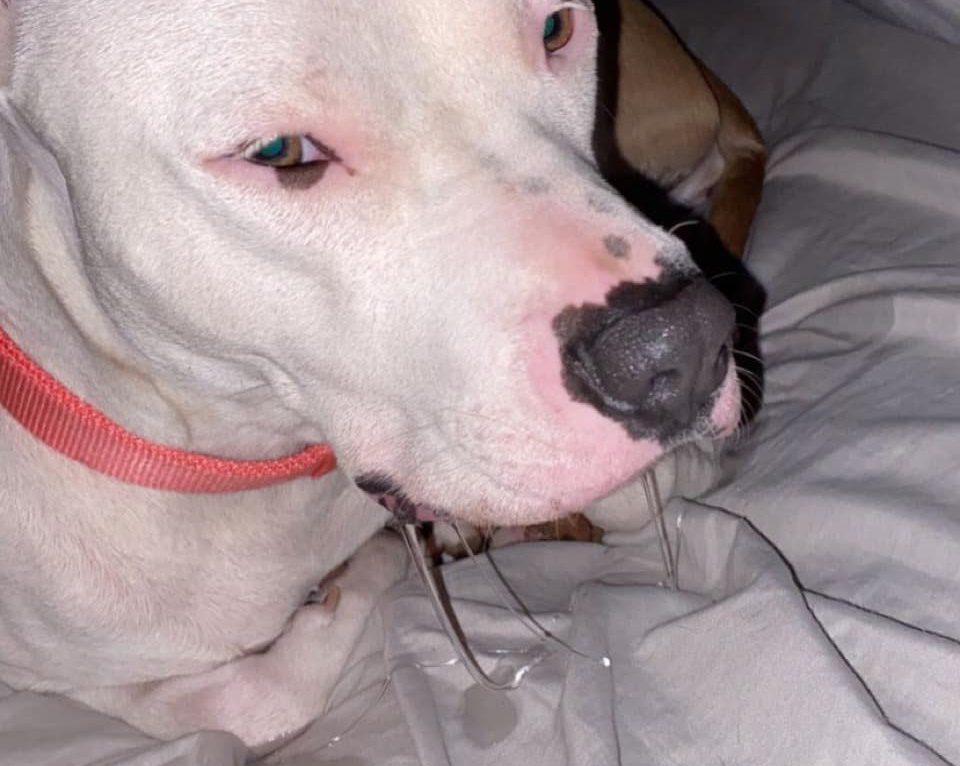
Treatment for grape toxicity in dogs typically involves inducing vomiting to remove the toxic substances from the stomach, as well as providing supportive care to prevent kidney damage. Grape and raisins toxicity dogs can cause sudden kidney failure. Learn symptoms, when to induce vomiting with 3% peroxide, charcoal dosing, and when to see a vet. There is no specific antidote for grape or raisin toxicity. Treatment focuses on removing any remaining fruit to prevent further absorption of toxin (decontamination) and supportive care. For recent ingestion with no clinical signs of illness, your veterinarian will induce vomiting. The immediate question that follows such an incident is, What to give my dog if they ate a grape? This article delves into the necessary steps to take, the symptoms to watch for, and the critical importance of veterinary intervention. In this article, well delve into the world of grape toxicity in dogs, exploring the symptoms, treatment options, and preventive measures you can take to keep your pet safe. Veterinary literature highlights that clinical signs following grape ingestion align with poisoning symptomsnot allergic responses such as hives or respiratory distress seen with allergens like chicken or beef protein. How do you treat grape toxicity in dogs? Treatment for grape toxicity in dogs is primarily supportive, aiming to manage symptoms and support the kidneys while they recover. This can include: Hospitalization for close monitoring and support. Intravenous fluids to help maintain hydration and support kidney function. Medications to control vomiting, diarrhea, and pain. What happens if a dog eats grapes? Grape and raisin toxicosis happen when a dog ingests fruits from the Vitis genus. Eating grapes, raisins, Zante currants, or sultanas can cause acute kidney injury (AKI) in dogs. The exact amount of fruit that causes toxicity is unknown, and some dogs may become sicker than others. What should I do if my dog eats grapes? If you suspect your dog has ingested grapes, do not wait for symptoms to appear; instead, contact your veterinarian immediately. Prompt action and professional care can significantly improve outcomes, while delaying treatment can lead to more severe kidney damage and a poorer prognosis. What are the symptoms of grape toxicity in dogs? The symptoms of grape toxicity in dogs can vary depending on the amount and type of grapes consumed, as well as the individual dogs sensitivity. Common symptoms include vomiting, diarrhea, lethargy, and lack of appetite. Pet owners often ask what to do if their dog eats grapes or raisins. Establishing a practice protocol for grape or raisin toxicosis can keep your team ready to respond!


Moving forward, it's essential to keep these visual contexts in mind when discussing Dog Allergy Symptoms To Grapes Treatment.