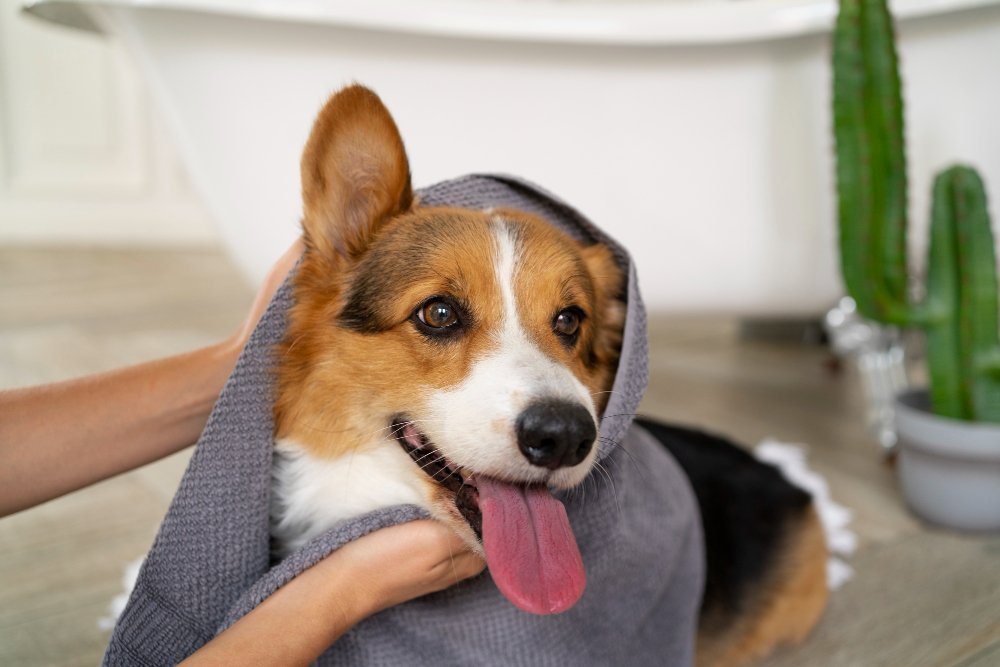
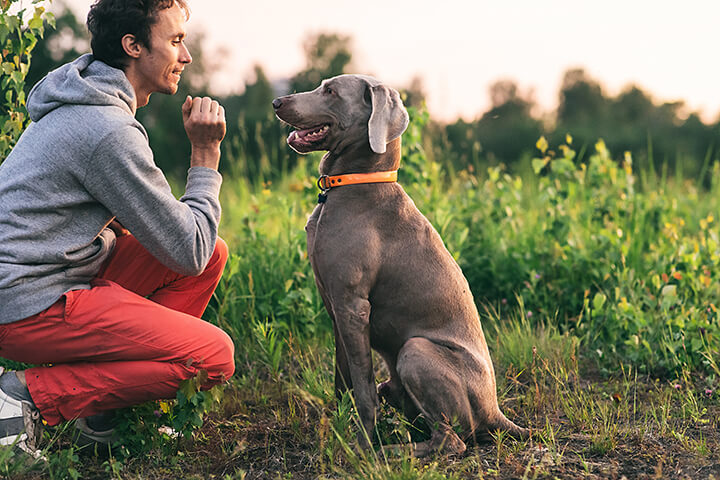
Symptoms of grass allergies in dogs include red skin, itching, licking, rash, and in rare cases, anaphylaxis. Treatment for grass allergies in dogs focuses on symptom control and includes topical therapies, medications, and immunotherapy, depending on the severity.
Itching and grass eating in dogs are common symptoms that can indicate a variety of causes, from harmless allergies to life-threatening diseases. This article has highlighted the most important causes, accompanying symptoms, and treatment options.
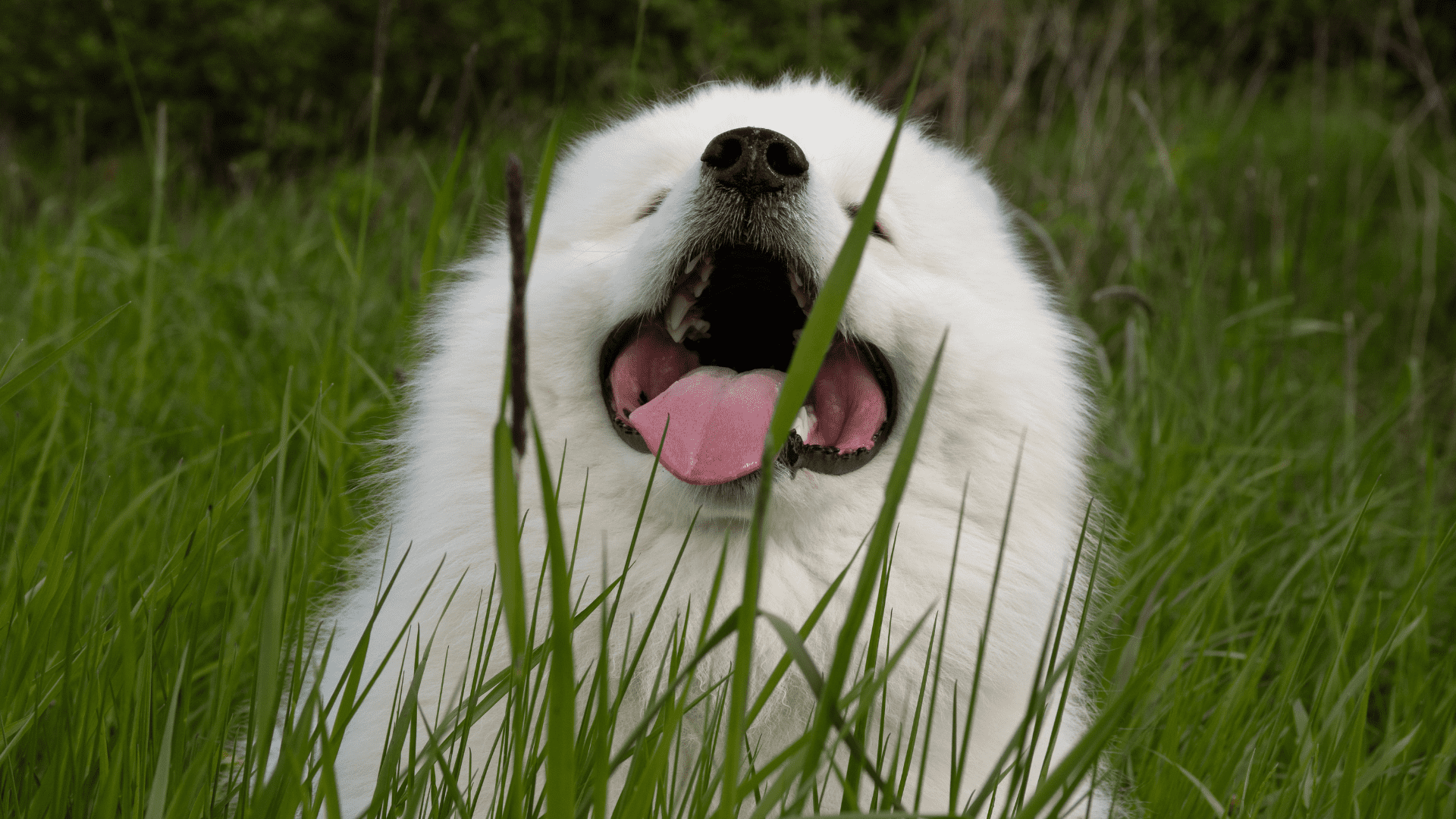
If your dog seems itchier after eating grass or has recurring skin or ear issues, ask your veterinarian about allergy testing and management options. For many dogs, eating grass is a quirky but harmless habit.

This particular example perfectly highlights why Dog Eating Grass And Skin Issues Remedies is so captivating.
dog allergic to grass often shows paw licking, rashes, and watery eyes. Discover 6 telltale signs and proven ways to manage flare-ups year-round. View all Are there any home remedies for itching and skin irritation caused by grass allergies? Soothing oatmeal baths, hypoallergenic shampoos, and cold compresses can help provide relief from itching and skin irritation caused by grass allergies. Is your dog struggling with grass allergies during warmer months? Discover how to identify symptoms like itching and sneezing, and learn effective treatment options including medications, immunotherapy, and natural remedies.

Are there any home remedies for itching and skin irritation caused by grass allergies? Soothing oatmeal baths, hypoallergenic shampoos, and cold compresses can help provide relief from itching and skin irritation caused by grass allergies.