While home remedies, such as activated charcoal and supportive care, can help alleviate symptoms, they should not replace professional medical care. By understanding the risks of grape consumption, recognizing the symptoms of toxicity, and taking preventive measures, you can help keep your dog safe and healthy.
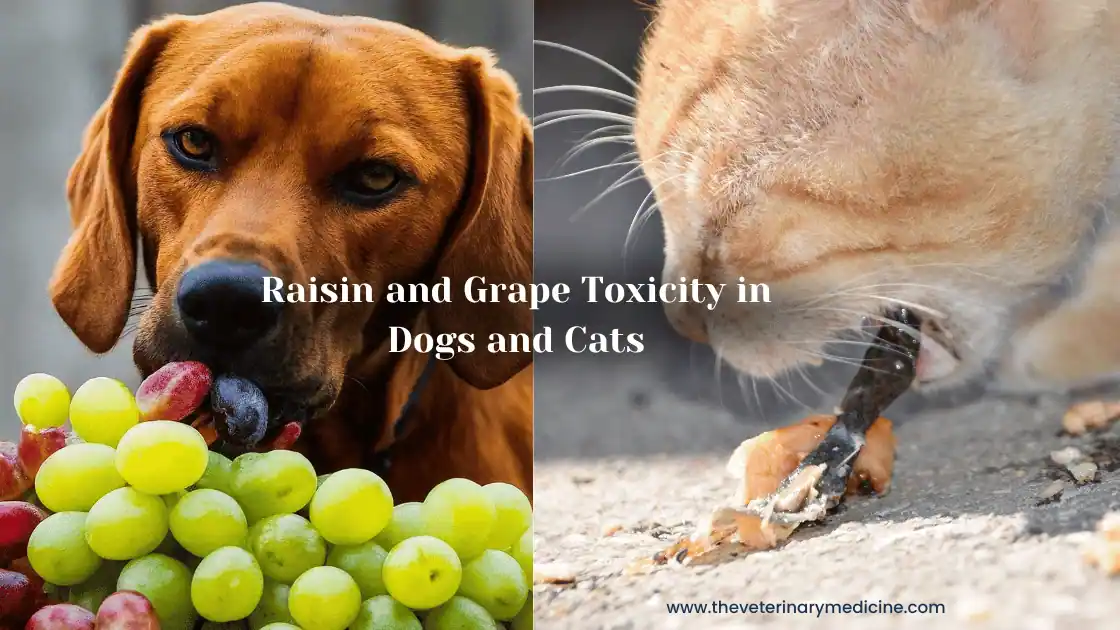
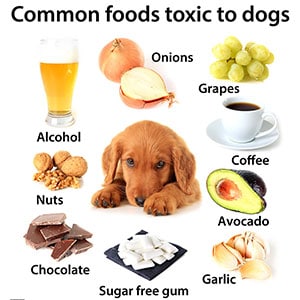
number of common foods are toxic to pets, including grapes and raisins. Understanding why grapes are dangerous and how toxicity develops can help you act quickly and protect your dog. Below, we explain what we currently know about grape toxicity in dogs, what symptoms to watch for, and what to do next.
Grape and raisins toxicity dogs can cause sudden kidney failure. Learn symptoms, when to induce vomiting with 3% peroxide, charcoal dosing, and when to see a vet.

Moving forward, it's essential to keep these visual contexts in mind when discussing Dog Grape Toxicity Symptoms And Treatment At Home.
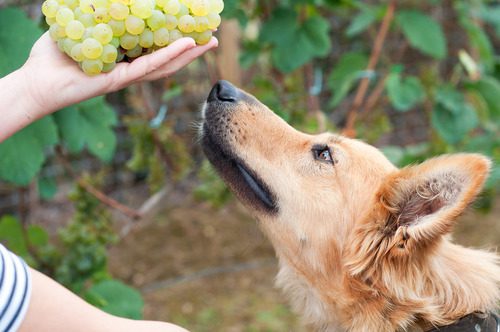
Did your dog eat a grape? Learn why grapes are toxic to dogs, the symptoms of poisoning, and when to seek emergency veterinary care to prevent kidney damage.
Dog ate grapes? Treat it as an emergency. Learn symptoms timeline, what to do immediately, and when to call your vet or poison control.

The treatment for grape toxicity in dogs typically involves supportive care to manage symptoms and prevent further complications. Your veterinarian may recommend hospitalization to provide intravenous fluids, medication to control vomiting and diarrhea, and monitoring of kidney function.