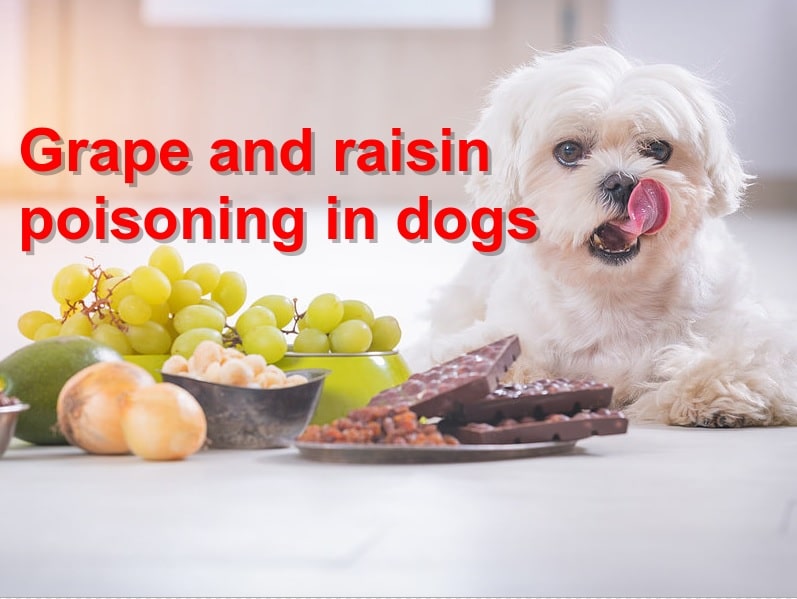
While grape juice may contain less toxic compounds than whole grapes, it still poses a risk and should be avoided to ensure your dog's safety. What should I do if my dog shows symptoms after ingesting grape juice? If your dog exhibits any symptoms of poisoning, seek immediate veterinary attention.
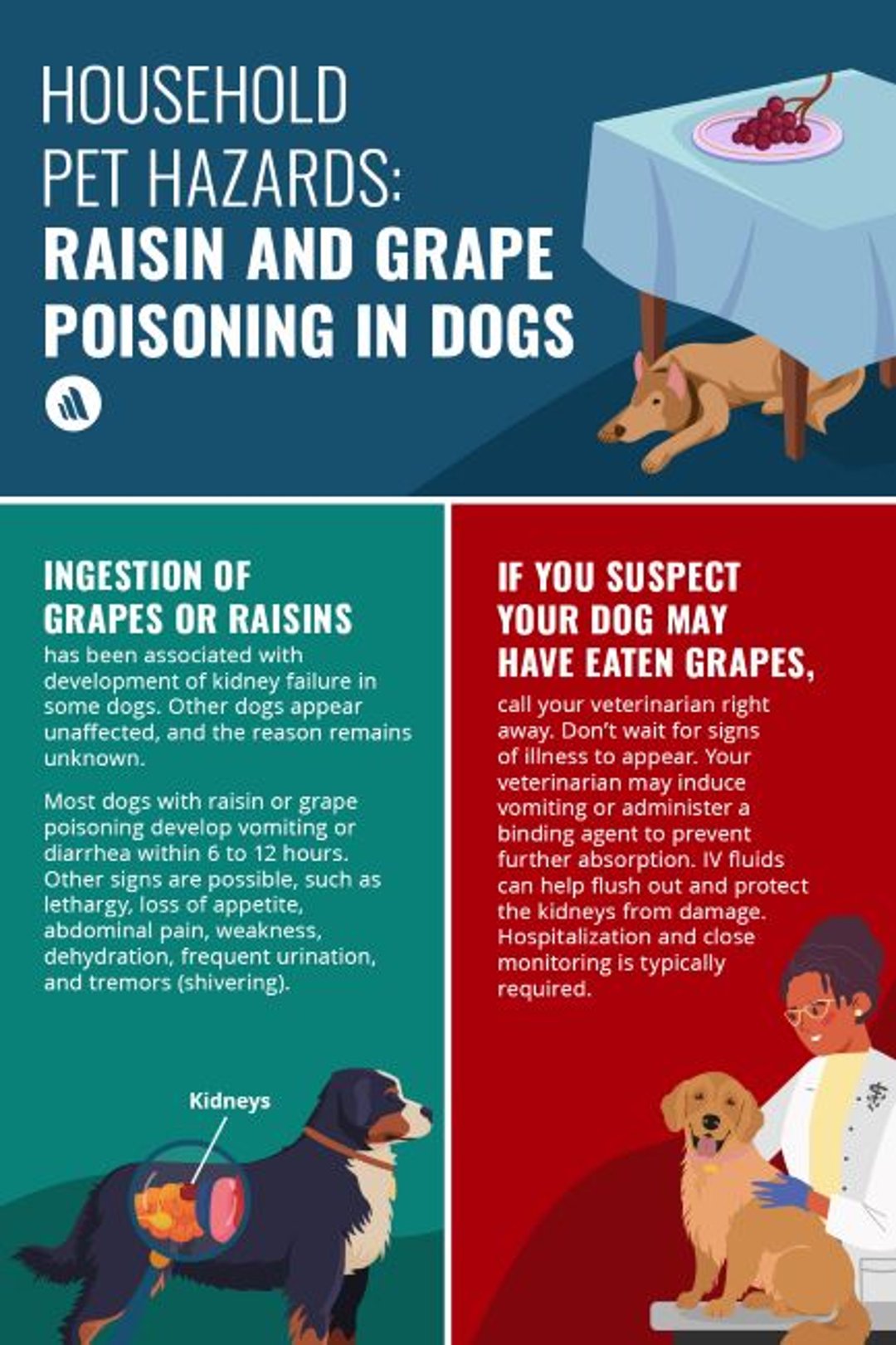
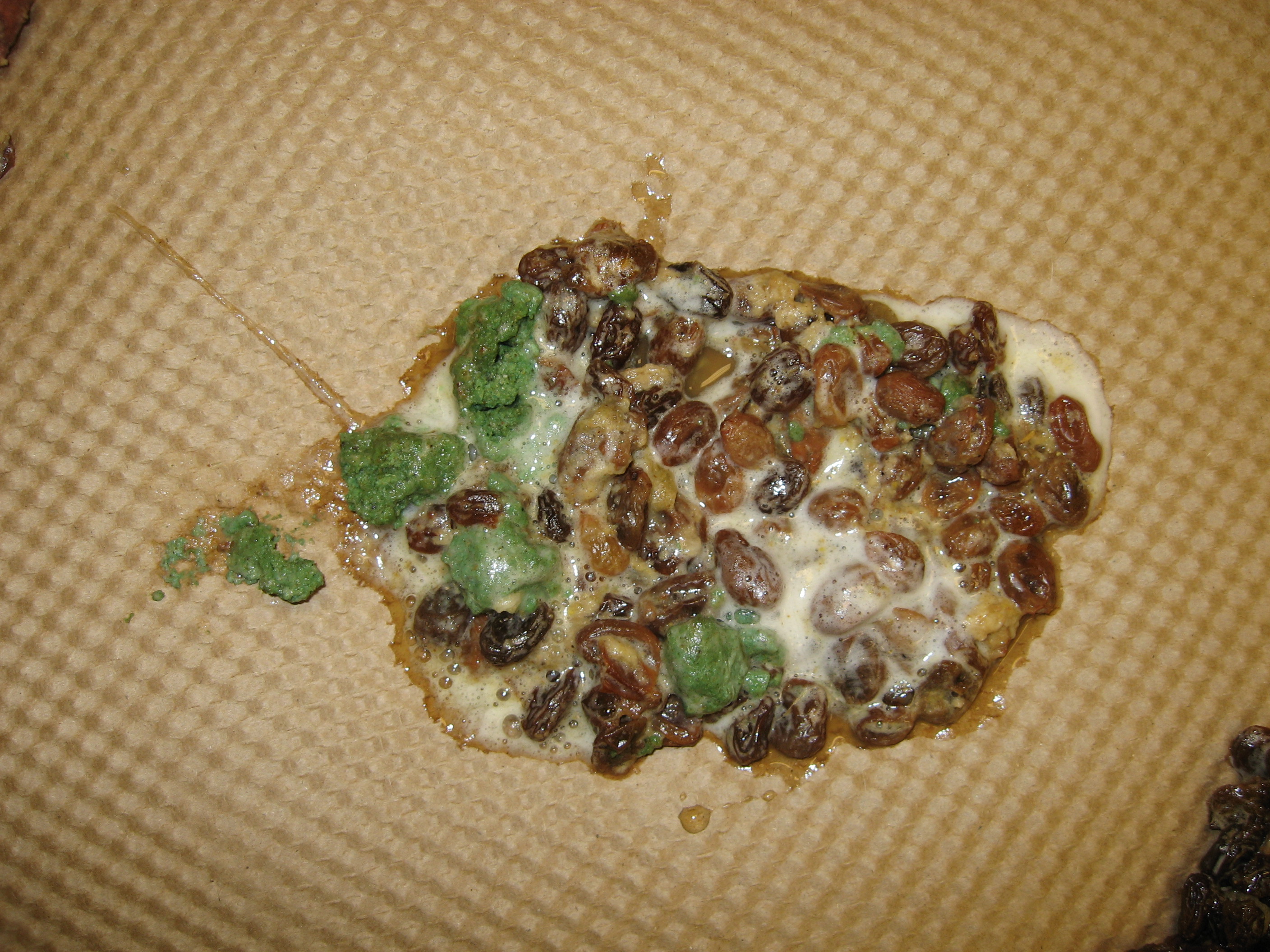
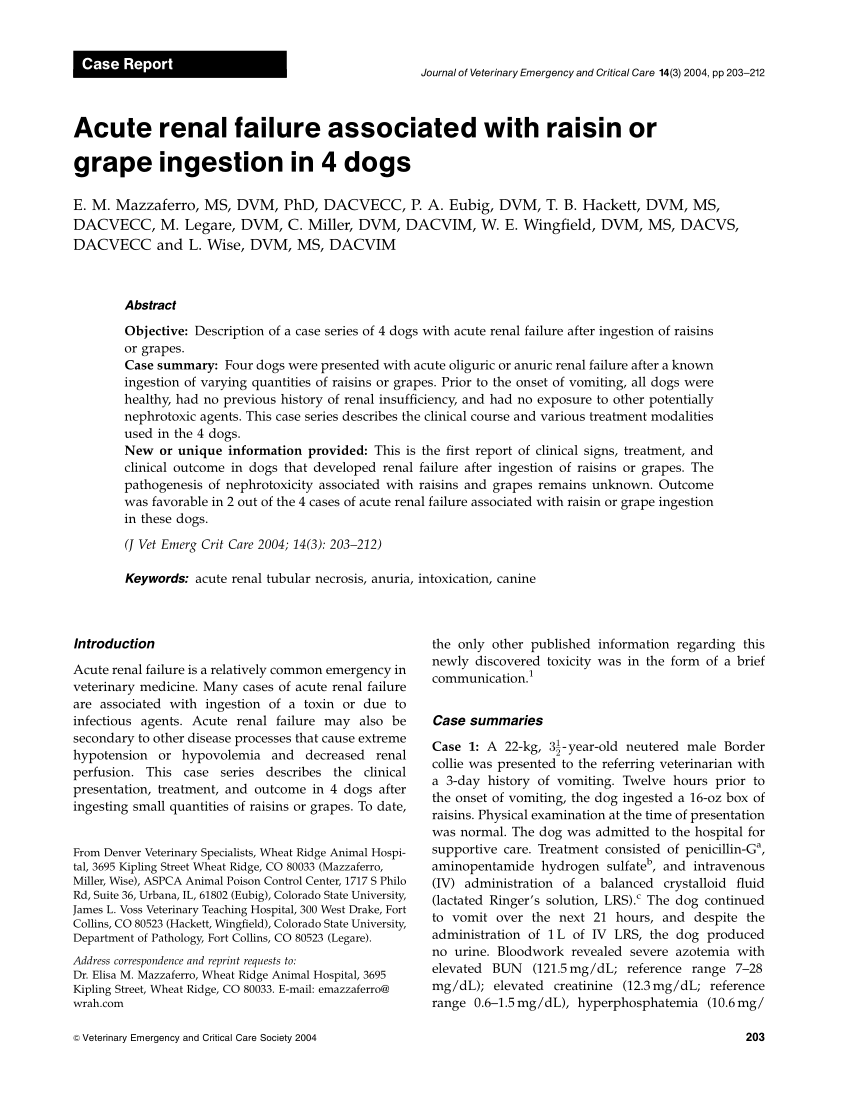
Toxicosis after ingesting grapes, raisins, Zante currants, and tamarinds has been occasionally reported in dogs. Clinical signs include vomiting or diarrhea within 612 hours of ingestion, lethargy, anorexia, polydipsia, dehydration, and elevation of serum creatinine and BUN concentrations.

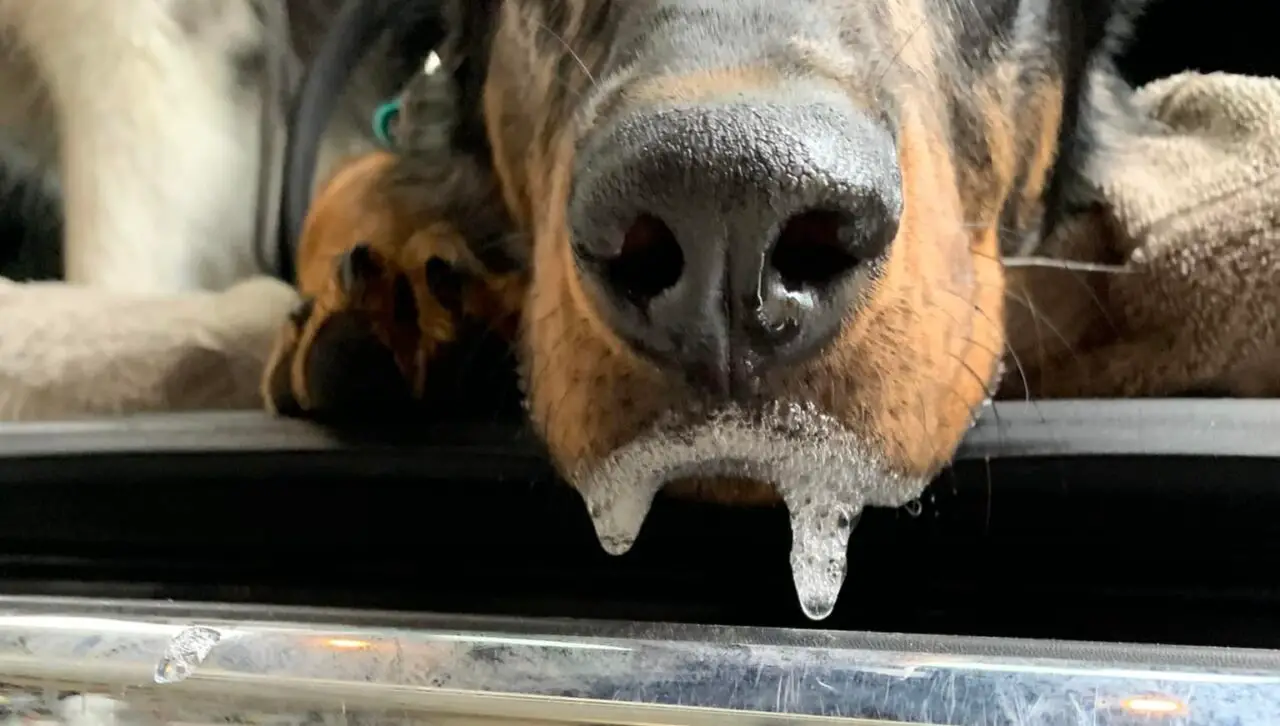
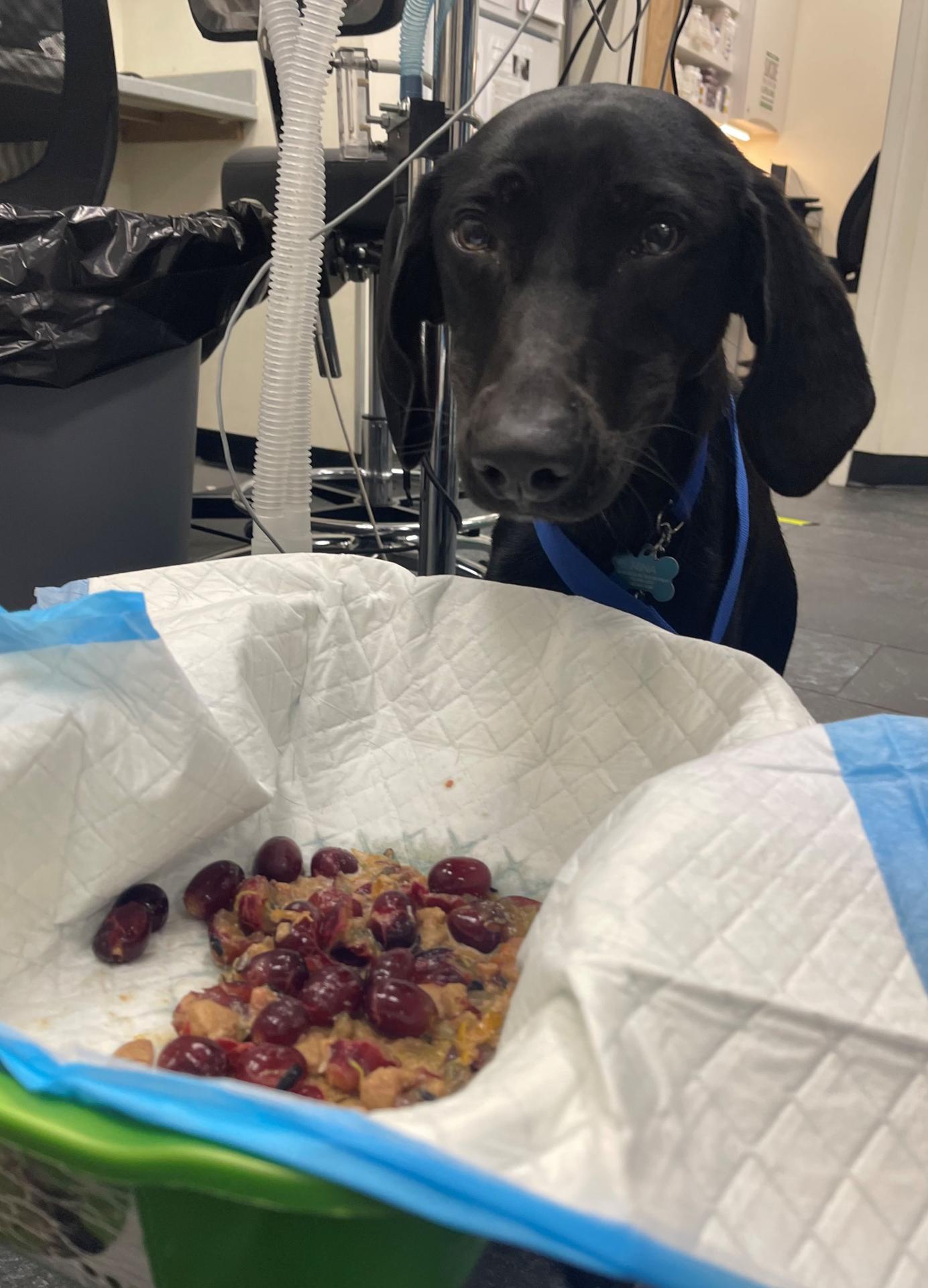
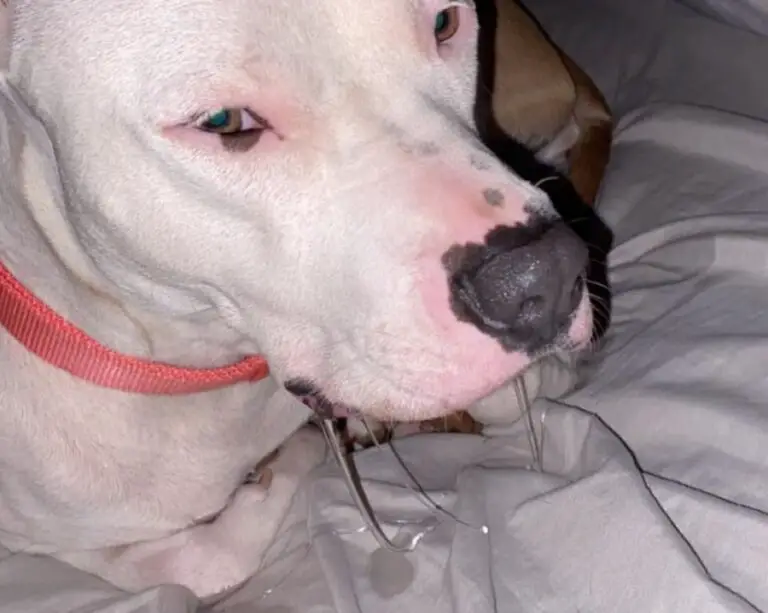
As we can see from the illustration, Dog Respiratory Distress From Grape Juice Ingestion has many fascinating aspects to explore.
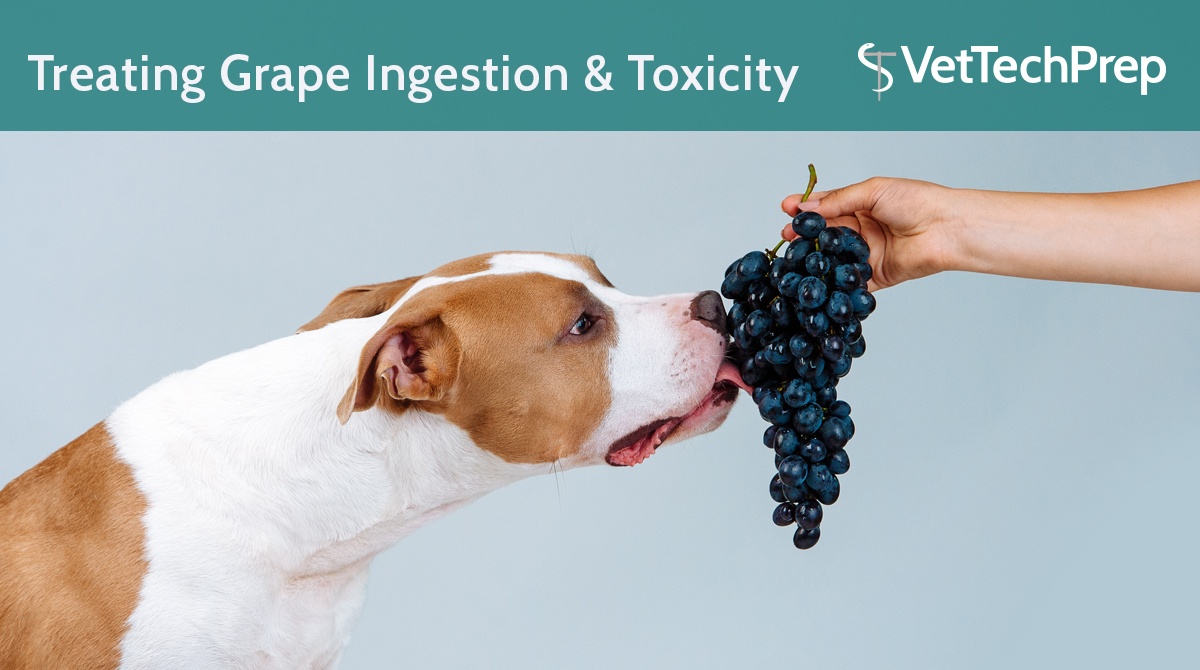
Despite the growing awareness of grape toxicity, there are still cases of dogs ingesting grapes or grape products and suffering from toxic reactions. It is crucial for pet owners to remain vigilant and keep grapes and grape products out of reach of their dogs.

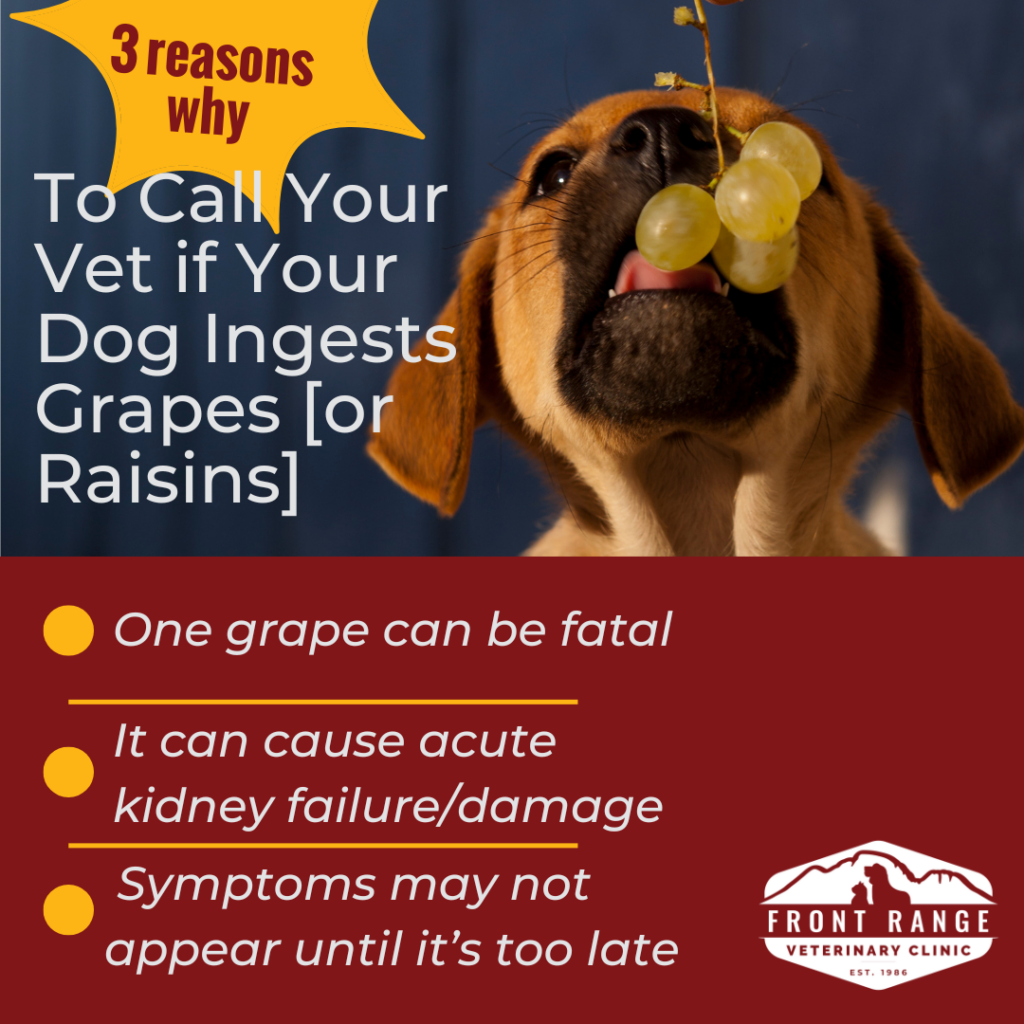
Since its impossible to predict which dog will be affected or how much fruit will cause signs of illness, any ingestion of grapes or related fruits should be considered serious. If your dog eats grapes or raisins, call your veterinarian or a pet poison control center immediately.
With prompt treatment and proper care, your dog can recover from grape ingestion and live a happy and healthy life. ... By following the tips and guidelines outlined in this article, you can help prevent grape toxicity in dogs and ensure your pet lives a long and healthy life.