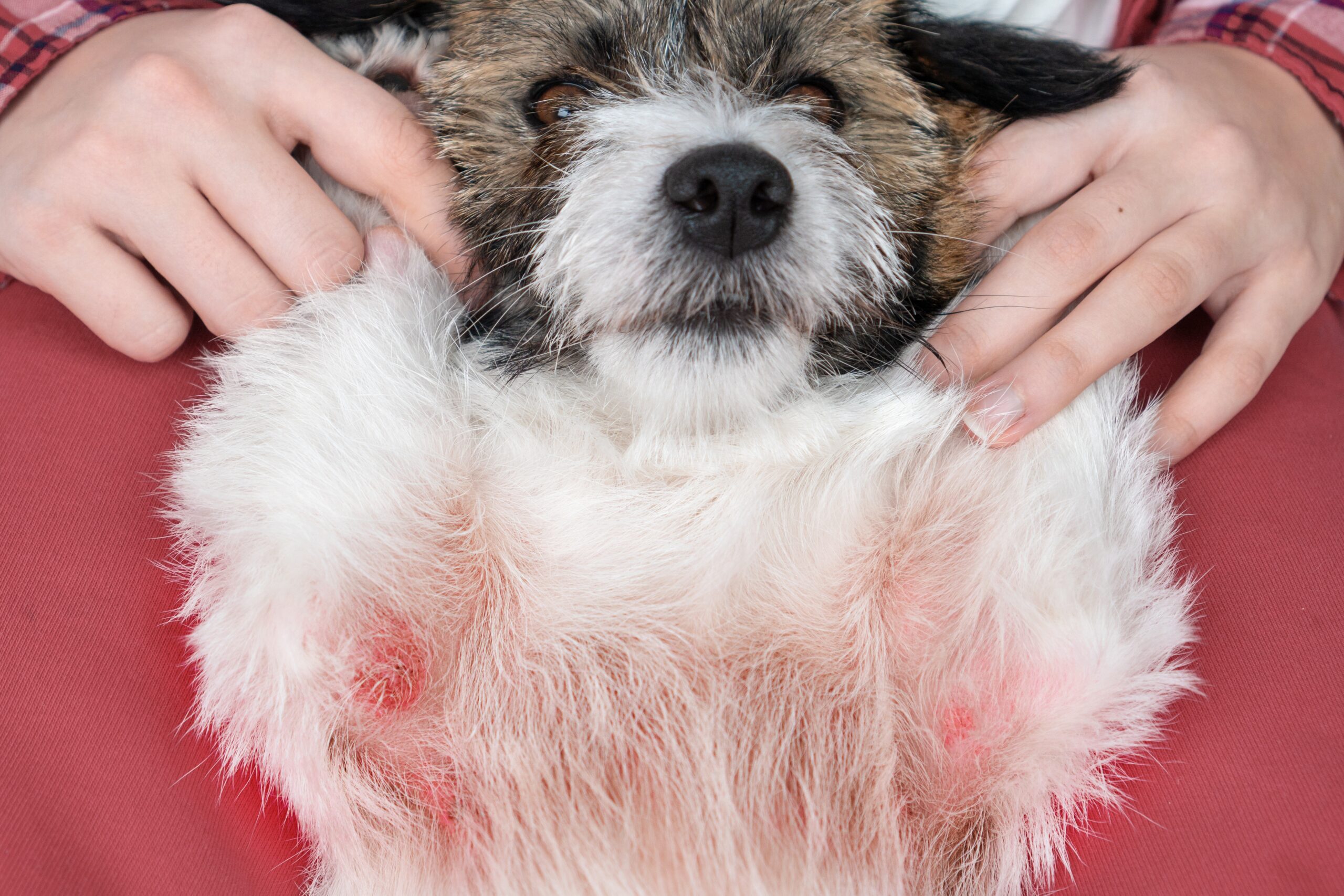
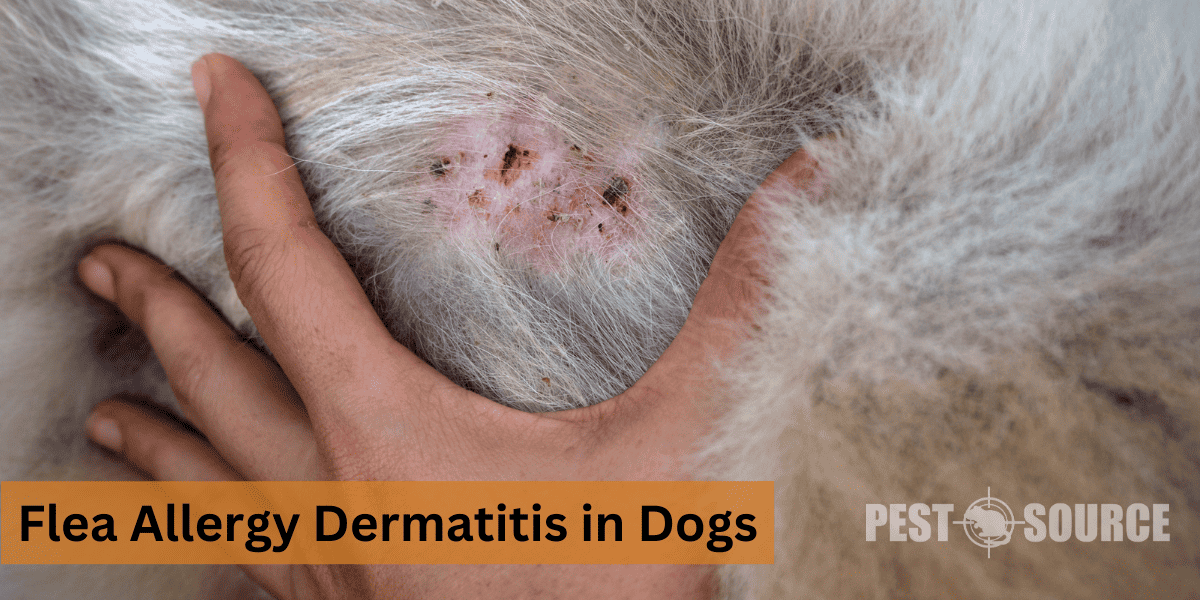
Flea allergy dermatitis is an allergy, more specifically, a hypersensitivity reaction against the proteins in the fleas saliva. The dogs immune system causes an inflammatory reaction, leading to intense itching and scratching.
Learn about the veterinary topic of Flea Allergy Dermatitis in Dogs and Cats. Find specific details on this topic and related topics from the Merck Vet Manual.

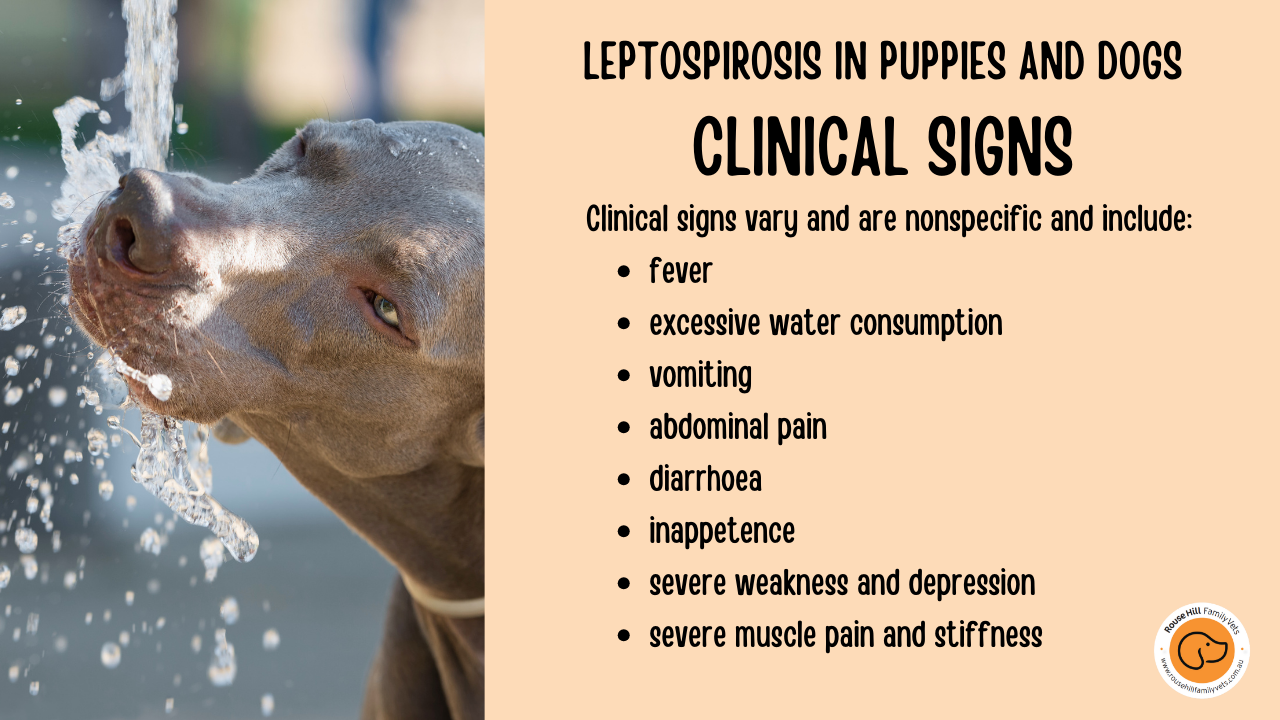
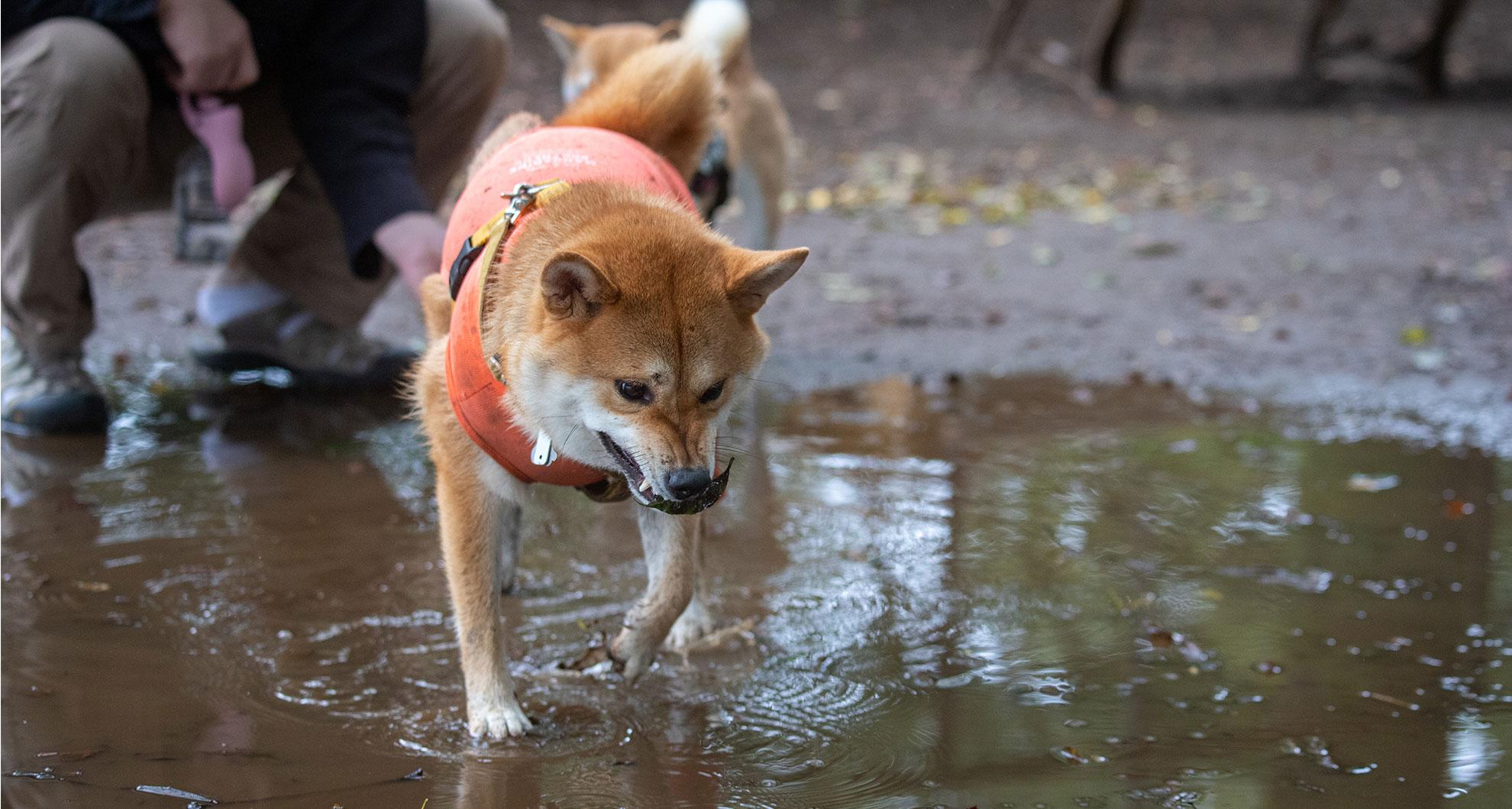
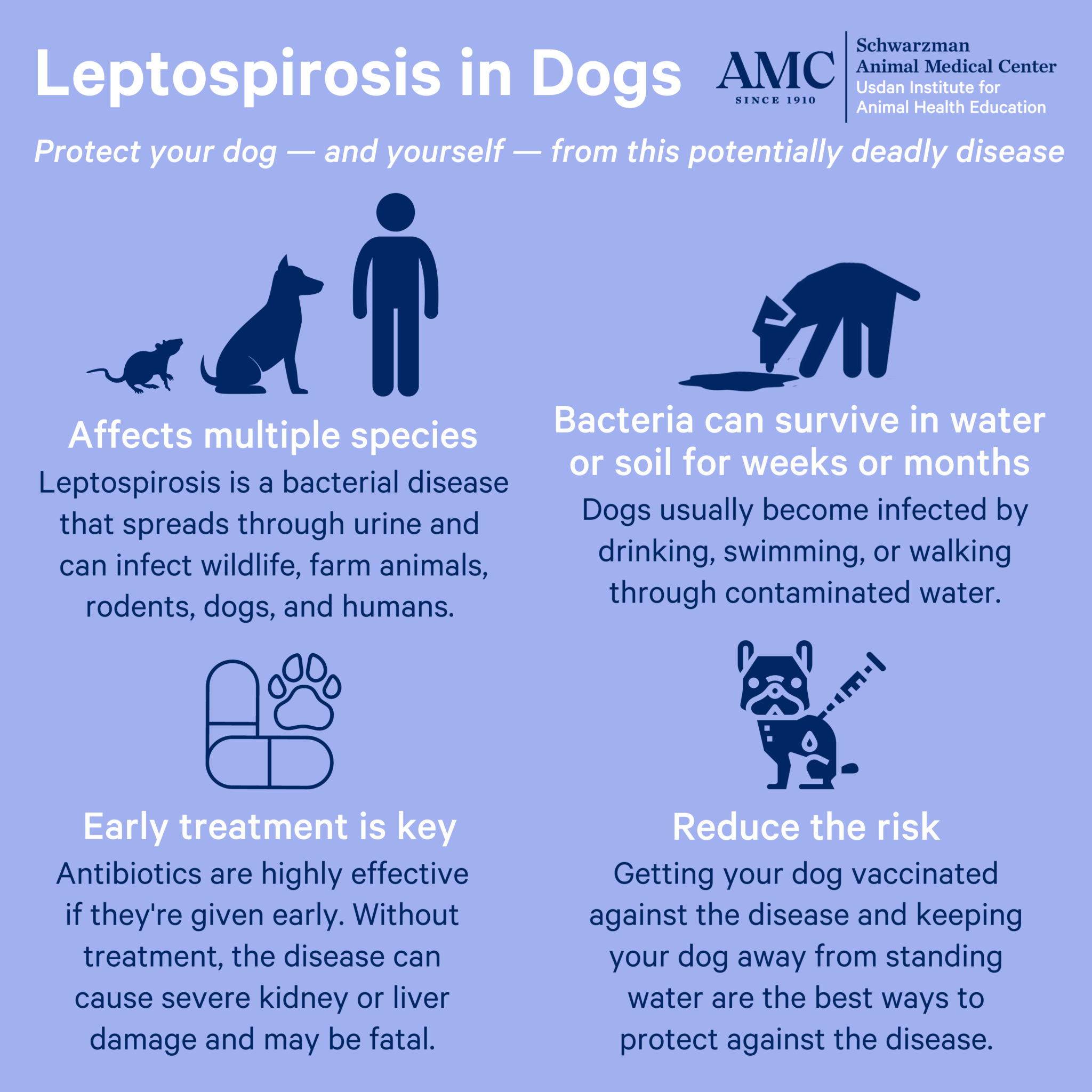
Leptospirosis is a disease transmitted through the bacteria in the urine of infected animals such as rodents, raccoons, skunks, and other dogs. Dogs usually become infected by drinking contaminated water or by contacting an infected animal's urine.

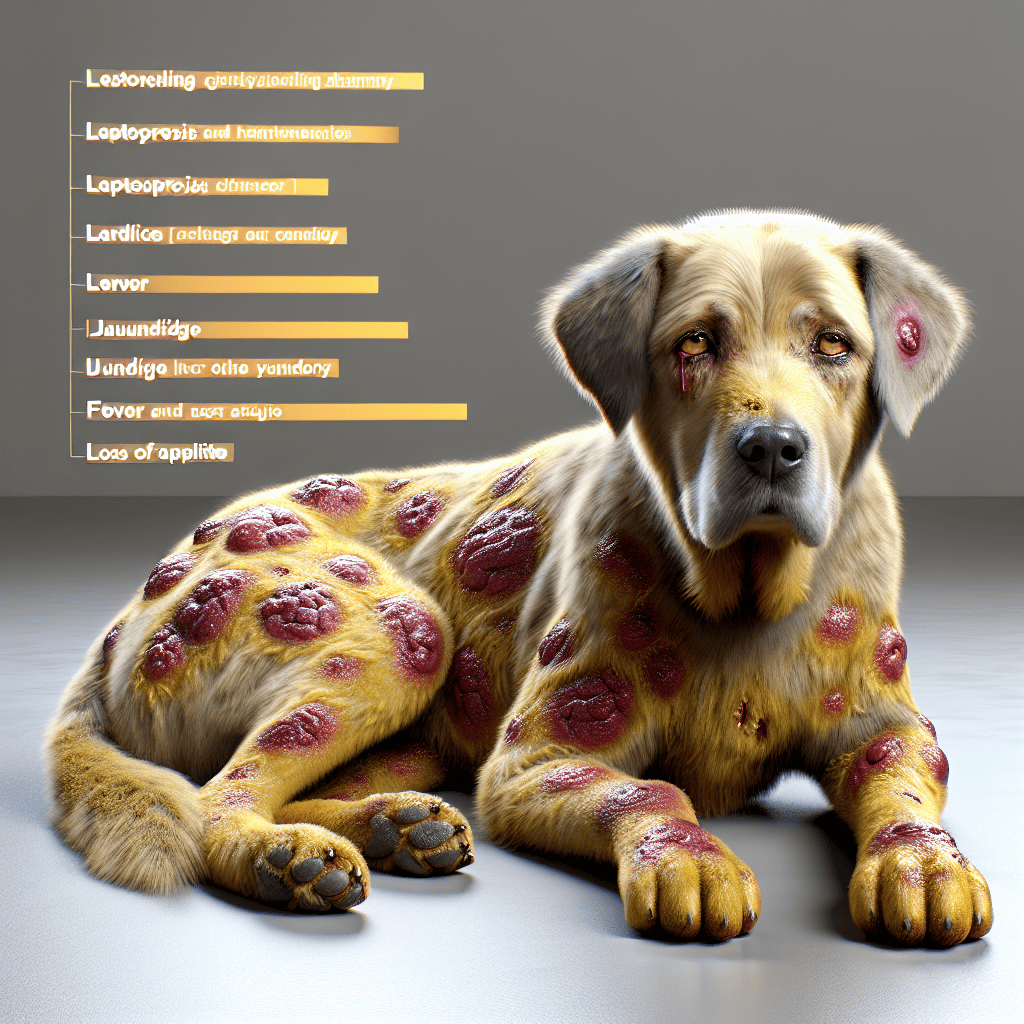
As we can see from the illustration, Dogs With Flea Allergy And Leptospirosis has many fascinating aspects to explore.
Learn about flea allergies in dogs, a common skin condition that can cause itching, redness, and discomfort. Discover its causes, symptoms, and treatment options to help your furry friend.
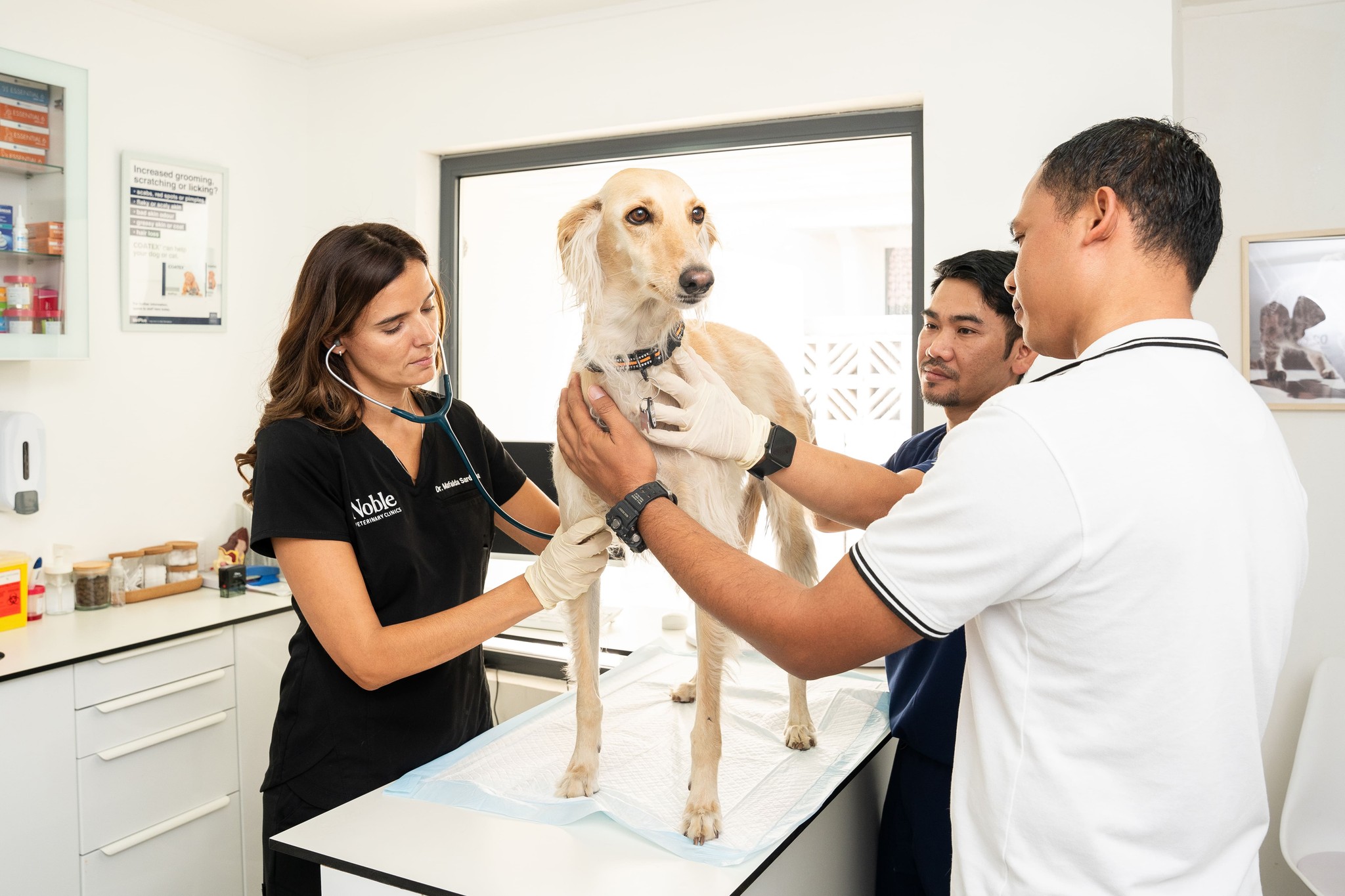
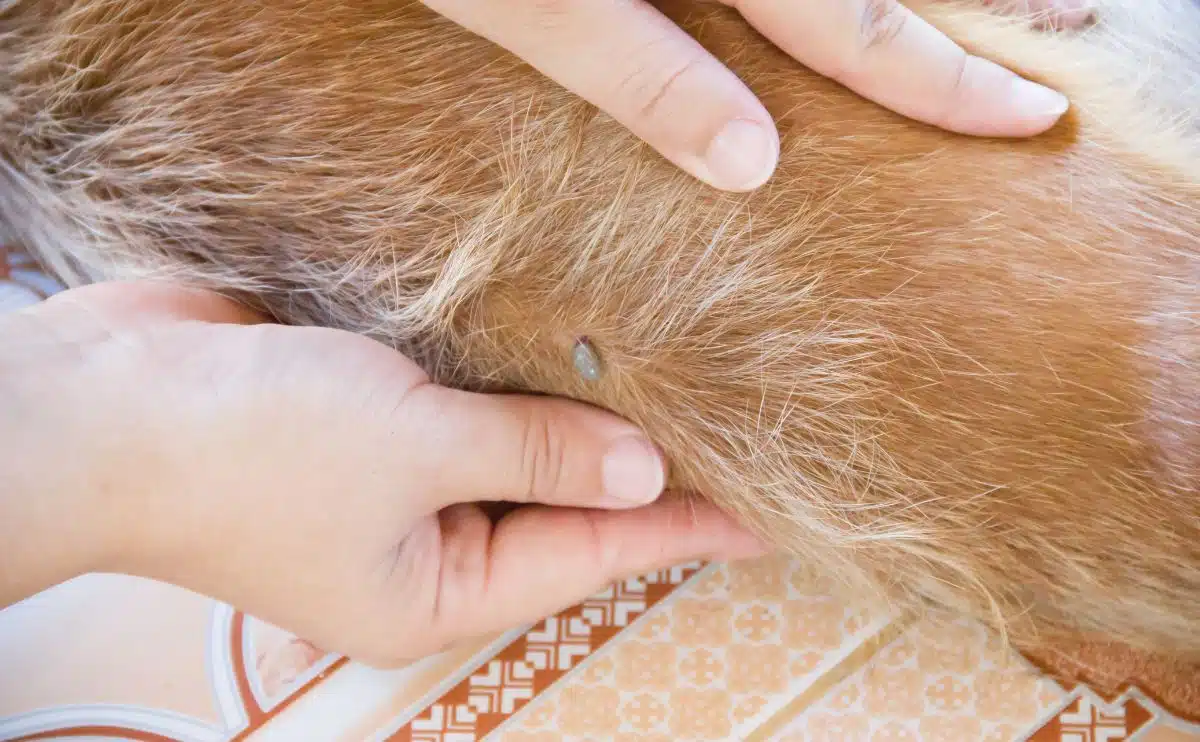
This particular example perfectly highlights why Dogs With Flea Allergy And Leptospirosis is so captivating.
Flea allergies, or flea allergic dermatitis (FAD), is the most common dermatologic disease of dogs in the United States. The allergy is to flea saliva so just one bite from a flea can cause an allergic reaction.
Flea infestation is a prevalent issue among domestic pets, with flea allergy dermatitis (FAD) being the most common dermatologic condition in dogs in the United States. Recent studies show a significant increase in the incidence of FAD in dogs, with a 13% rise reported over the last decade.