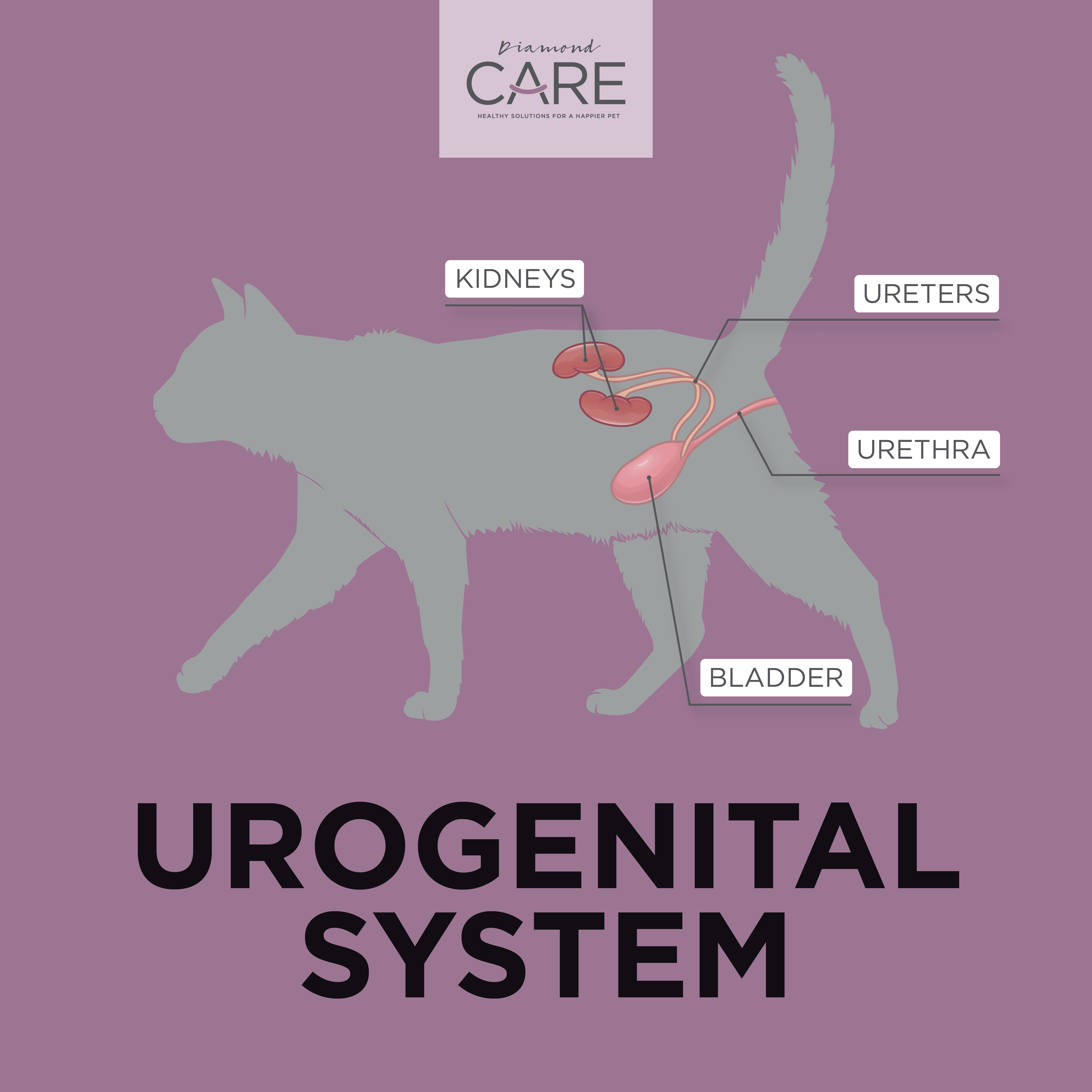
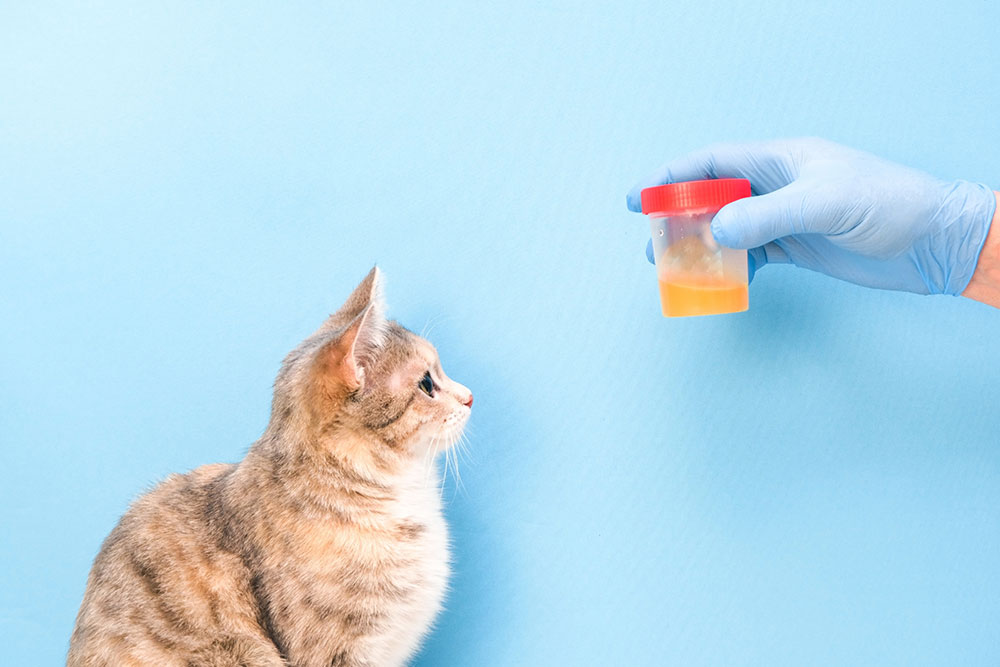
Cats with pyelonephritis have a high risk of unresolved or repeated kidney infections. They may also develop serious infections in other parts of the body (such as the heart or spine).
Dr. Katie Grzyb explains the types of kidney infections in cats, including underlying causes, diagnosis, and treatment options.

Signs of lower urinary tract disease in cats with FIC often resolve within a couple of weeks regardless of treatment, so most veterinarians treat the condition in order to prevent the signs from recurring.

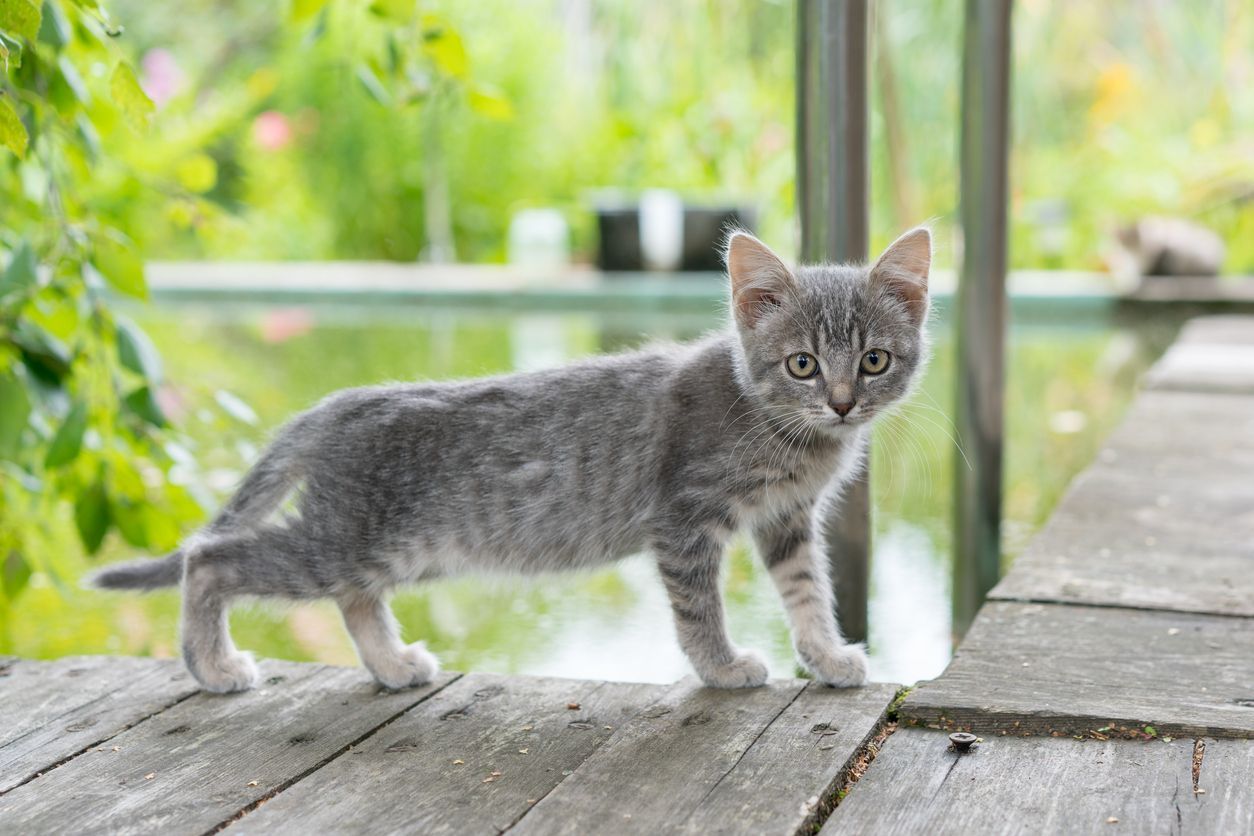
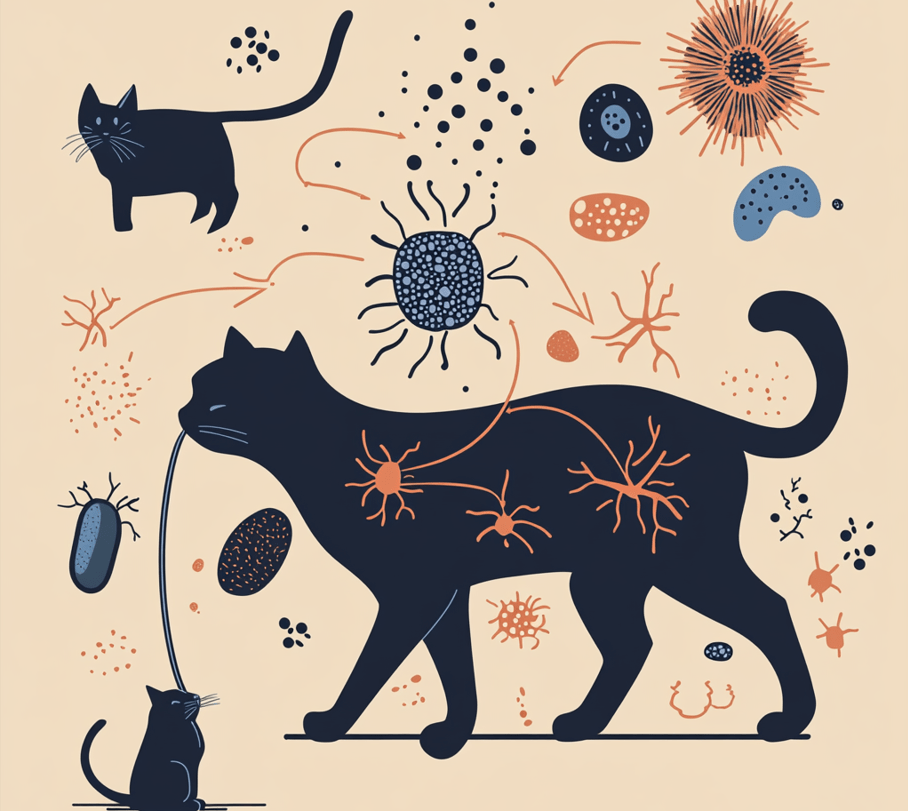
Furthermore, visual representations like the one above help us fully grasp the concept of Effects Of Urinary Tract Infections On Kittens' Kidneys.
Long-term kidney damage from an untreated UTI can lead to chronic kidney disease (CKD), which can significantly shorten a cats lifespan and require ongoing management with specialized diets and medications.

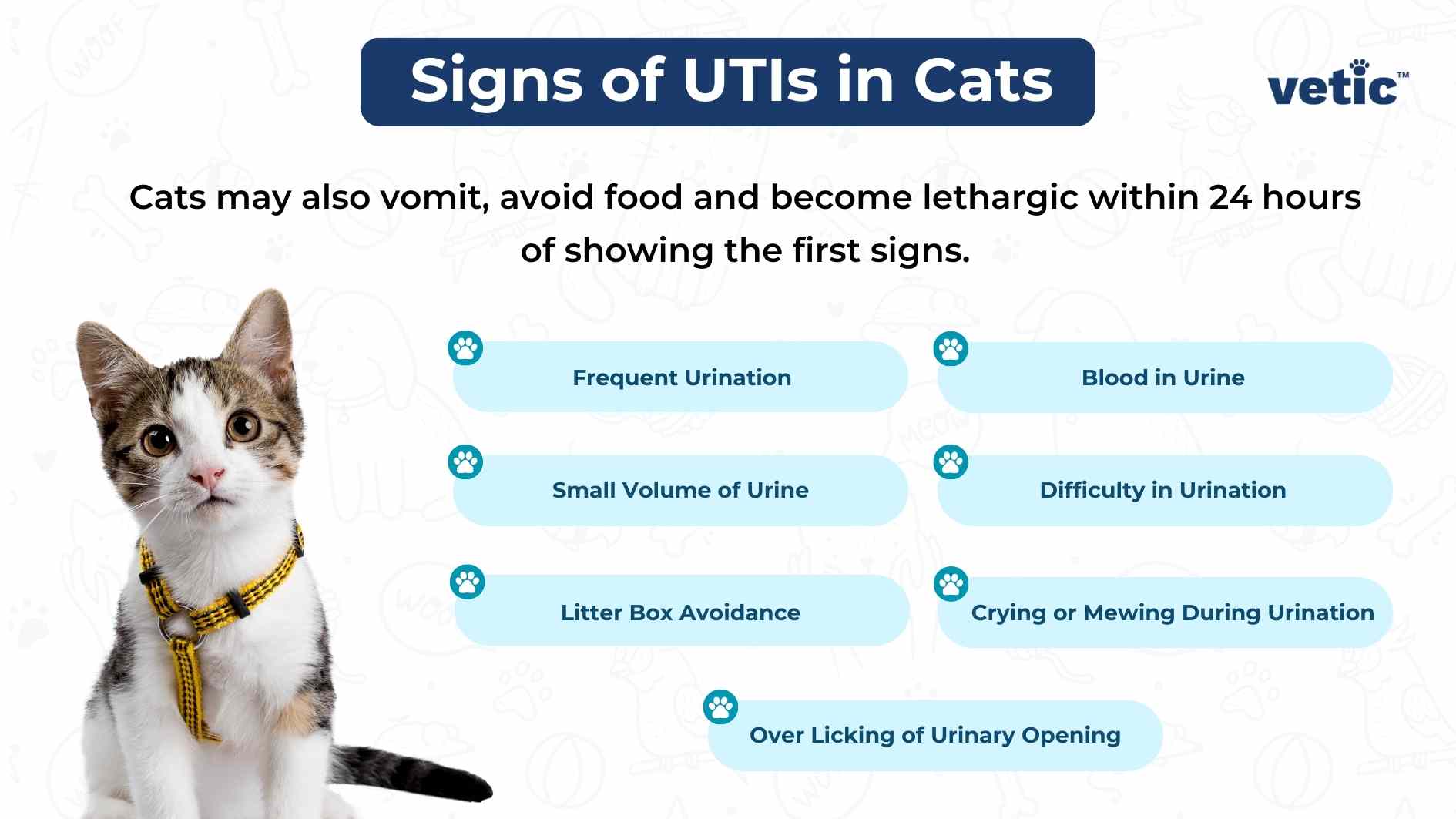
In many cases, a cat does not exhibit symptoms until the infection is advanced. The greatest risk factor for kidney infection in your cat is that your cat will experience kidney failure. A change in your cats urination habits may be a red flag for some type of kidney problem.