The canine penis contains a baculum and a structure called the bulbus glandis that expands during copulation, forming a copulatory tie that lasts for up to an hour.[32] Young canids are born blind, with their eyes opening a few weeks after birth.[33] All living canids (Caninae) have a ligament...
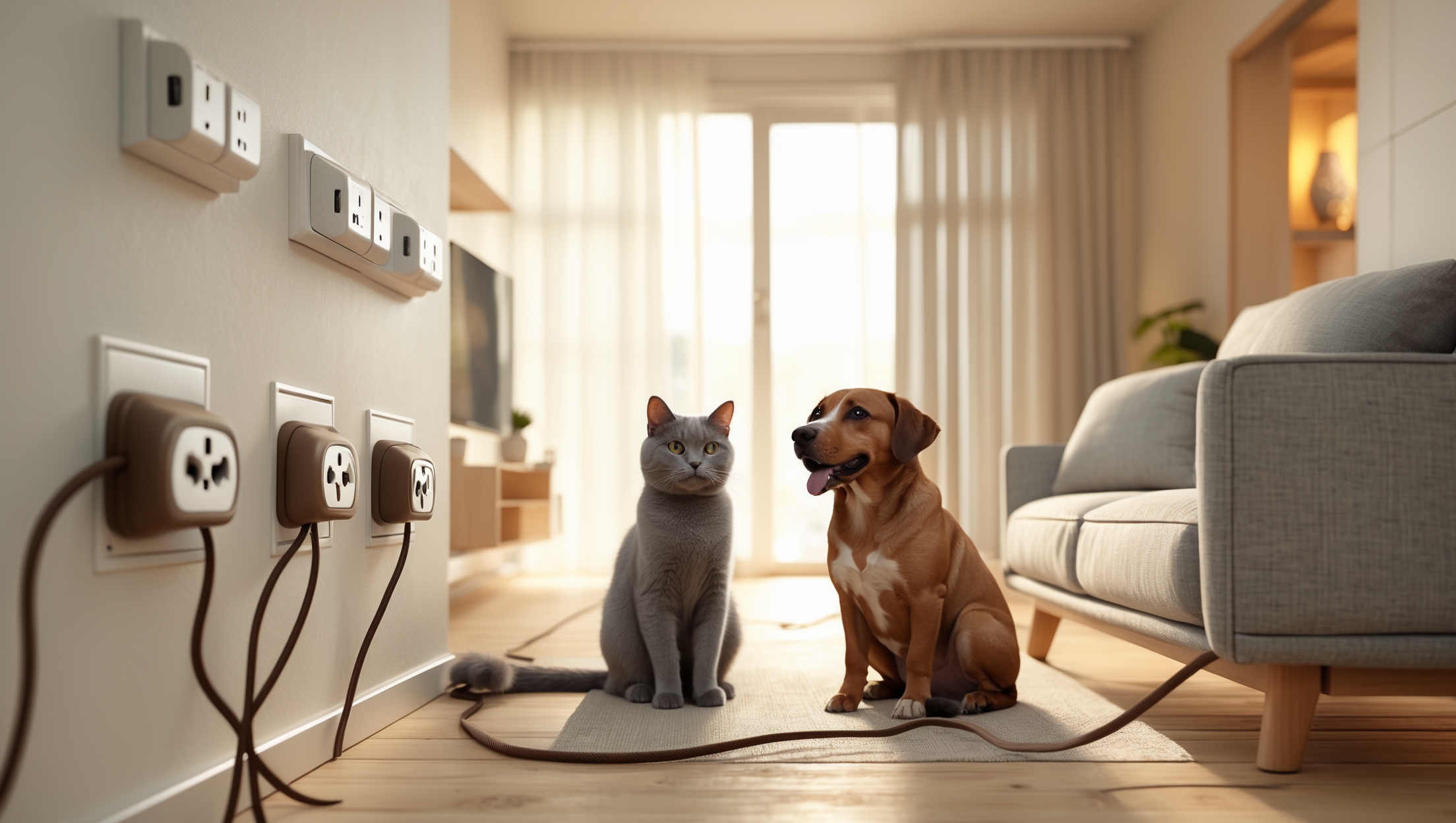
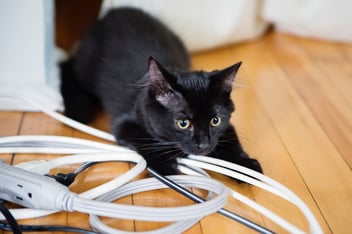
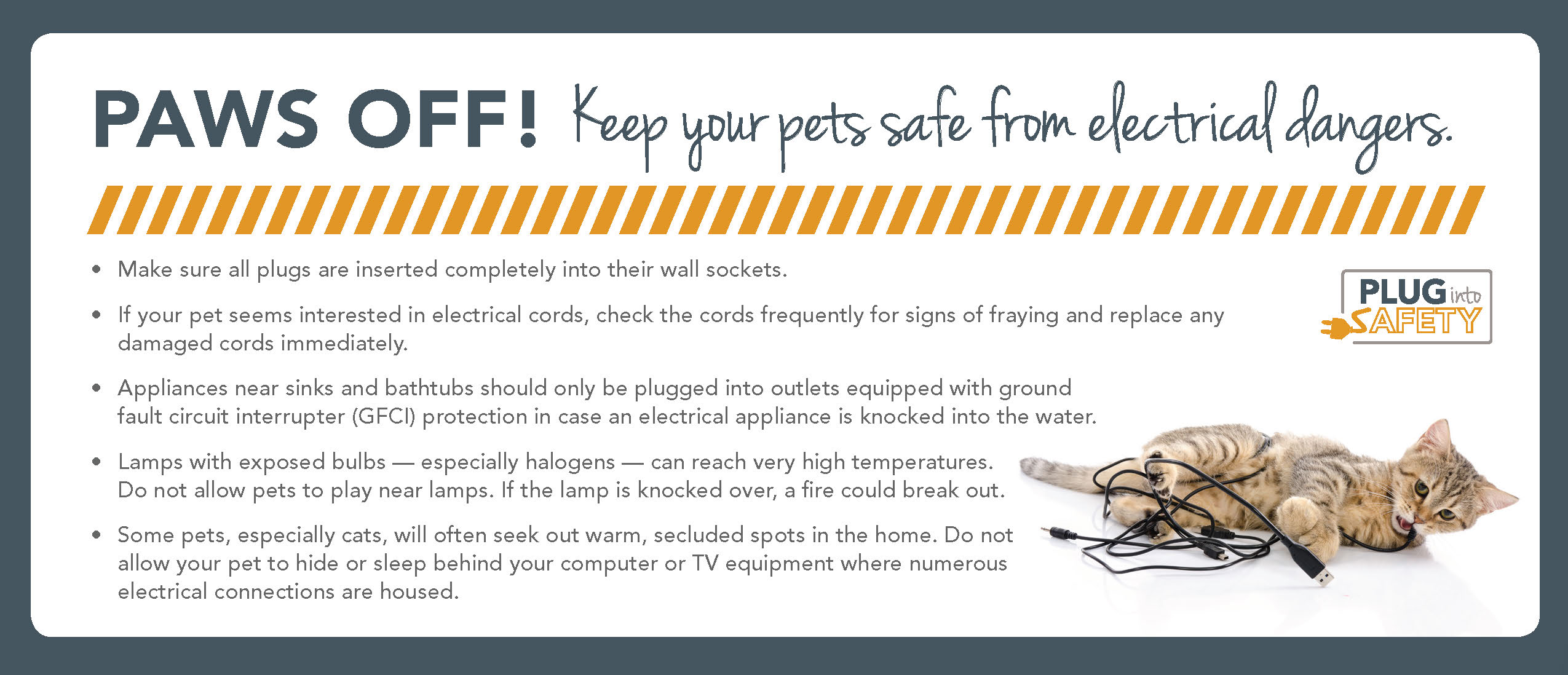
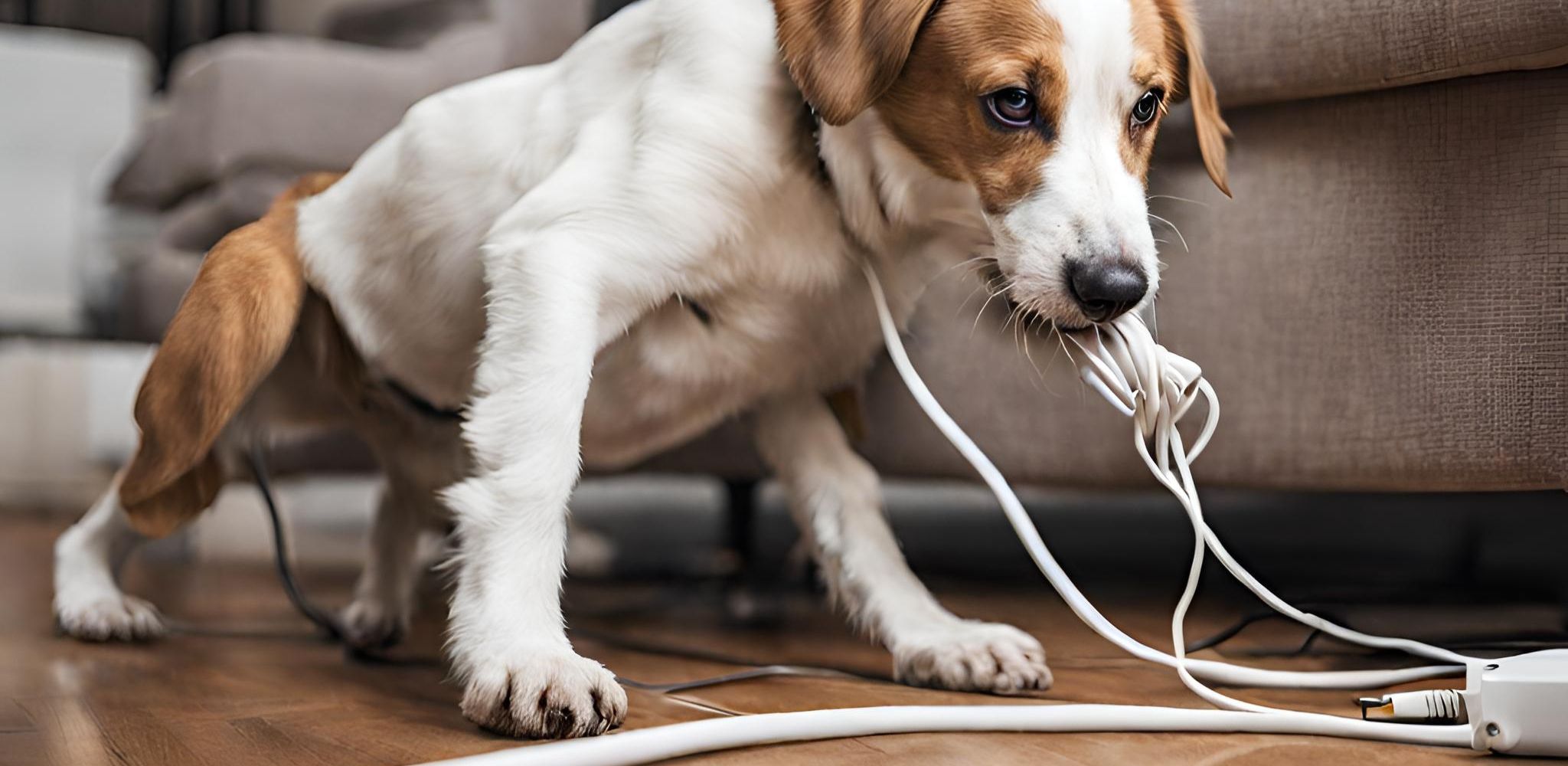
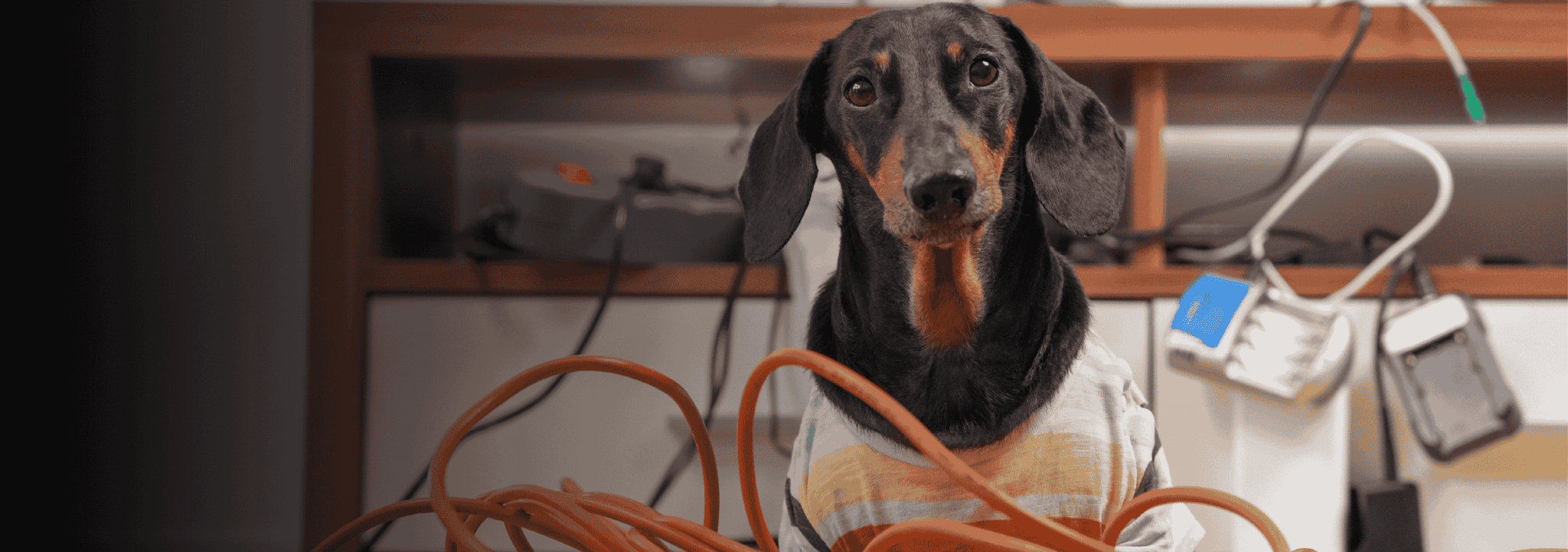
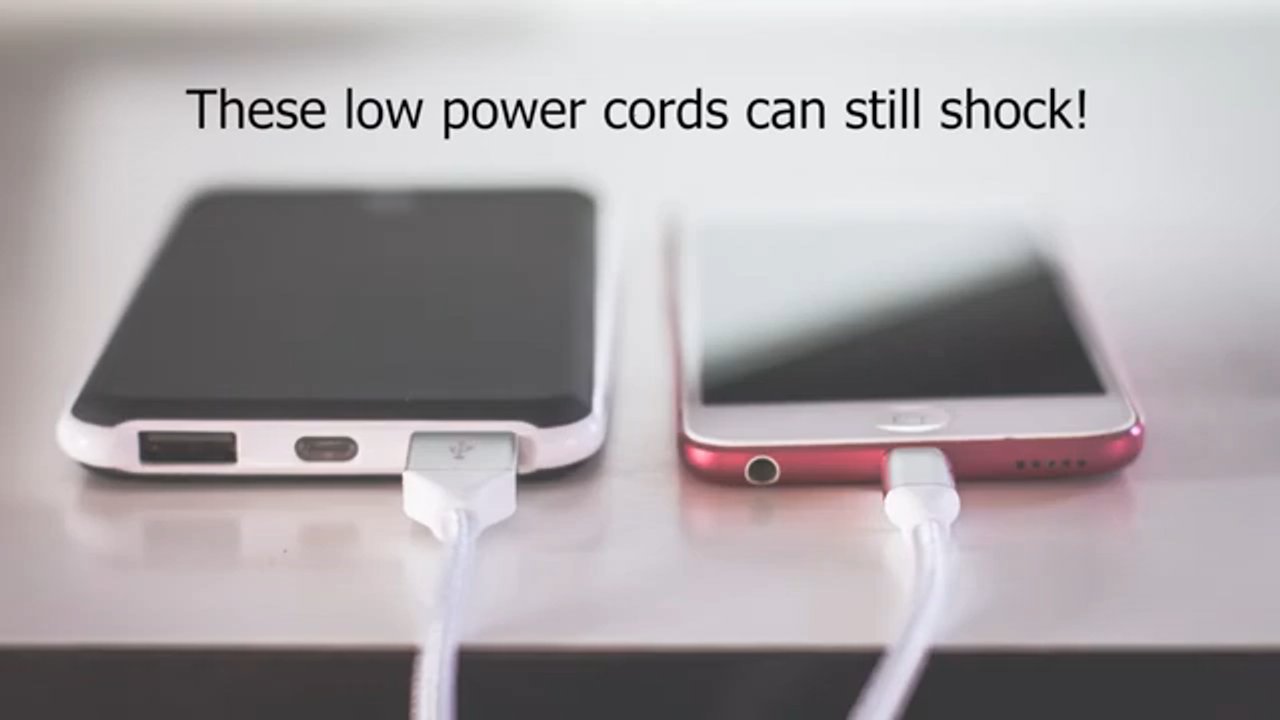
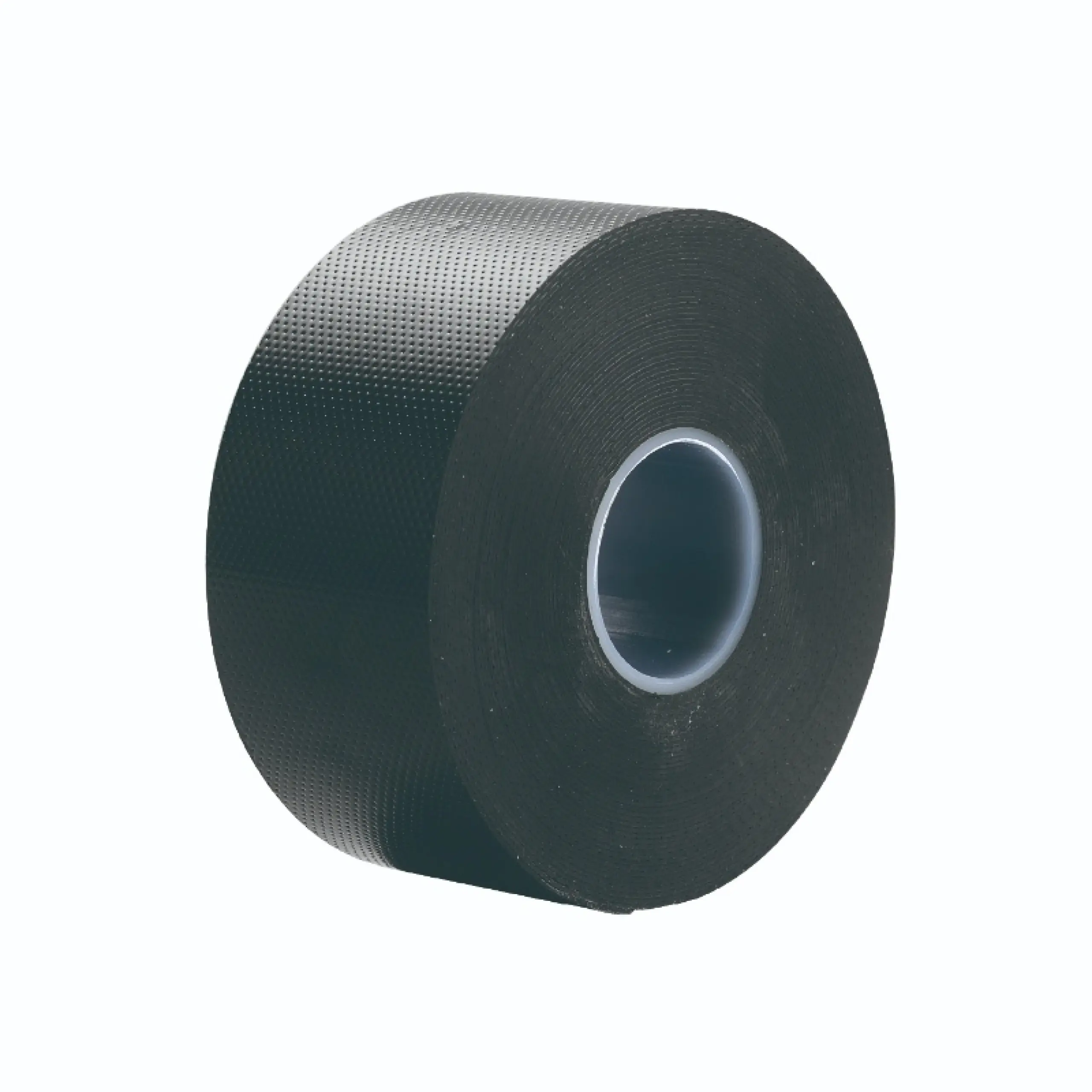
Of all the aspects of pet safety, theres one risk that pet owners often overlook: the dangers that household cables can present to animals. Chewing cables can send an electric shock through your pet, which can cause burns, shutdown of vital organs, and eventual death. Damaged cords can also be quite expensive to replace! Animals and cables just dont mix, but you can use these pet-proofing techniques to help them safely co-exist in your home. See full list on wikihow.com Block access to cords with furniture. Take advantage of any sturdy object in your home that can act as a barrier between your pet and electrical cords. Tuck as many cords as you can under or behind bookcases, TV stands, cabinets, and dressers. If you have large pets, you can simply tuck many power cables under or behind furniture. However, smaller pets, such as cats or ferrets, can squeeze into extremely small spaces, which may make it harder to apply this method. Attach the cords to table or desk legs using wire ties. Pets are more likely to chew loose wires. You can also run electrical cords under rugs or other floor mats. "No one ever thinks their pet will be electrocuted, but it happens. Young animals of any species and rodents of all ages have a need to chew, and will test their teeth on anything they can find. Always assume the worst will happen and tidy away those cables." See full list on wikihow.com This is the easiest and least expensive approach. Use corrugated wire loom tubing or plastic spiral wrap, which are available from many office supply and other stores. Some tubing and wrap may not be strong enough to protect cords from persistent pets. PVC piping is a sturdier option, but is also less flexible. Mount wire channels along the wall to provide a protected path for cords. These metal or plastic conduits are commonly used to add electrical outlets to the outer surface of solid walls, so many styles are available. Flat wire channels are also available for running cords across bare floors. Hide wire channels inside baseboards and crown molding. Products are available with channels pre-installed, or if you're handy you can hollow out the channels yourself. See full list on wikihow.com Lemon juice, hot sauce, or pepper mixed in water will all deter most pets. Observe electrical safety for yourself! Water conducts electricity, so make sure you're not touching the electrical wires or appliances while applying the spray. These substances will dissipate over time, so you'll have to reapply them periodically. Camouflage your cables so that they blend in with their surroundings. Choose cords or cable-covering supplies that are a close color match to your floors and walls if your cords dont stand out, your pet will be much less likely to play with or chew on them. You may be able to paint your electrical cords. If not, you can use colored electrical tape to match the surrounding colors. See full list on wikihow.com View all Safeguard your electrical cords with smart, vet-approved chew deterrents thatll keep your curious pup safe and your homes electronics intact. To protect your pet from electrical hazards, it is imperative to keep cords and wires out of their reach. Here are some tips on how to do so: Place cords and wires behind furniture or baseboards to keep them hidden and out of reach. Use cord covers or cord clips to secure cords to the wall or floor. In this article, well delve into the world of cord repair, exploring the role of electrical tape, its limitations, and safer alternatives to ensure your safety and the longevity of your electrical devices. Yes, we can use regular electrical tape to cover wires, but it may not be as effective as chew-proof cable covers. It's important to consider other chew-proof alternatives and incorporate positive reinforcement training for wire chewing. The worse consequence of a dog chewing an electrical cord is, of course, death by electrocution, but dogs who happen to survive the shock may be prone to complications such as abnormal heart activity, seizures and fluid build-up in the lungs, a condition known as non-cardiogenic pulmonary edema.

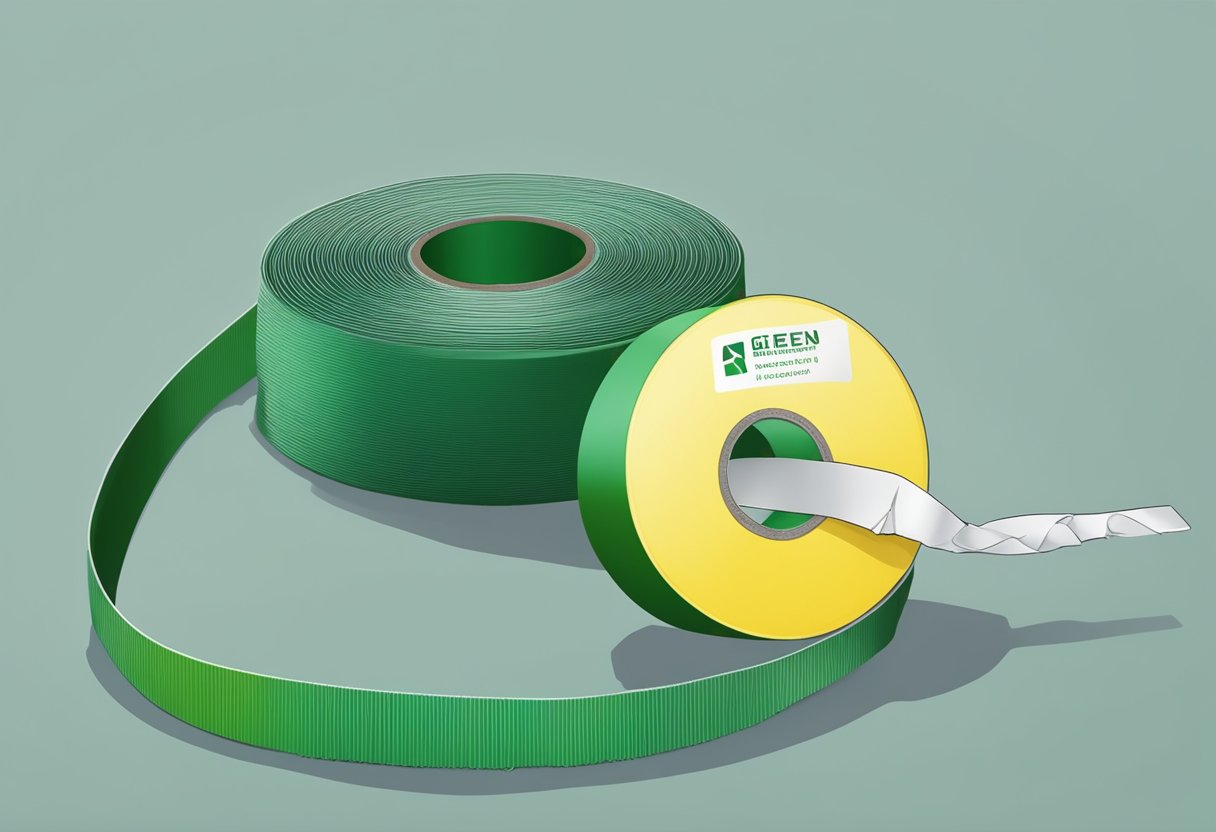
This particular example perfectly highlights why Electrical Tape Safety For Canine is so captivating.
Safeguard your electrical cords with smart, vet-approved chew deterrents thatll keep your curious pup safe and your homes electronics intact.

Furthermore, visual representations like the one above help us fully grasp the concept of Electrical Tape Safety For Canine.
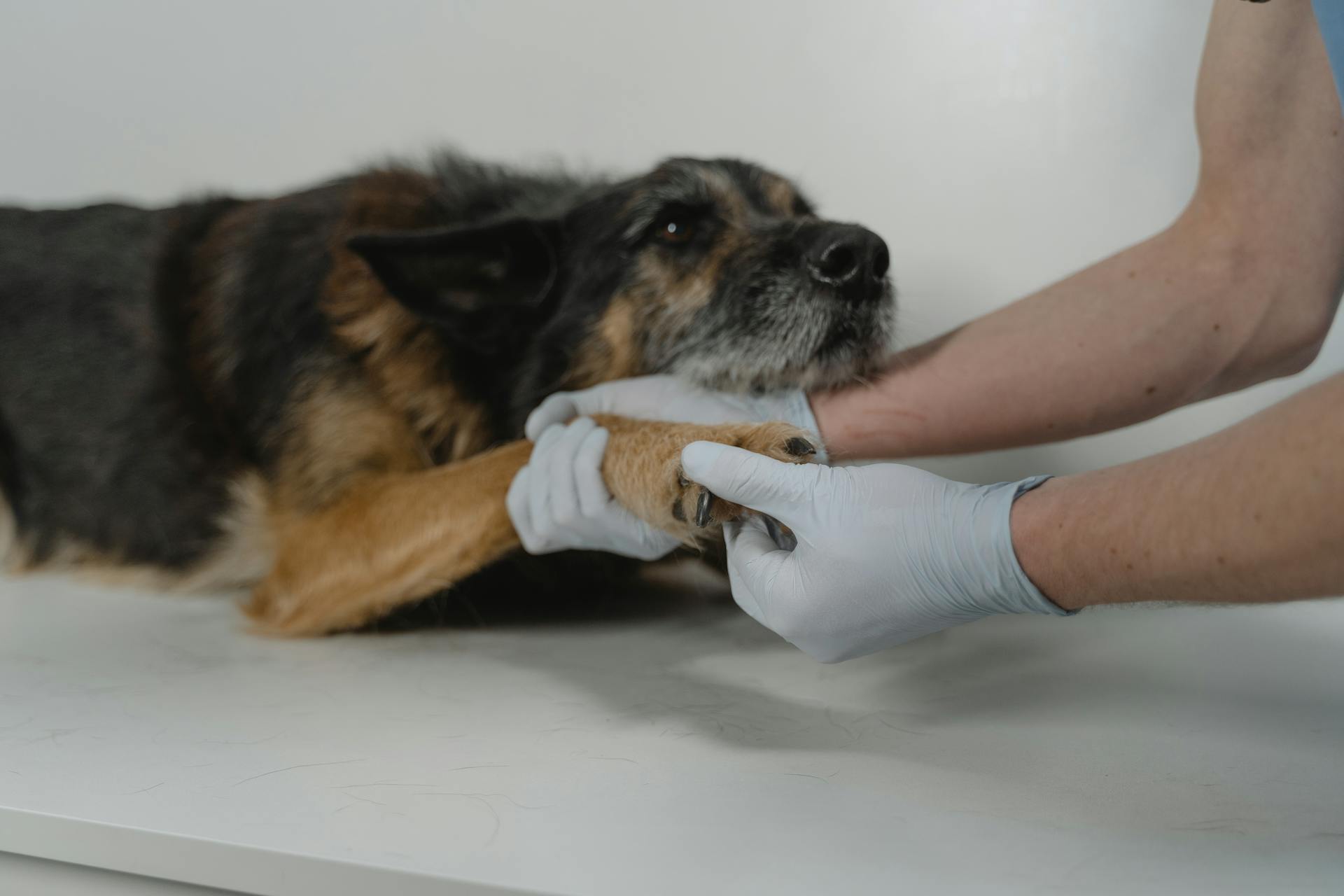
The worse consequence of a dog chewing an electrical cord is, of course, death by electrocution, but dogs who happen to survive the shock may be prone to complications such as abnormal heart activity, seizures and fluid build-up in the lungs, a condition known as non-cardiogenic pulmonary edema.

As we can see from the illustration, Electrical Tape Safety For Canine has many fascinating aspects to explore.
Key considerations in canine safety and electrical deterrents include: Legal and ethical use in South Africa. Commitment to humane welfare and ongoing training. Consultation with a professional before deployment.
Electrical cords, easily accessible open windows as well as open doors, ant and other insect traps, tape, paperclips, phone cords, computer cords and wiring, plastic bags, and during the holidays all the small ornaments and decorations your dog is sure to investigate because he or she has...