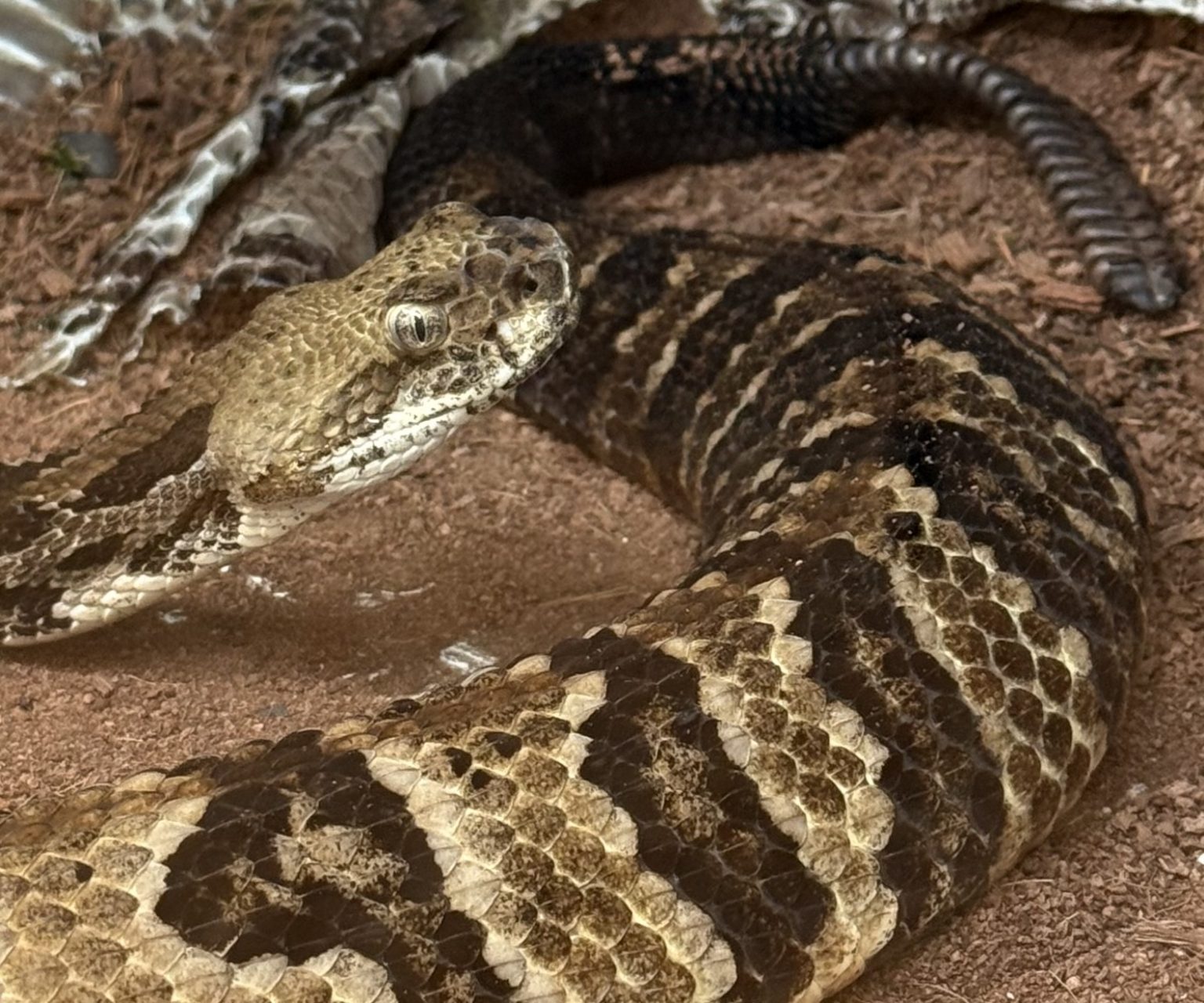
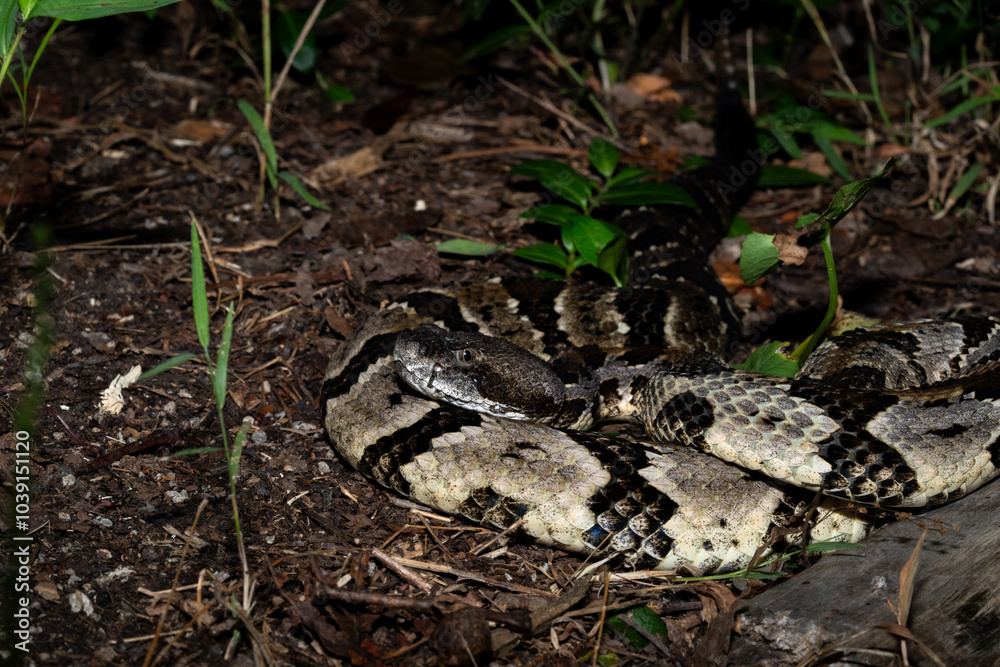
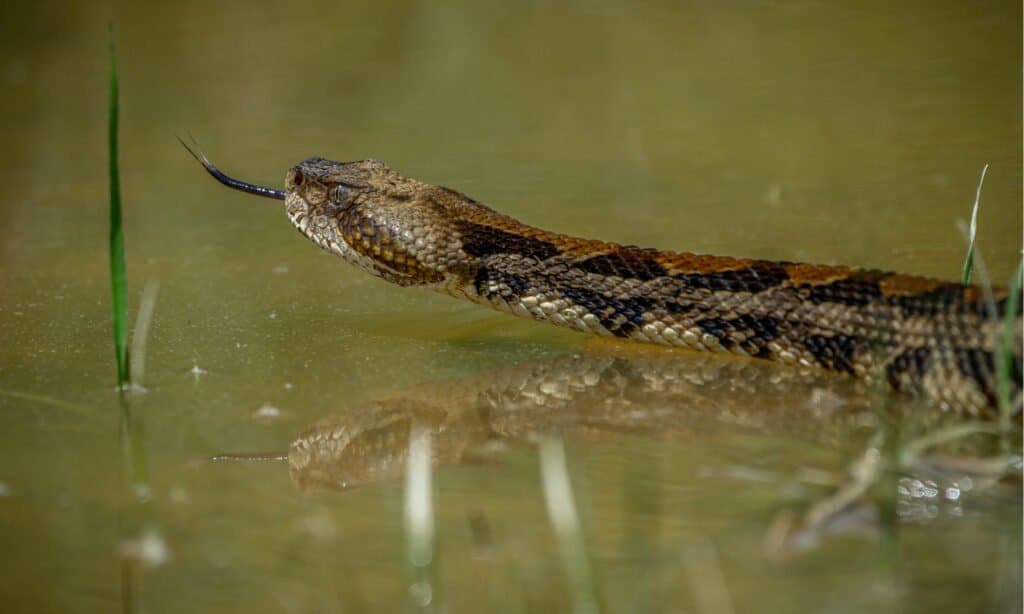
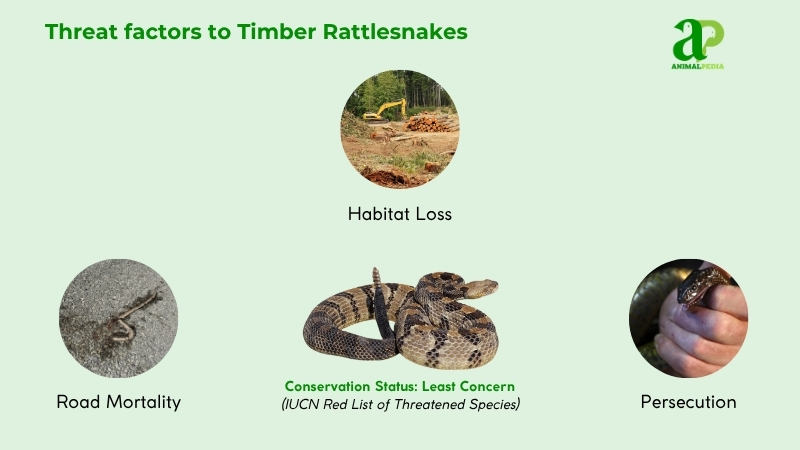
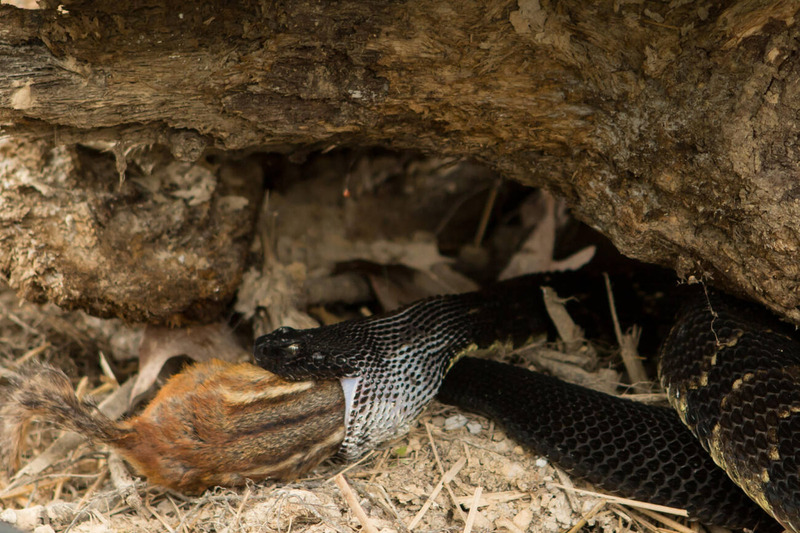
(NOTE: The following video features a Timber Rattlesnake eating a small rat. The Virginia Living Museum does NOT feed its snakes live prey.) All snakes are carnivores and consume their prey whole. Their jaw is double jointed, so when eating the jaw can unhinge and open as wide as 150 degrees!
Feeding my Timber Rattlesnake a live rat (slow motion)

Such details provide a deeper understanding and appreciation for Feeding Live Prey To Timber Rattlesnakes.
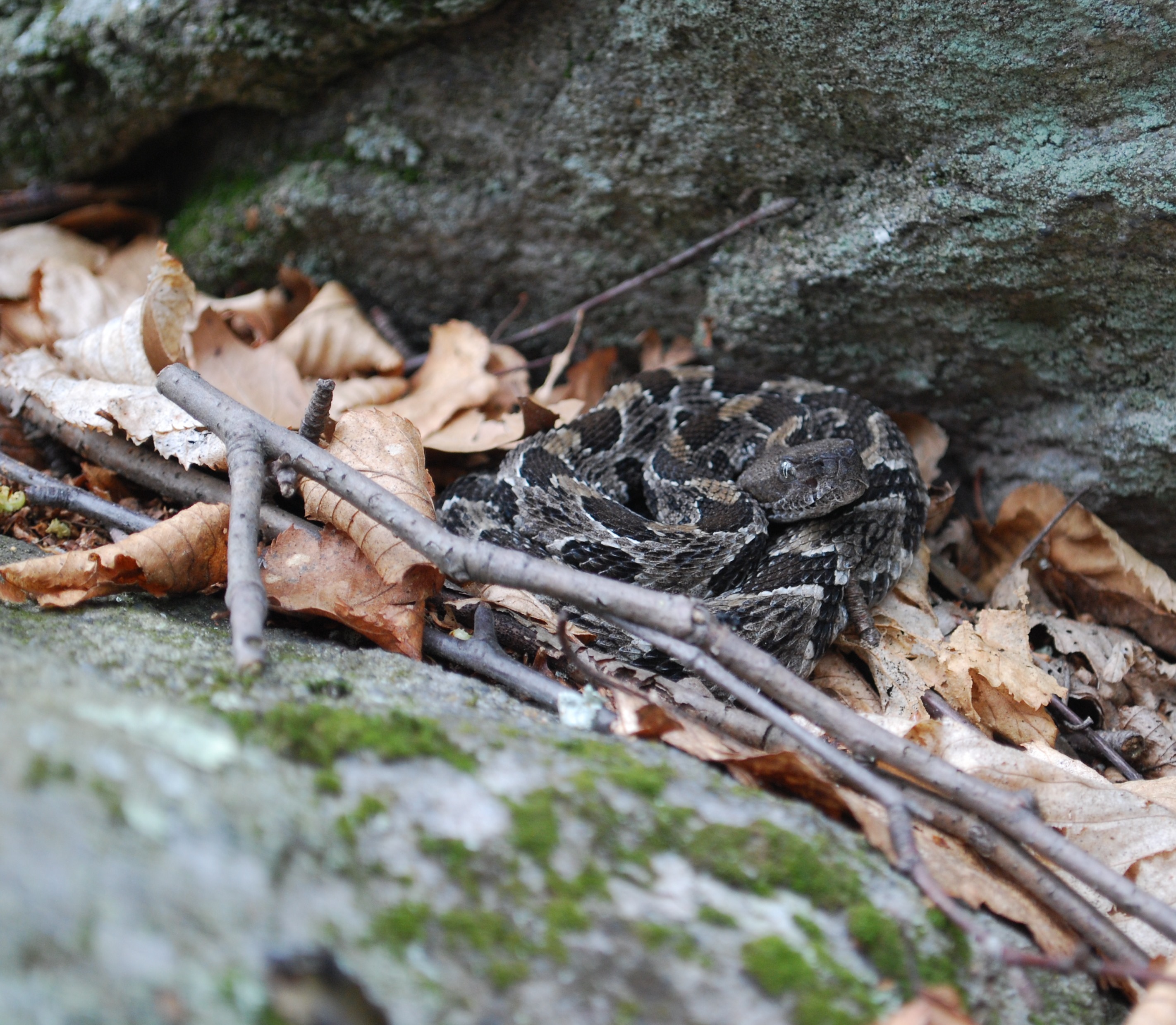
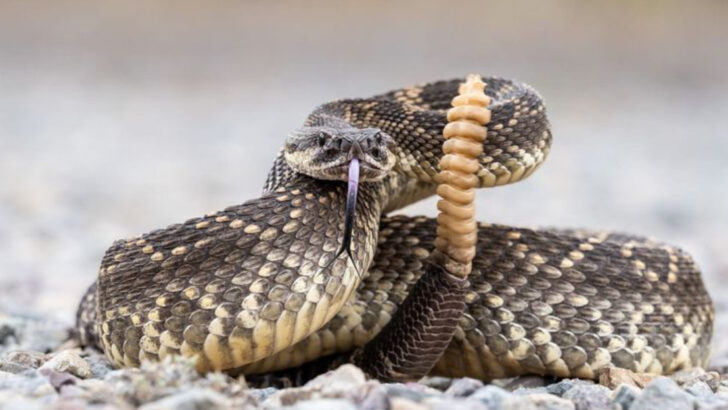
In addition to their venomous nature, timber rattlesnakes require a specialized diet of live prey, which can be challenging to provide in a domestic setting. In the wild, timber rattlesnakes play a vital role in maintaining the balance of their ecosystems by controlling the populations of small mammals and other animals. Clark (2002 synthesized the known feeding ecology of timber rattlesnakes with published records and information about stomach contents from museum specimens. How-ever, studies of invasive snake species illustrate that snakes have the potential to impact prey density and can strongly influence community structure (Savidge, 1987). The evolutionary success of modern snakes stems largely from adaptations and extensive variation associated with feeding mechanisms (Cundall and Greene, 2000). The timber rattlesnake is a large species of venomous snake found across eastern North American. They are considered to be extinct in Canada. As a venomous species they will bite prey species including small mammals and birds. They then wait for the prey to die before they will swallow it whole. Females give birth to live young. These animals mature at high ages making populations slow to ... Timber Rattlesnakes feed primarily on small mammals, particularly squirrels, chipmunks, mice, and rabbits. Birds are occasionally taken, especially ground-nesting species, and frogs or other reptiles are infrequent prey.
Clark (2002 synthesized the known feeding ecology of timber rattlesnakes with published records and information about stomach contents from museum specimens.
How-ever, studies of invasive snake species illustrate that snakes have the potential to impact prey density and can strongly influence community structure (Savidge, 1987). The evolutionary success of modern snakes stems largely from adaptations and extensive variation associated with feeding mechanisms (Cundall and Greene, 2000).