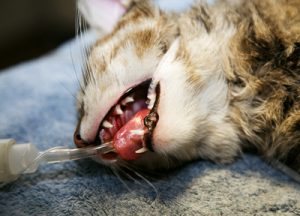
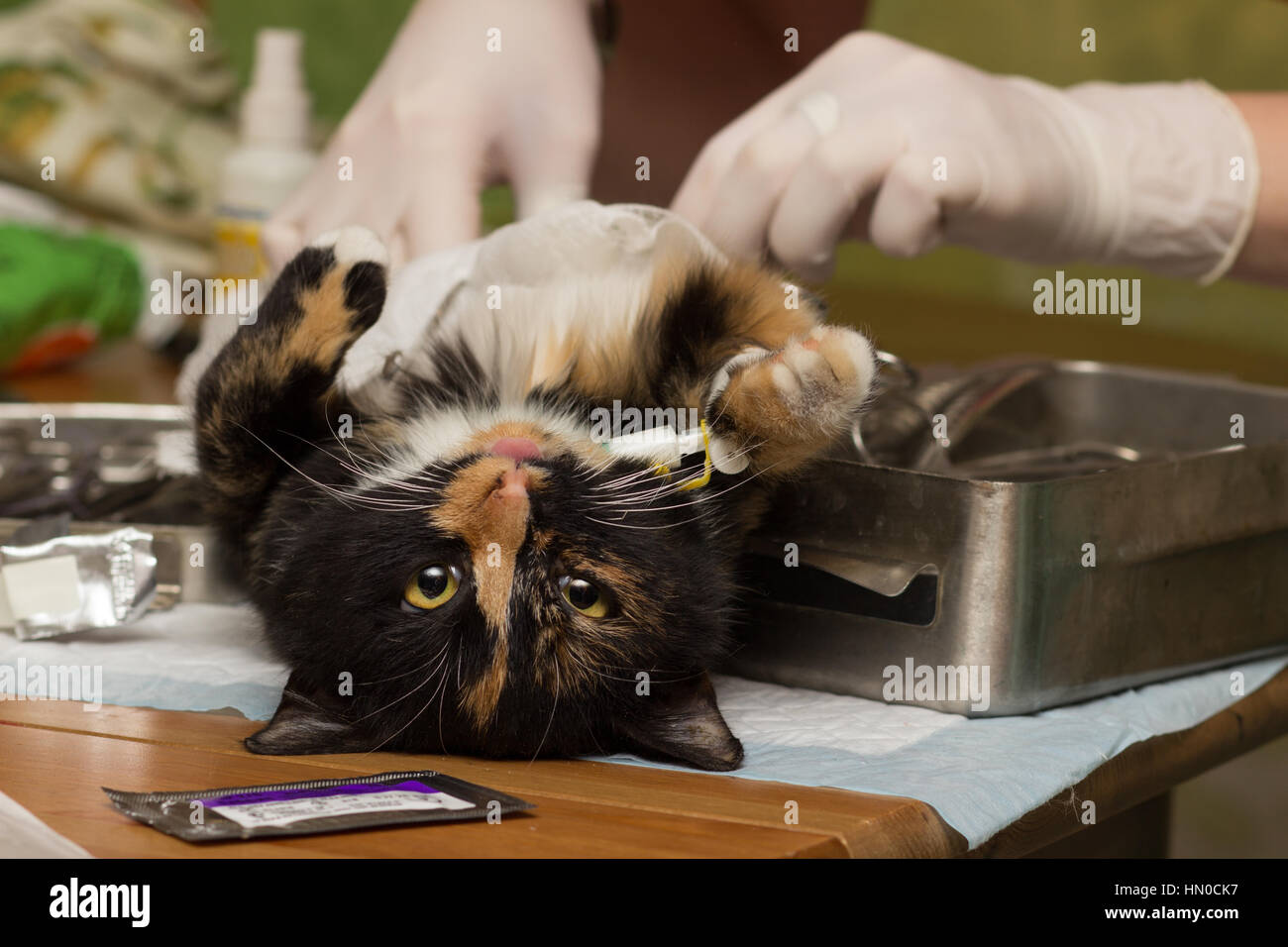
nesthesia can disrupt a cat's normal digestive processes, leading to reduced gut motility and potential dehydration, both of which contribute to constipation. Additionally, the stress of surgery, changes in diet, or decreased activity levels post-operation can further exacerbate this issue.
The overarching purpose of the AAFP Anesthesia Guidelines (hereafter referred to as the Guidelines) is to make anesthesia and sedation safer for the feline patient.

Learn feline anesthesia protocols with insight into side effects, complications, monitoring, and recovery guidance for safer cat care.

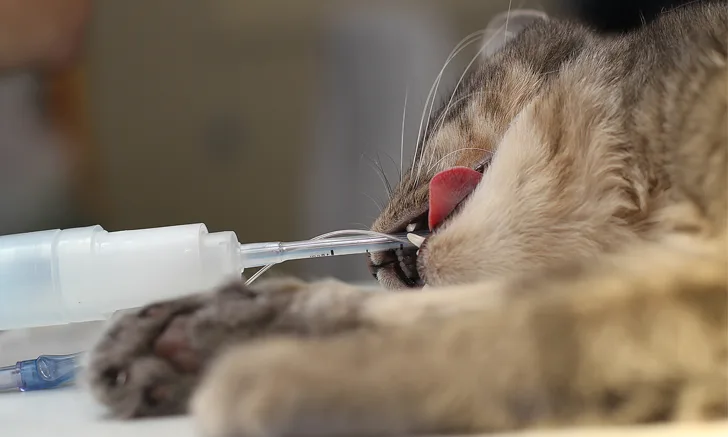
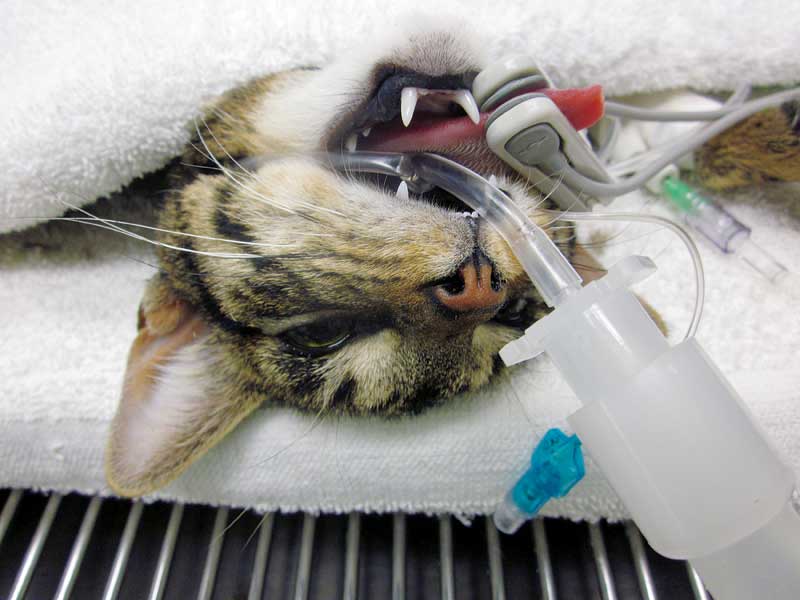
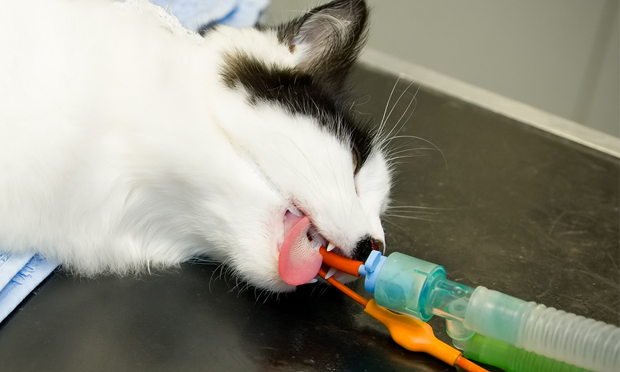
Common causes are laryngeal spasm, mucous blockade, and endotracheal tube kinks. Cats can have strong laryngeal spasms, so it is prudent to monitor animals closely after extubation. If this may be the case, emergency re-intubation kits and tracheostomy kits should be prepared.
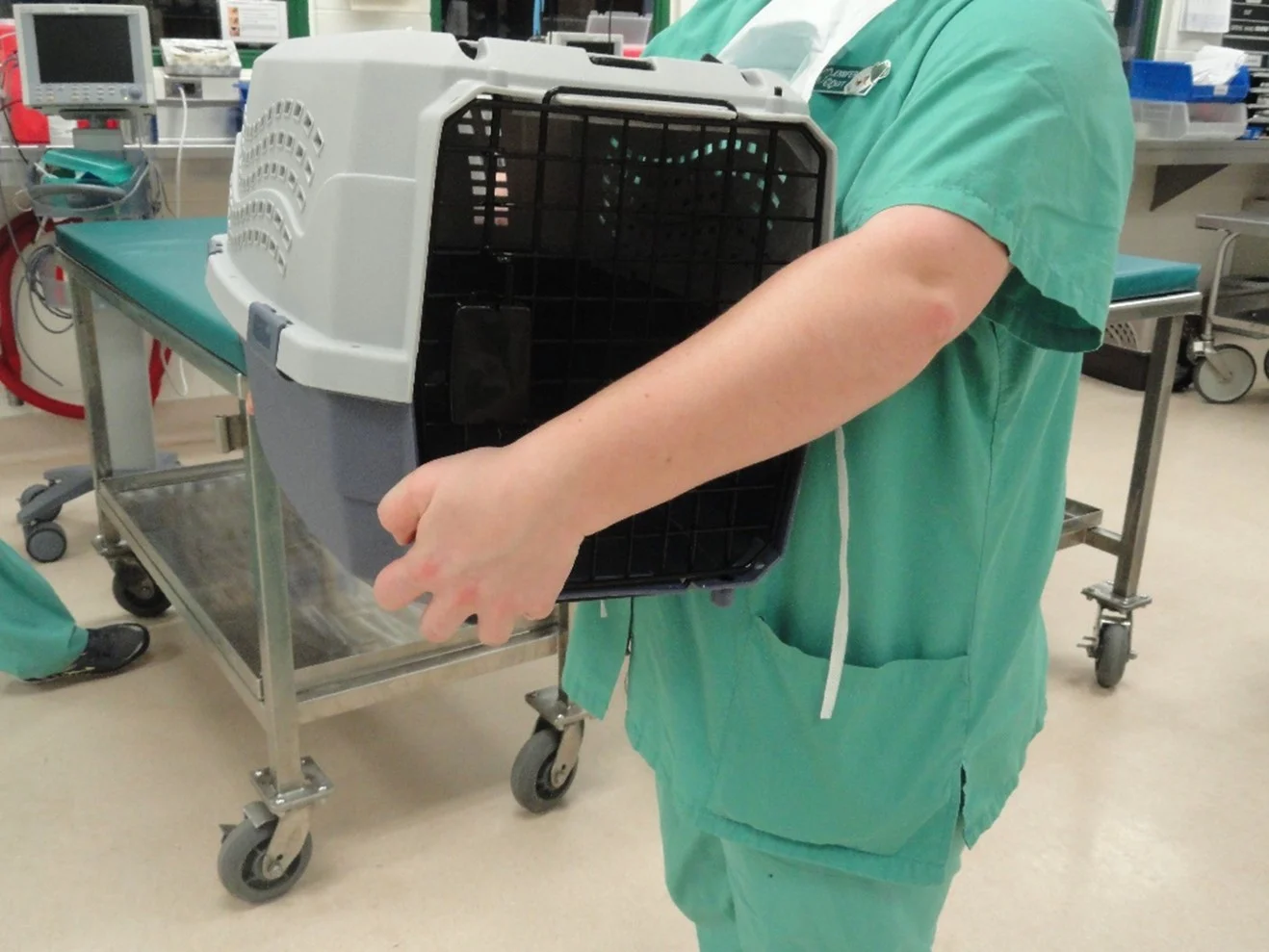
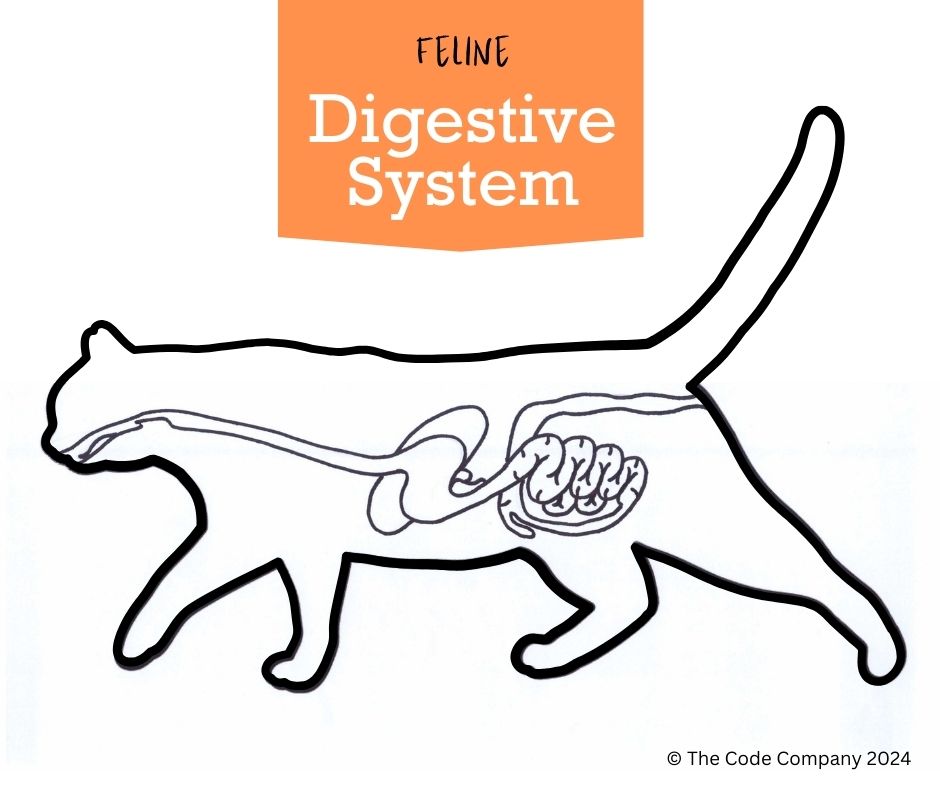
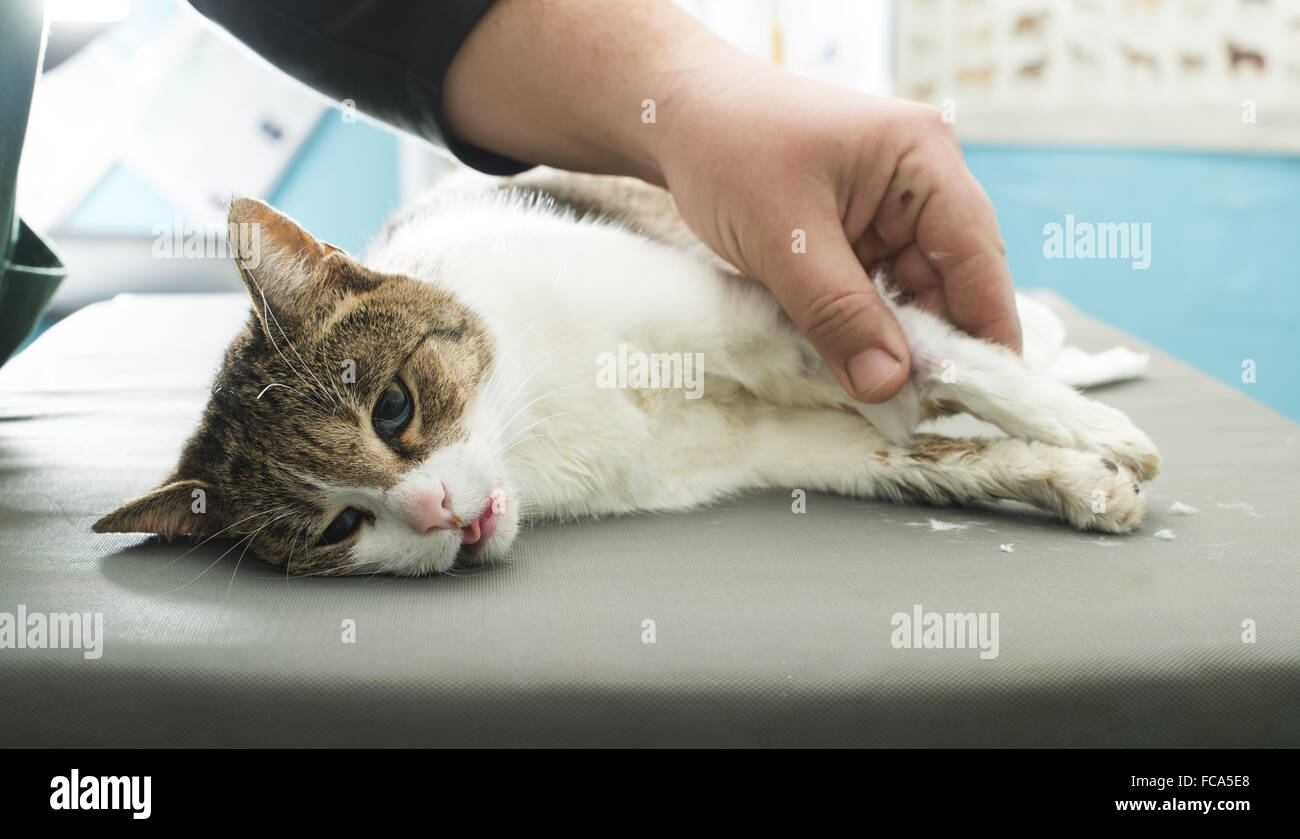
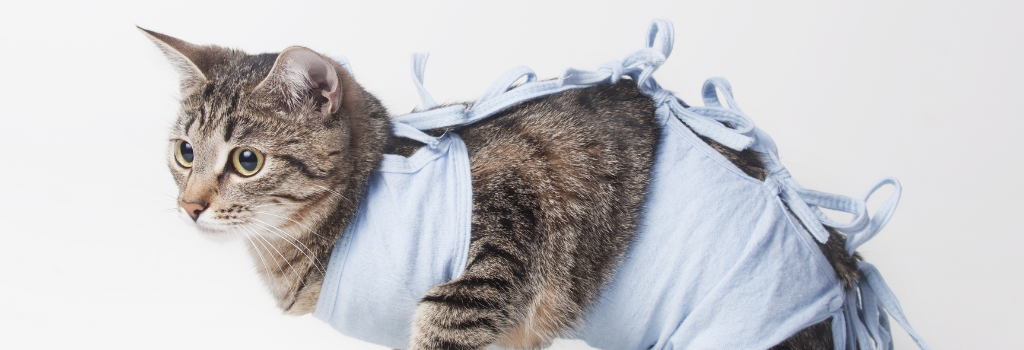
Furthermore, visual representations like the one above help us fully grasp the concept of Feline Digestive Issues After Anesthesia.
Its crucial to wait until your cat is fully awake and alert after anesthesia, which typically takes several hours; generally, a small, easily digestible meal can be offered around 4-6 hours post-procedure, but always consult with your veterinarian for personalized guidance.
This comprehensive article covers everything you need to know about your felines recovery, including potential digestive changes and what to expect from their poop.