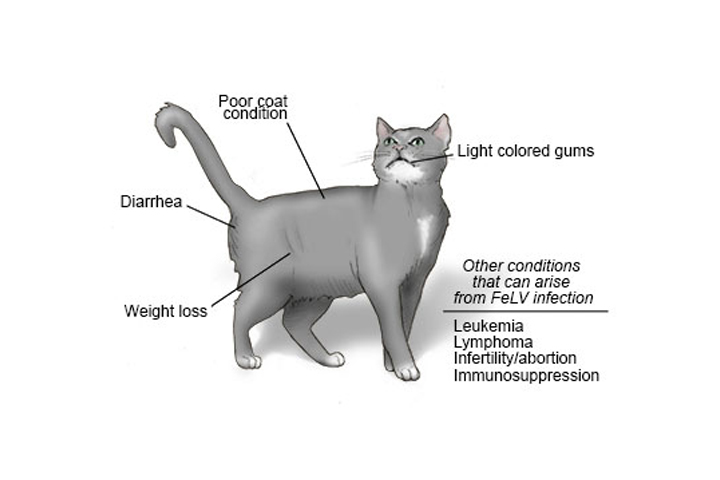
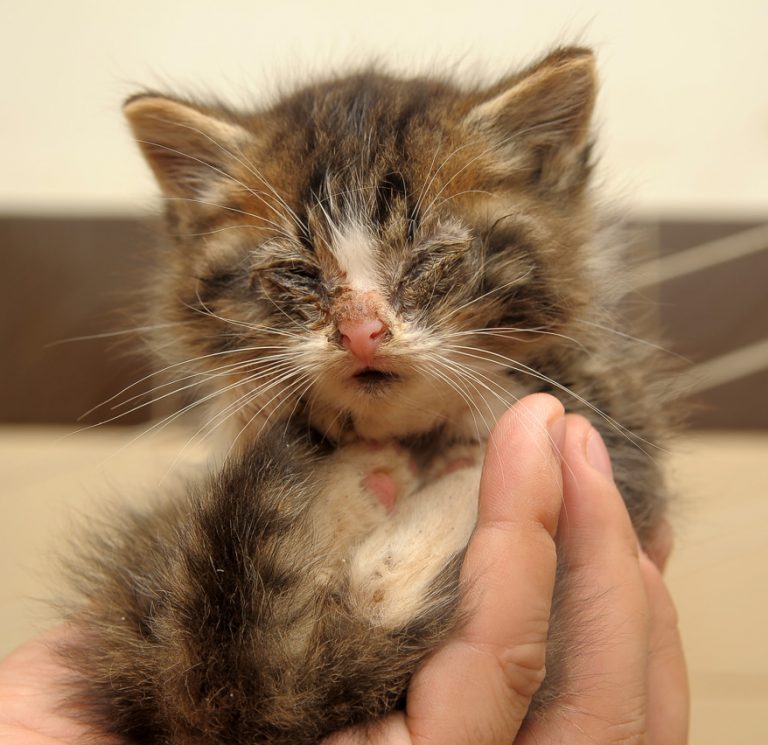
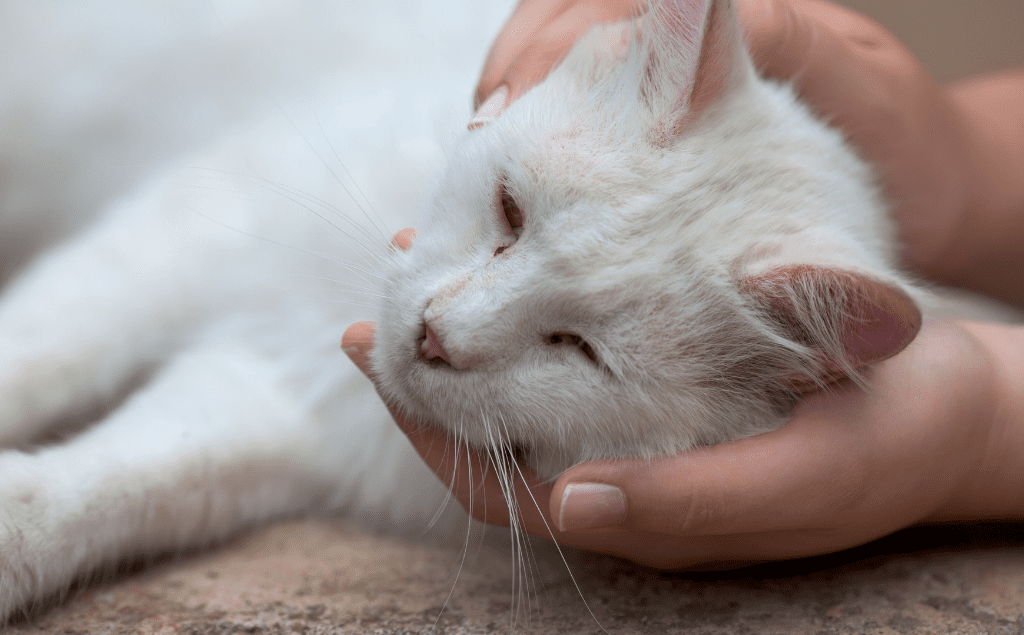
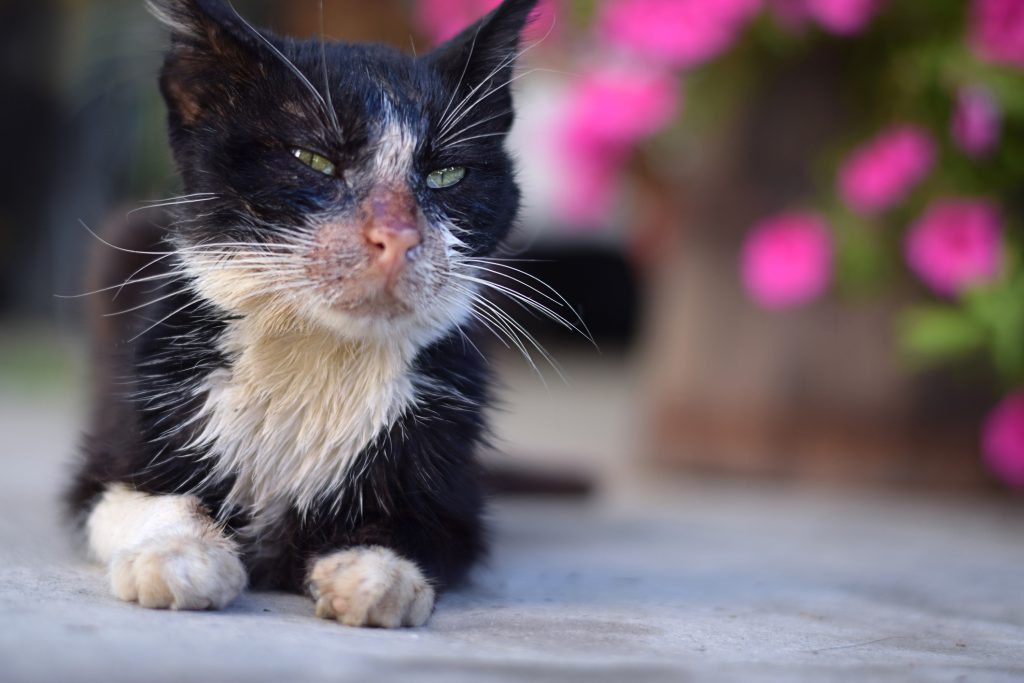
- The signs and symptoms of infection with feline leukemia virus are quite varied and include loss of appetite, poor coat condition, anisocoria (uneven pupils), infections of the skin, bladder, and respiratory tract, oral disease, seizures, lymphadenopathy (swollen lymph nodes), skin lesions, fatigue, fever, weight loss, stomatitis, gingivitis, litter box avoidance, pancytopenia, recurring bacterial and viral illnesses, anemia, diarrhea and jaundice.
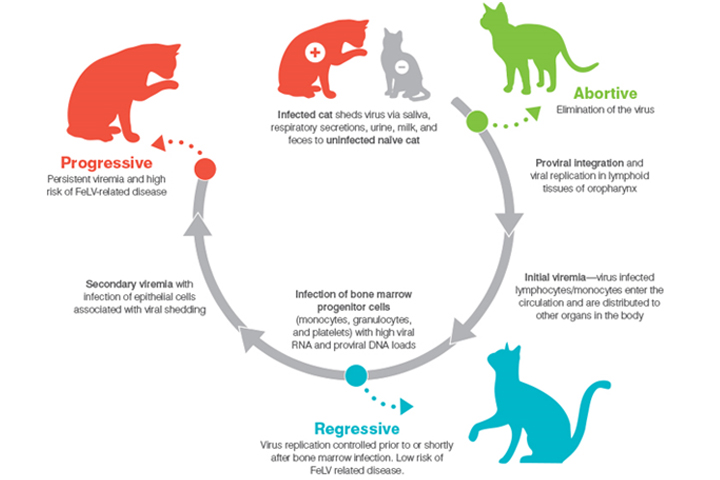
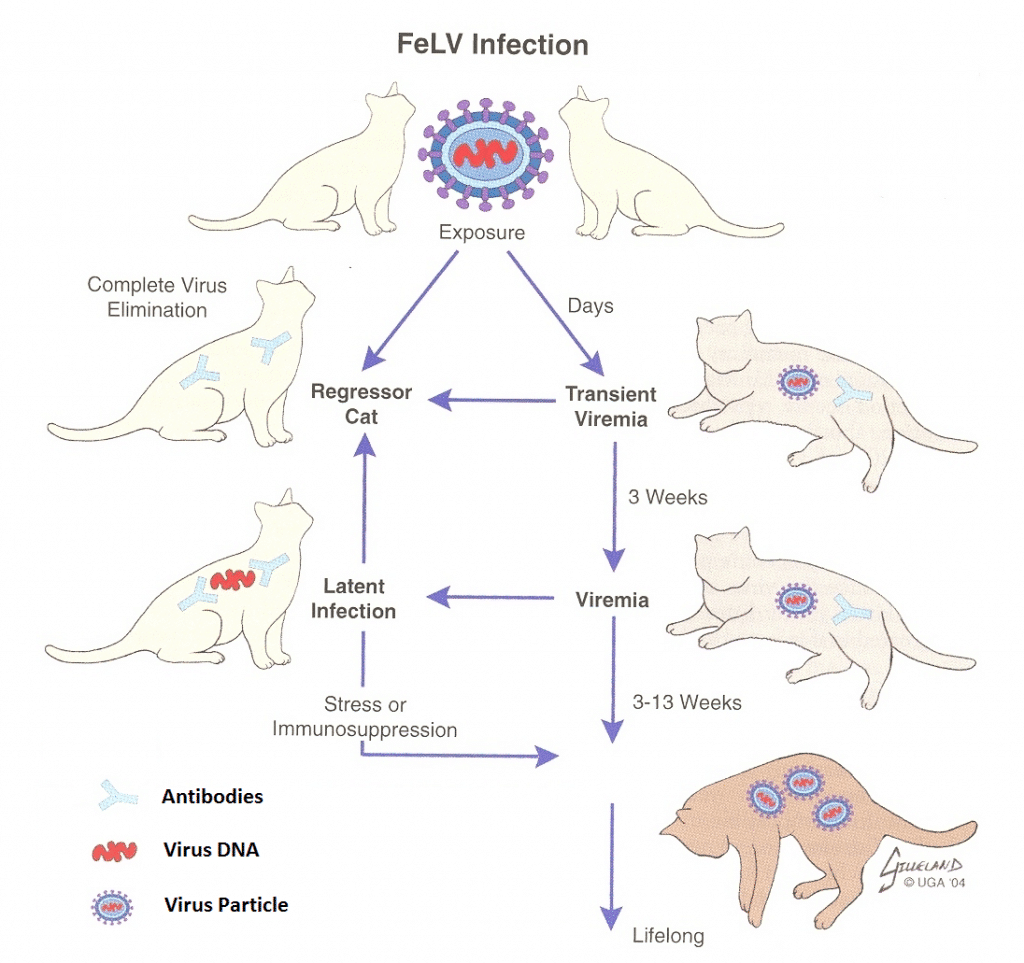
Feline leukemia virus (FeLV) is one of the most common and important infectious diseases in cats, affecting between 2-3% of all cats in the United States and Canada. Infection rates are significantly higher (up to 30%) in cats that are ill or otherwise at high risk (see below).
- Clinical signs of feline leukemia virus come from the blood cells being attacked. Initially, cats may show little signs of infection until the virus has strengthened and taken over more of their immune system.

Major Clinical Signs: Lethargy, fever, pallor, stomatitis, signs of underlying lymphoma or leukemia, signs of immune-mediated disorders or opportunistic infections Differential Diagnoses: FIV infection is the primary differential diagnosis for cats with signs of immunosuppression; feline ...

Feline Leukaemia Virus (FeLV) is a serious disease that attacks the immune system and causes cancers such as lymphoma and leukaemia. Read our vets' advice on symptoms, treatment and prevention.