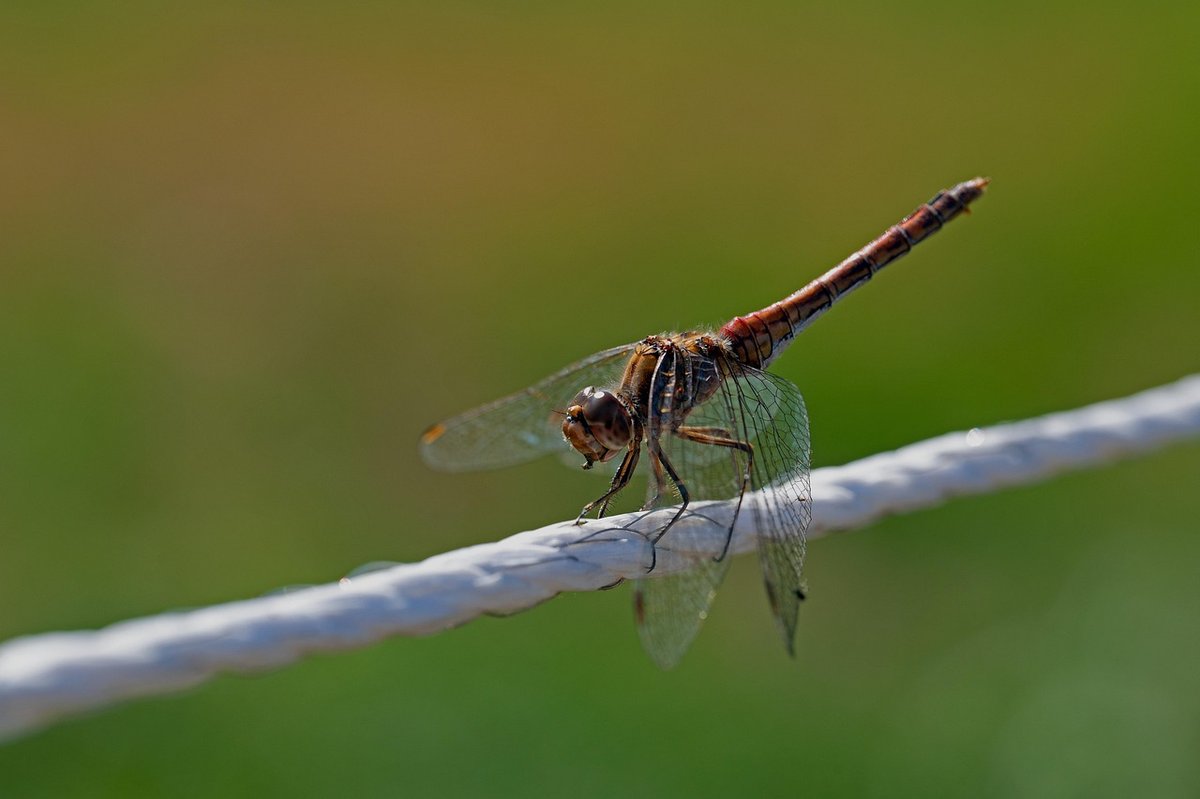
Symptoms of trypanosomiasis, which usually appear within 14 weeks after the bite, include fever, anemia, weight loss, eye problems, and enlarged lymph nodes and spleen. A diagnosis of trypanosomiasis is confirmed by finding parasites in blood.
Most cats infected with T. cruzi are asymptomatic and do not manifest signs of Chagas disease, but can be carriers. When they do, however, symptoms in felines have been noted to include hind leg paralysis and convulsions.

Protozoan infections in cats are diagnosed regularly by veterinarians around the world, with the incidence varying largely depending on the geographical location. Some (such as Giardia)are common while others are very rare. There are around 35 phyla (broad groups of protozoa) and a very high number of different species. However, only a small number... See full list on cats.com Protozoa are passed on to cats in one of four ways: 1. Direct cat-to-cat contact. In this form of transmission, the infectious stage of the parasite is not resistant to environmental extremes and will die rapidly if it leaves the cats body (e.g., in food bowl, water bowl, or bedding). It can only spread by one cat passing it directly to another ca... See full list on cats.com Each different protozoa causes a different type of illness, although some cause similar types of issues. It is therefore impossible to generalize about the symptoms of all protozoal infections. 1. Giardia felis, Cryptosporidium parvum, and Tritrichomonasfoetus are intestinal parasites, affecting the small intestine of dogs and cats in particular. M... See full list on cats.com Your veterinarian will physically check your cat carefully all over. This is a central part of good veterinary medicine. The exam will include an inspection of the mouth and teeth, careful palpation of the abdomen, listening to the chest and abdomen with the stethoscope, and an inspection of the anal area. Occasionally, the nature of the trace of f... See full list on cats.com The precise treatment of a protozoal infection depends on the specific protozoan involved. Mild cases of protozoal infections might be given a general treatment for GI tract disease without full investigations as listed above. This may include a low-residue, highly-digestible diet, with instructions to feed it until the cats stools are firm. Addin... See full list on cats.com Your veterinarian will advise you on what followup care is needed, but in general, monitoring your cat at home for recurrence of any of the signs of illness is the main way to confirm that a full recovery is underway. With appropriate treatment, the prognosis for most cases of protozoal infections is good. Protozoan infections can cause a range of ... See full list on cats.com A free-ranging domestic shorthair cat named Lily was brought to the clinic with signs of alopecia, pyrexia, inappetence, incoordination, loss of condition, conjunctivitis, and chemosis. Cytauxzoonosis is a life-threatening infectious disease of domestic cats caused by infection with a protozoan parasite. Infected cats often present with depression, lethargy, anorexia, and fever. Additional findings may include icterus, lymphadenopathy, hepatosplenomegaly, and dyspnea. Trichomoniasis in cats is caused by the Tritrichomonas protozoa. While the precise mechanisms of infection are currently unknown, it is thought to be transmitted via the fecal-oral route. Trichomoniasis is among the most common causes of diarrhea in cats, especially for kittens under the age of one. Experimental infection by T. congolense produced a fatal outcome in six cats, all of which presented hepatomegaly upon post-mortem examination. Trypanosoma evansi can cause lethargy and inappetence, sunken eyes, and incoordination in cats.