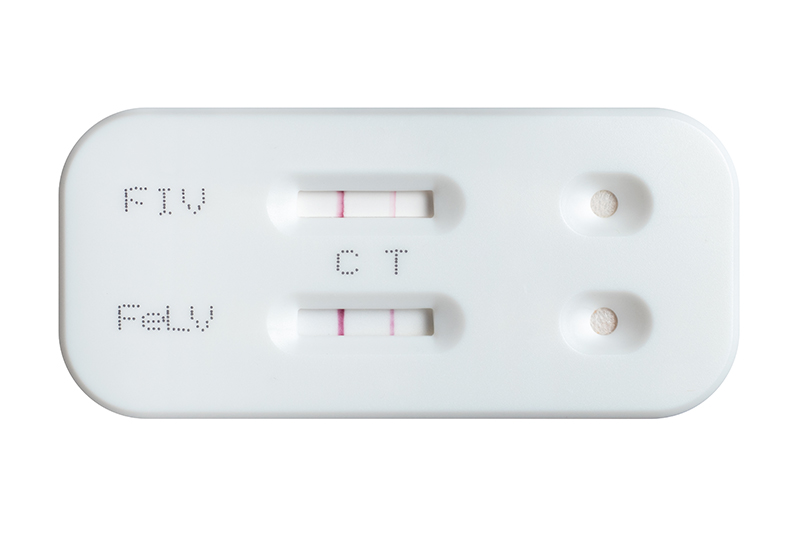
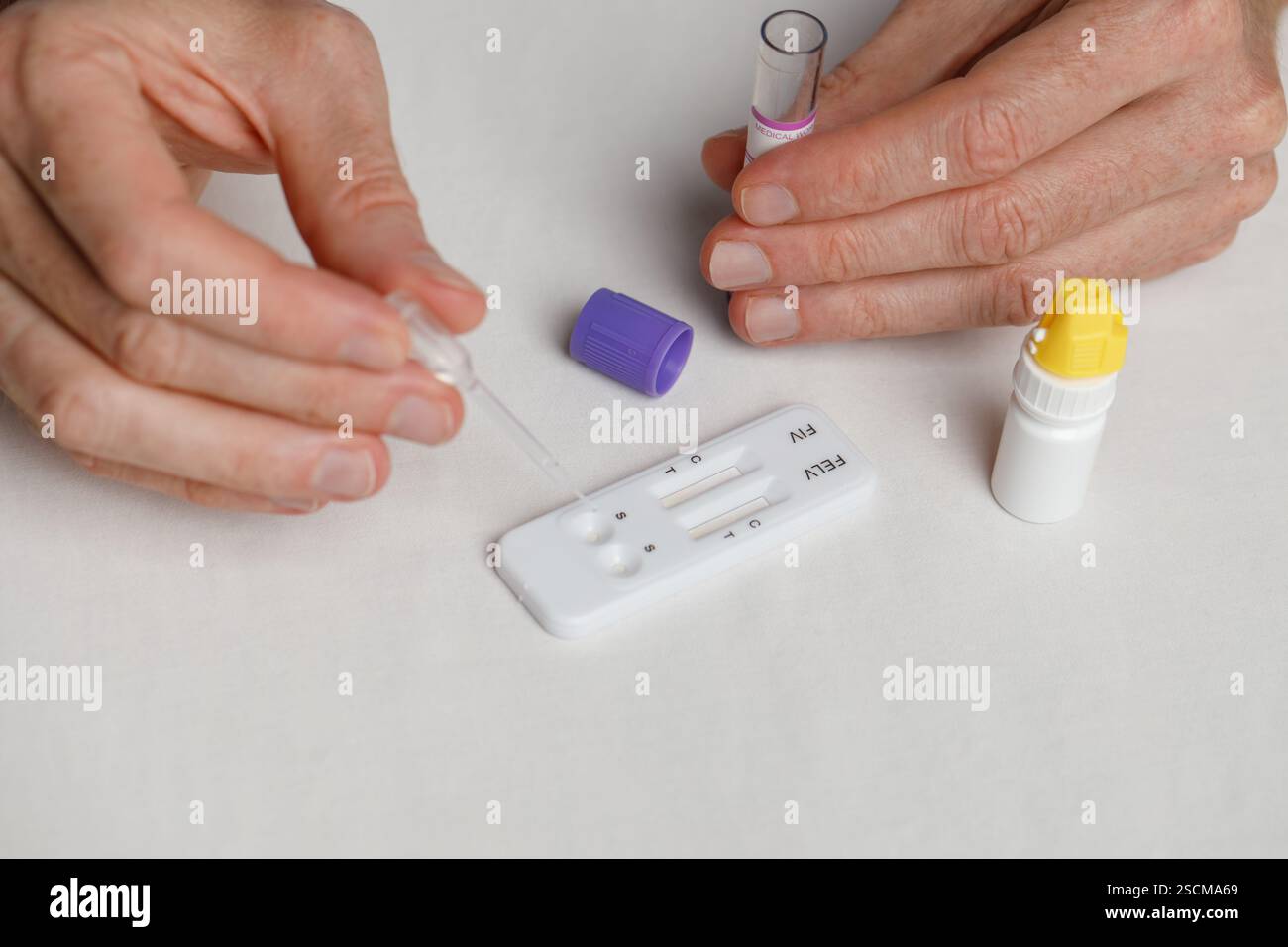
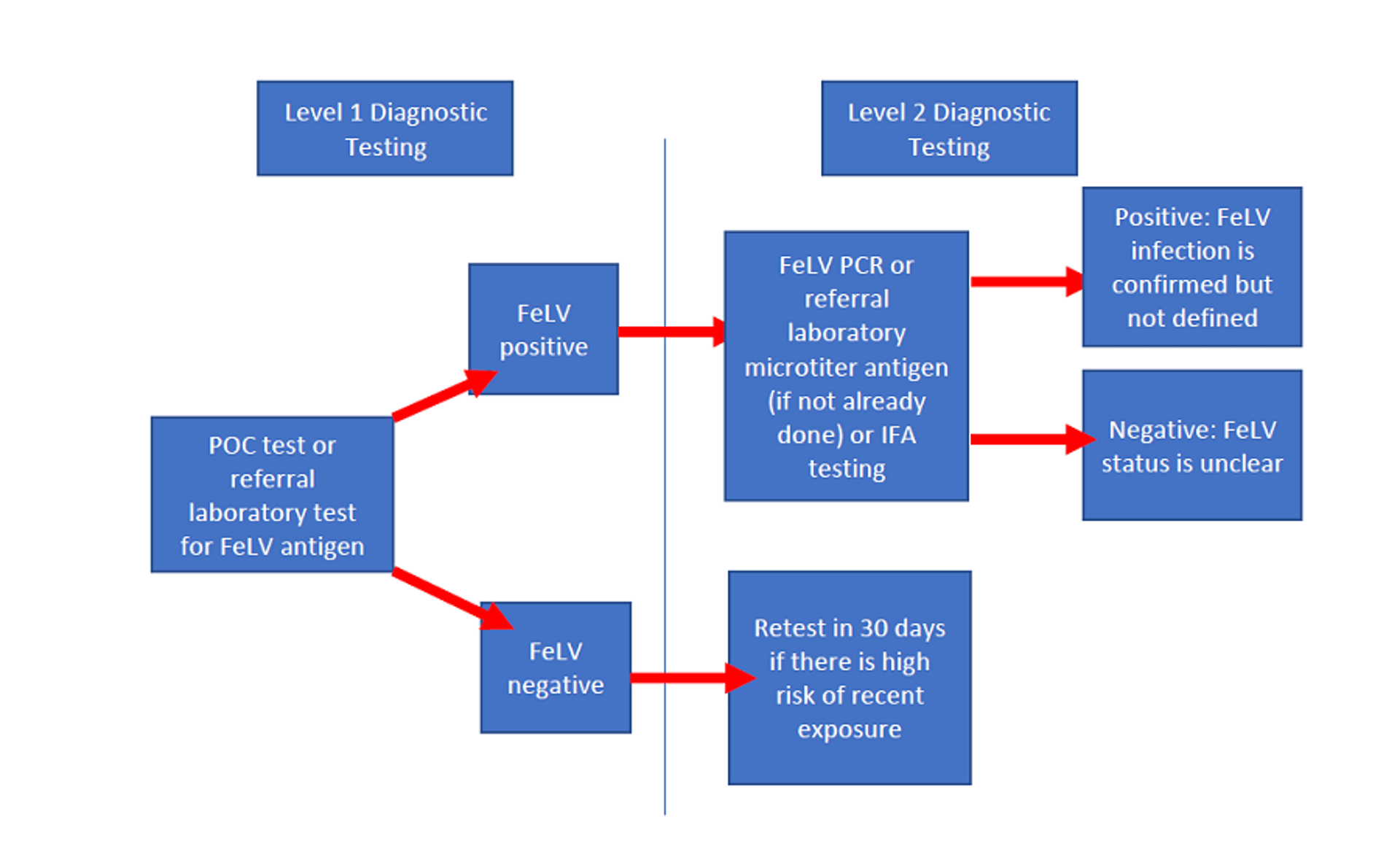
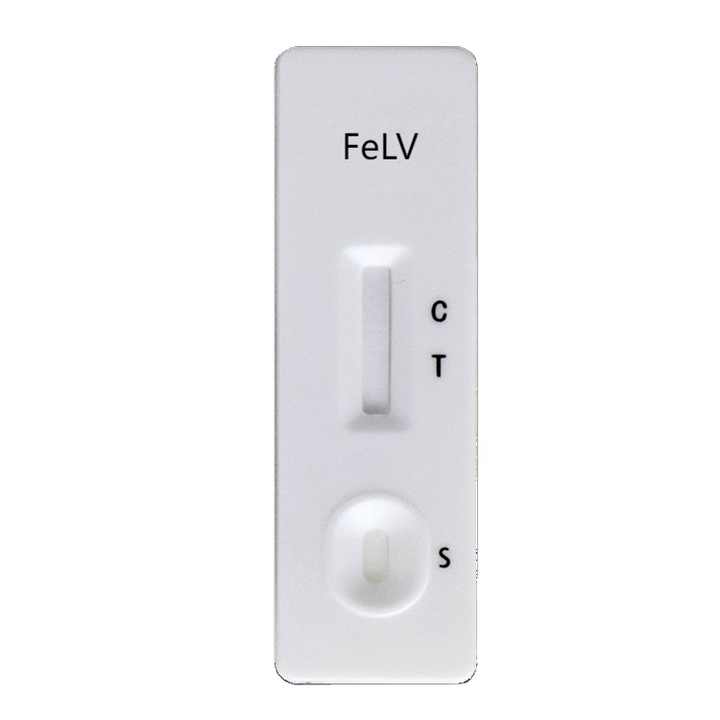
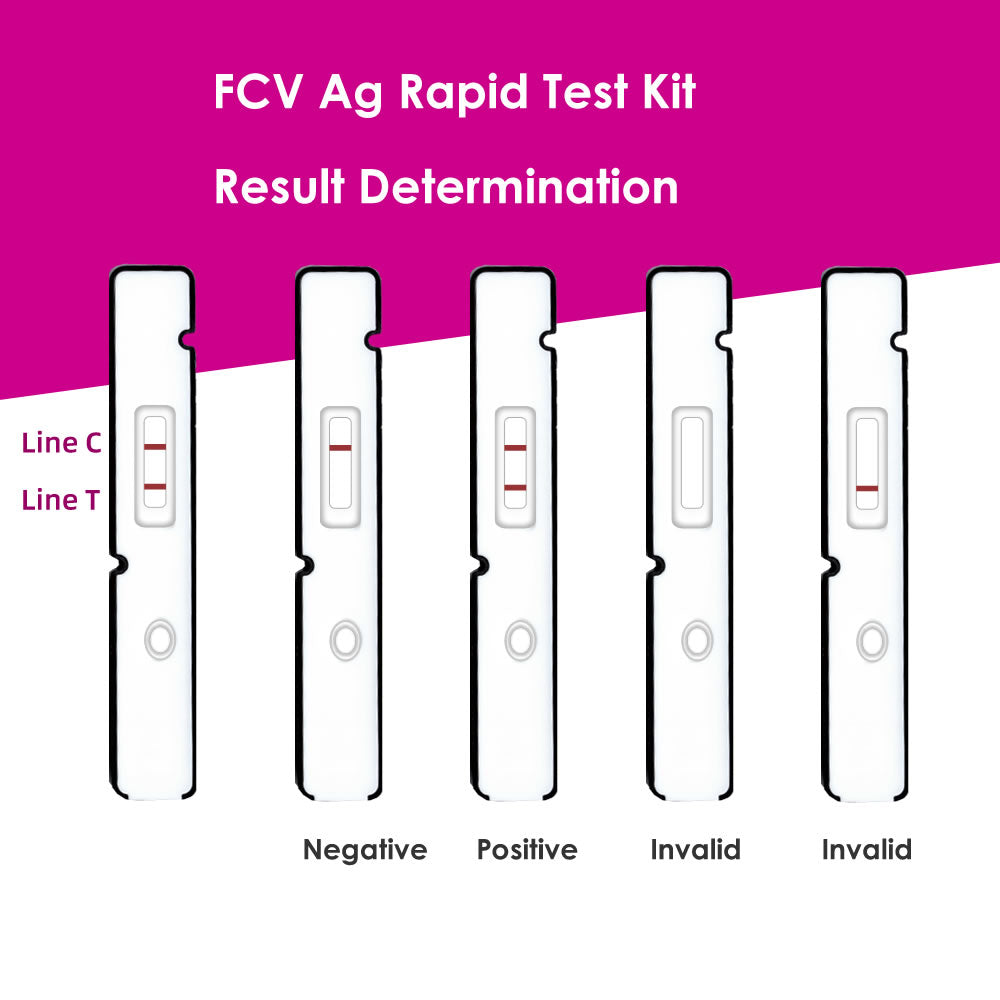
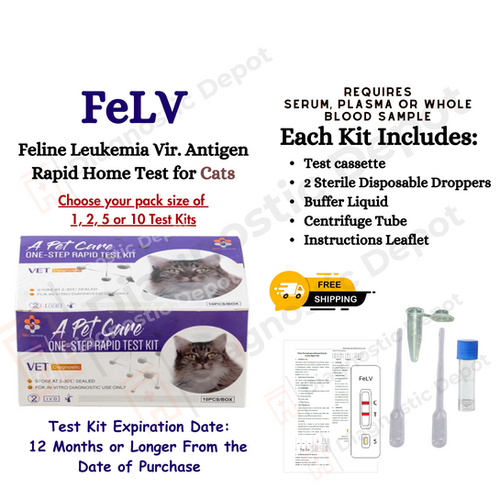
Two types of blood tests commonly used to diagnose FeLV detect a protein component of the virus called FeLV P27. One of these tests, called an enzyme-linked immunosorbent assay (ELISA), is usually performed first as a screening tool, and can be run in a veterinarian's office.
Diagnosis of FeLV infection typically begins with a positive result on a screening test, such as the SNAPTM Feline TripleTM Test and SNAPTM FIV/FeLV Combo Test, which evaluate for the p27 antigen.
The National Veterinary Laboratory, Inc. introduced the first test for any retrovirus in 1972, the FeLeuk immunofluorescent antibody (IFA) test for the feline leukemia virus (FeLV). Using this test, Dr. Hardy and his collaborators elucidated most of the FeLV diseases of cats.
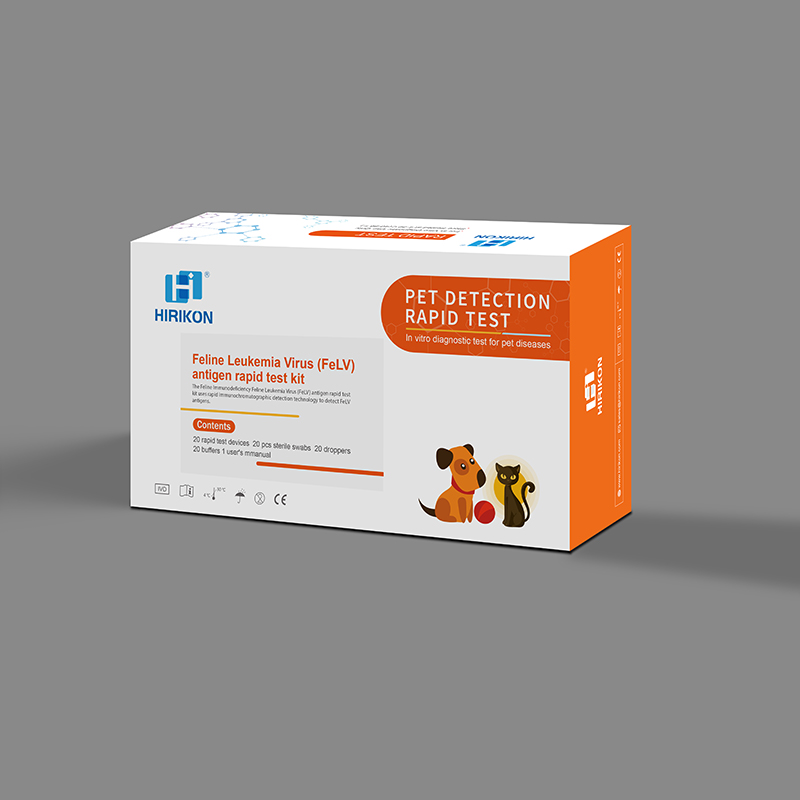
Moving forward, it's essential to keep these visual contexts in mind when discussing Feline Leukemia Virus Lab Test.
A simple blood test is recommended for all kittens to screen for two potentially dangerous viral diseases unique to cats: feline leukemia virus (FeLV) and feline immunodeficiency virus (FIV).
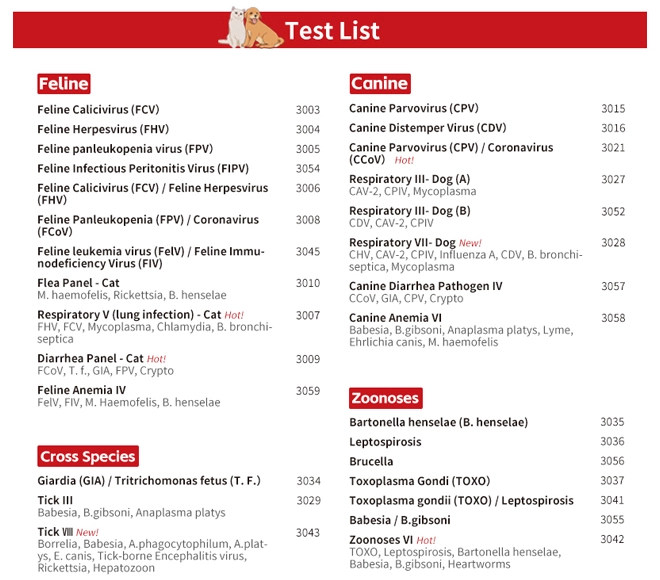
Need a different test? Use the Find a Test page to browse and search for available tests.

This particular example perfectly highlights why Feline Leukemia Virus Lab Test is so captivating.
Identification of a cat's infection status may require repeated testing over time, and several types of diagnostic tests. Treatment of infected cats depends on infection type, clinical signs, and patient status.