Progressive FeLV infection carries the worst prognosis, and cats with progressive FeLV are at high risk of developing potentially fatal associated diseases. With a progressive infection, a cats bone marrow becomes infected with the virus and allows for continual viral replication.
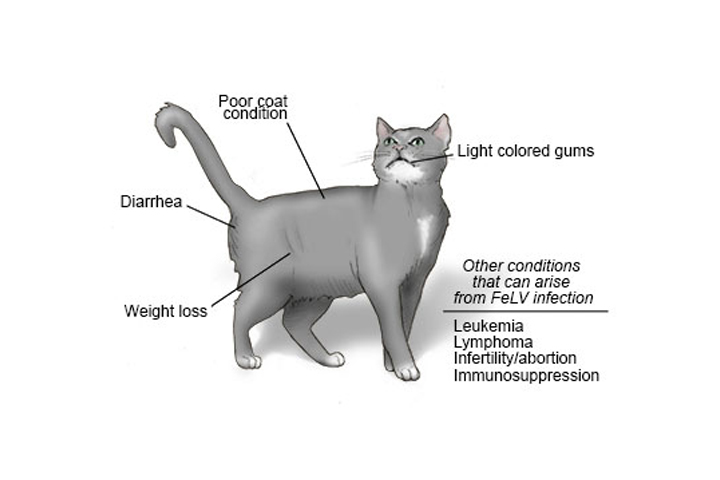
Feline leukemia and blood cancer are synonymous: MYTH! Feline Leukemia Virus is actually a type of oncological virus (or oncovirus) that can cause tumors, but not all cats diagnosed with leukemia develop blood cancer. Cats with feline leukemia can live comfortably for months to several years with proper care, though the median survival is 2.53 years for progressive infections. Prognosis for cats with progressive infections is variable depending upon current immune status, stress, or concurrent disease. Some progressive cats may remain nonclinical for several years. Since the prognosis for feline leukemia is so poor, the FeLV is considered a must-do screening test. Plus, we know that infection rates for FeLV go up to 30% in ill or at-risk cats! Feline Leukemia Virus (FeLV) is a devastating immunodeficiency disease that weakens a cats ability to fight infections and can lead to cancer. While some cats with FeLV can live comfortably for years with proper care, the disease is progressive and often fatal over time. The retrovirus status of every cat at risk of infection should be known. Cats exposed to FeLV may develop one of three outcomes: abortive, regressive, or progressive. In its progressive form, FeLV infection is associated with conditions such as profound anemia, malignancies, and immunosuppression.

The retrovirus status of every cat at risk of infection should be known. Cats exposed to FeLV may develop one of three outcomes: abortive, regressive, or progressive. In its progressive form, FeLV infection is associated with conditions such as profound anemia, malignancies, and immunosuppression.
Such details provide a deeper understanding and appreciation for Feline Leukemia Virus Prognosis In Cats With Cancer.