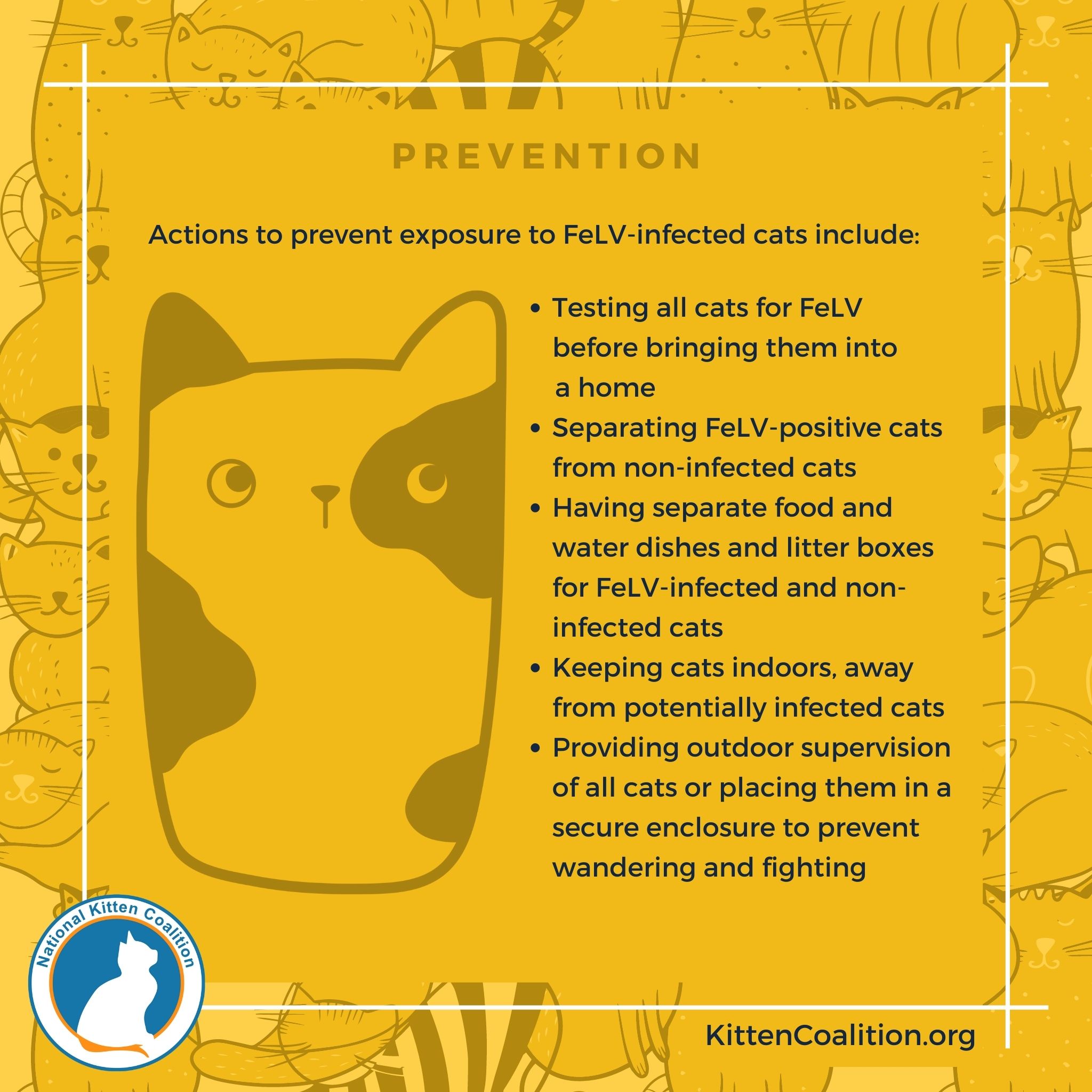
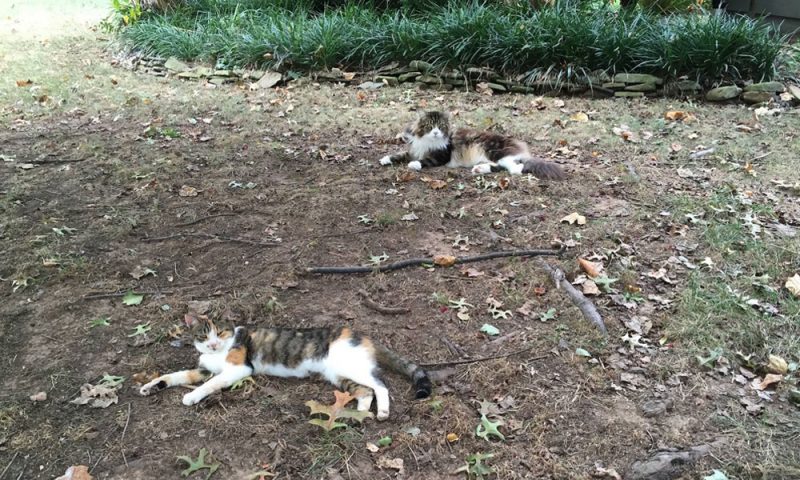
The only sure way to protect cats from FeLV is to prevent their exposure to FeLV-infected cats. Keeping cats indoors, away from potentially infected cats is recommended. If outdoor access is allowed, provide supervision or place cats in a secure enclosure to prevent wandering and fighting.
The American Association of Feline Practitioners (AAFP) recommends screening all cats for FeLV infection at the time they are acquired, before initial vaccination, after potential exposure to FeLV-infected cats, and as part of a diagnostic workup for any illness.
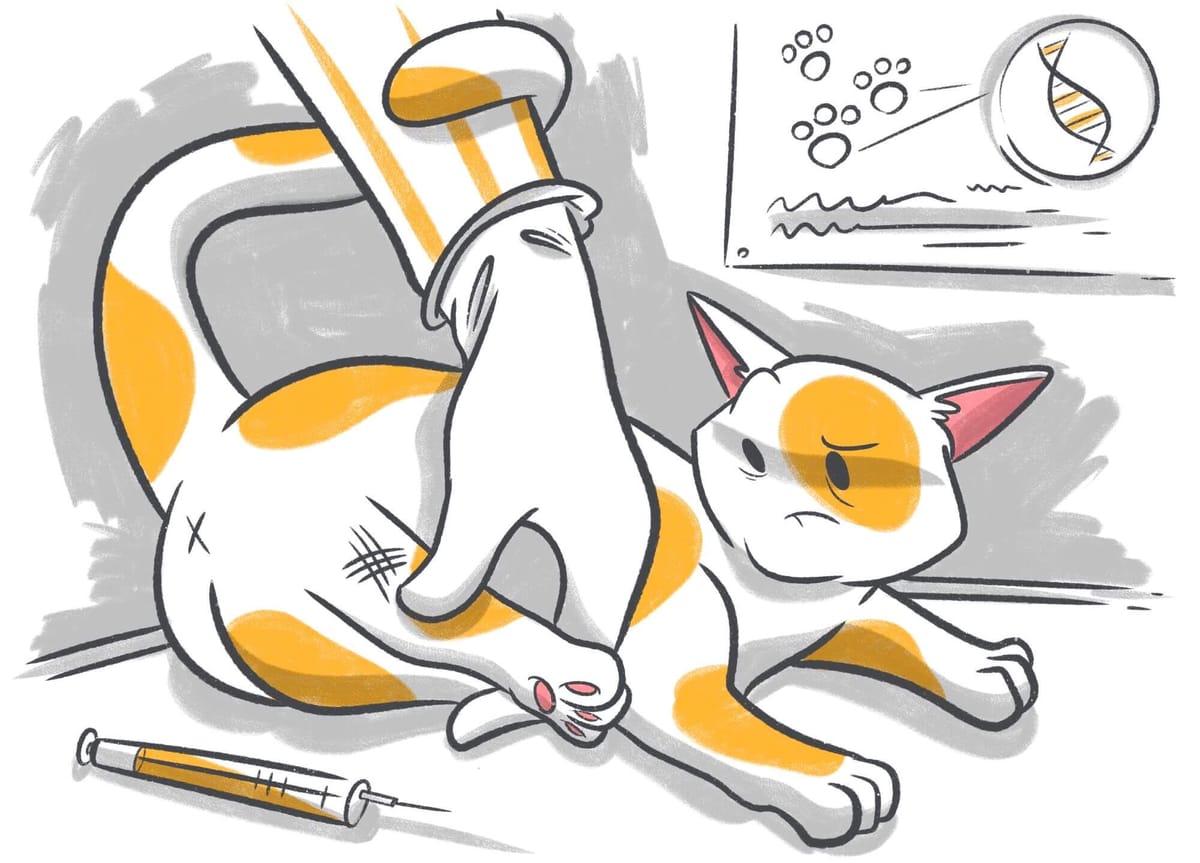
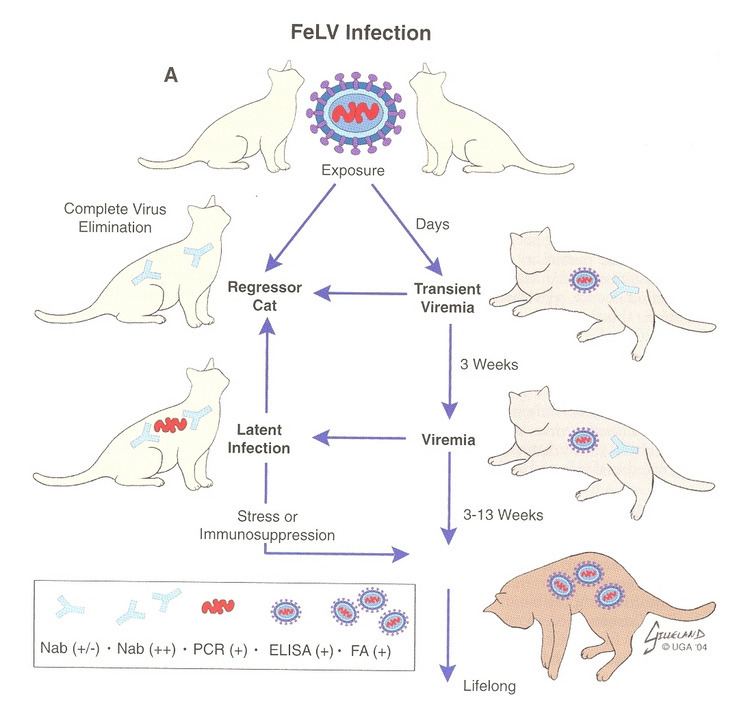
Feline leukemia virus is transmitted between cats via infected saliva and urine. Direct contact with these body fluids, mutual grooming, shared litter boxes and food dishes, and fighting (bite wounds) all expose uninfected cats to the virus.

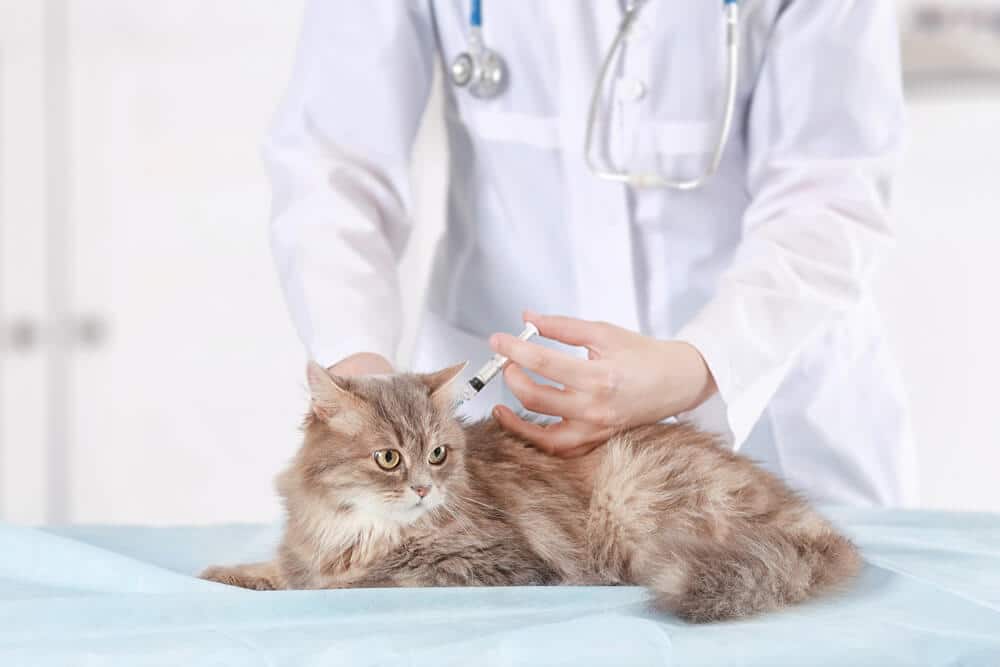
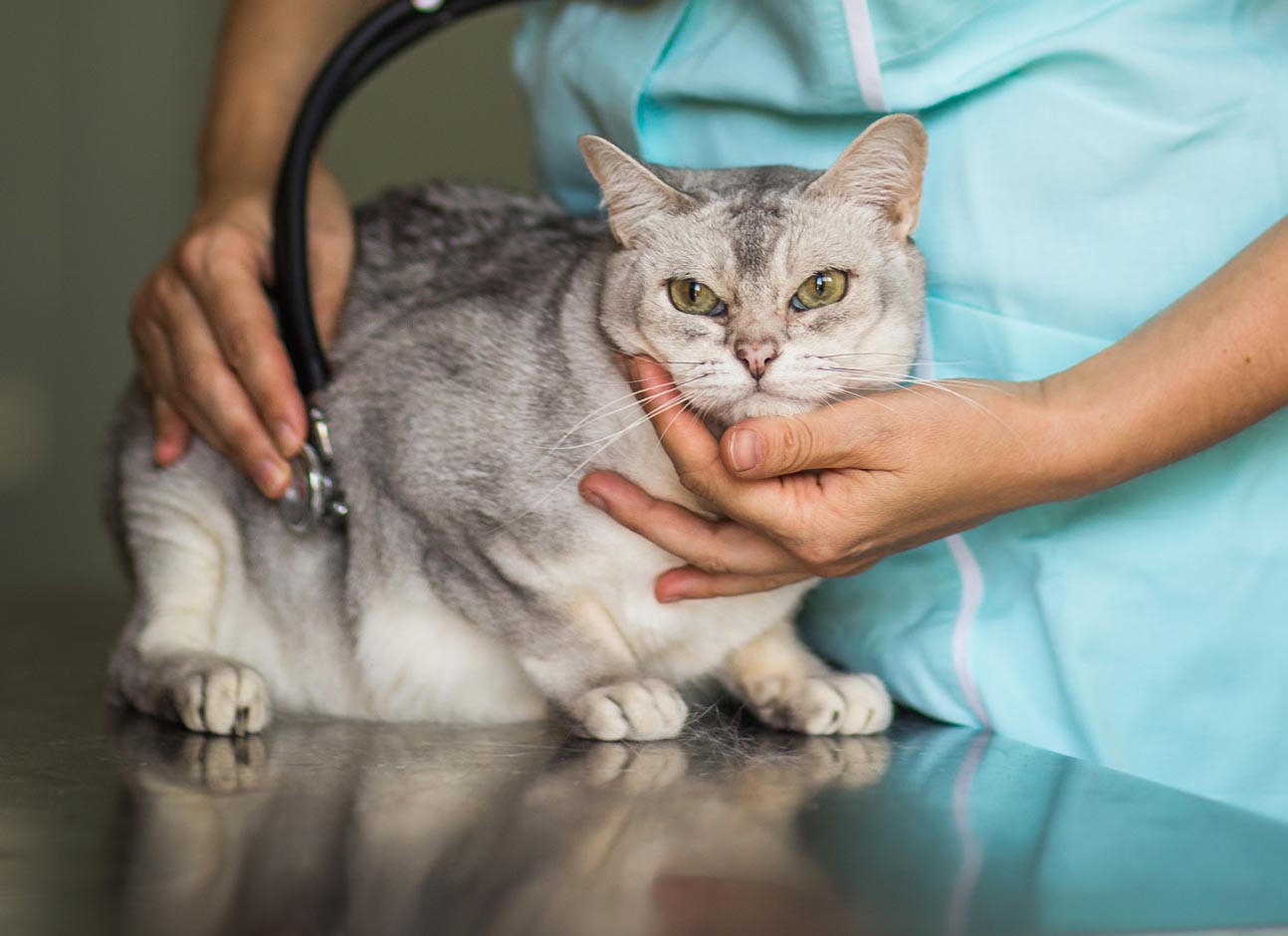
Preventive veterinary care, including frequent physical examination, laboratory monitoring, core vaccinations, spay or neuter surgery, dental prophylaxis, and parasite control, is essential. Avoid transmission to other cats by preventing access to outdoors and other uninfected cats in the household.
Immediately separate the FeLV-positive cat from all other cats in your home. The virus spreads primarily through saliva during mutual grooming, or by sharing food bowls, water dishes, and litter boxes. True isolation means keeping the cat in a separate room with its own dedicated supplies.