Treatment for a cat that has been diagnosed with most forms of lymphoma typically centers around chemotherapy. A veterinary oncologist will determine the appropriate combination of chemotherapeutic agents to administer to the cat intravenously, often once weekly for many weeks depending on response to treatment.
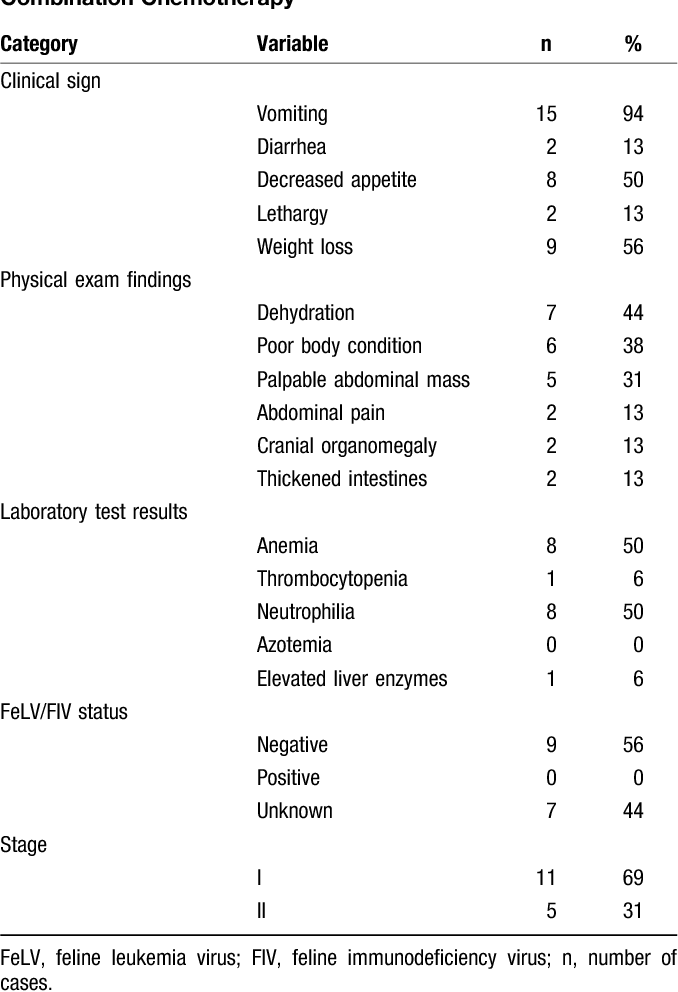
Lymphoma is diagnosed via fine needle aspirate cytology or biopsy, depending on the location and extent of disease. In some cases, diagnosis may require sampling of bone marrow or other organs or molecular testing on blood or other tissue samples (e.g. flow cytometry, PARR). See full list on hospital.cvm.ncsu.edu Clinical signs depend on the anatomical location of the disease. Cats with gastrointestinal lymphoma show weight loss, decreased appetite, vomiting, and/or diarrhea. Cats with large cell gastrointestinal lymphoma tend to have a rapid onset of signs (days or weeks) versus cats with small cell gastrointestinal lymphoma that usually have chronic signs... See full list on hospital.cvm.ncsu.edu Complete blood count (CBC), chemistry panel, FeLV/FIV testing, and urinalysis are recommended for all feline lymphoma patients. Abdominal ultrasound provides an evaluation of the gastrointestinal tract, liver, spleen, and internal lymph nodes. Thoracic radiographs (x-rays) examine for lymph node and/or lung involvement or the presence of fluid arou... See full list on hospital.cvm.ncsu.edu Lymphoma can be treated with chemotherapy, surgery, radiation therapy, or combinations of these modalities. Prognosis is influenced by lymphoma subtype and anatomical location. Between 50%-75% of cats with gastrointestinal large cell lymphoma receiving CHOP chemotherapy respond to treatment and their prognosis is between 6-9 months. Cats that achie... See full list on hospital.cvm.ncsu.edu Side effects depend on the treatment selected and the extent of disease and clinical signs. Surgery carries the risk of anesthesia, though this is minimal. Other risks include bleeding and complications from healing or infection. Side effects of chemotherapy are infrequent and most commonly include temporary gastrointestinal upset such as vomiting ... See full list on hospital.cvm.ncsu.edu Chemotherapy often carries a negative impression, especially with our understanding of chemotherapy in human medicine. Our approach to chemotherapy in veterinary medicine is focused on limiting severe side effects and providing increased quality of life. Chemotherapy in human medicine is provided with the intent to cure by using very high doses and... See full list on hospital.cvm.ncsu.edu We understand this is a difficult time and we are here to support you and your pet by providing the necessary options and care. Selecting a therapy is not binding and can be adjusted to you and your pets needs. During treatment sessions, you will be provided with updates and any recommendations depending on your pets response. Should any concerns... See full list on hospital.cvm.ncsu.edu Cost estimates are based on individual appointments and the overall cost is dependent on patient response and does not include additional supportive care or hospitalization if required. See full list on hospital.cvm.ncsu.edu Once you have determined the best therapeutic option for your pet, you will work with our oncology team to develop an appointment plan. See full list on hospital.cvm.ncsu.edu Patients undergoing treatments must have a scheduled appointment prior to arrival. 1. Schedule your appointments at reception upon check out. 2. Drop-offs are requested between 7:30-8:30 am. 3. Pick-ups are requested by 4:30 pm. 4. No discharges are done between 3:30 4:30 pm as our oncology team is in rounds. See full list on hospital.cvm.ncsu.edu im of the article: This article discusses the diagnosis and staging of feline lymphoma, the different clinical presentations, and outlines the most commonly used treatment methods. Lymphoma in cats is often classified based on its location and the size of the cancer cells. It can occur in a variety of anatomic locations, with the most common being the gastrointestinal tract, nasal cavity, mediastinum (area in the chest between the heart and lungs), and kidneys. Expert guide to chemo for cats with lymphoma, including treatment options, side effects, and prognosis for feline cancer patients. While a lymphoma diagnosis can be overwhelming, you and your veterinary oncologist can partner to create the most appropriate plan for your cat and your family.
This particular example perfectly highlights why Feline Lymphoma Treatment Guides is so captivating.
While a lymphoma diagnosis can be overwhelming, you and your veterinary oncologist can partner to create the most appropriate plan for your cat and your family.

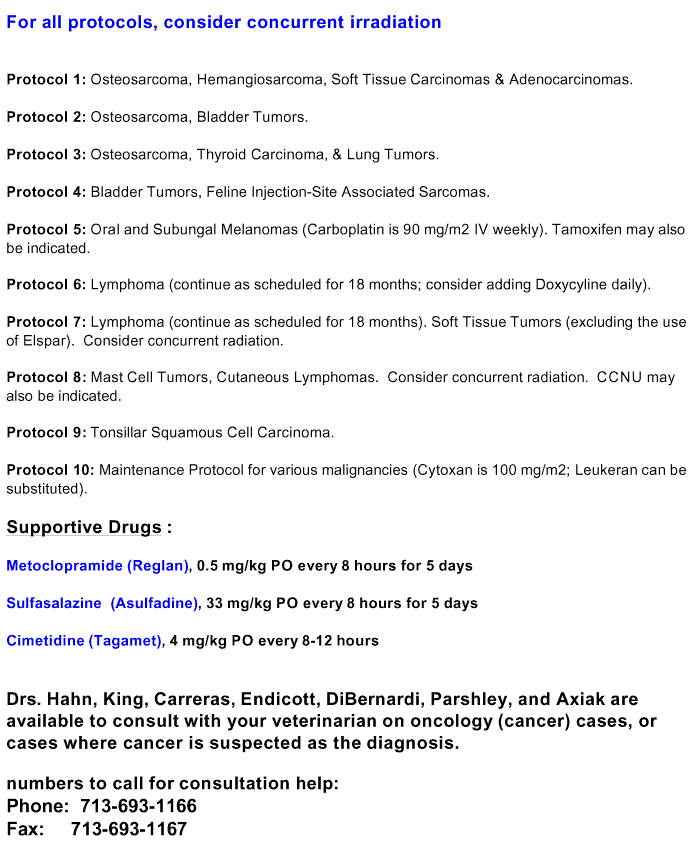
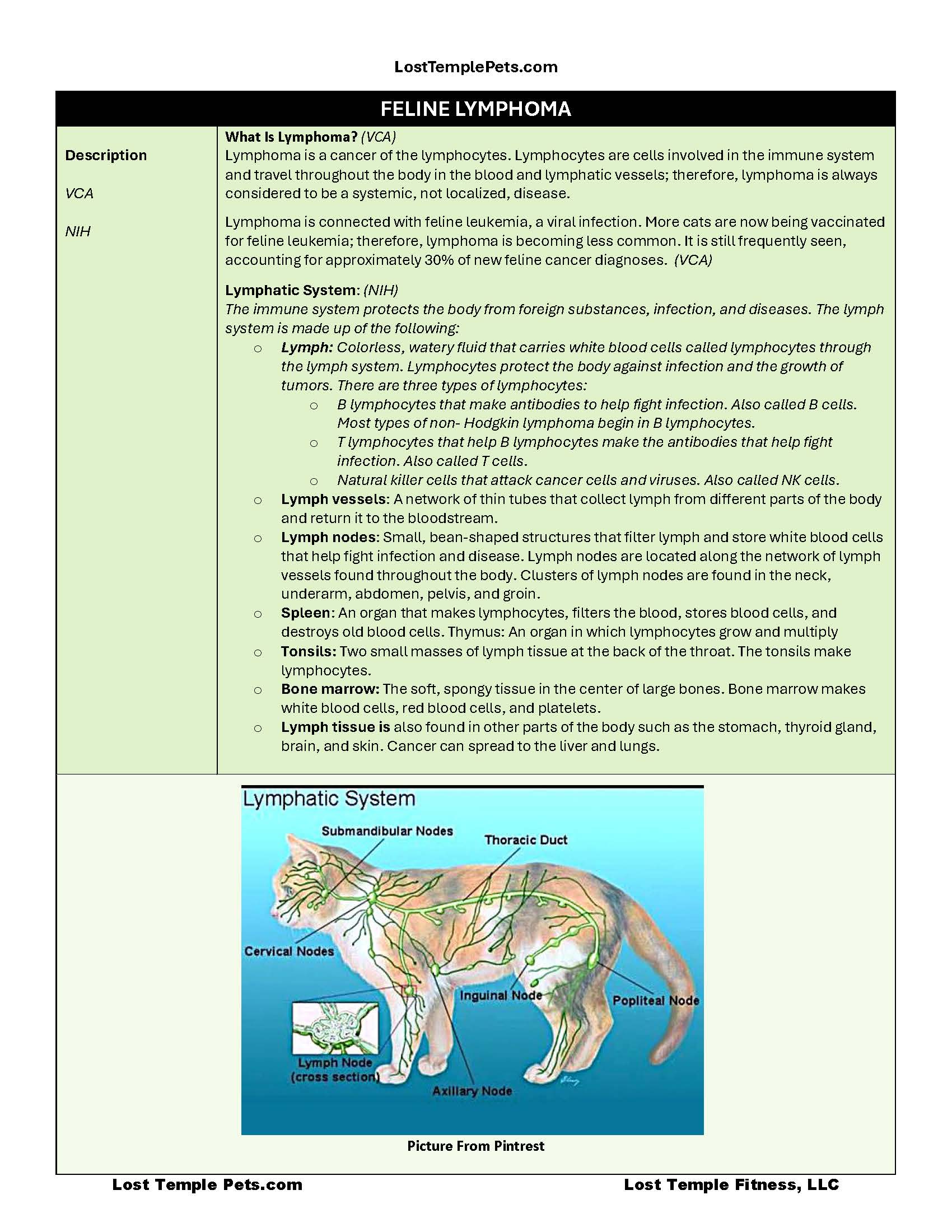
As we can see from the illustration, Feline Lymphoma Treatment Guides has many fascinating aspects to explore.