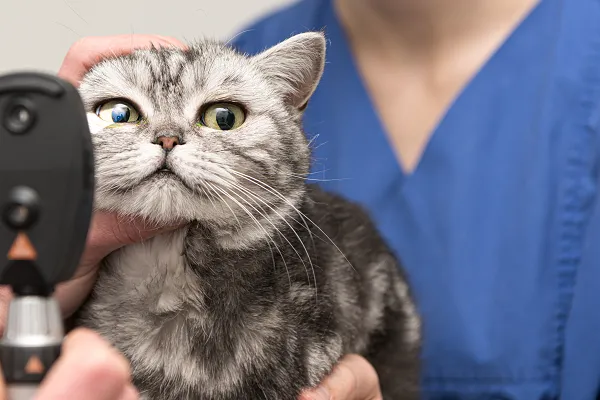
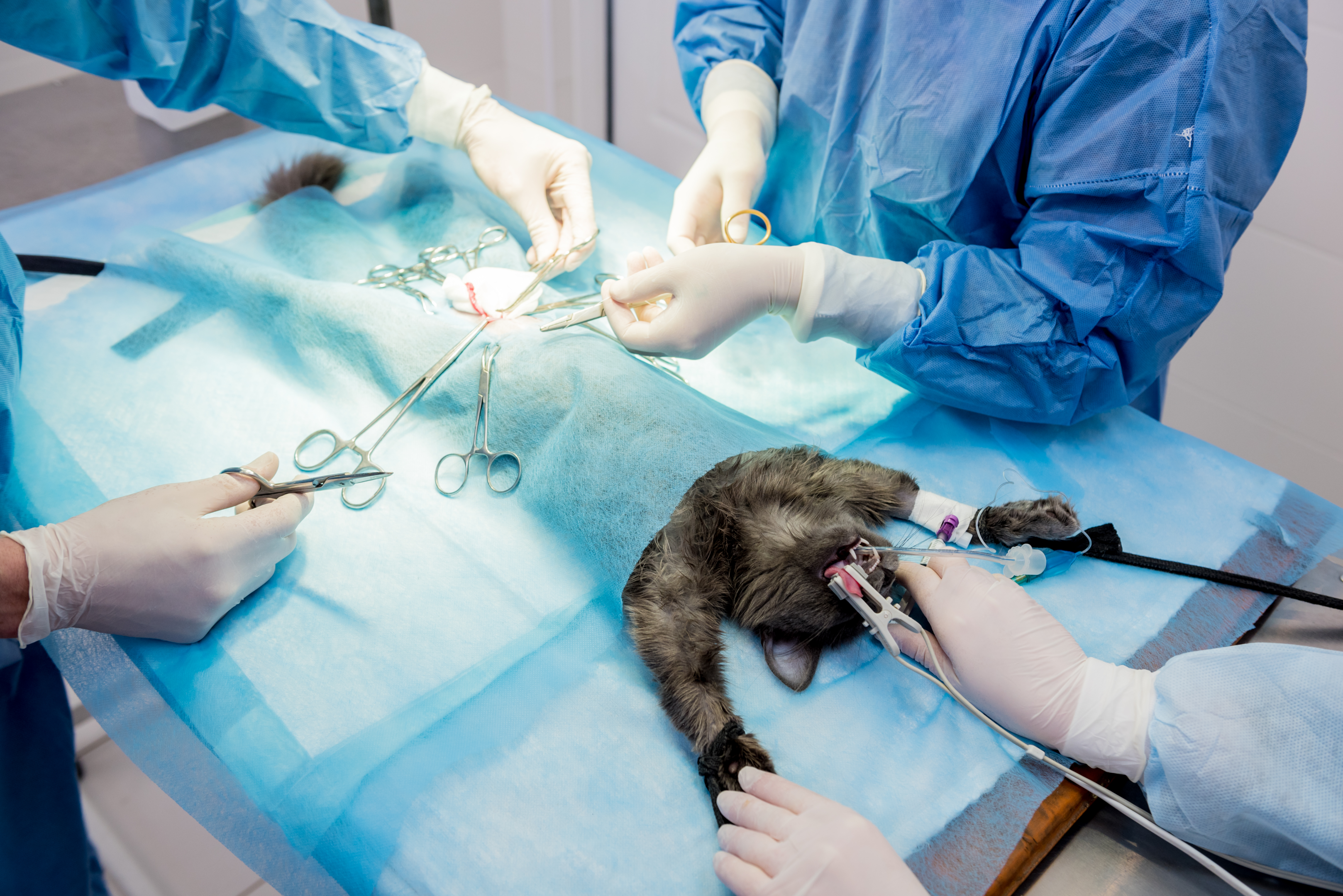
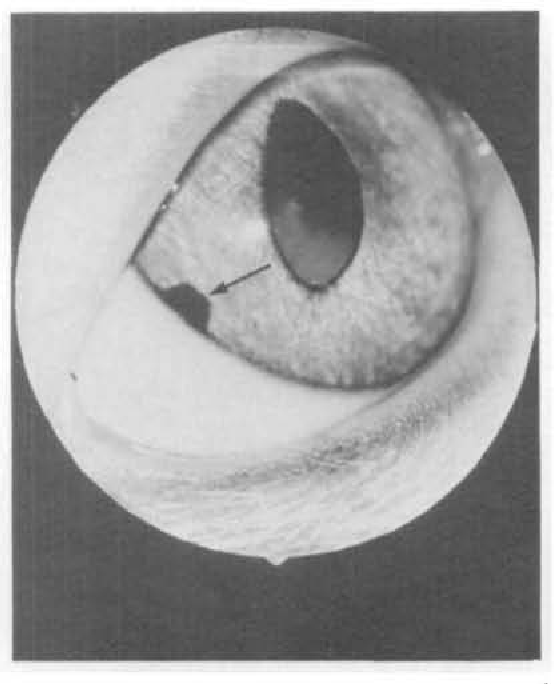
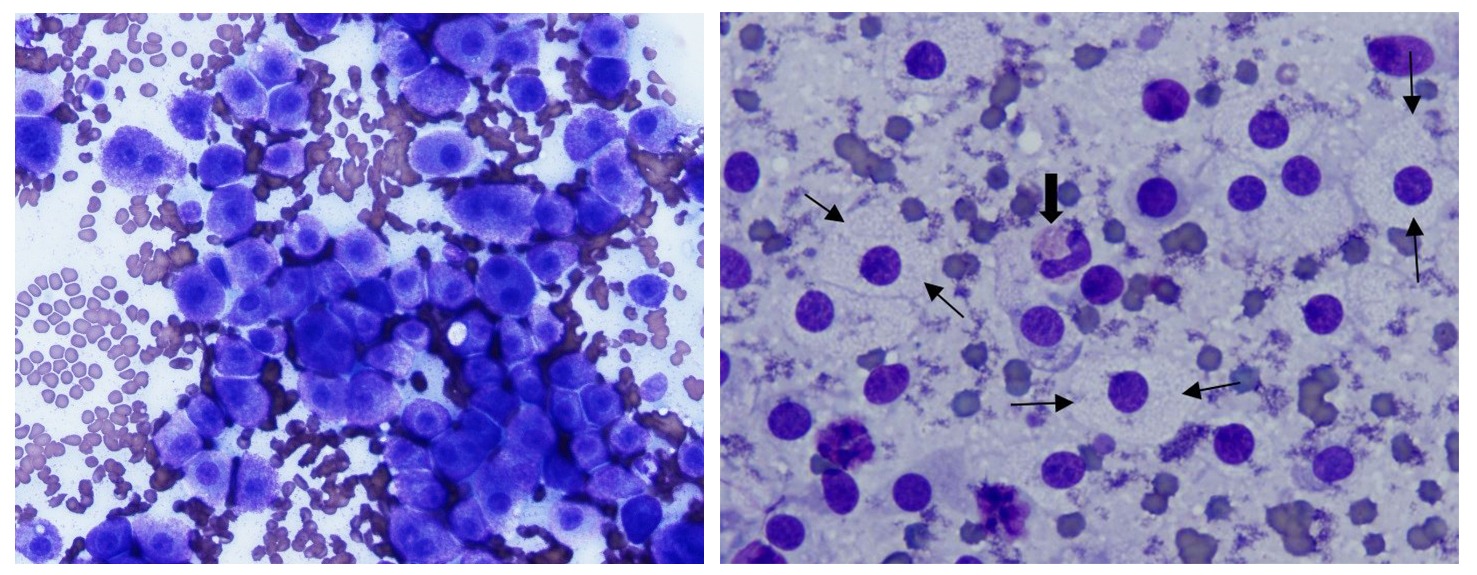
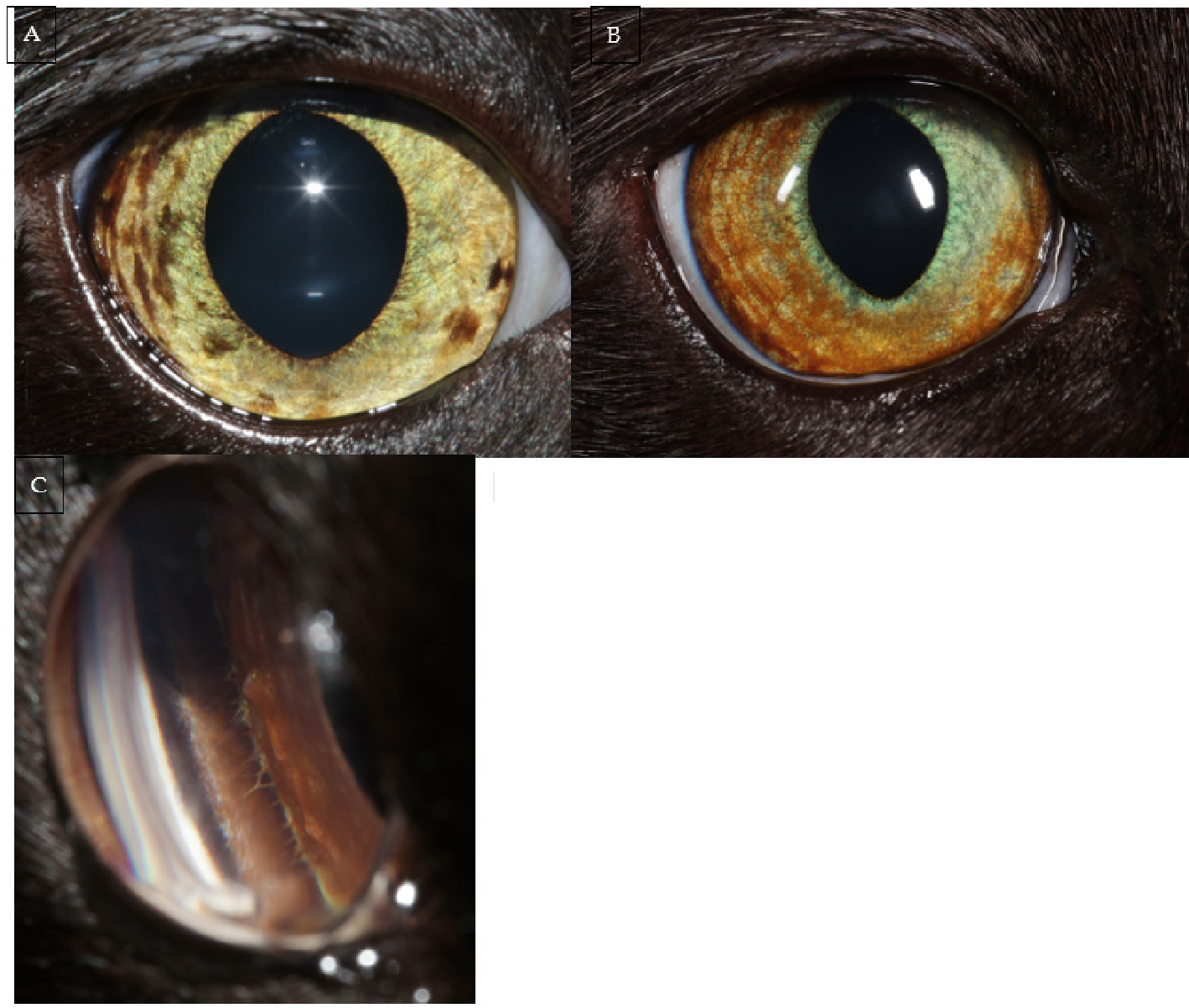
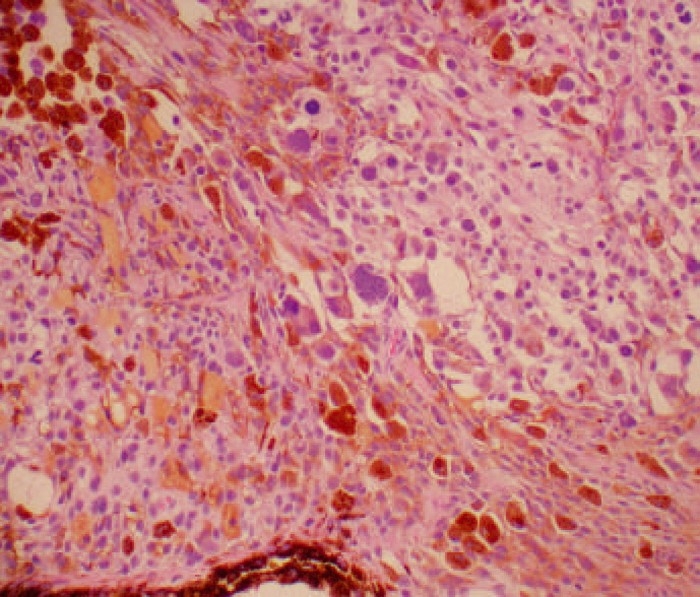
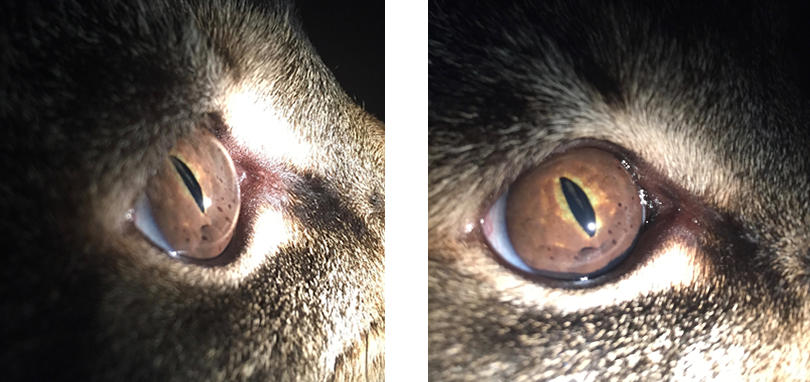
Depending on the tumor, treatment may only be local, or extensive treatment may be necessary if cancer has spread to other areas in the body (such as in cats with Stage IV melanoma). Surgical removal is generally the best initial step to take. Guidelines at-a-Glance Understanding the common types of cancer in dogs and cats is essential for early detection, timely diagnosis, and appropriate treatment. Regular veterinary check-ups, awareness of clinical signs, and client education play critical roles in managing cancer in pets. For surface tumors, cryo-surgery (freezing) can be used as needed. Avoidance of further sun exposure may reduce the development of new tumors. Other types of treatments are available. Talk to your veterinarian or a veterinary oncologist for more information on treatment options. nimalWised looks at the symptoms, treatment and prognosis of melanoma in cats. We discover what we might expect if our cat develops this disease, particularly in terms of life expectancy. Melanomas or tumors can be benign or malignant in cats and are most often found on the head, neck and lower legs. Malignant tumors are relatively rare in cats. Learn more about these types of tumors, what to look for and what you can do to help your cat. PetCure Oncology is committed to changing that with our board-certified veterinary oncologists and specialists. Today, you can take comfort in knowing there are new therapies revolutionizing the way we treat cancer in our dogs and catsand theyre now available for your furry loved one. How is melanoma treated in cats? Treatment for melanoma in cats typically involves surgical removal of the tumor. Depending on the location and extent of the cancer, additional treatments such as radiation therapy or chemotherapy may also be recommended. In some cases, immunotherapy may boost the cats immune system to fight cancer. What is the prognosis of melanoma in cats? Being an aggressive type of cancer, patients generally have a guarded prognosis. Depending on the tumor, treatment may only be local, or extensive treatment may be necessary if cancer has spread to other areas in the body (such as in cats with Stage IV melanoma). Surgical removal is generally the best initial step to take. What is the treatment for diffuse iris melanoma in cats? The treatment approach for diffuse iris melanoma in cats depends on the individual case and the extent of the tumor. Treatment options may include surgical removal of the affected eye (enucleation), radiation therapy, cryotherapy (freezing the tumor), or a combination of these approaches. How is malignant melanoma diagnosed in cats? The staging process is an important part of the diagnosis and treatment of malignant melanoma in cats. When the extent of tumor spread is determined, the prognosis can also be predicted. Chest x-rays, lymph node sampling, and abdominal ultrasound exams are checked for any evidence of metastasis (spread) of the tumor to other parts of the body. Learn about melanoma in cats, a type of skin cancer. Discover the causes, symptoms, diagnosis, treatment options, and prevention strategies. Keep your feline friend healthy and happy.

This particular example perfectly highlights why Feline Melanoma Treatment Centers is so captivating.
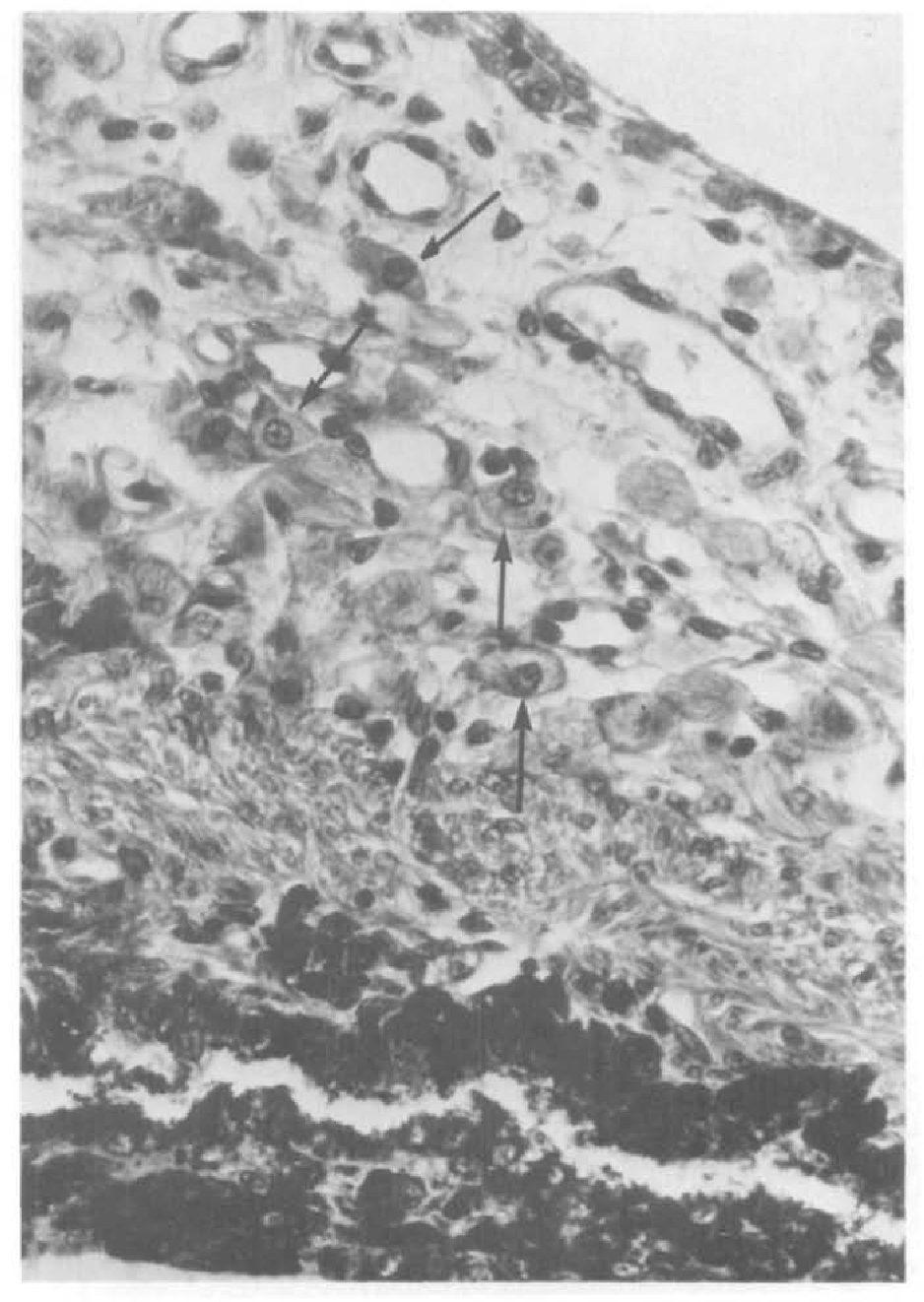
Such details provide a deeper understanding and appreciation for Feline Melanoma Treatment Centers.

Moving forward, it's essential to keep these visual contexts in mind when discussing Feline Melanoma Treatment Centers.