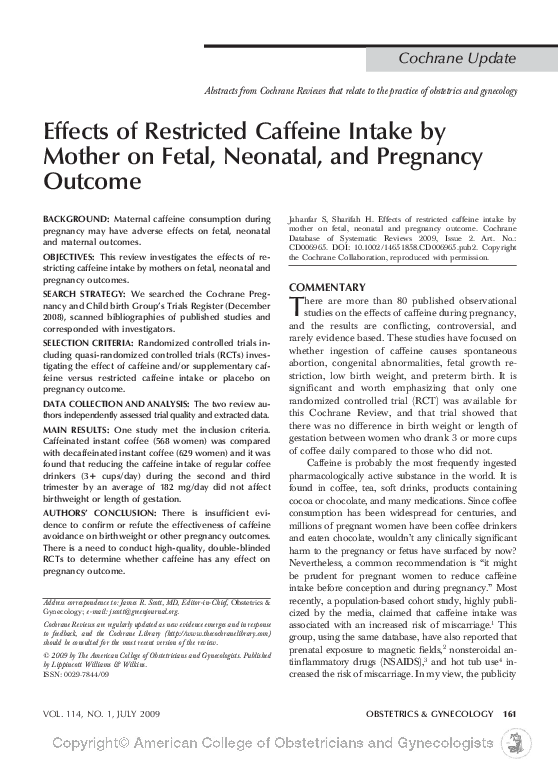
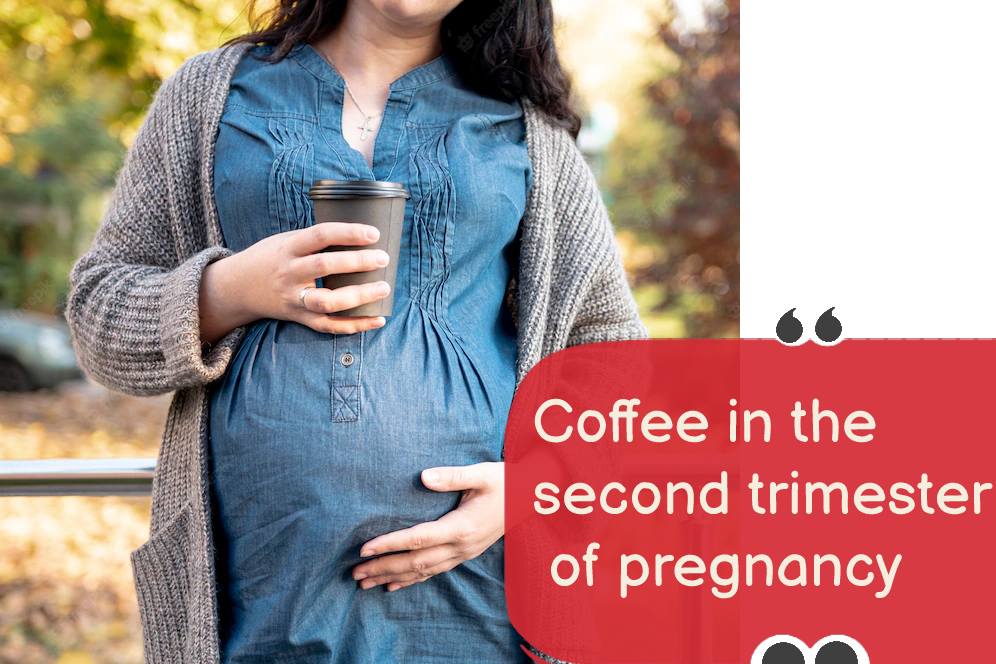
Moderate daily caffeine intake during pregnancy may lead to smaller birth size Pregnant women who consumed the caffeine equivalent of as little as half a cup of coffee a day on average had slightly smaller babies than pregnant women who did not consume caffeinated beverages, according to a study by researchers at the National Institutes of Health.
What caffeine does to your body when youre pregnant While we know how caffeine affects pregnant women, how it impacts fetal development and later, your babys health is less certain.

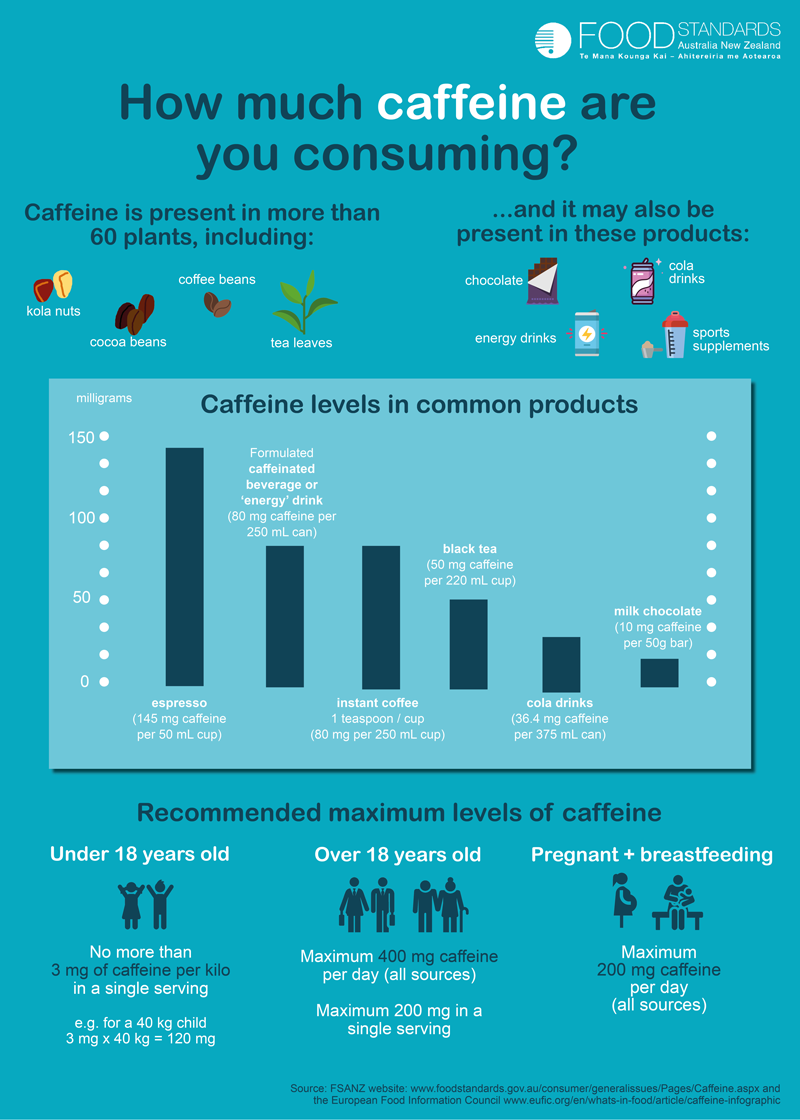
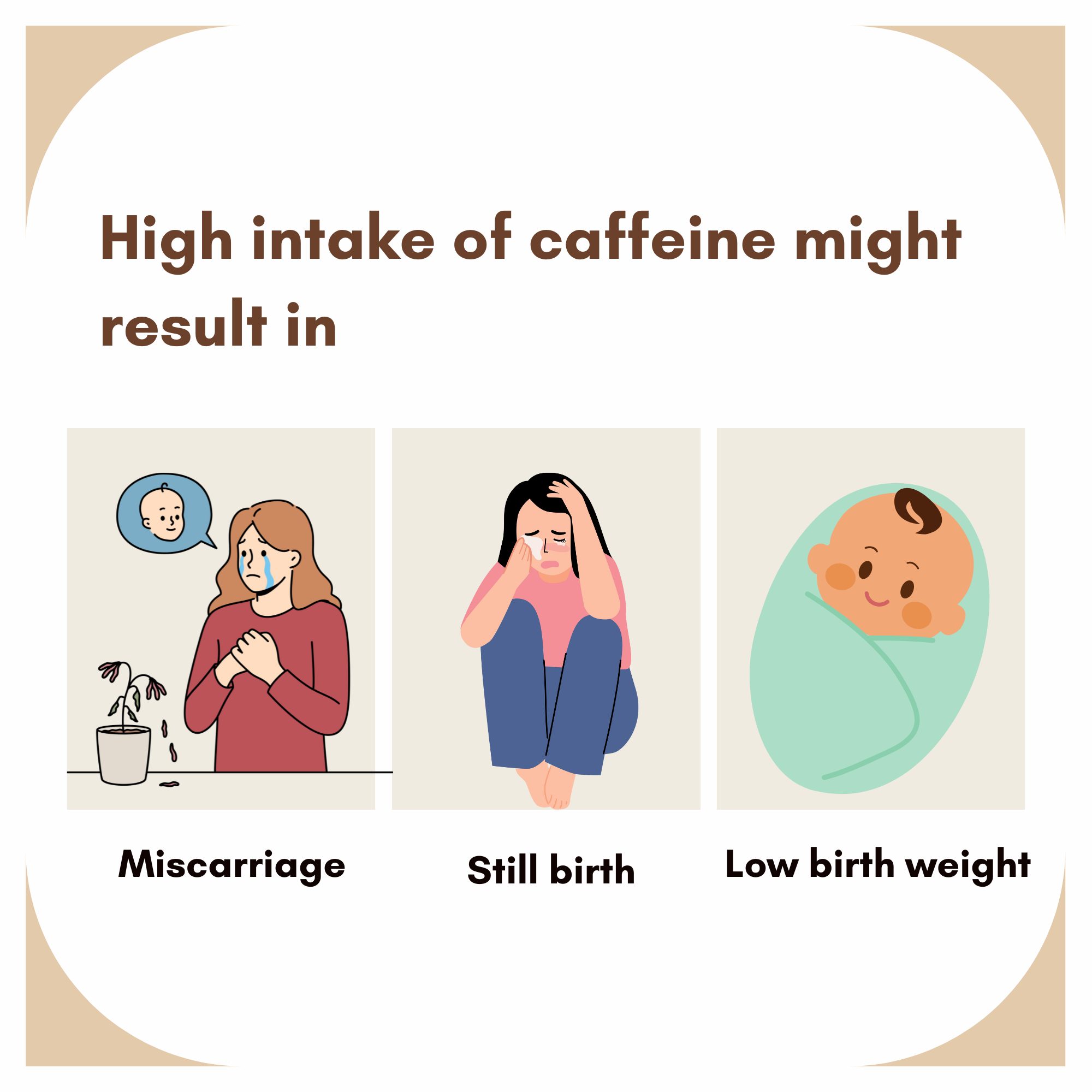
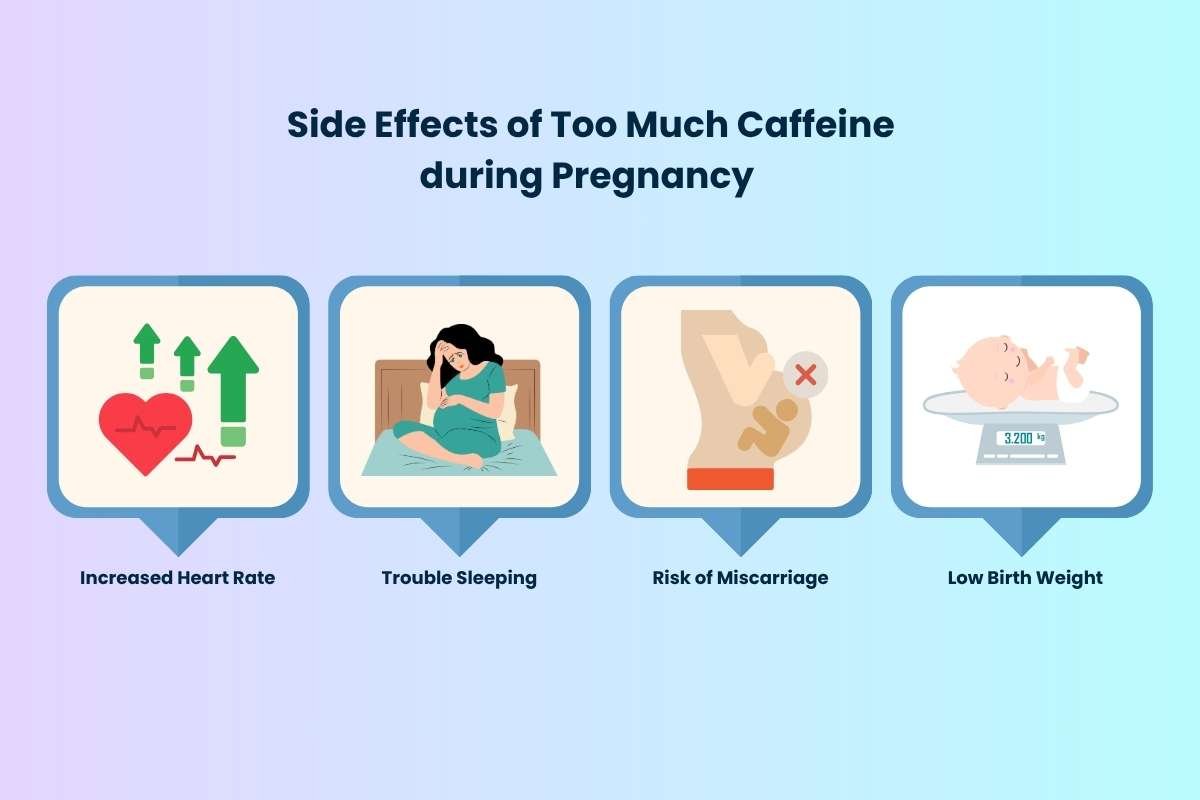
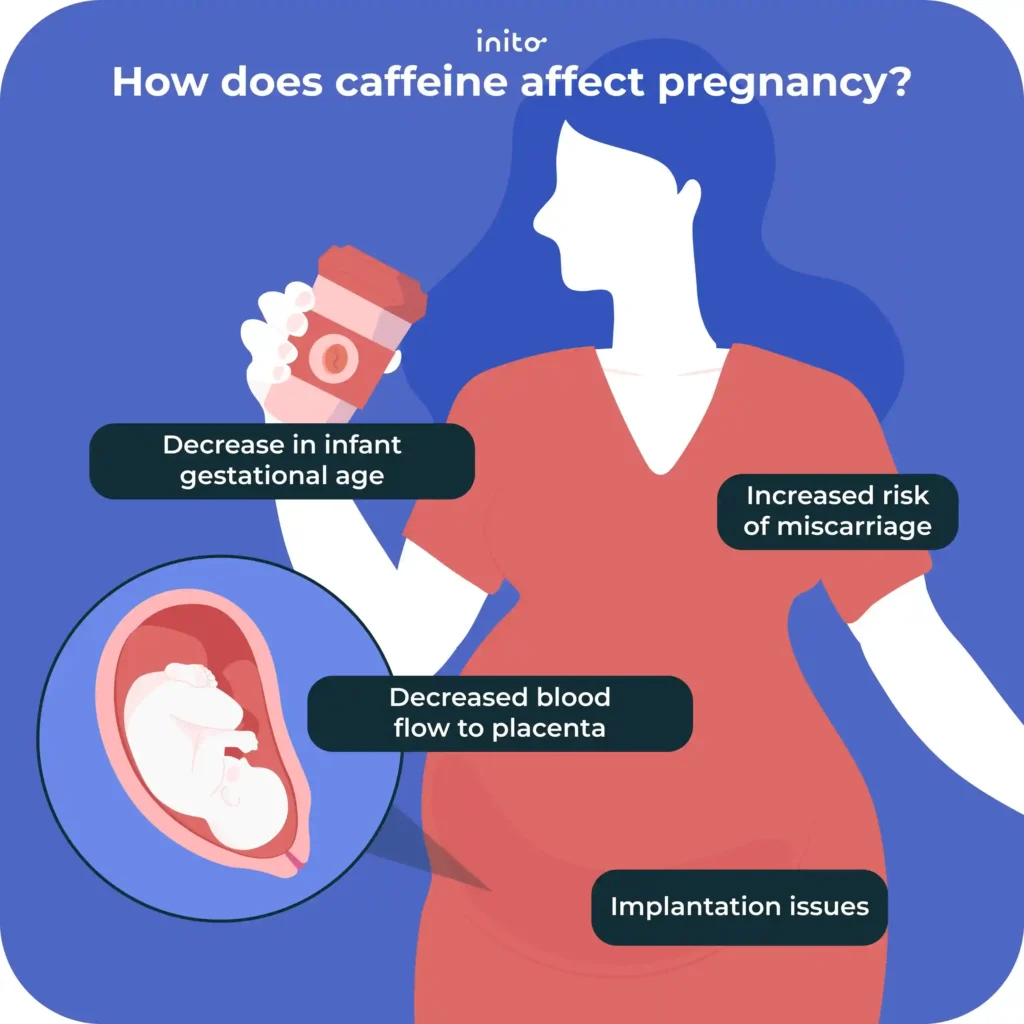
In some studies, exposures below the recommended level of caffeine intake during pregnancy (200 mg/day), as suggested by the guidelines, were associated with pregnancy loss, low birth weight, cardiac and genital anomalies, higher body mass, and neurodevelopmental and neurobehavioral outcomes.

As we can see from the illustration, Fetal Development And Caffeine Intake has many fascinating aspects to explore.
Caffeine is commonly used to excess by the general public, and most pregnant women drink caffeine on a daily basis, which can become a habit. Maternal caffeine intake during pregnancy is associated with severe gestational outcomes. Due to its lipophilic nature, caffeine can cross the bloodbrain barrier, placental barrier, and even amniotic fluid. It can be found in substantive amounts in ...
There is a lack of accurate information about the effects of caffeine on fetal development and inadequate education on the risks of excessive caffeine intake during pregnancy.