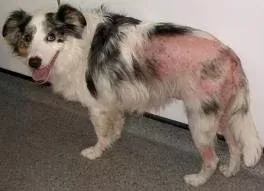
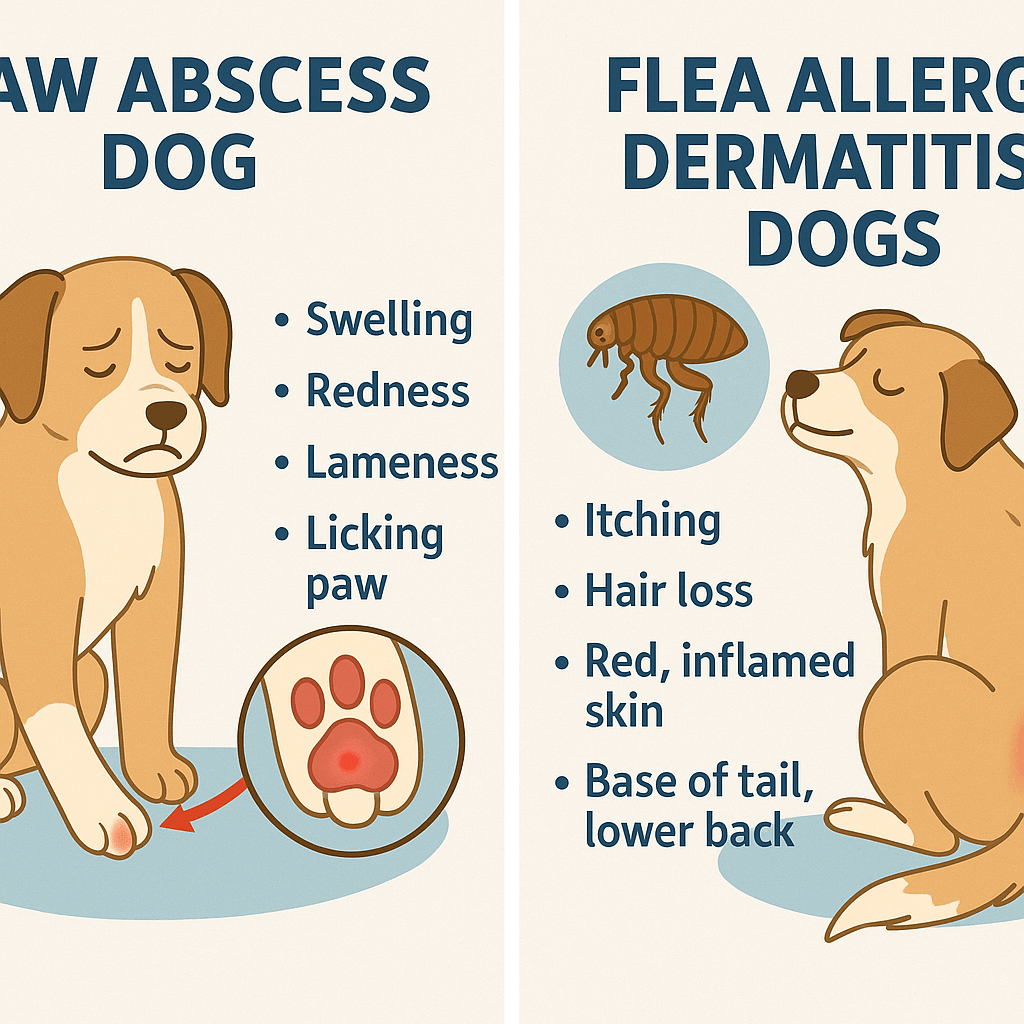
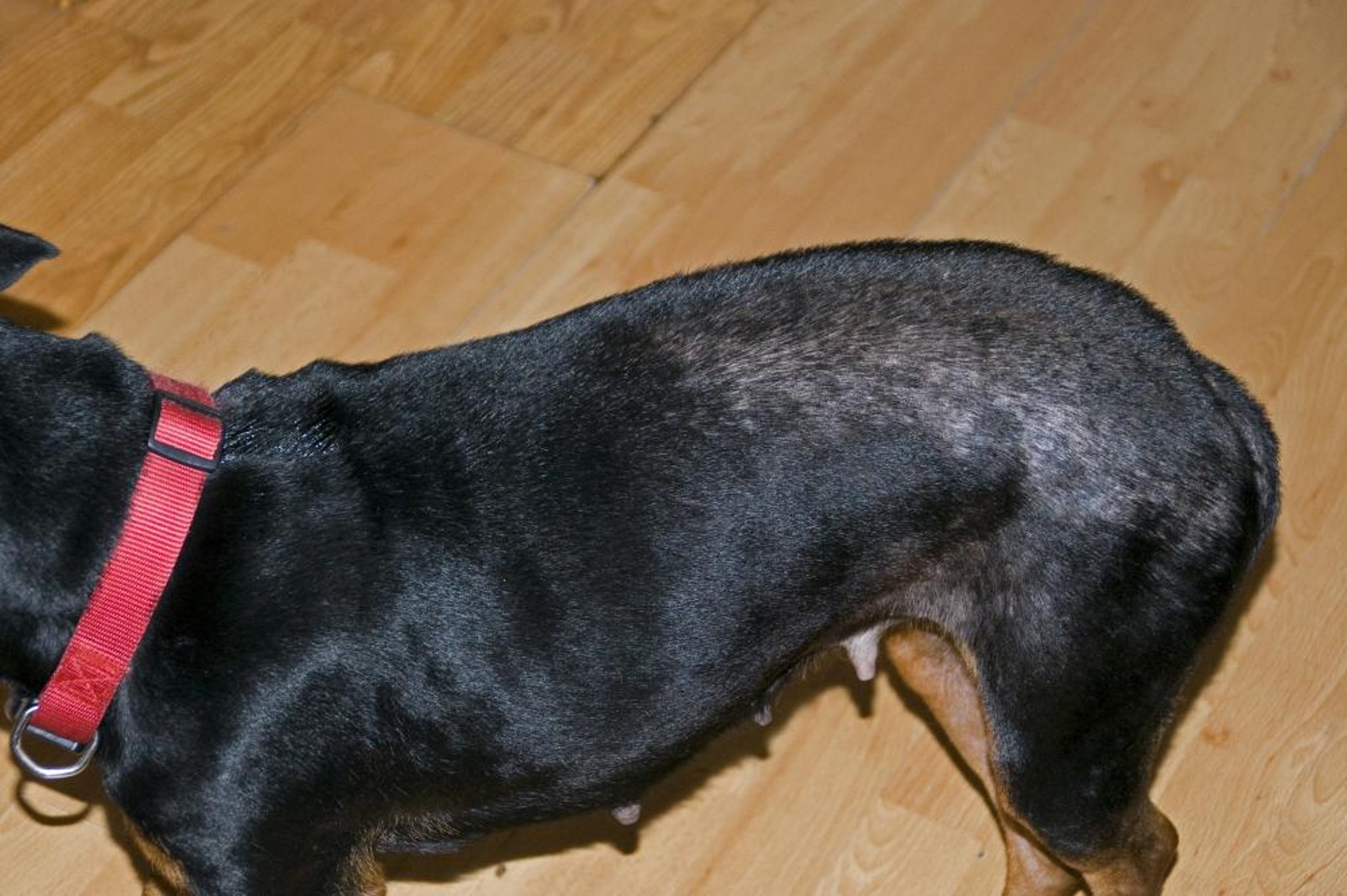
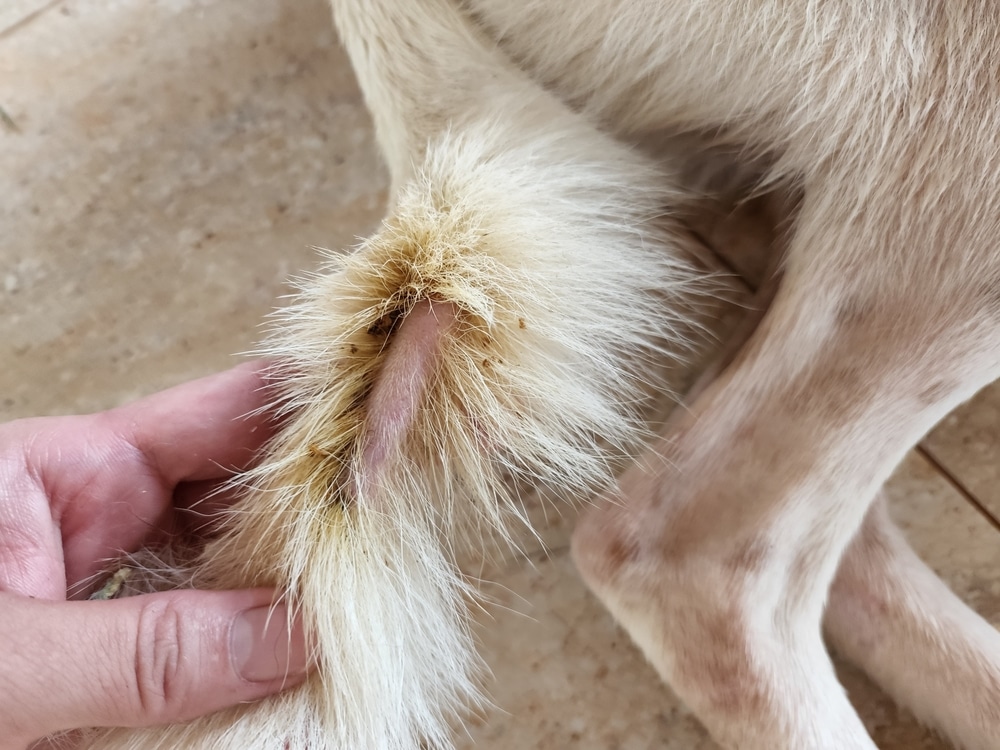
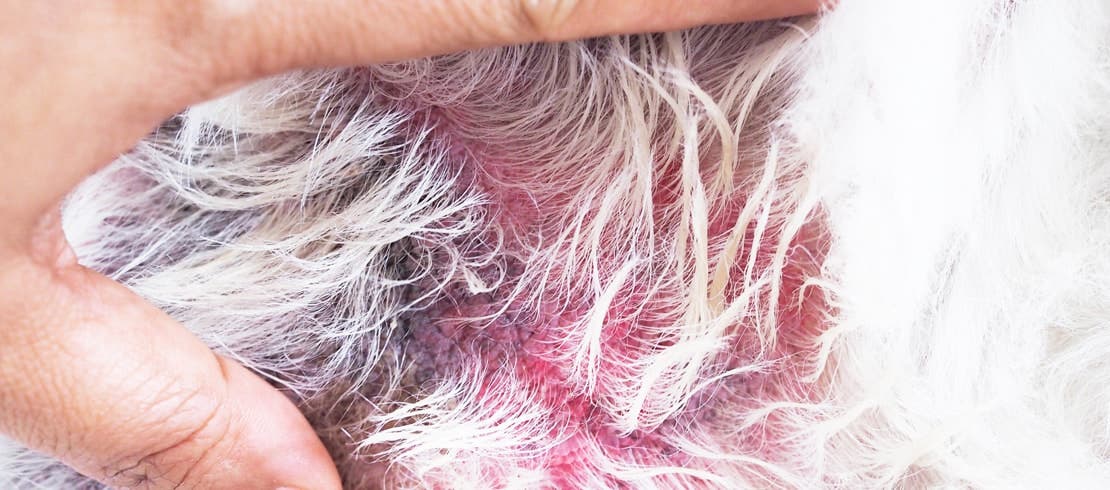
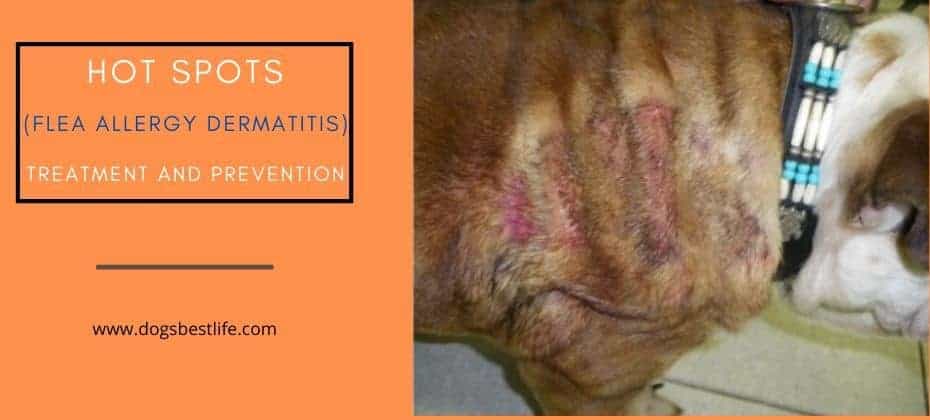
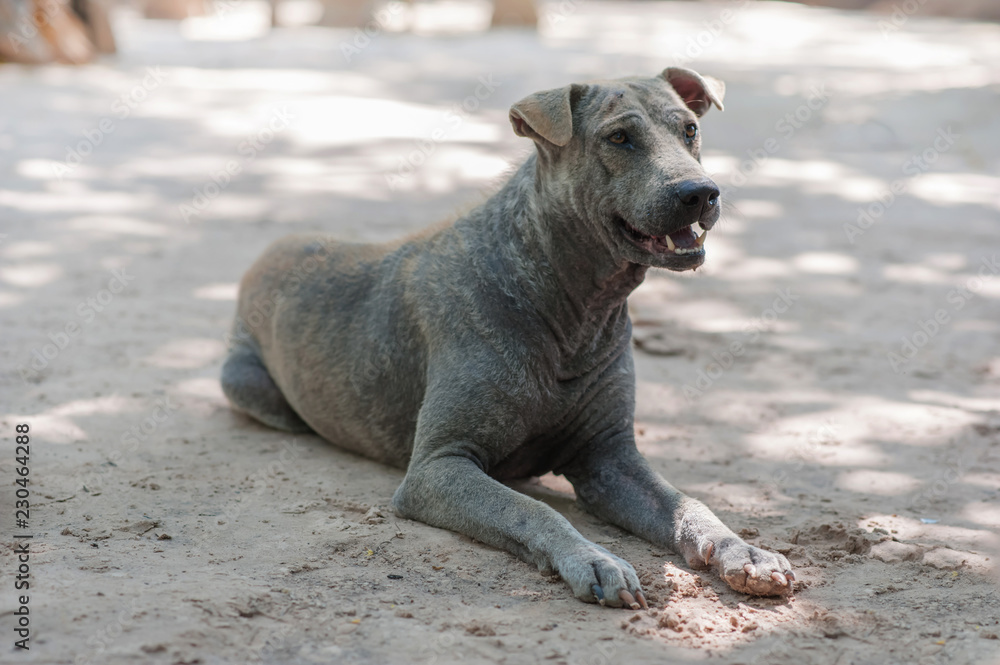
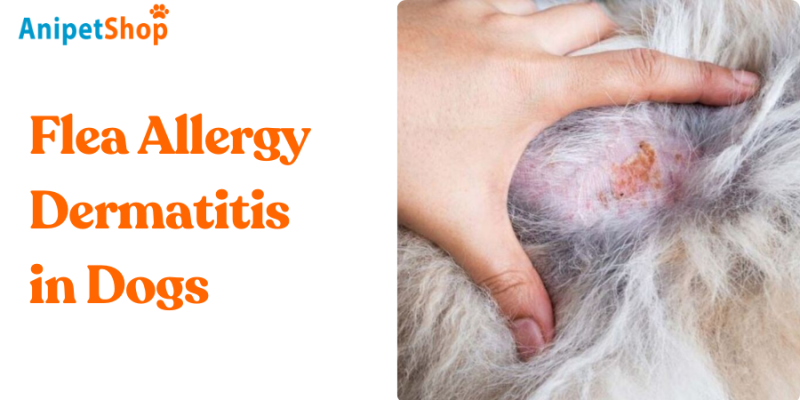
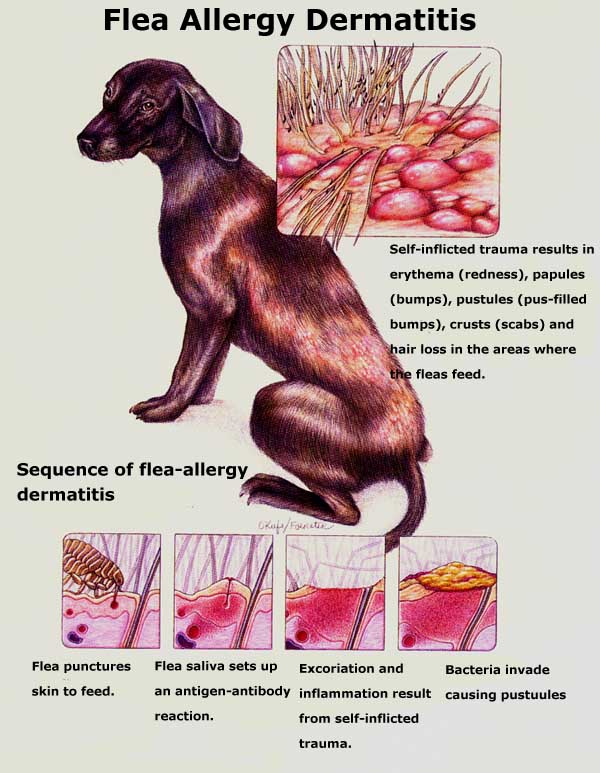
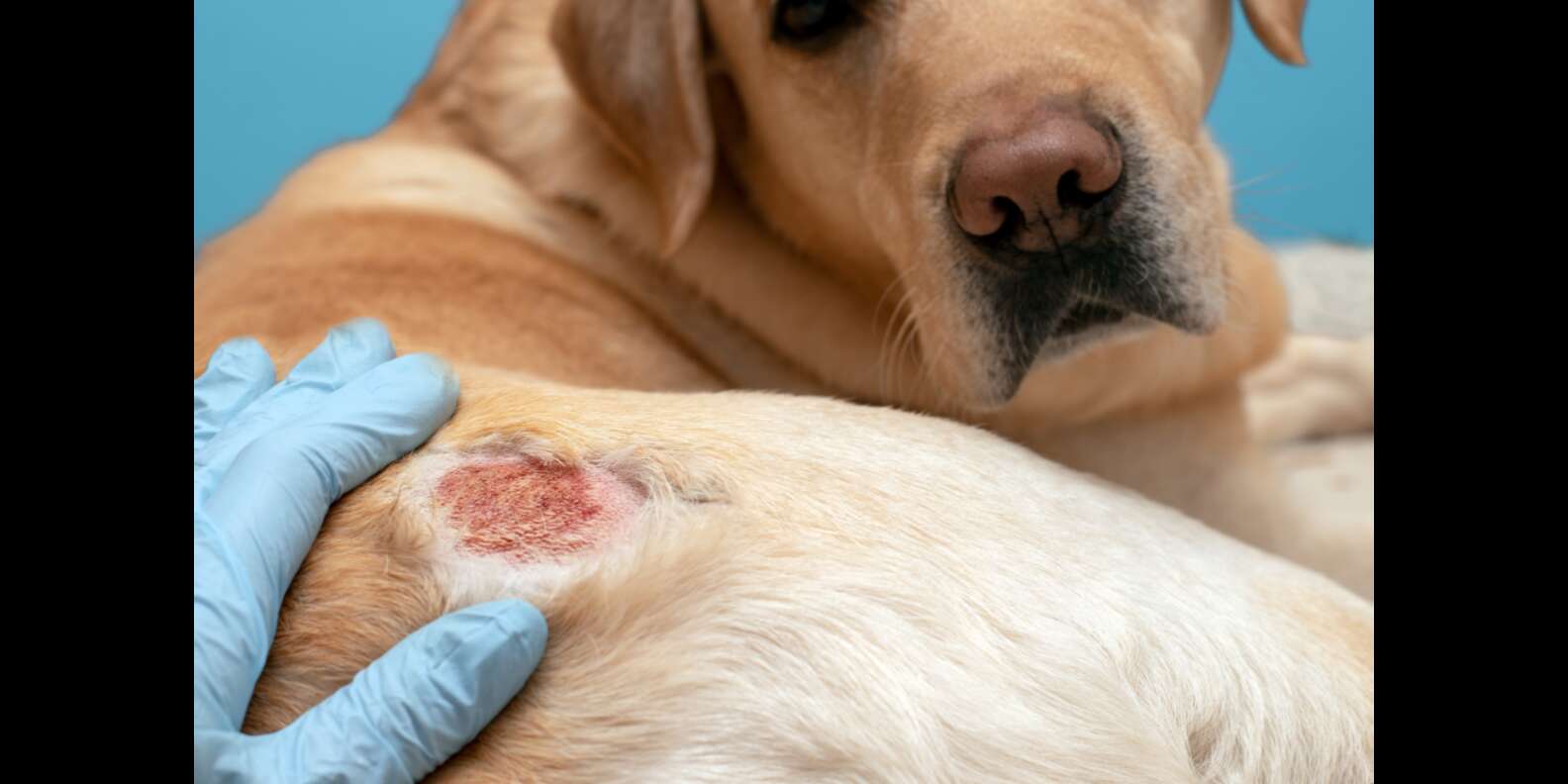
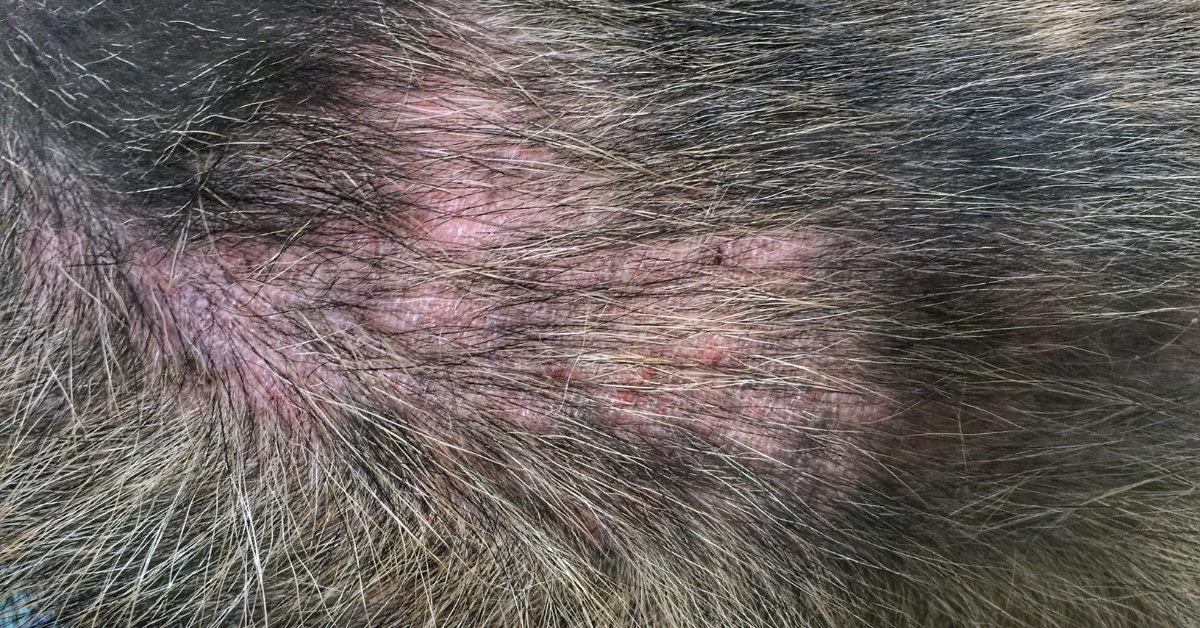
Flea allergy dermatitis (FAD) is a common skin condition in dogs and cats.Skin changes in dogs: hair loss, rash, reddened or darkened skin, thickened skin, scratches or wounds from self-trauma, typically along the lower back and base of the tail, the thighs and belly.
"Flea allergy dermatitis may be diagnosed in dogs who are intensely itchy with a skin rash and visible fleas or flea dirt. There doesnt have to be a large number of fleas for the diagnosis to be FAD just one flea bite can trigger the allergic reaction," explains Dr. Godfrey.

Flea allergy dermatitis is an allergy, more specifically, a hypersensitivity reaction against the proteins in the fleas saliva. The dogs immune system causes an inflammatory reaction, leading to intense itching and scratching.

Moving forward, it's essential to keep these visual contexts in mind when discussing Flea Allergy Dermatitis In Dogs And Skin Thickening.
Dog dermatitis describes any type of skin inflammation on your dog. Read this to learn more about the signs and how to treat it.
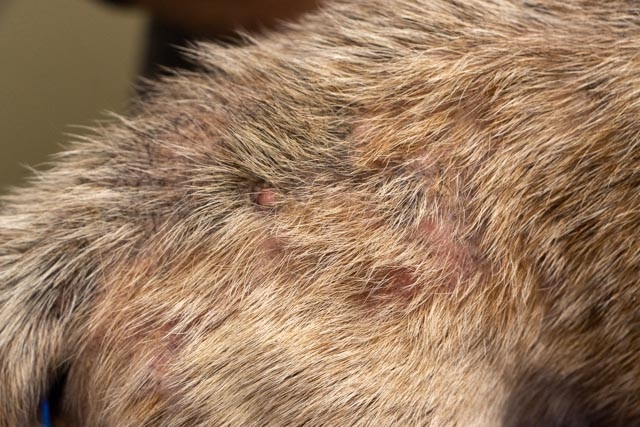
This particular example perfectly highlights why Flea Allergy Dermatitis In Dogs And Skin Thickening is so captivating.
The most common skin allergy encountered in small animal veterinary medicine is flea bite hypersensitivity, also known as flea allergy dermatitis (FAD). FAD can often coexist with other allergic conditions such as atopic dermatitis.
Pug with a flea allergy scratching at his neck. Flea allergy dermatitis (FAD) is the most commonly diagnosed allergic skin condition in dogs in the United States. Some estimates suggest as many as 40% of domestically owned dogs suffer with some degree of FAD.