But how long should pasta dough rest? This article offers a detailed guide on pasta dough resting times, the science behind it, and best practices to ensure perfect pasta every time.
Fresh pasta and dried pasta have different resting time requirements. Fresh pasta, which is typically made with eggs and has a higher moisture content, requires a shorter resting time, typically 30 minutes to 1 hour, to prevent over-relaxation of the gluten network.

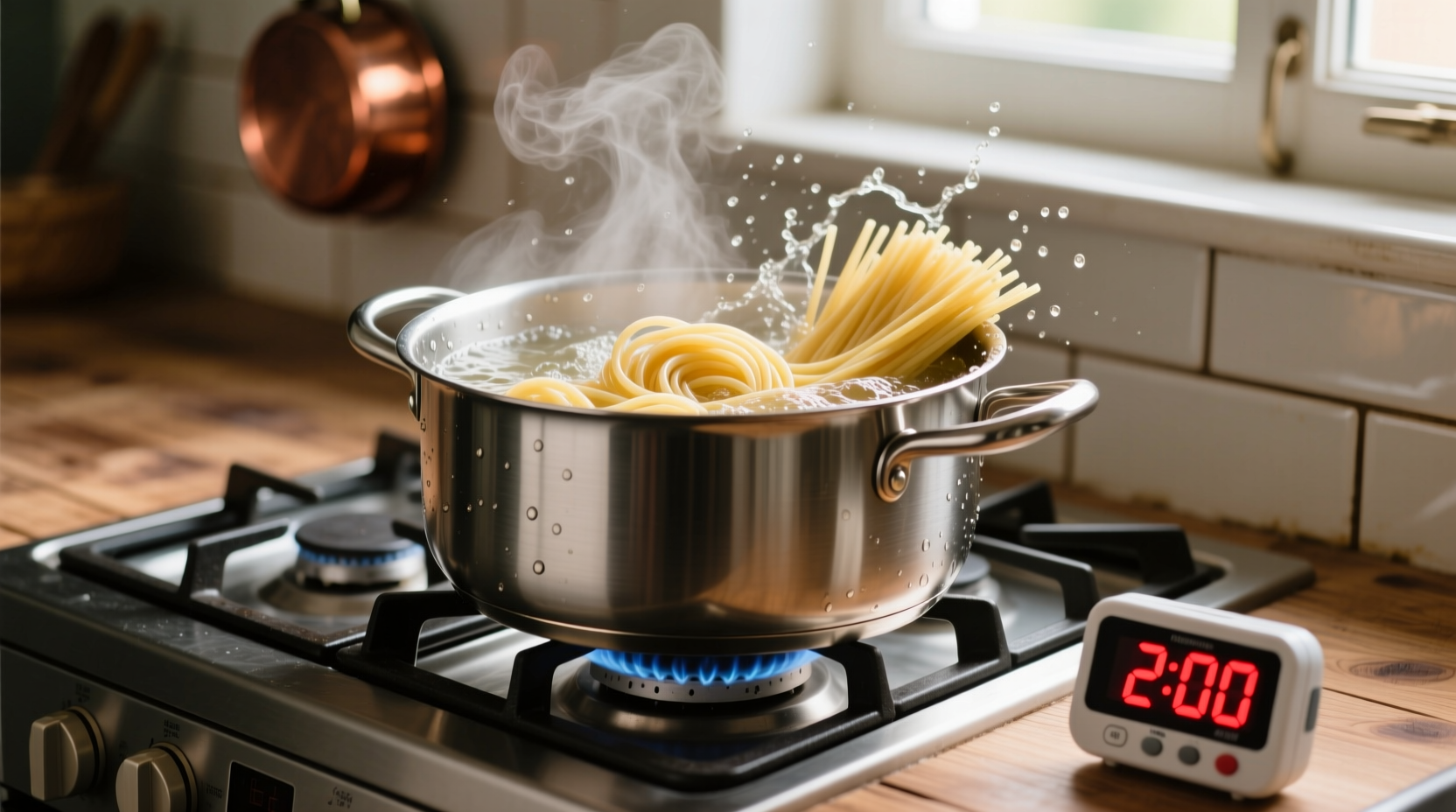
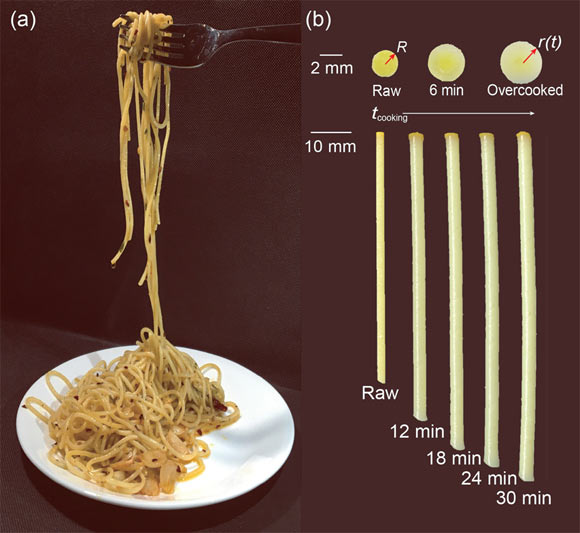
In this article, we will explore the nuances of cooking fresh pasta dough, the factors influencing cooking time, common mistakes, and tips for serving and pairing.

In cases where you find your dough is too soft, its best to add a bit more flour gradually until you reach the ideal consistency. Be careful not to overdo it, as adding too much flour can lead to dry, tough pasta.
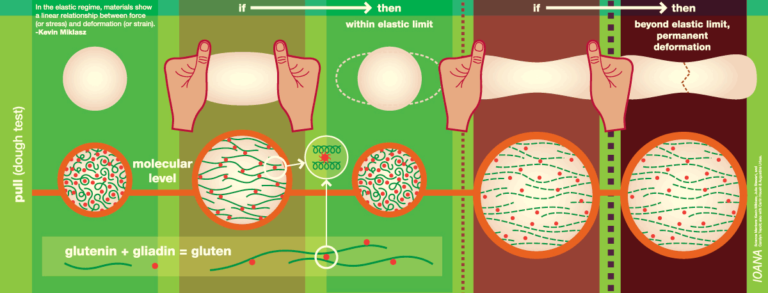
When you press your finger into the dough, it should spring back slightly, indicating that it has the right amount of elasticity. The dough should also be slightly firm to the touch, but not too hard or too soft. If the dough is too soft, it will be prone to tearing and will not hold its shape well when cooked.