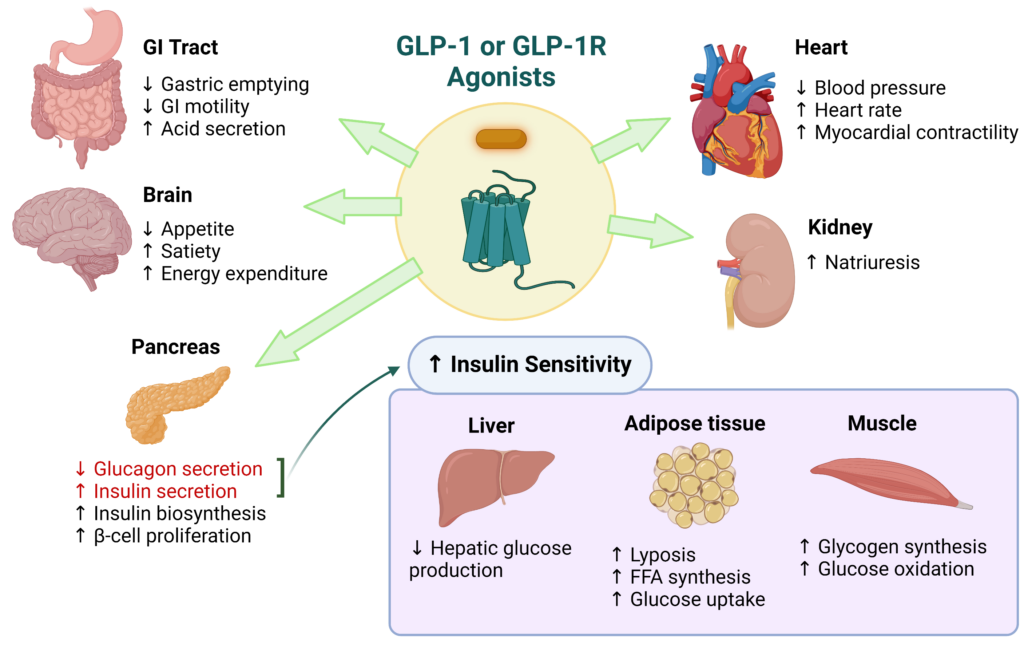
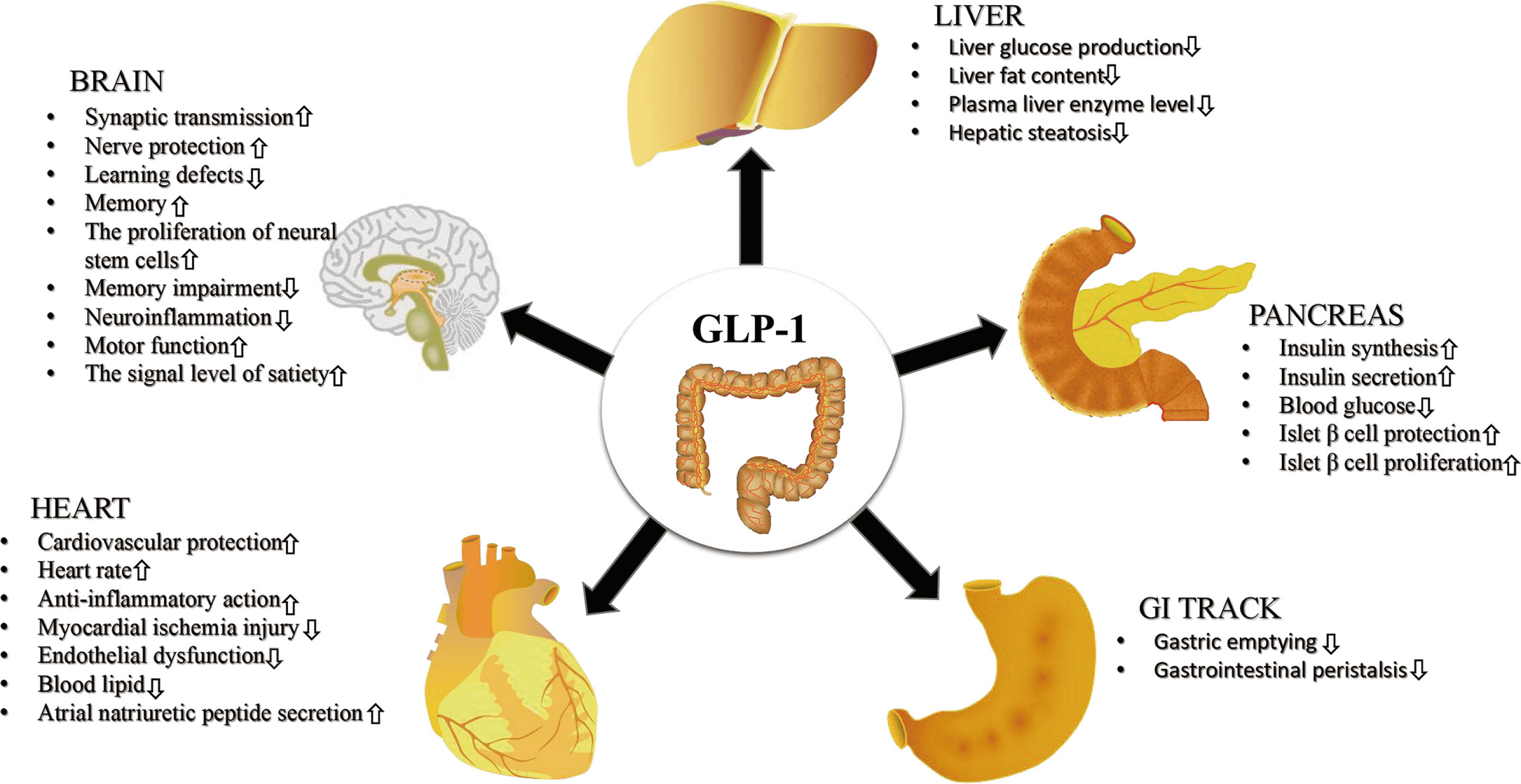
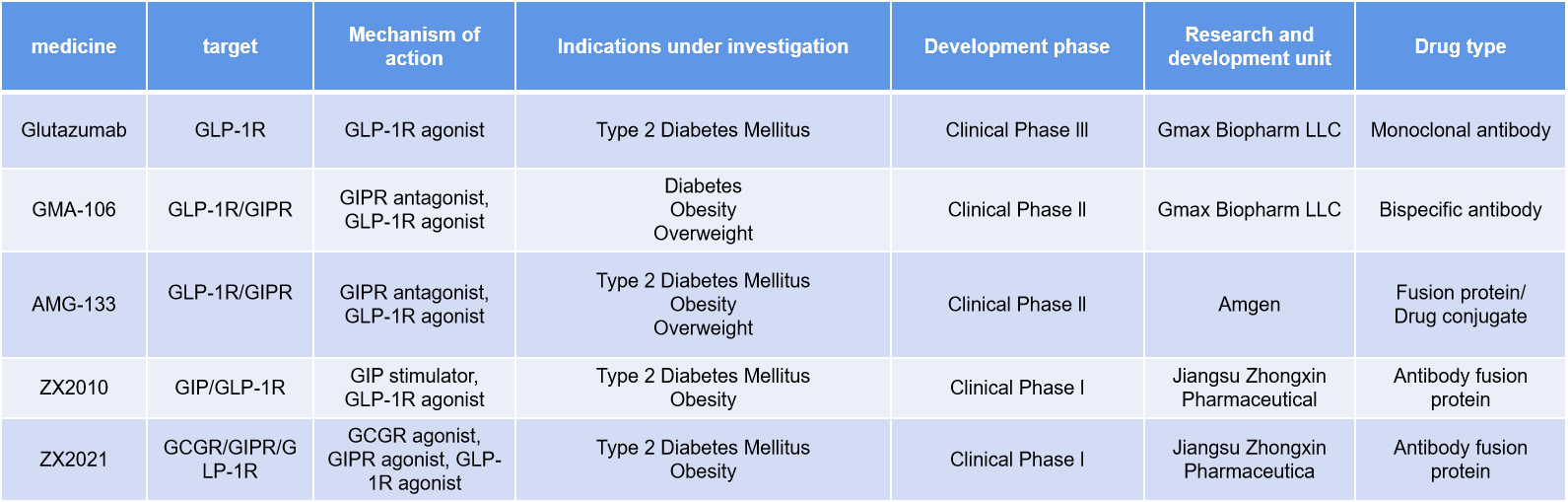
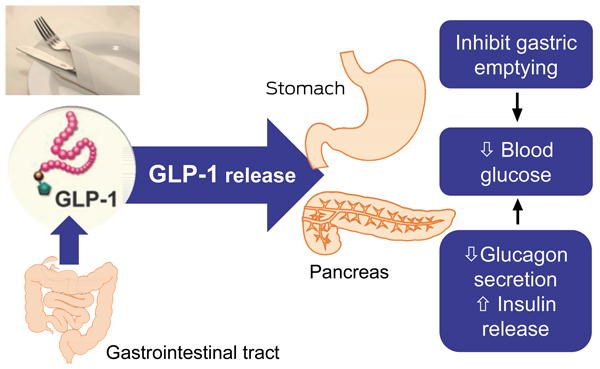
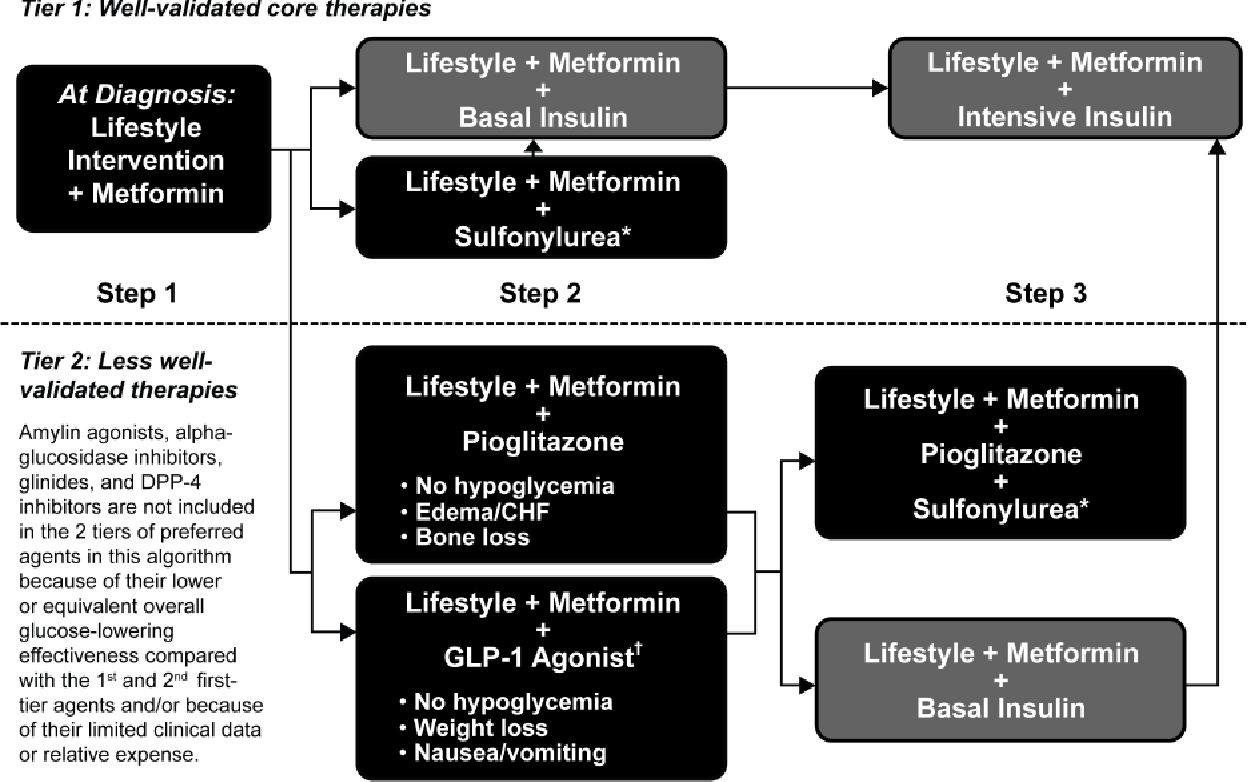
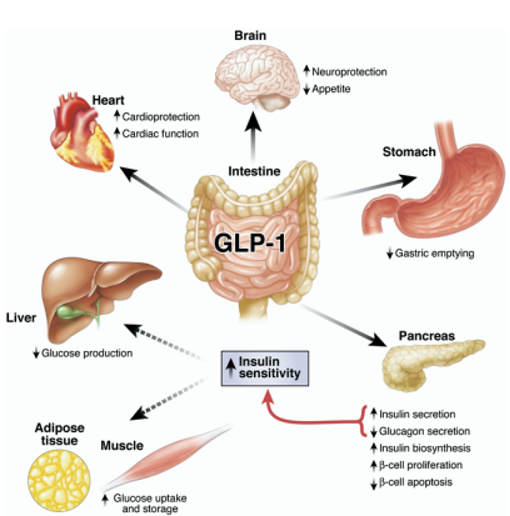
- They mimic the actions of the endogenous incretin hormone GLP-1, which is released in the small intestine and can inhibit glucagon release and increase insulin secretion. GLP-1 receptor agonists are used to treat type 2 diabetes and obesity, and are under study for treatment of metabolic ...
- Mechanistically, GLP-1 RAs reduce hepatic steatosis and increases insulin sensitivity of hepatocytes through AMP-activated protein kinase, which exert an influence on insulin signaling pathways (41).
Alternatively, GLP-1 or exendin-4 may share common receptors with other metabolic hormones, such as insulin receptor. Future studies to clarify the interaction between GLP-1 and hepatocytes and their association with the vagal signals could ...

Such details provide a deeper understanding and appreciation for Glp 1 Therapy For Insulin Resistance And Metabolic Syndrome.
- Exenatide promoted Ceacam1 expression through PPAR binding to its promoter, and this effect was blocked by a GLP-1 receptor antagonist [38]. The findings highlight the importance of insulin metabolism in maintaining sensitivity and lipid balance, positioning exenatide as a potential therapeutic for metabolic disorders.
- This meta-analysis aimed to evaluate the efficacy and safety of glucagon-like peptide-1 receptor agonists (GLP-1RAs) when compared to metformin and placebo in the management of body weight, glucose homeostasis and hormone levels in women polycystic ovary syndrome (PCOS).

This particular example perfectly highlights why Glp 1 Therapy For Insulin Resistance And Metabolic Syndrome is so captivating.
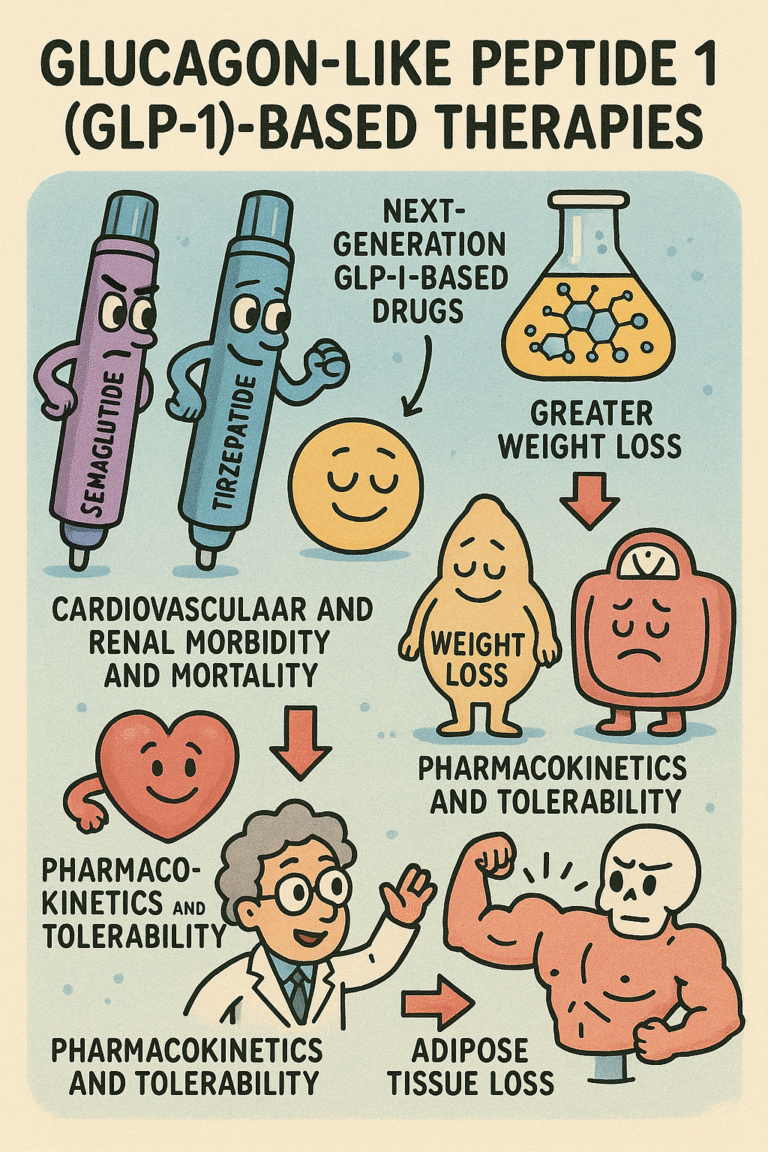
- By both improving pancreatic beta-cell ... and GIP receptors, tirzepatide has the potential to confer not only glucose control and weight loss but also to reduce disease severity to improve metabolic health....