While low-carb diets can improve insulin sensitivity, people can also remain metabolically healthy on higher-carb diets if they avoid refined carbs, stay active, and don't overeat. Biology is complex, and there's no one-size-fits-all approach.
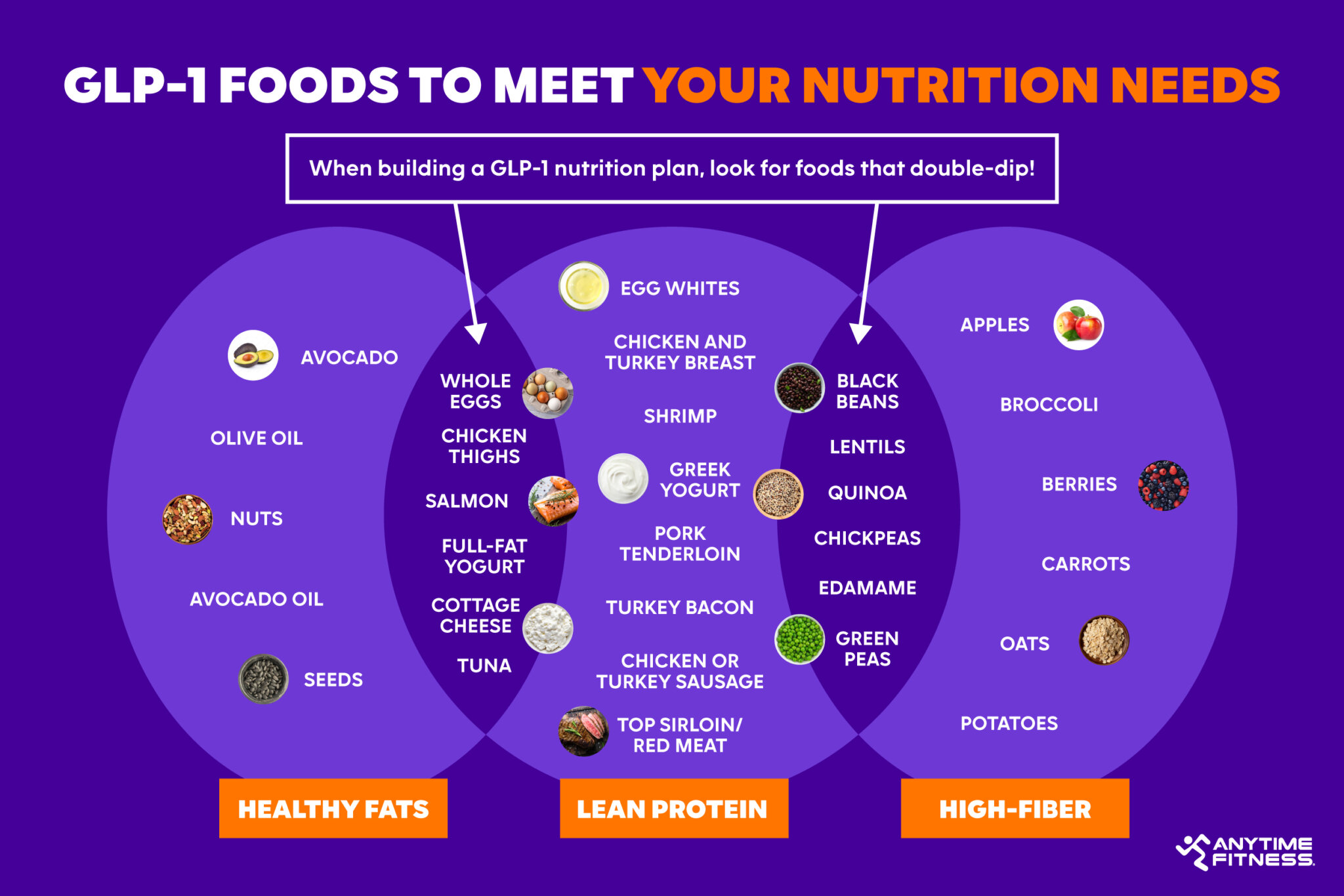
Dietary fiber, a type of carbohydrate that your body cant digest, comes in two forms: soluble and insoluble. Both are crucial for health, but they have different mechanisms for improving insulin sensitivity. Soluble Fiber: The Gel-Forming Powerhouse.
Ben demystifies the ketogenic diet and explains how ketones impact men and women differently while offering practical tips for optimizing metabolism naturally. This episode provides valuable tools for anyone looking to improve their health and manage midlife weight gain.
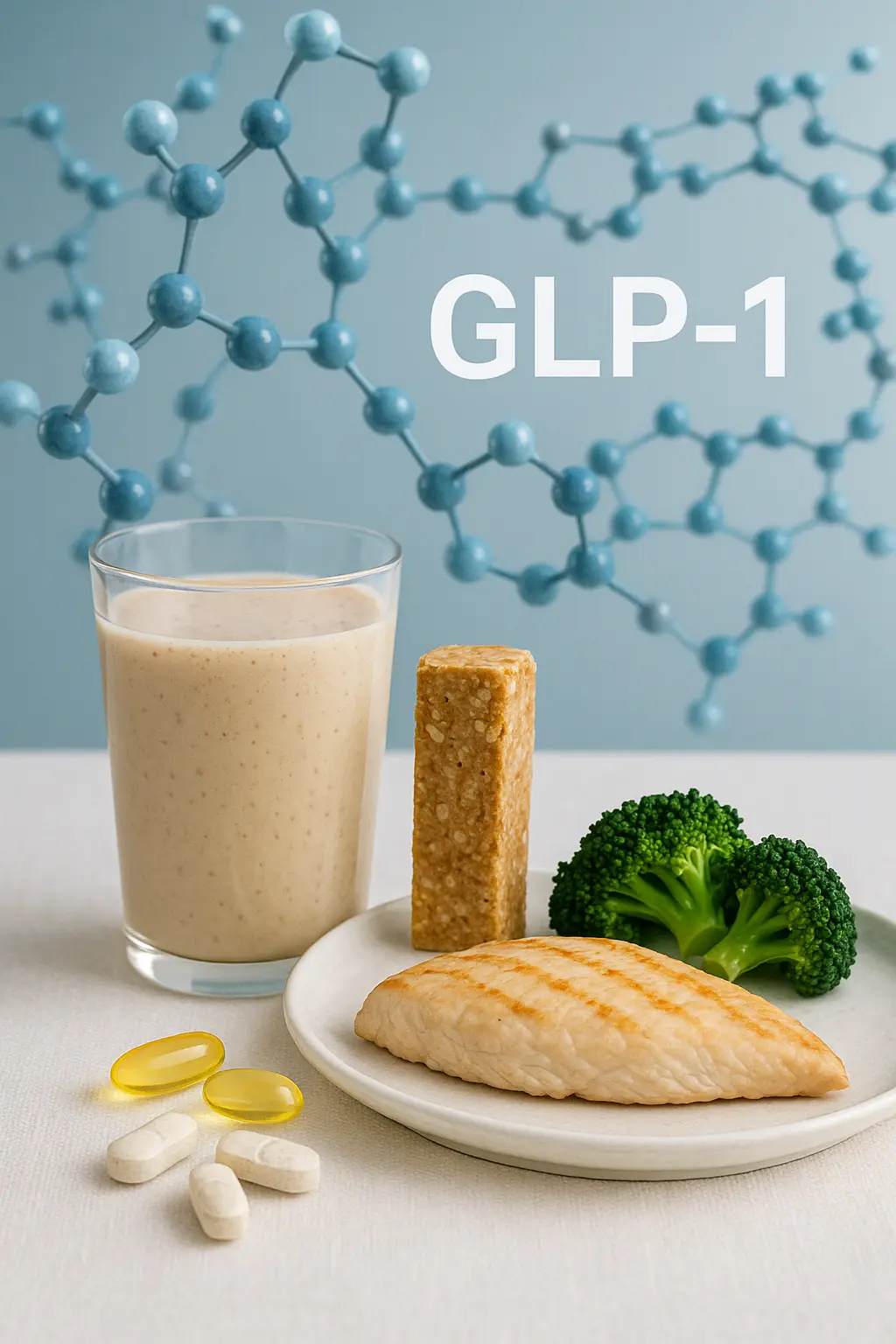
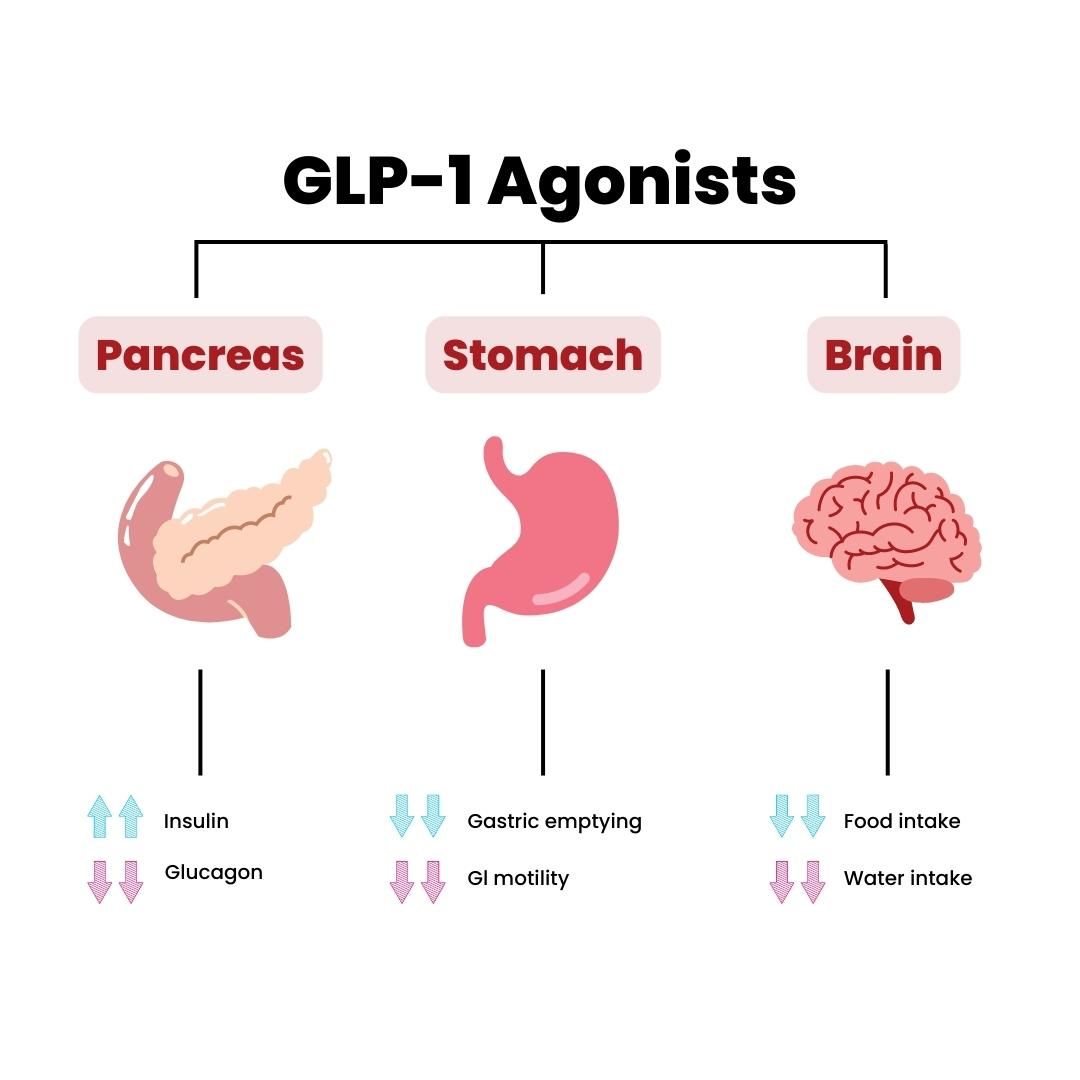
Moving forward, it's essential to keep these visual contexts in mind when discussing Glp-1 Agonist Diet For Improving Insulin Sensitivity.
It reduces insulin levels, improves insulin sensitivity, and supports weight loss by encouraging the body to burn fat for energy.Intermittent Fasting (IF). Regular Meal Schedules. Insulin Sensitivity. Improves significantly (e.g., HOMA-IR ). Maintains but less effective.
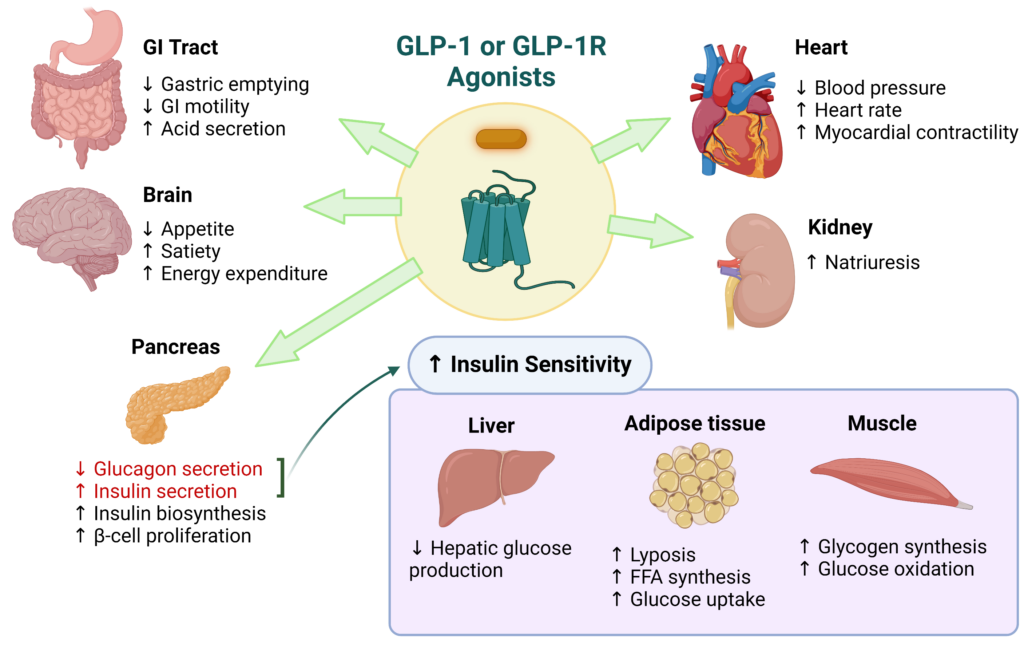
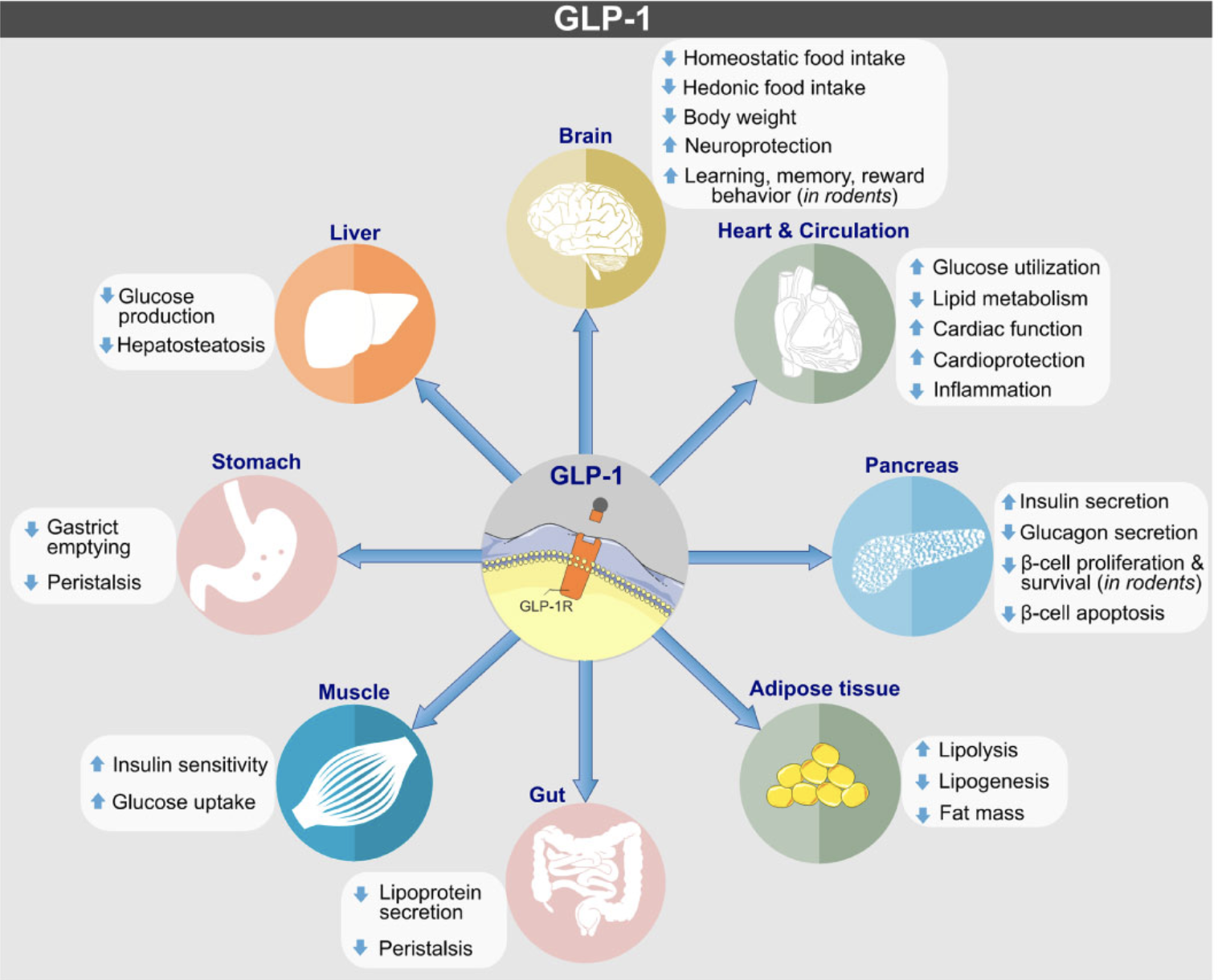
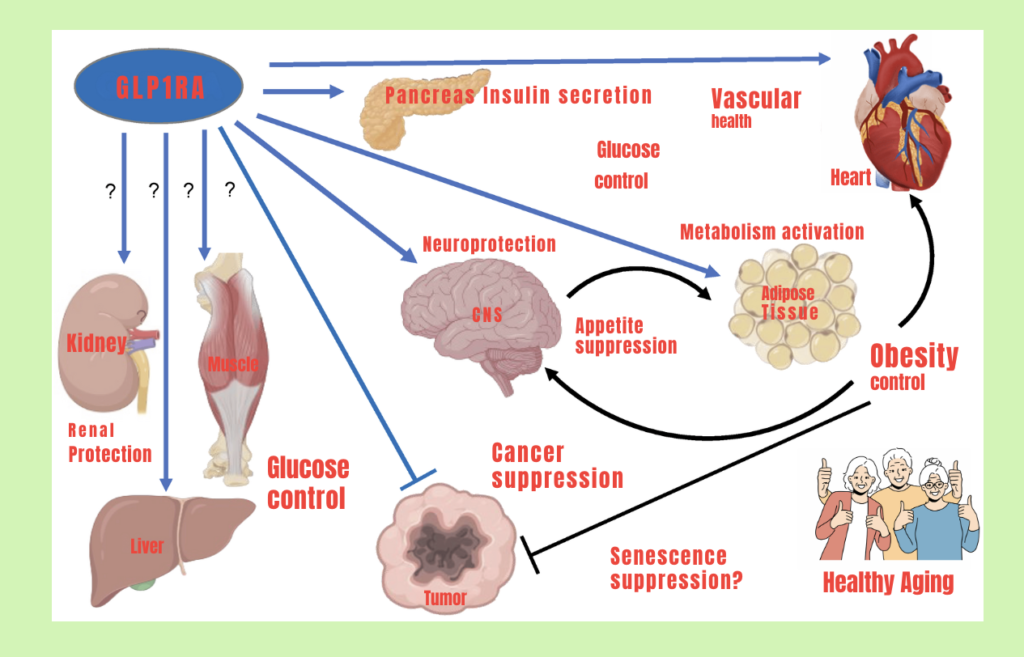
Improvements in insulin sensitivity and reductions in chronic low-grade inflammation may enhance the anabolic responsiveness of skeletal muscle to dietary protein and resistance exercise.GLP-1 receptor agonists (GLP-1RAs). Postbiotics. Key citations.

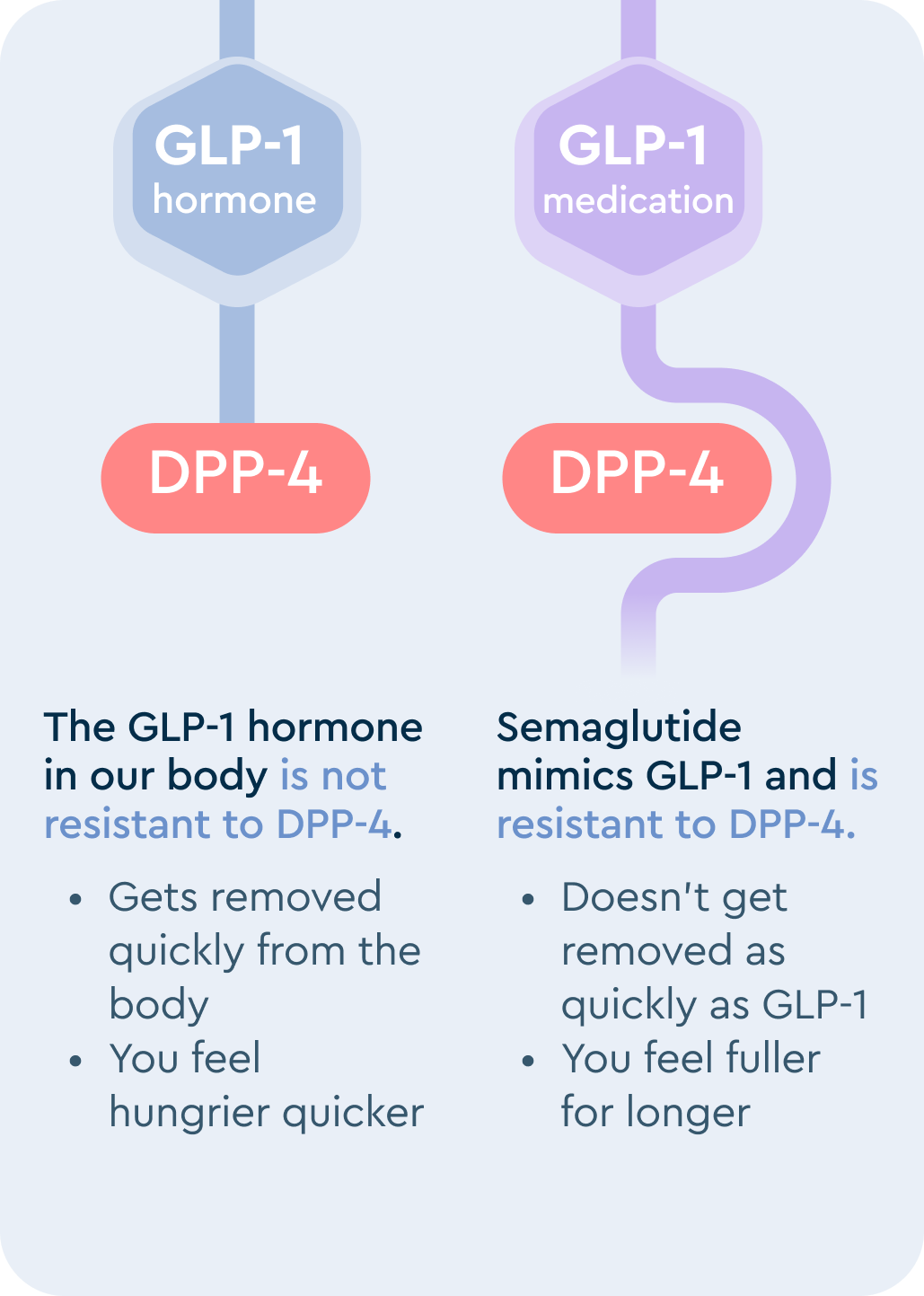
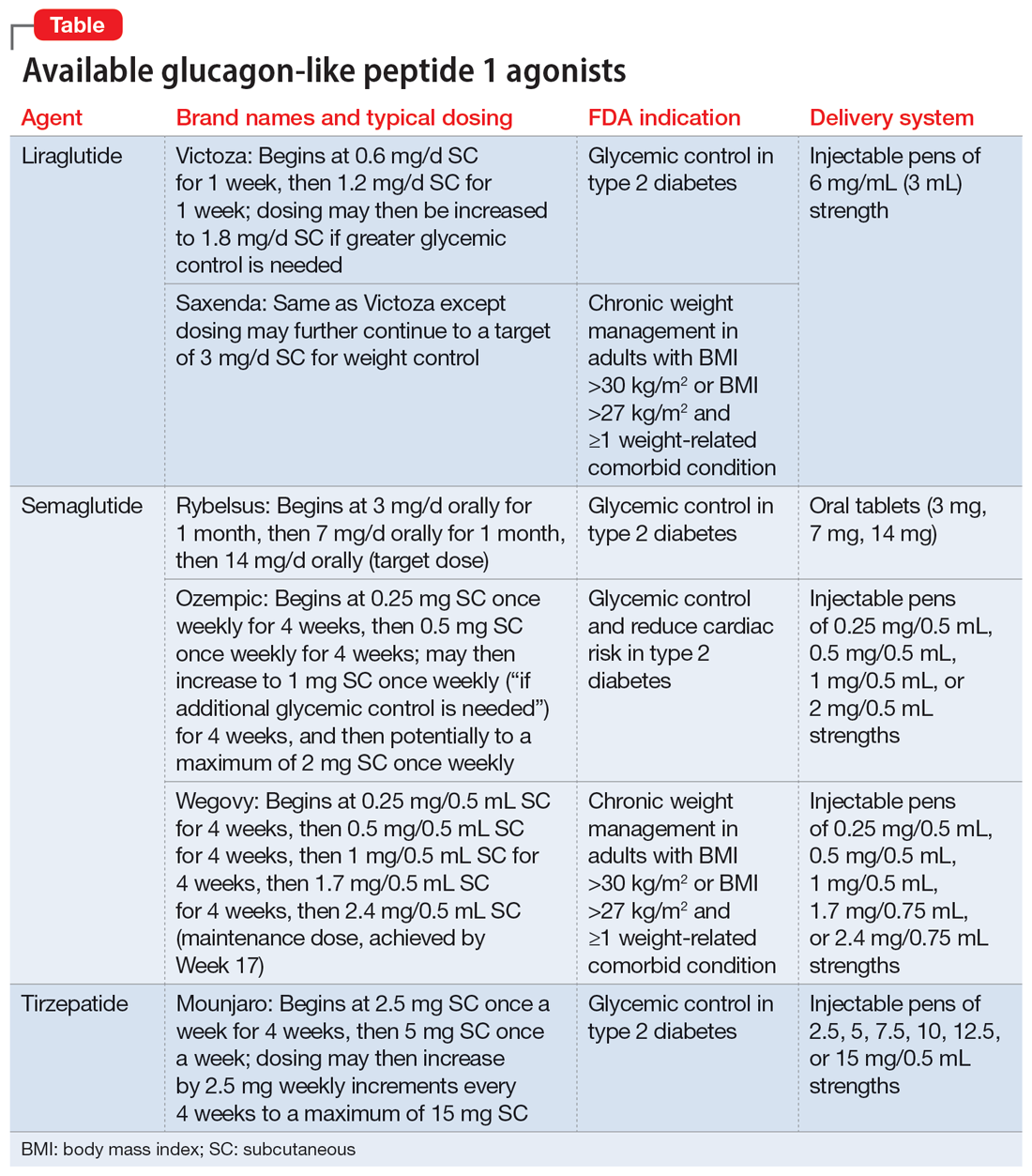
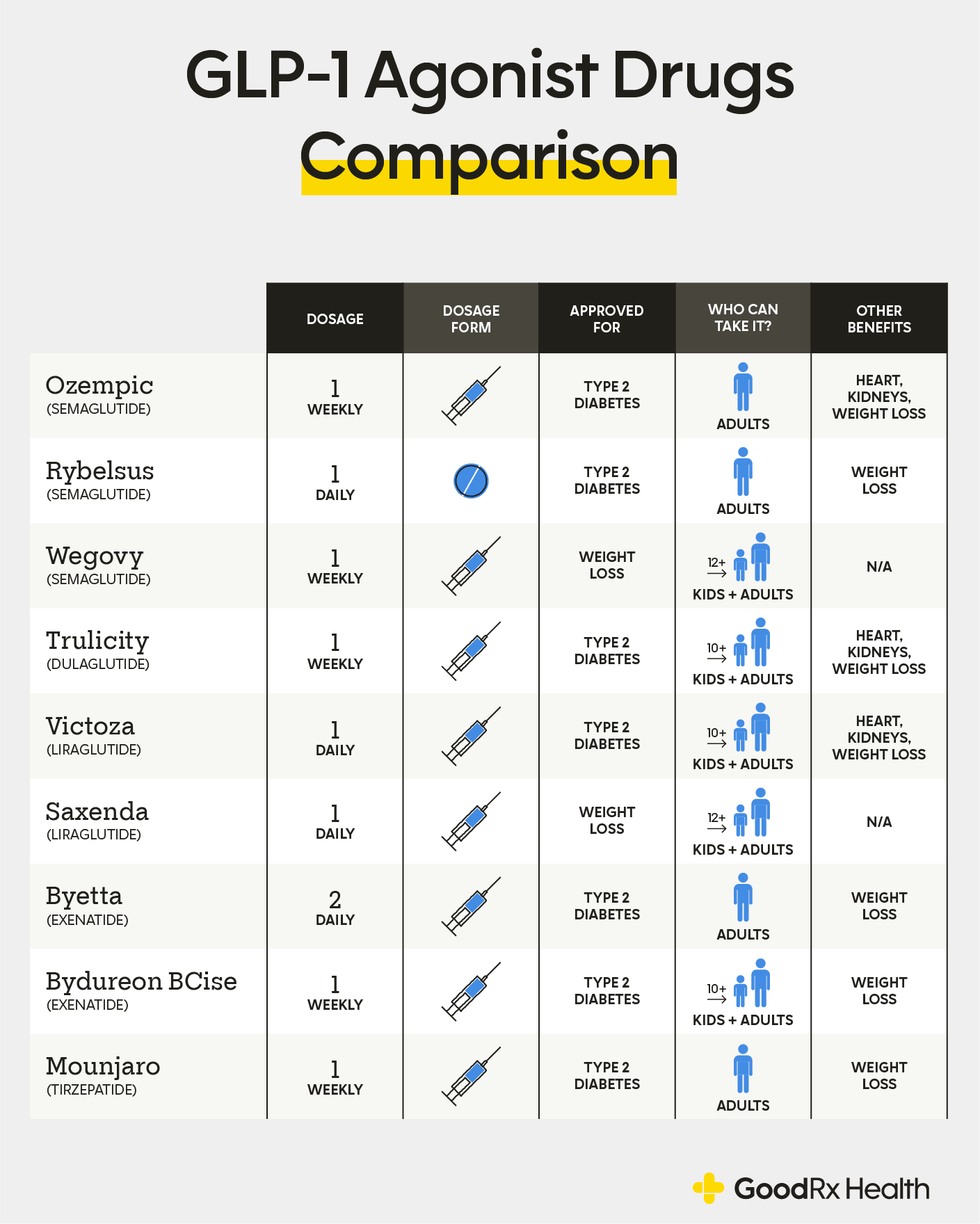
Glucagon-like peptide-1 receptor agonists (GLP1-RAs) have emerged since the early 2000s as a promising treatment for patients with type 2 diabetes (T2D). In the United States (US), these currently approved medications include exenatide, liraglutide, dulaglutide, and semaglutide.

.jpg?width=1500&height=815&name=insulin_hiw (1).jpg "What You Should Know About GLP-1 Agonist Drugs")