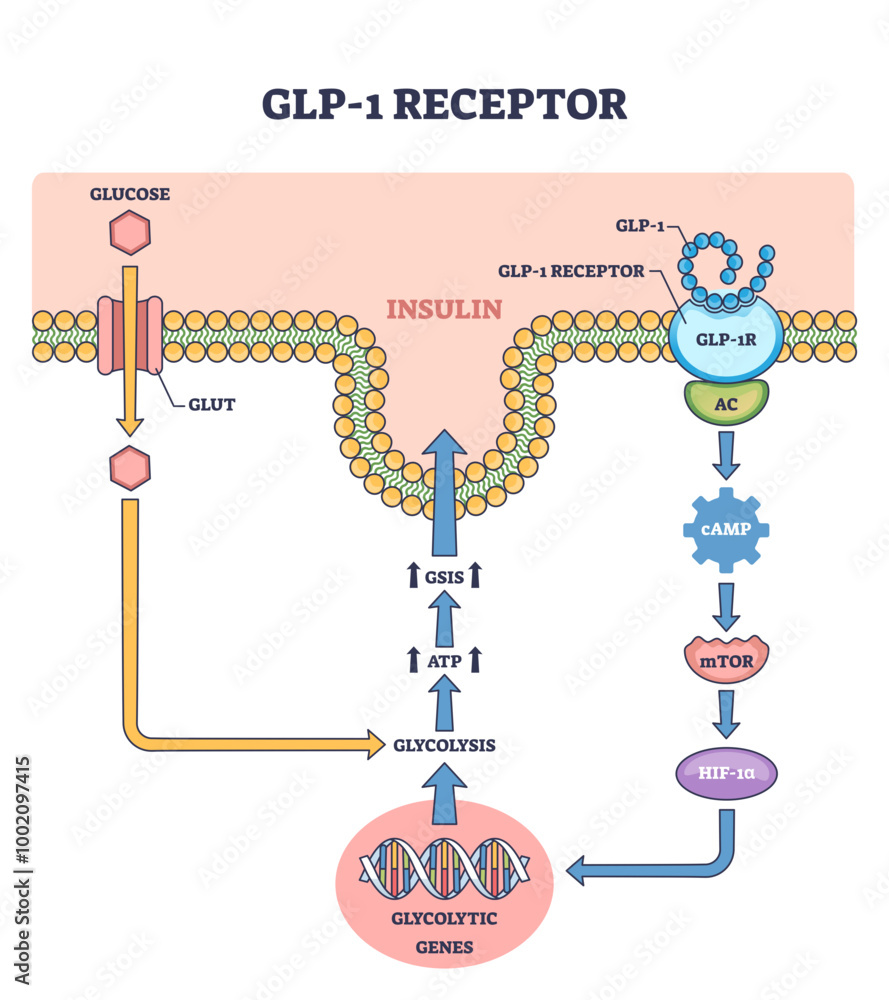
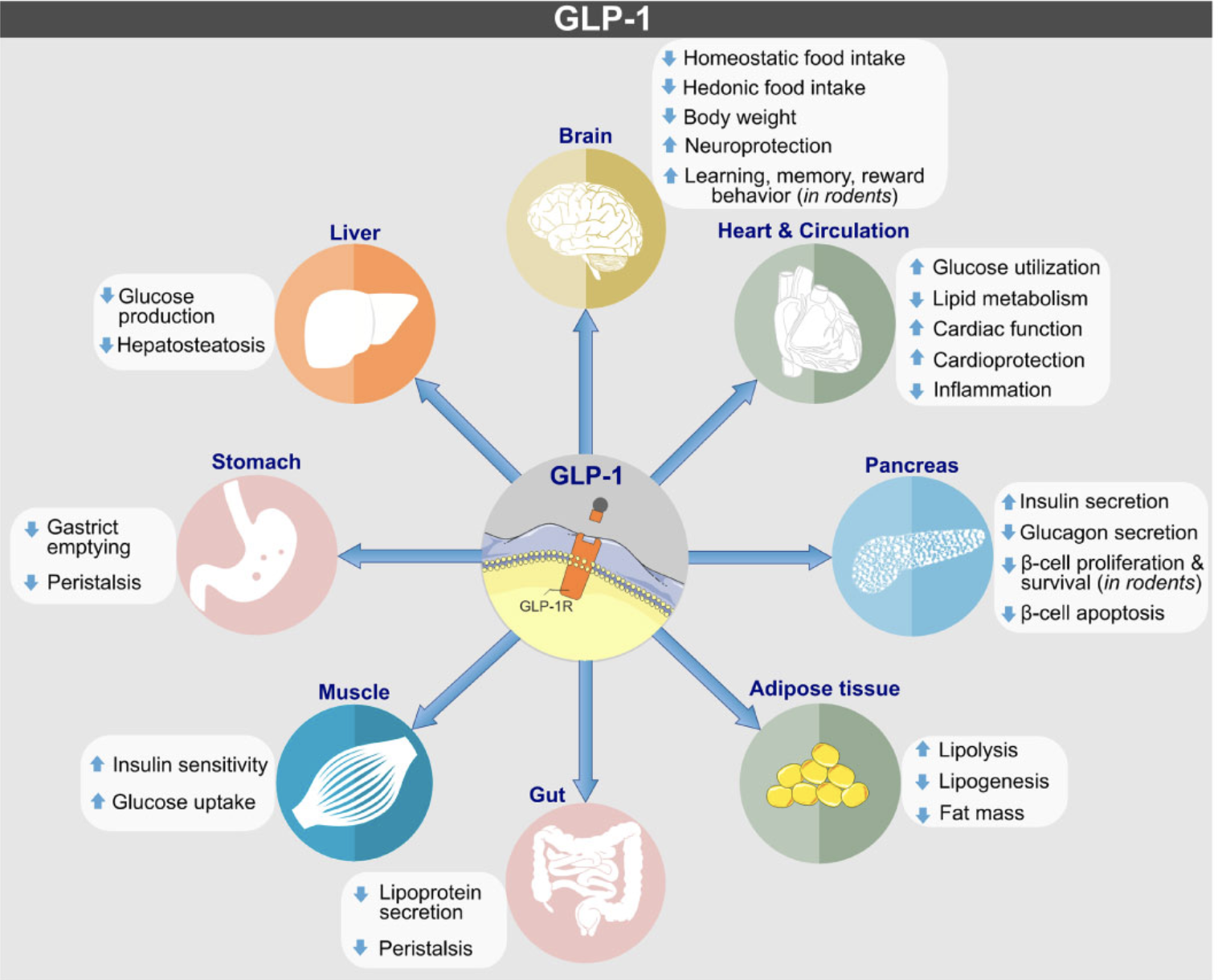
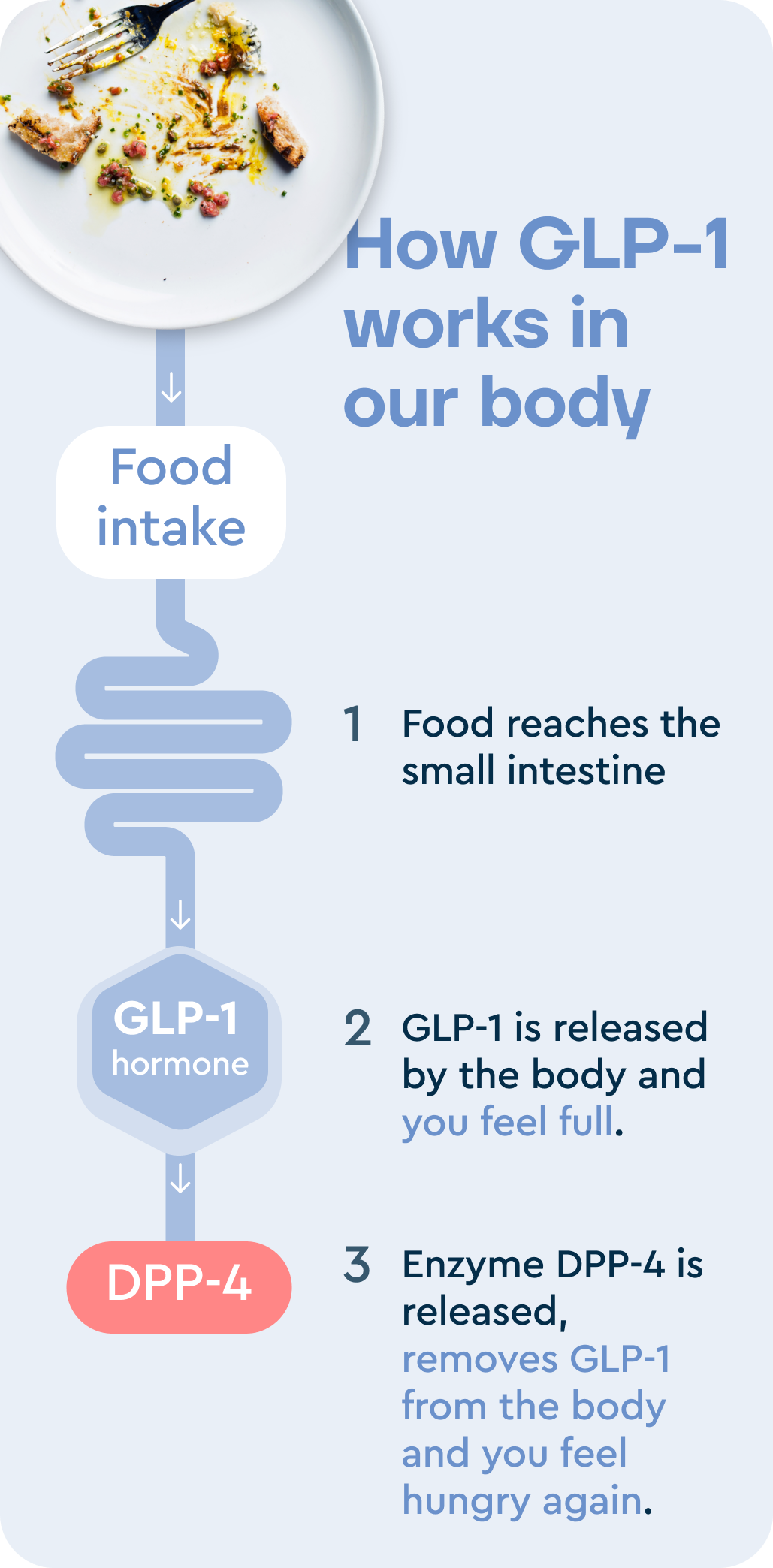
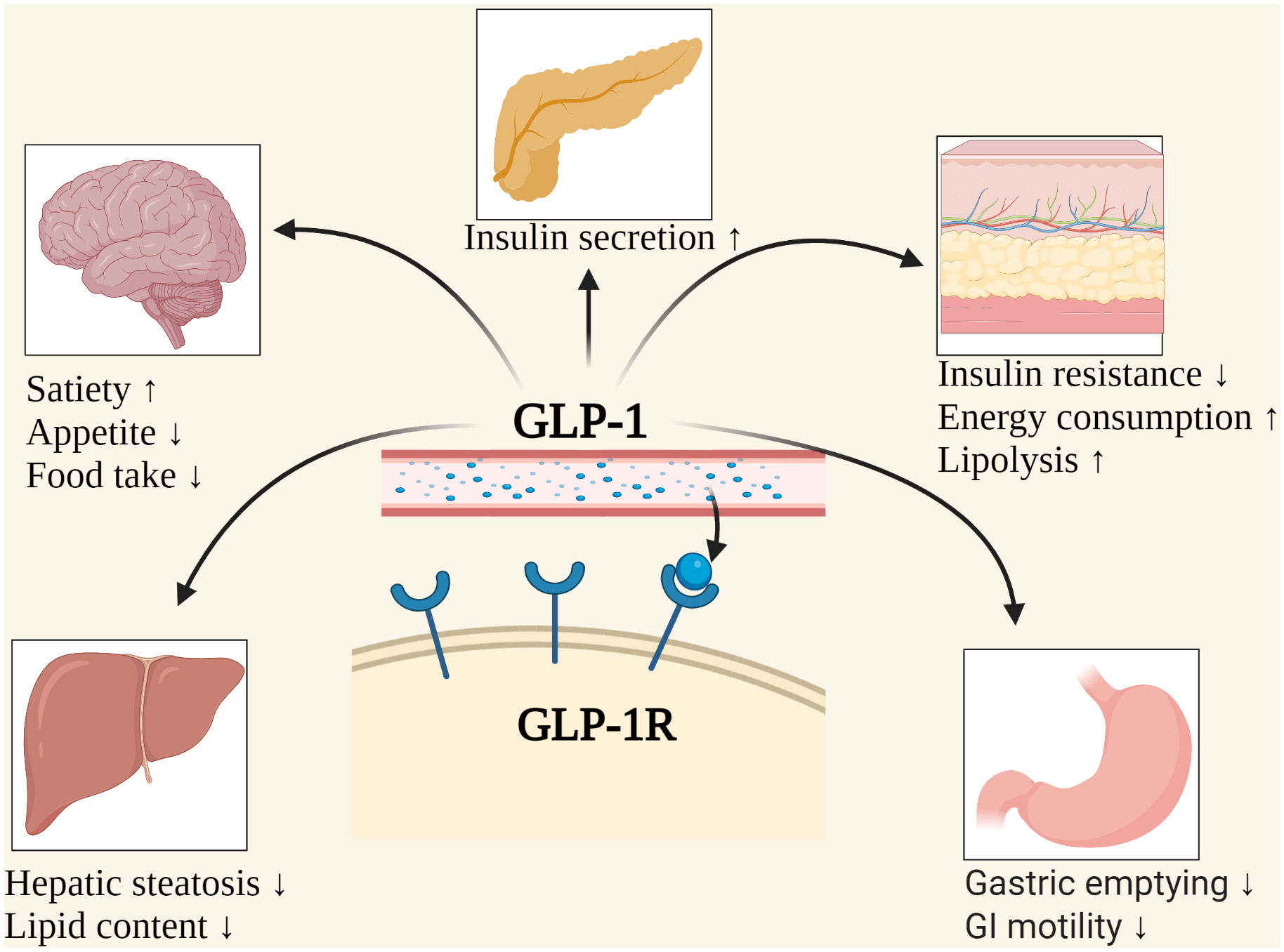
Glucagon-like peptide 1 (GLP-1), a gastrointestinal peptide and central mediator of glucose metabolism, is secreted by L cells in the intestine in response to food intake. Postprandial secretion of GLP-1 is triggered by nutrient-sensing via transporters and G-protein-coupled receptors (GPCRs).
GLP-1 and its synthetic analogs have emerged as significant therapeutic agents for the management of metabolic disorders, merging glycemic control with weight loss through innovative...

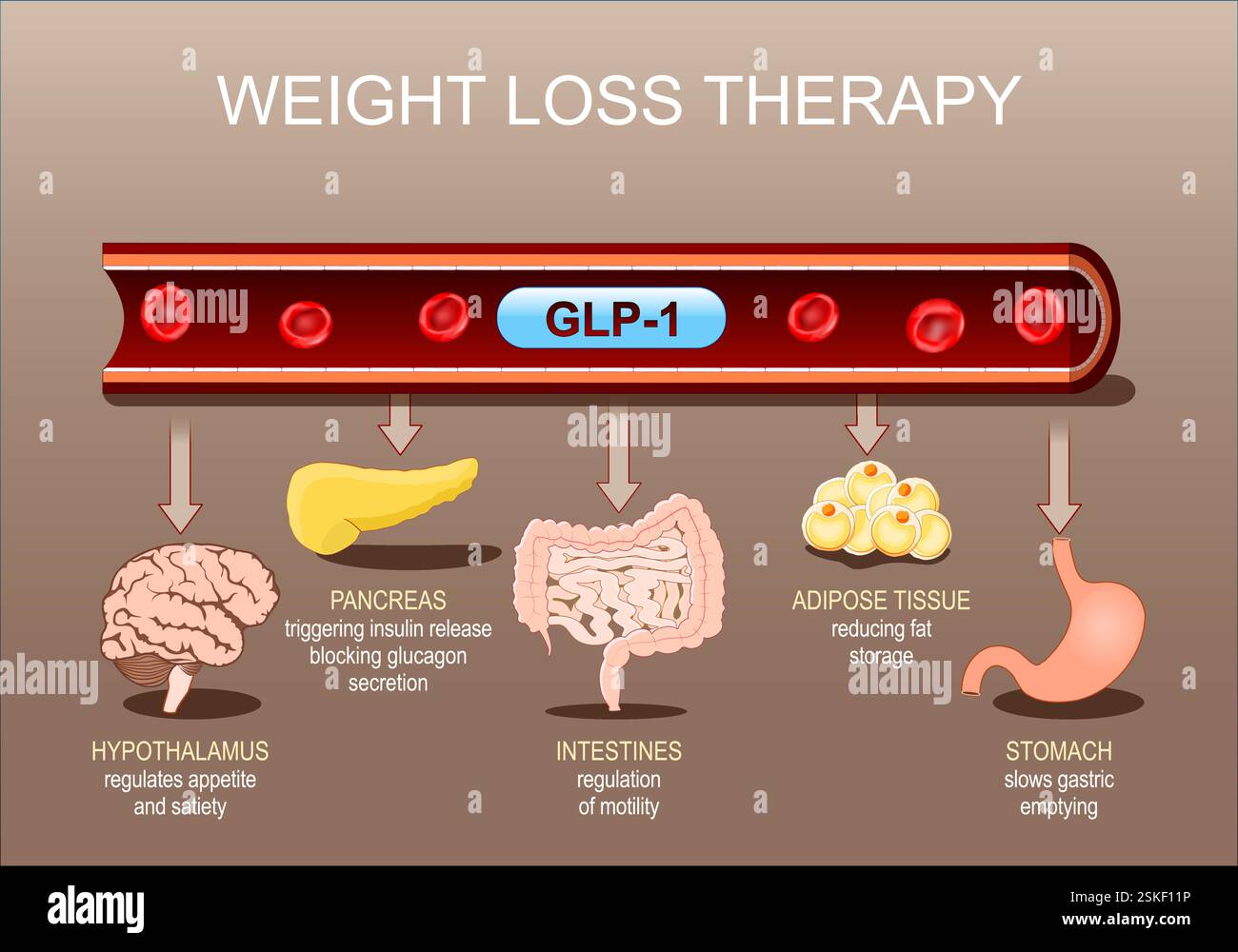
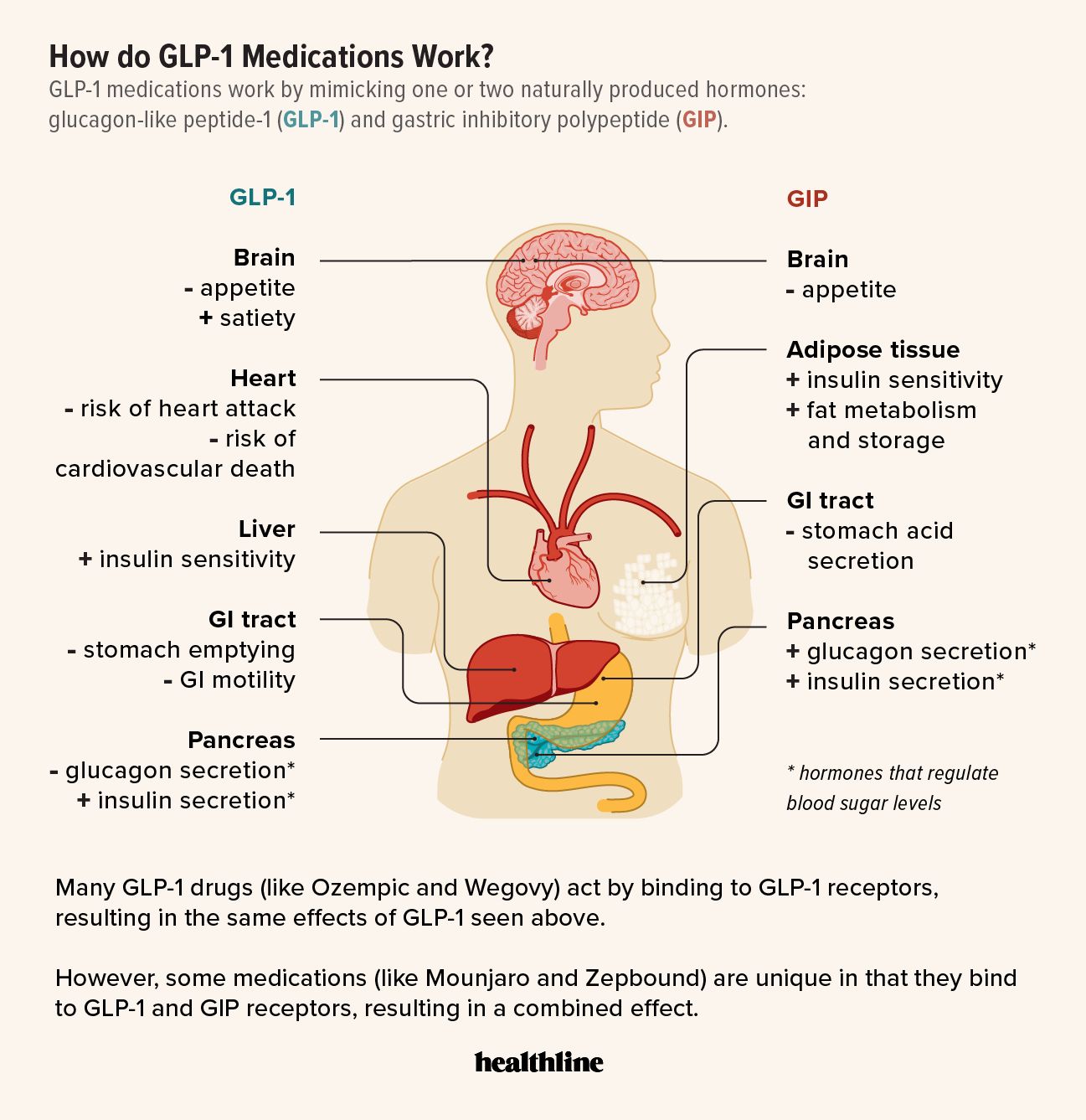
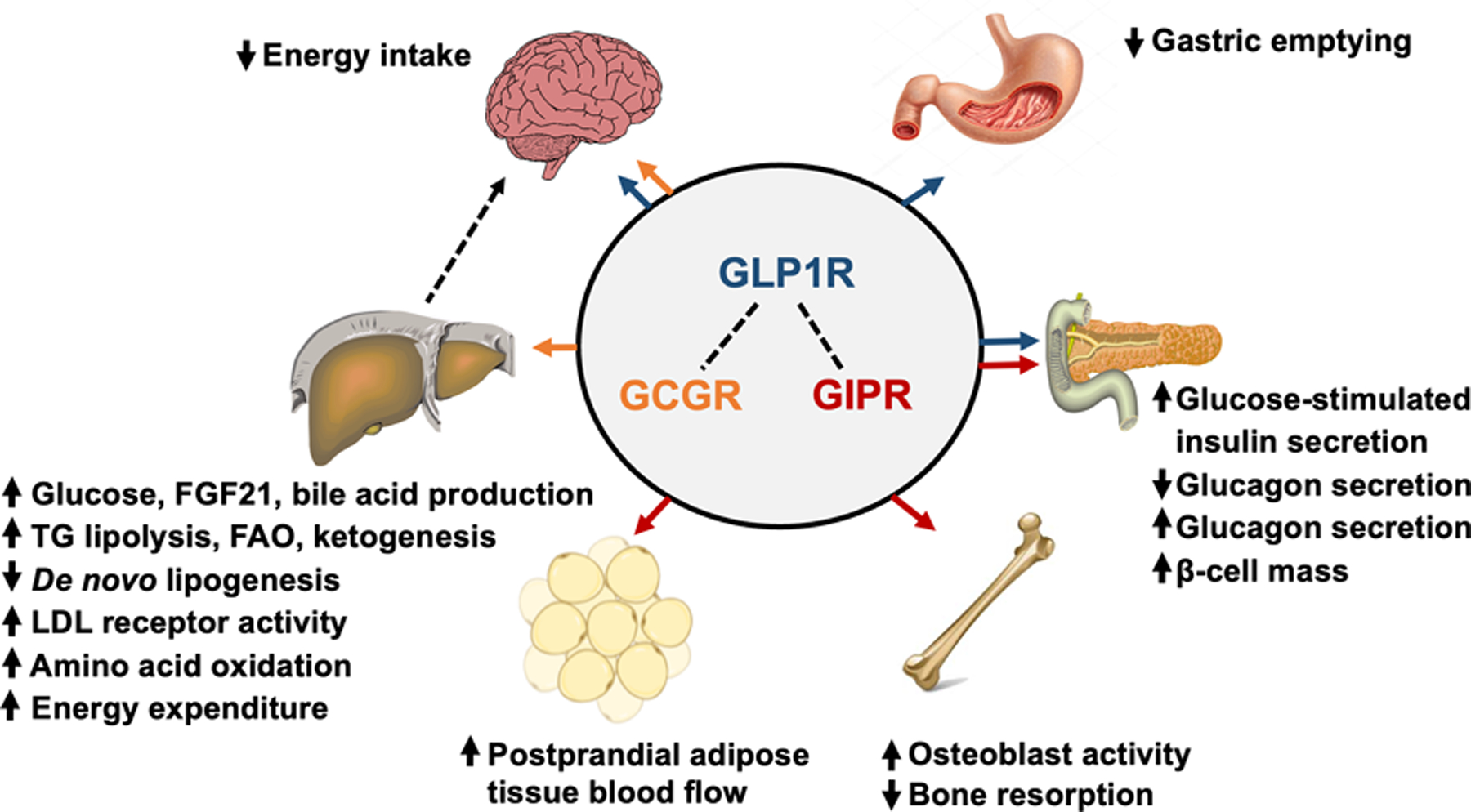
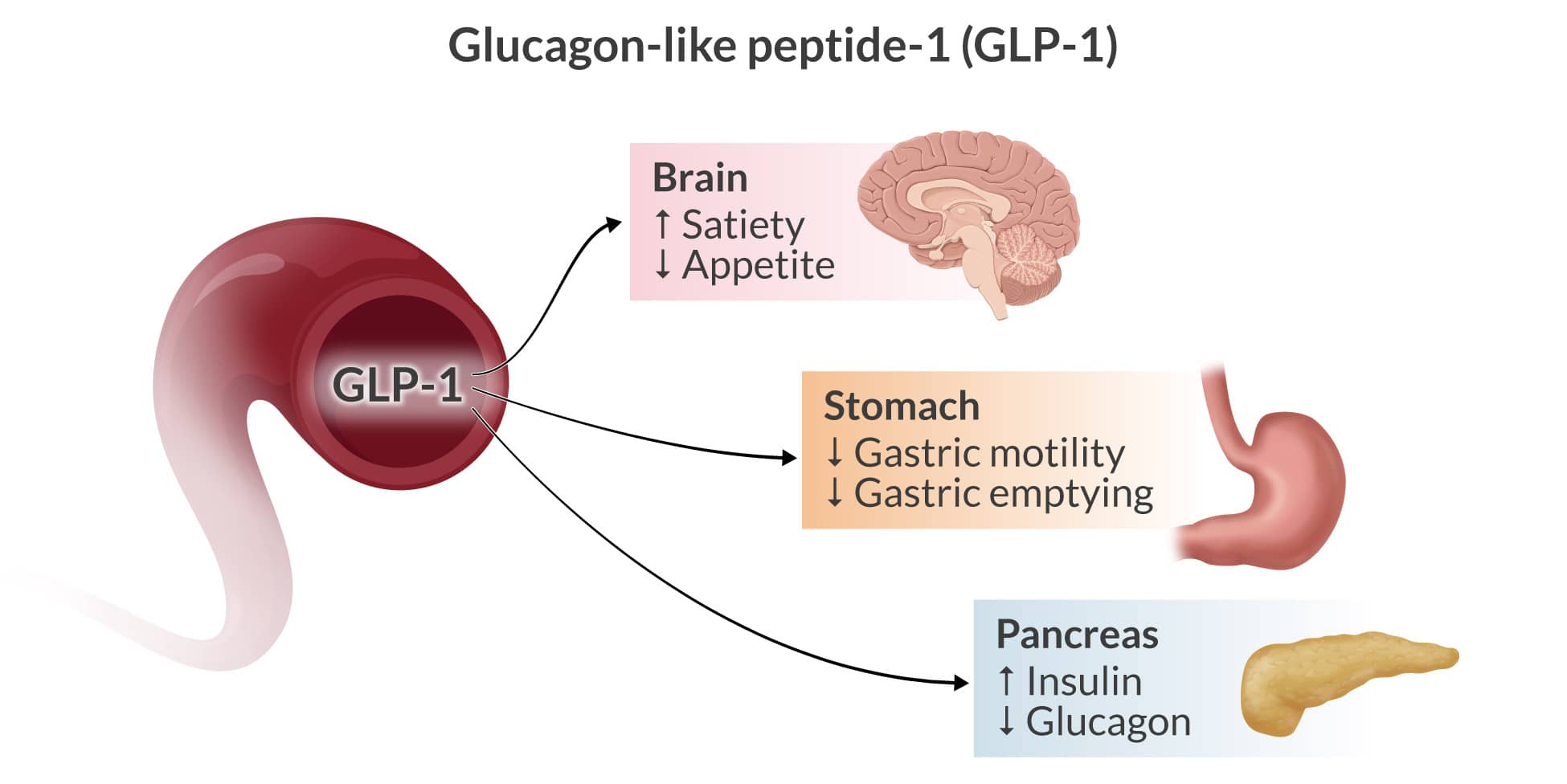
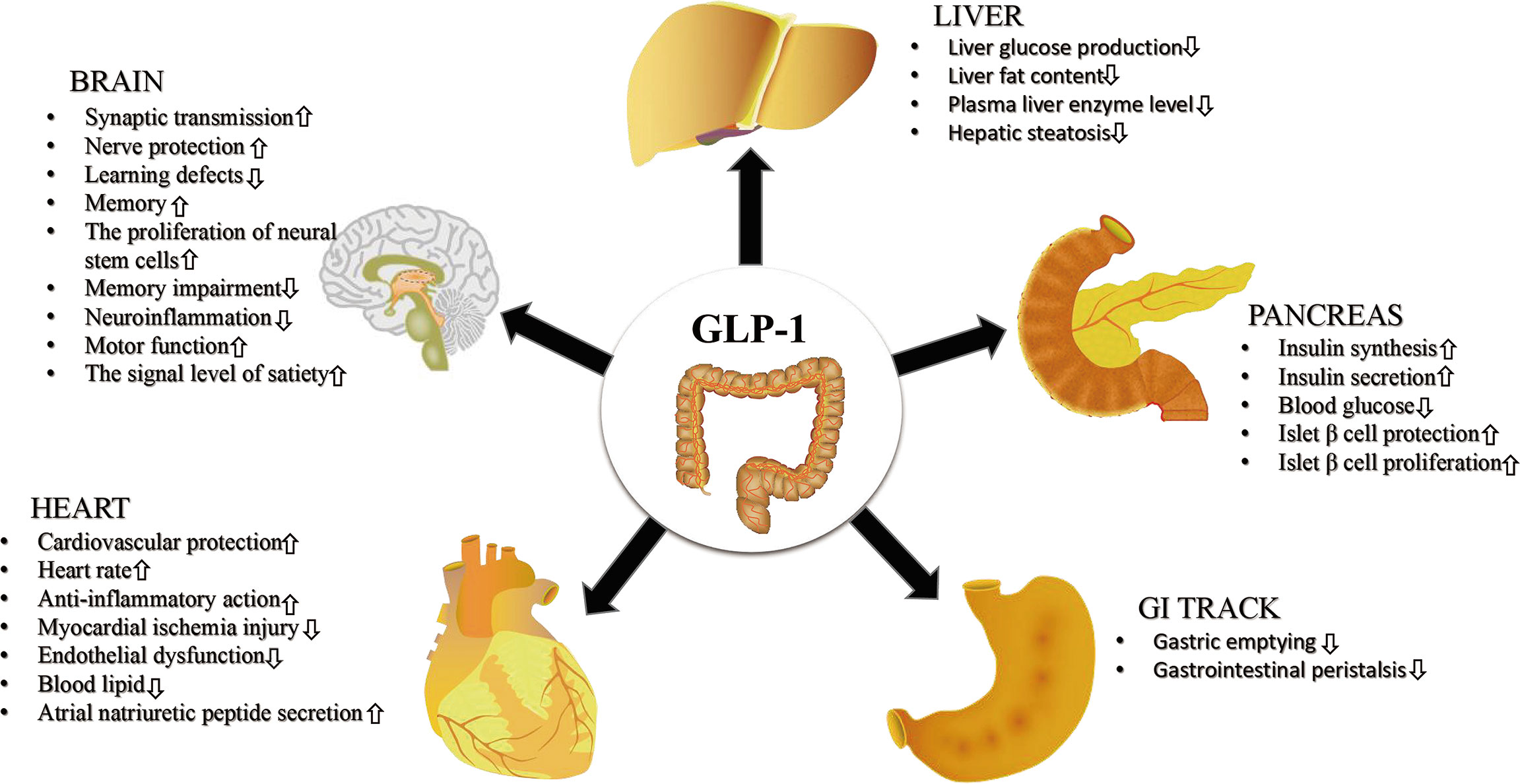
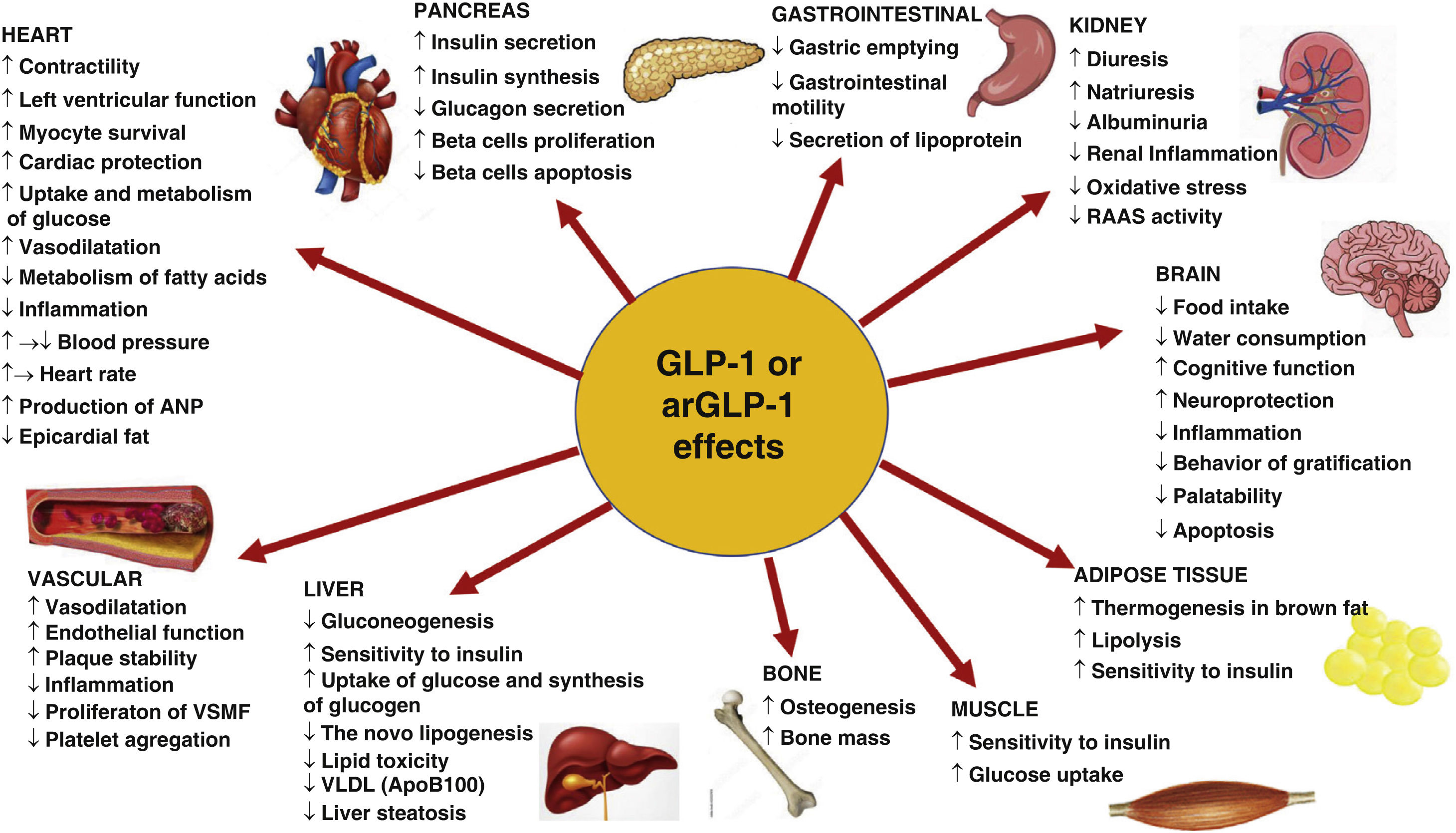
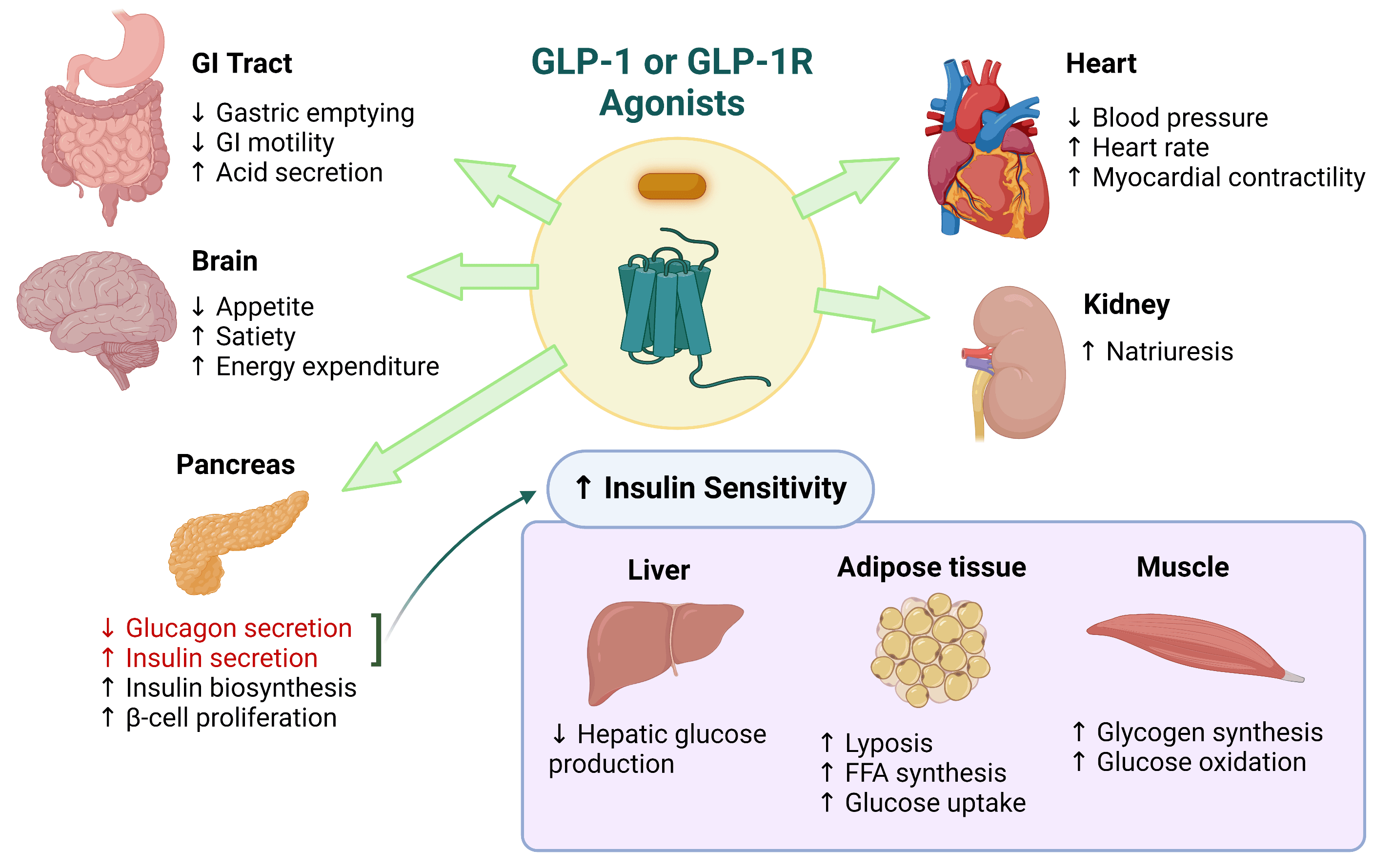
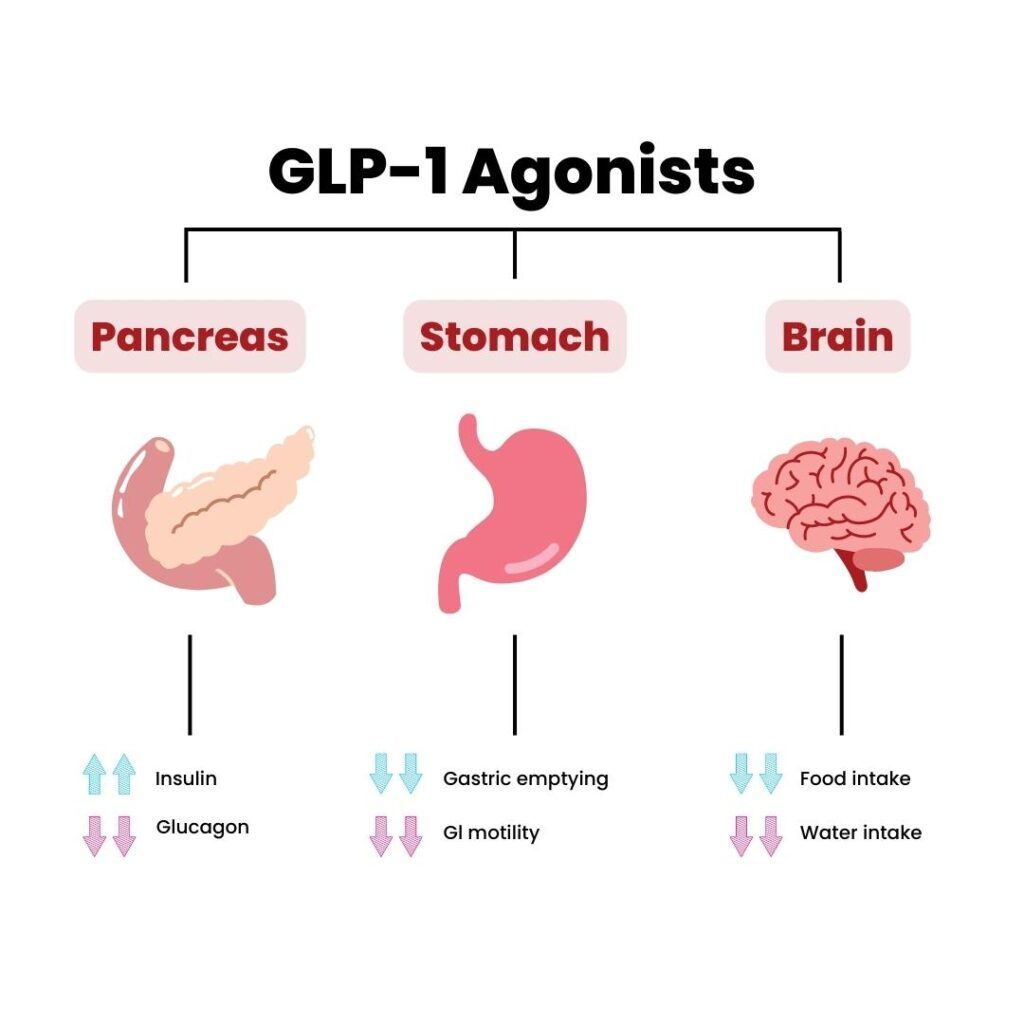
GLP-1 receptor agonists indirectly lower blood glucose levels by reducing gastric emptying, inhibiting glucagon secretion, and contributing to a beneficial intestinal microbiome.
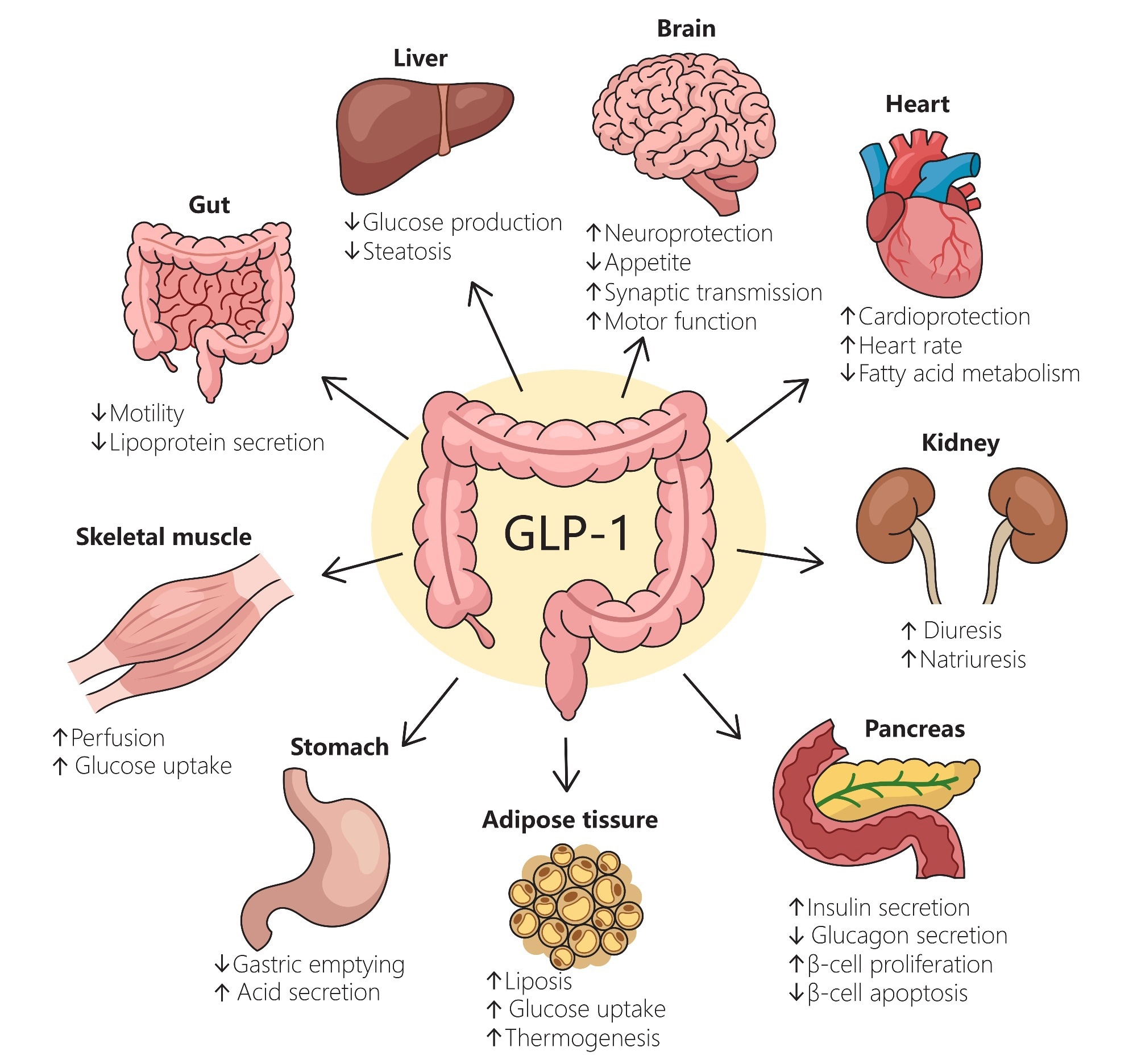
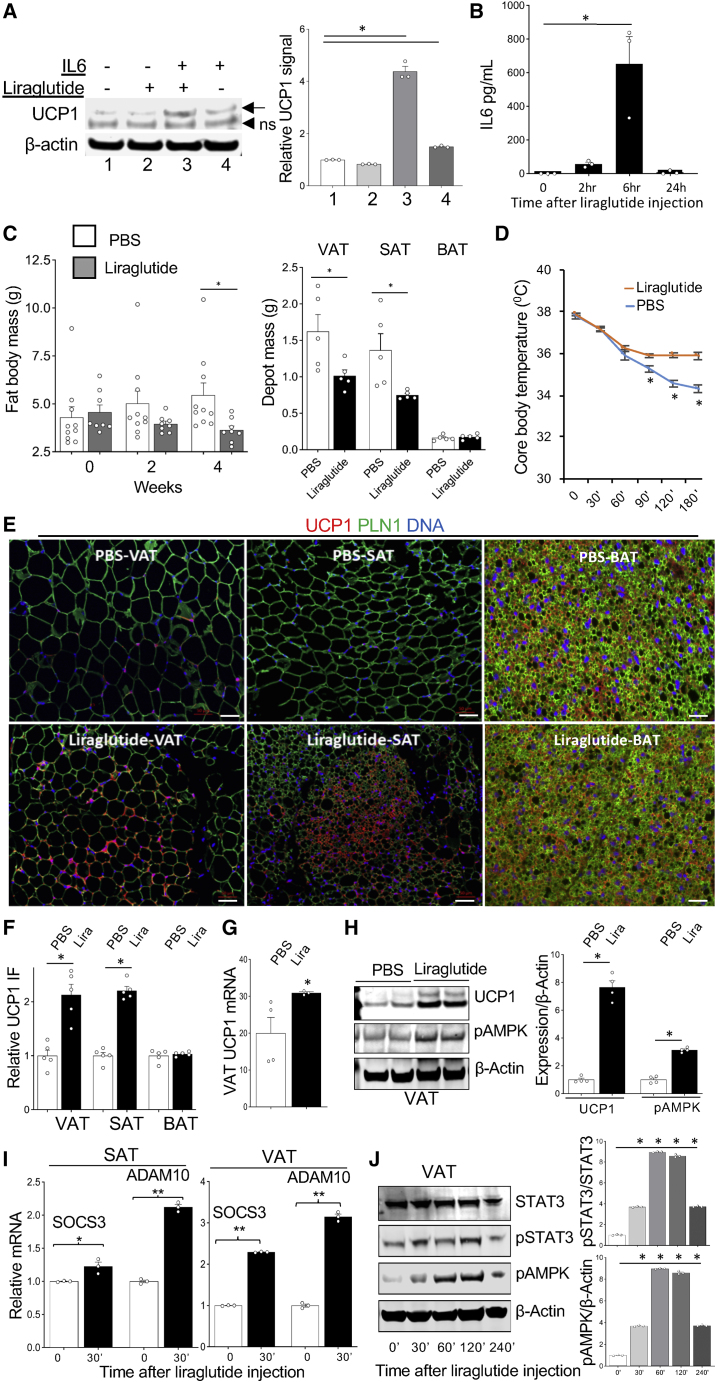
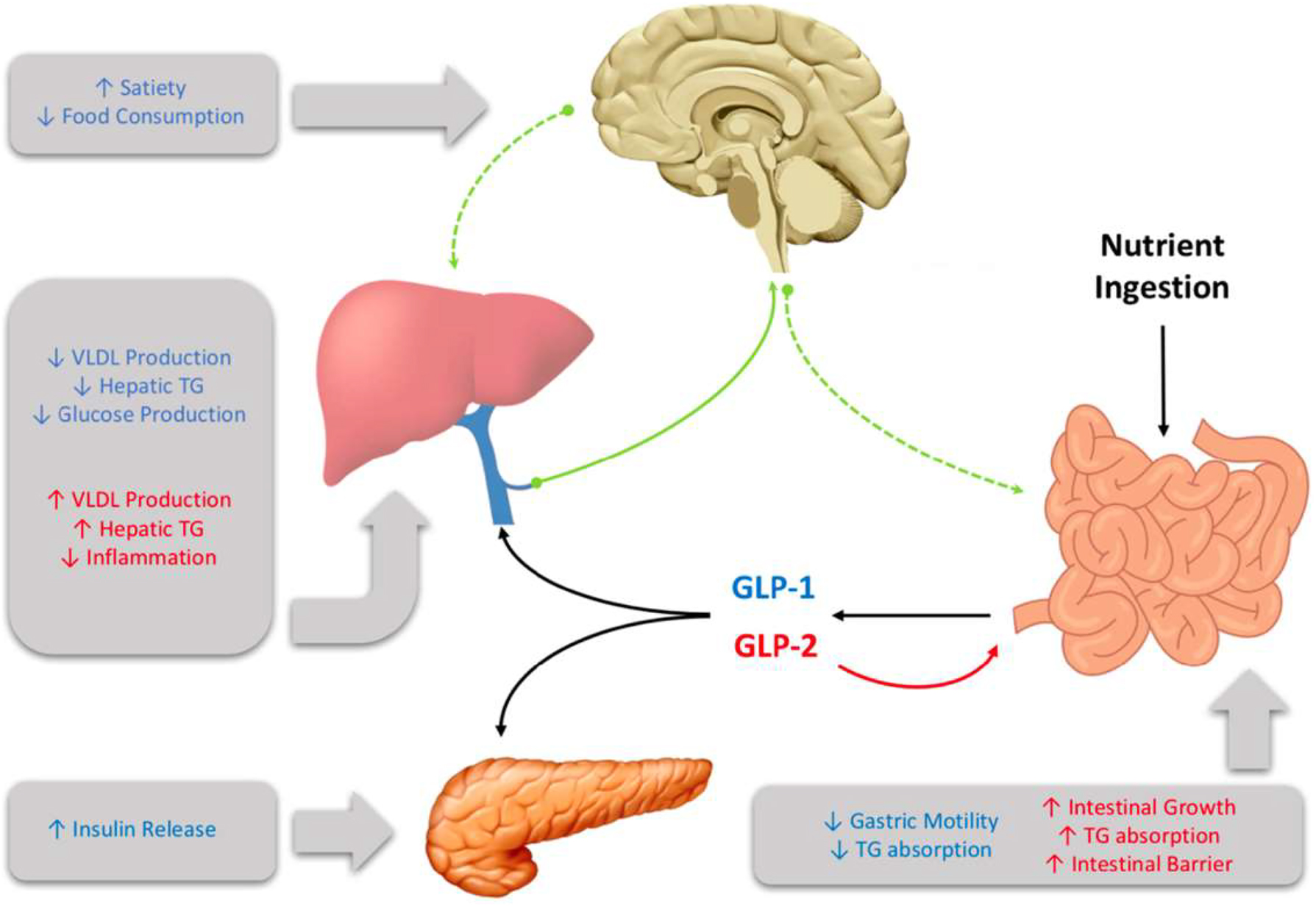
As we can see from the illustration, Glp1 Analogs And Nutrient Partitioning has many fascinating aspects to explore.
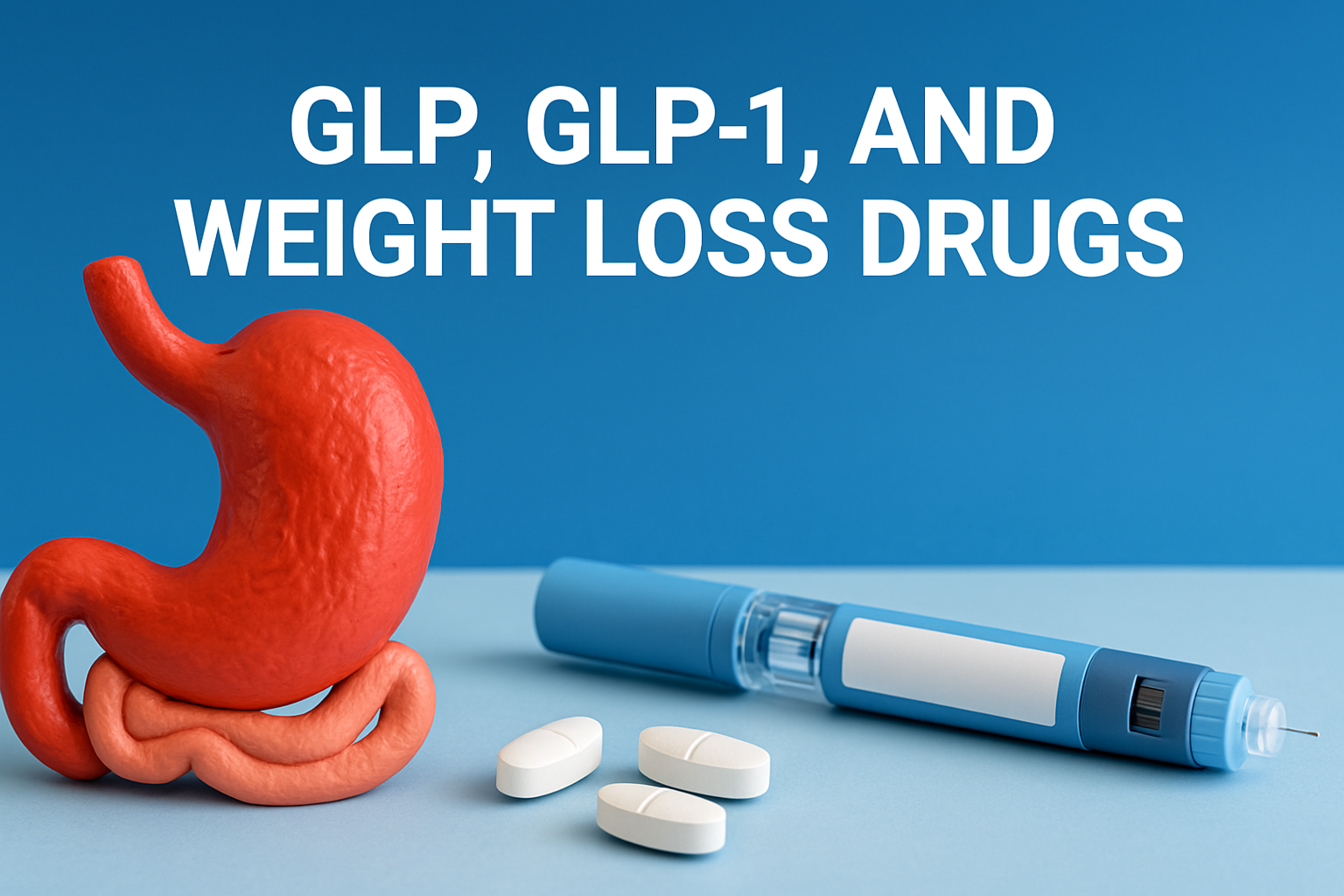
Initially used to treat type 2 diabetes mellitus, glucagon-like peptide-1 (GLP-1) based therapies are now widely prescribed for individuals with overweight and obesity as an adjunct to a reduced-calorie diet and increased physical activity.
The advisory outlines eight key nutritional priorities to support patients on GLP-1 medications, emphasizing the importance of (1) patient-centered initiation of therapy, (2) careful baseline nutritional assessment, (3) management of gastrointestinal side effects, (4) personalized, nutrient-dense, minimally processed diets, (5) prevention of ...