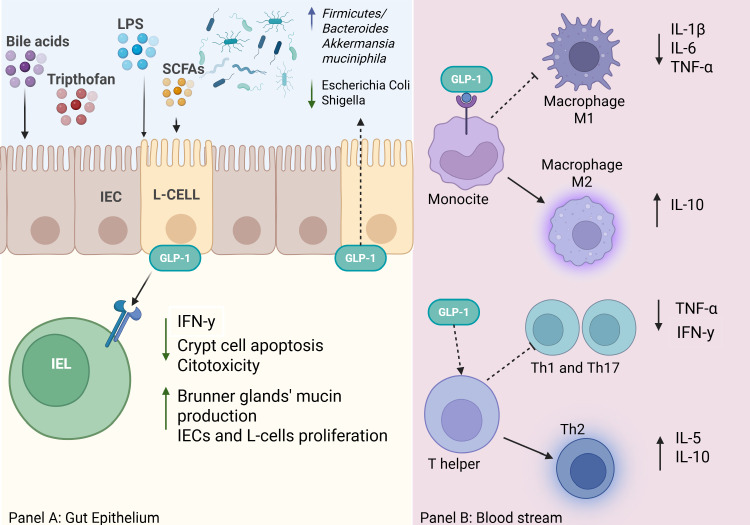
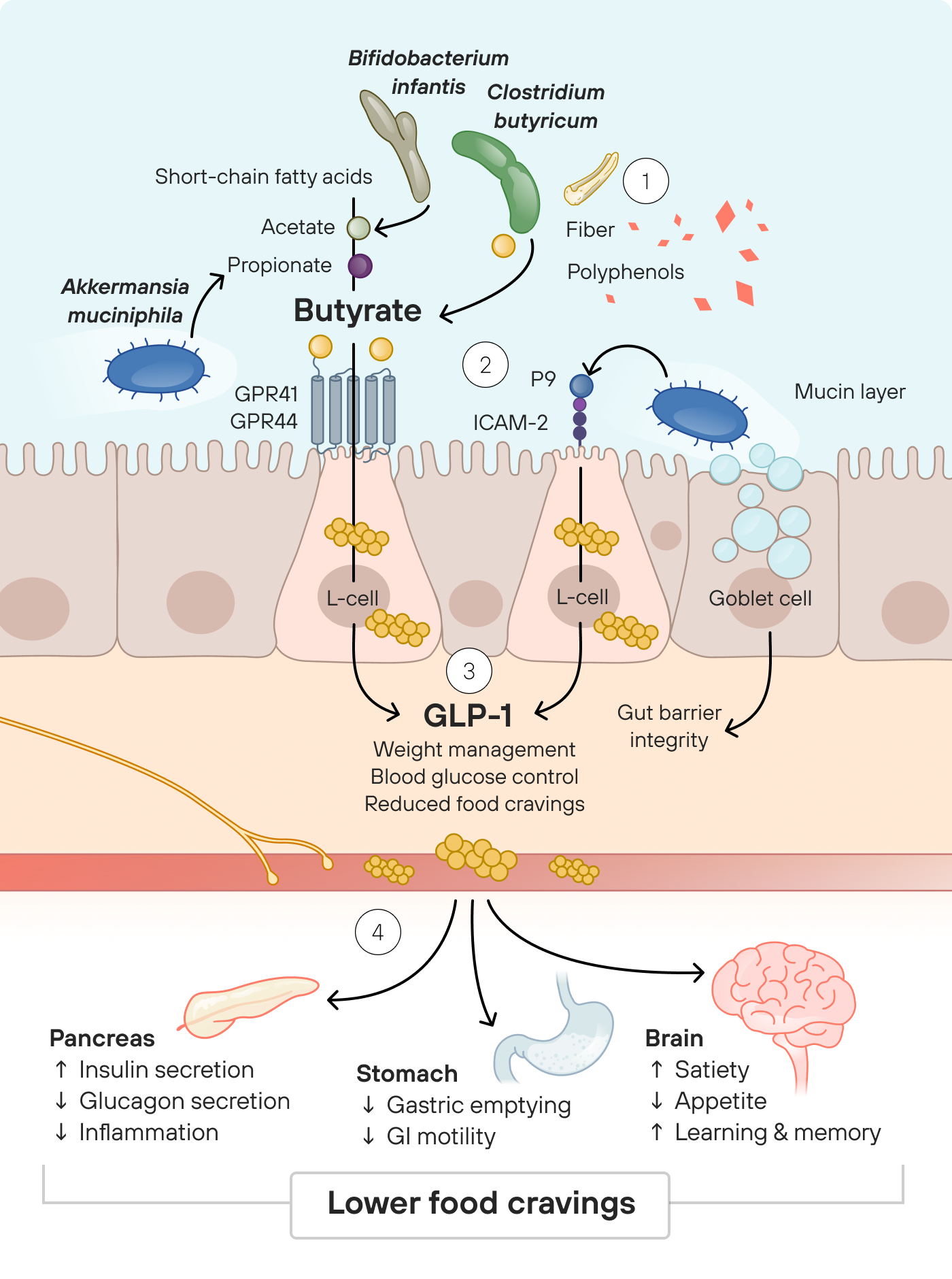
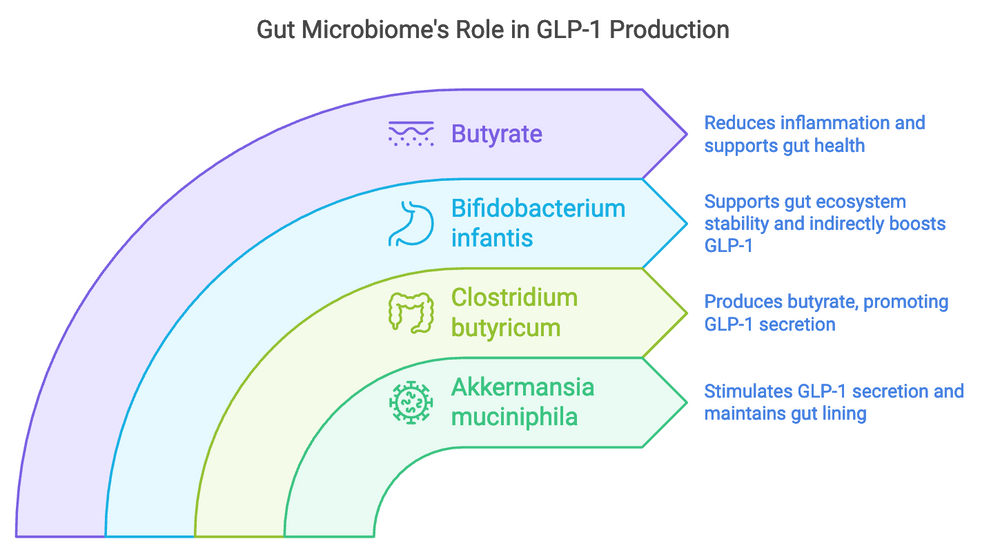
GLP-1 analogues have demonstrated a notable impact on the composition, richness, and diversity of gut microbiota. We can conclude, following the obtained research results of our study, that liraglutide promotes the growth of beneficial genera relevant for beneficial metabolic functions.
Agonists targeting the receptors of incretin hormones, glucagon like peptide-1 (GLP-1) and glucose-dependent insulinotropic peptide, have been well established for the treatment of type 2 diabetes mellitus. There is increasing awareness that ...

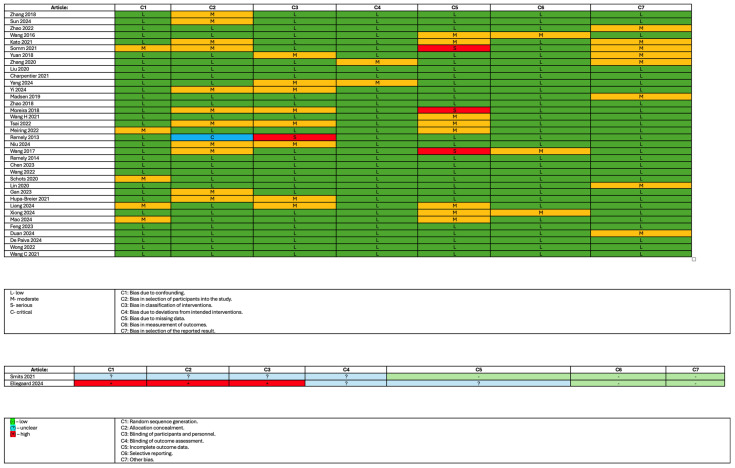
Thirty-eight studies were reviewed, showing that GLP-1 analogues significantly impact gut microbiota composition and diversity. GLP-1 analogues may promote the growth of beneficial bacteria that support metabolic functions. Liraglutide specifically appears to enhance the abundance of favorable gut bacteria. Exenatide and exendin-4 showed varying effects; animal studies indicated improved ...

This particular example perfectly highlights why Glp-1 Analogs For Gut Tolerance Development is so captivating.
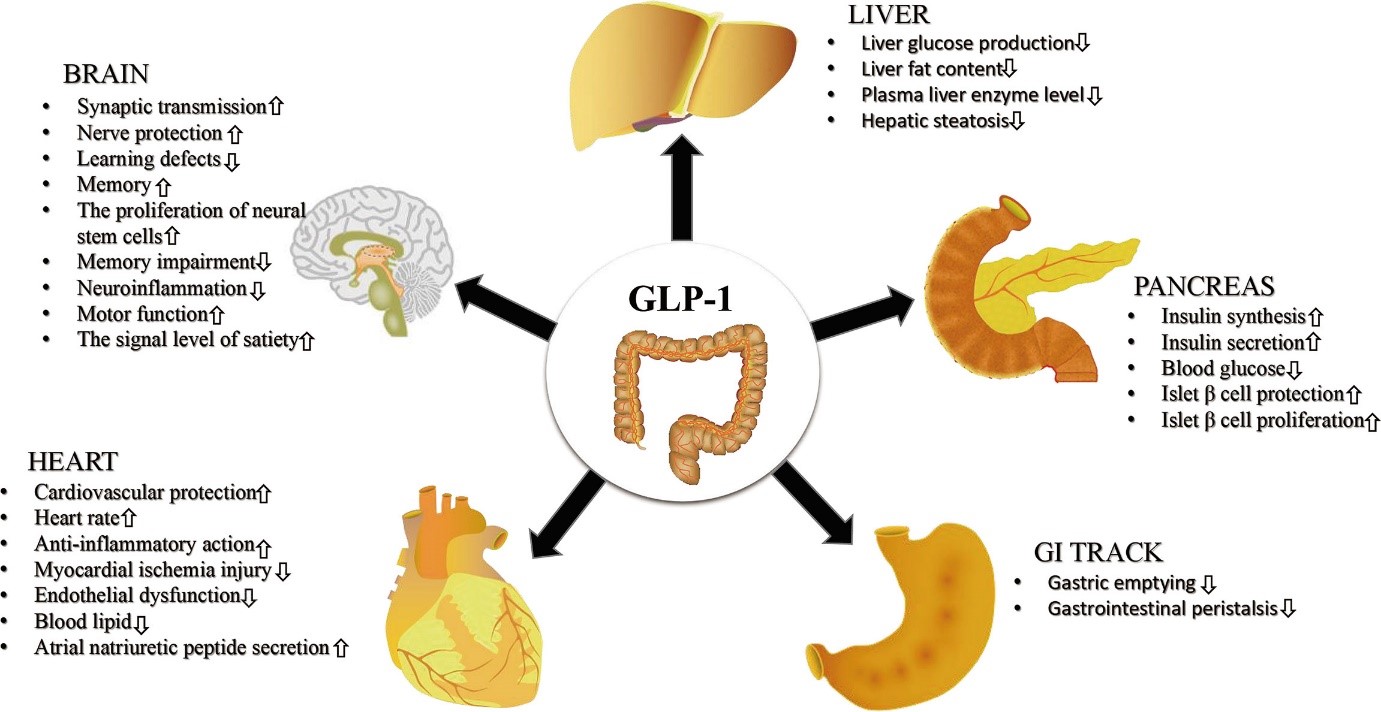
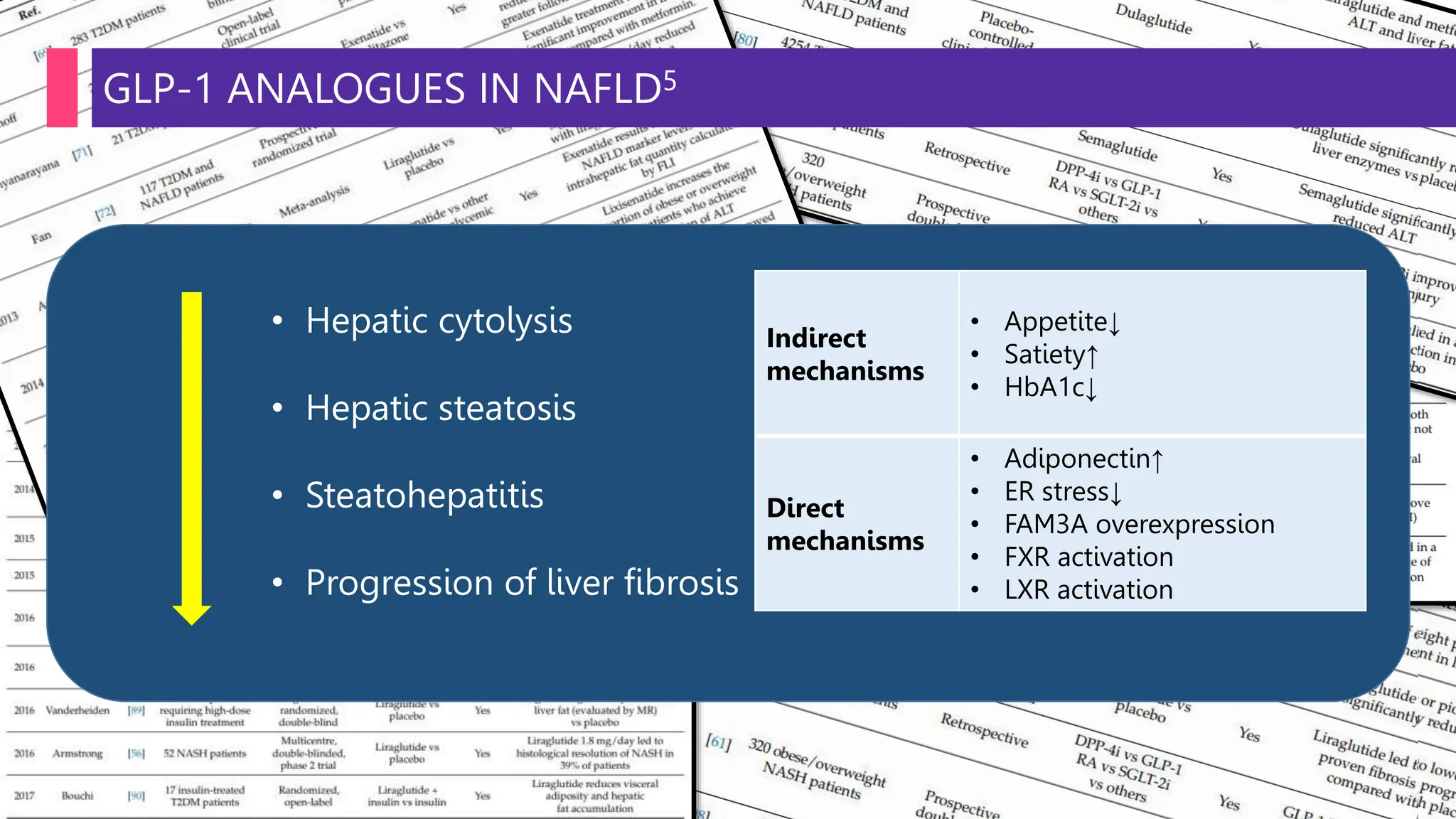
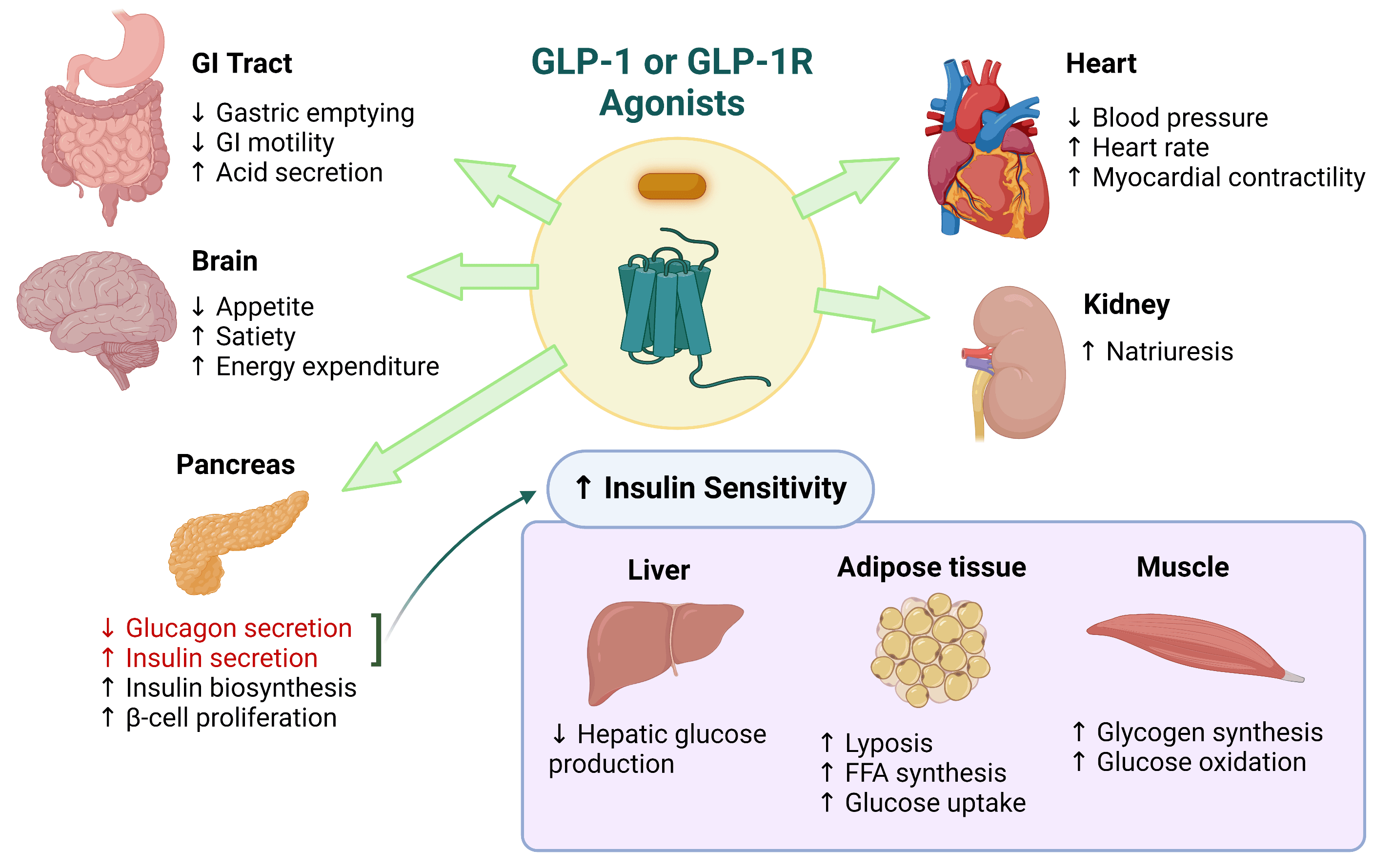
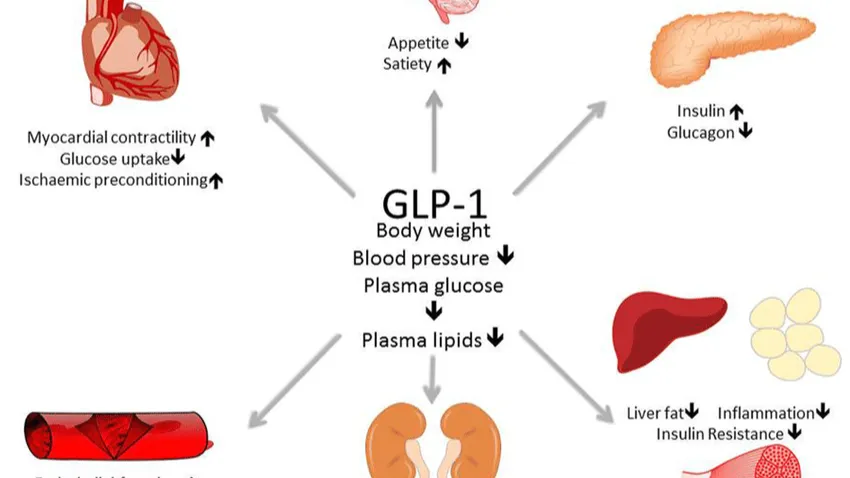
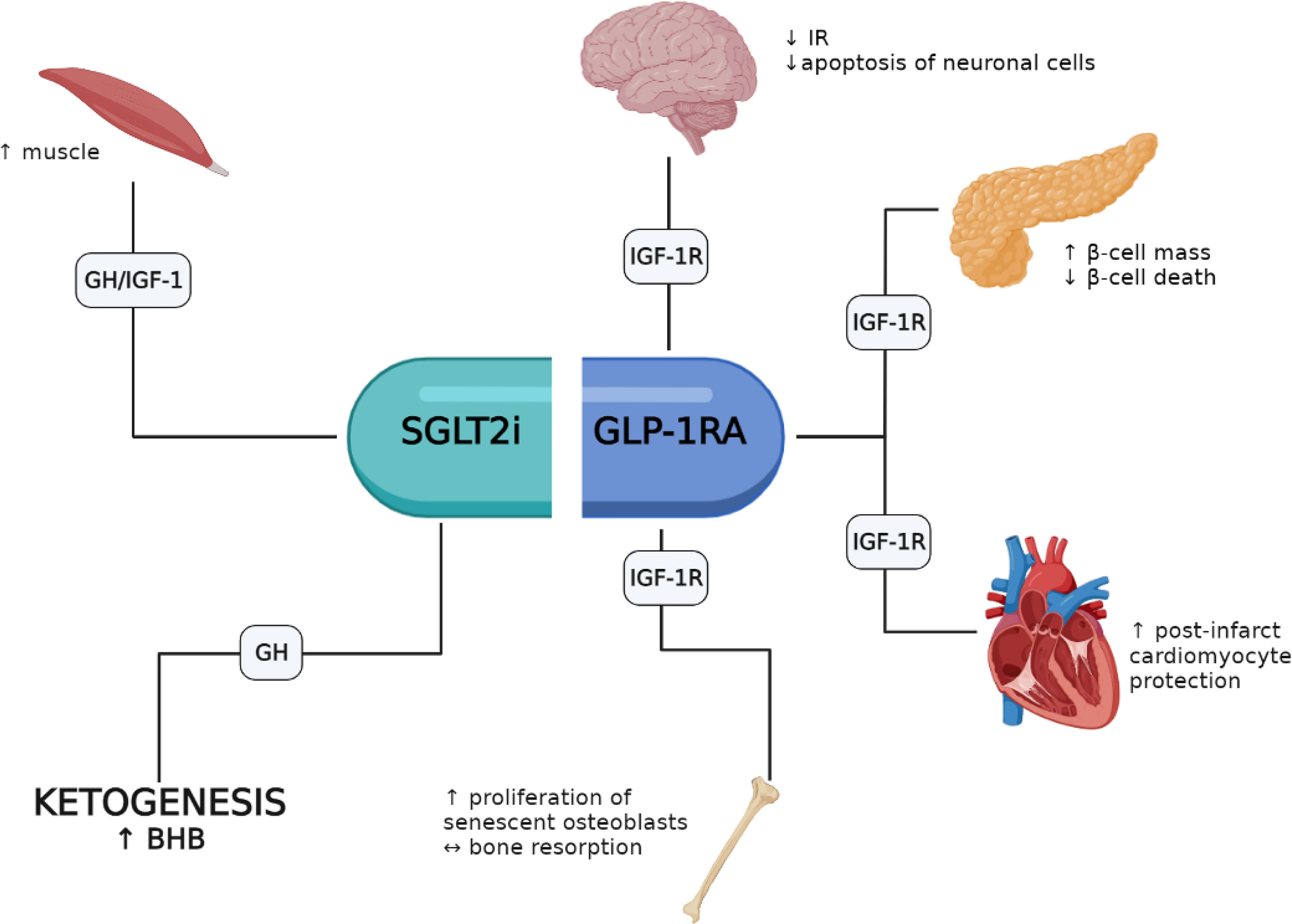
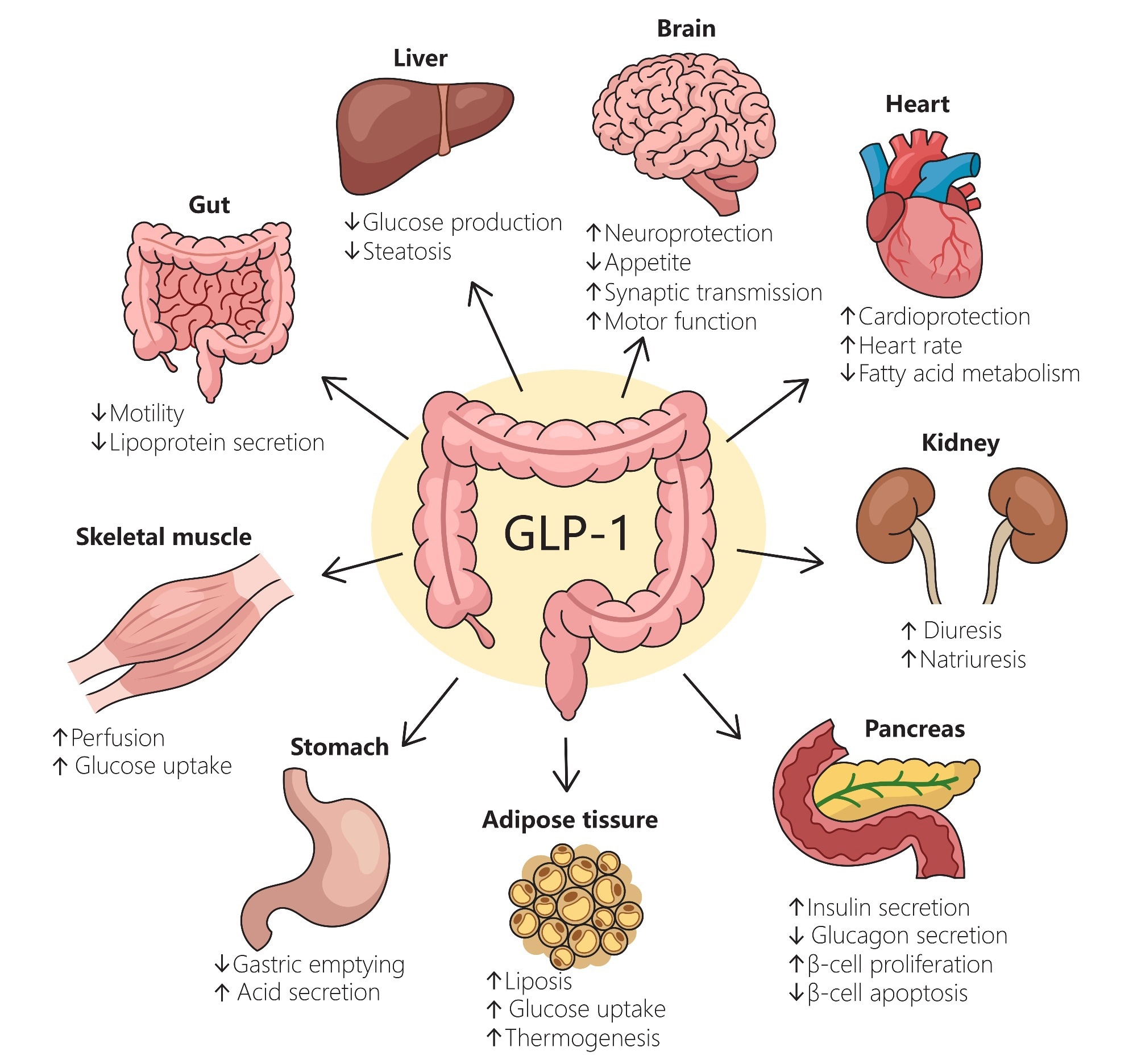
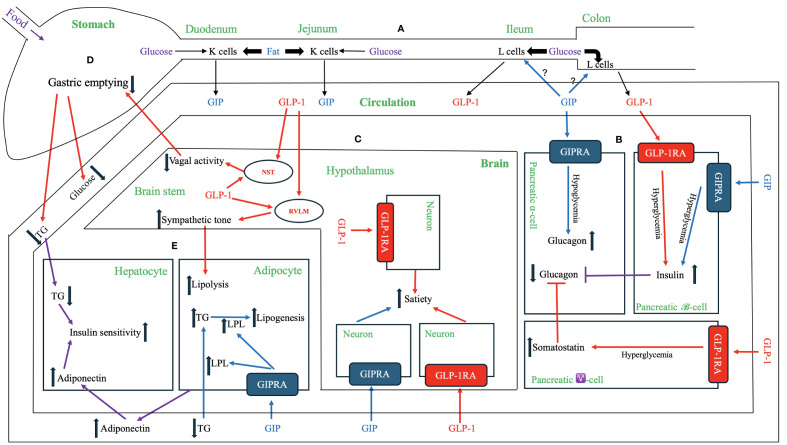
The ongoing development of new indications for GLP-1 drugs offers promising prospects for further expanding therapeutic interventions, showcasing their significant potential in the medical field.
In this Perspective, we focus on GLP-1 analogs for their studies on improvement of biological activities, enhancement of metabolic stability, investigation of receptor interaction, and visualization of the pancreatic islets.