Health care professionals should explore the use of glucagon-like peptide-1 receptor agonists (GLP1RAs) for cardiovascular risk reduction and their broader impacts on cardiometabolic health beyond diabetes mellitus management, guided by the latest clinical trial findings and guidelines.
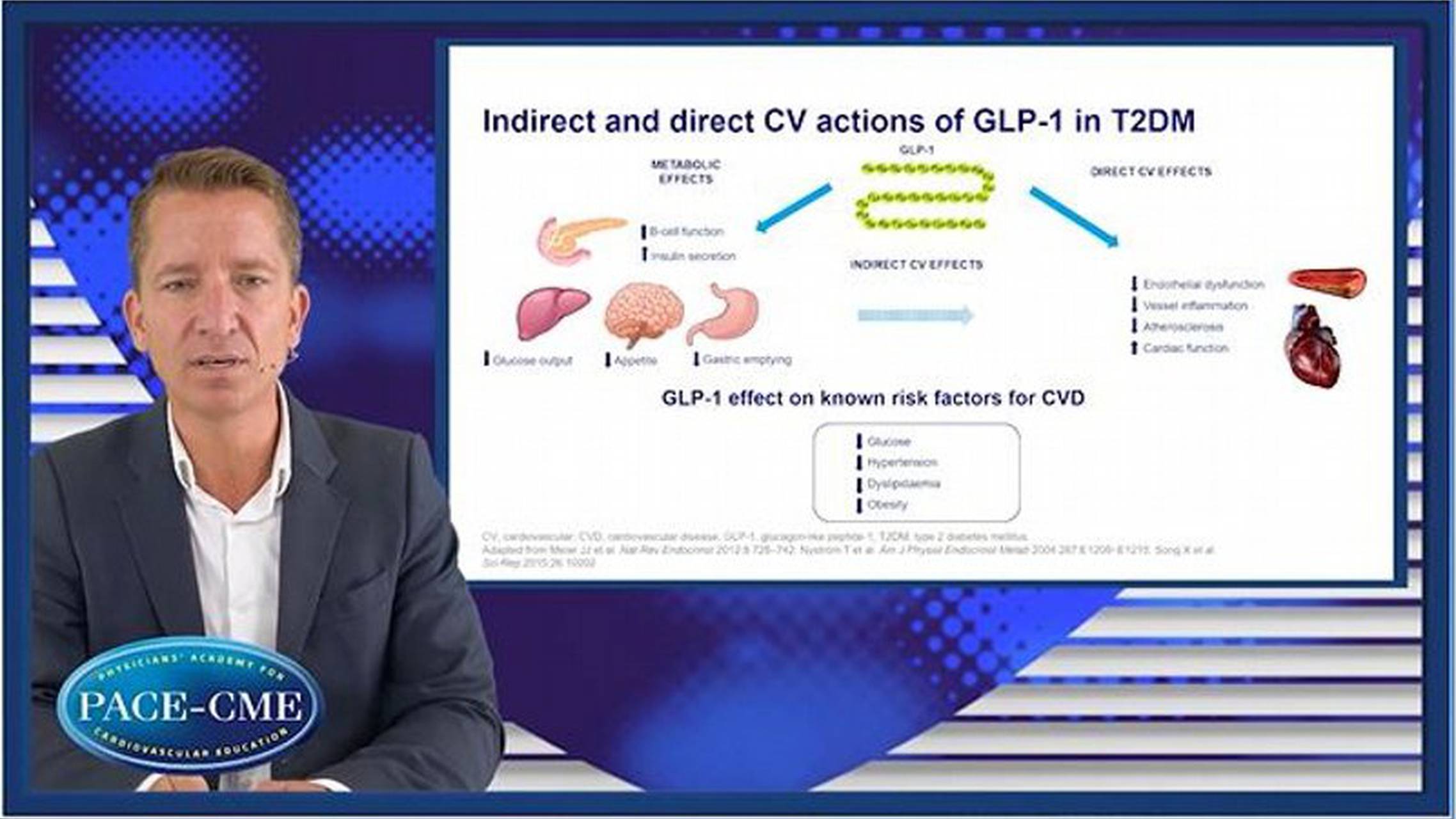
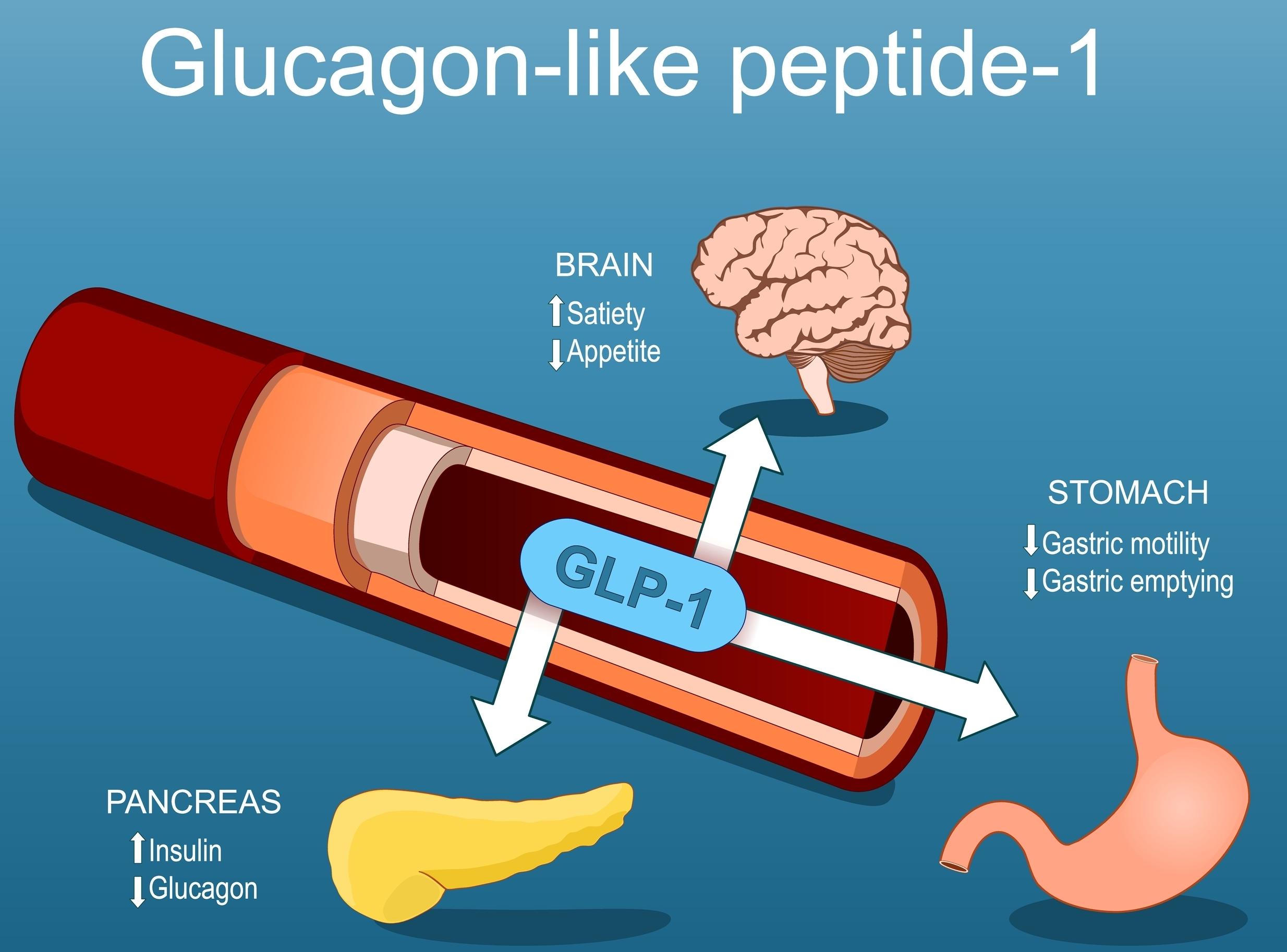
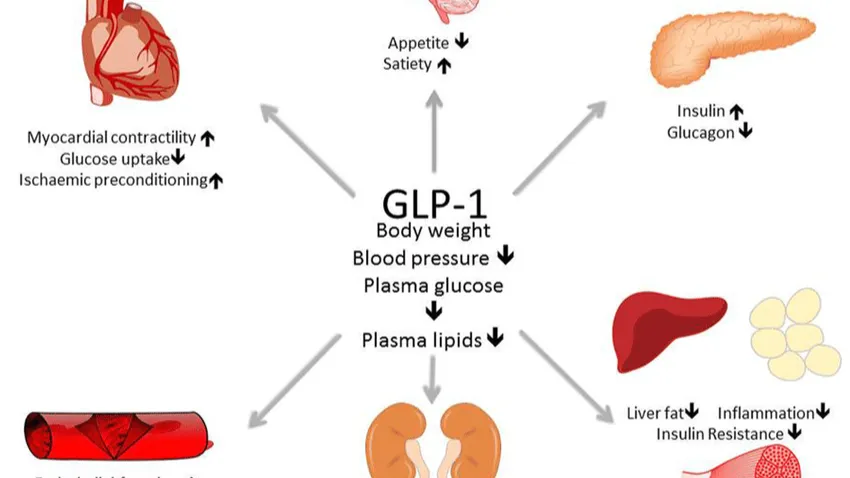
In the present review, we describe the cardiovascular effects and underlying molecular mechanisms of action of GLP-1RAs in CVOTs, animal models and cultured cells, and address how these findings have transformed our understanding of the pharmacotherapy of T2DM and the prevention of CVD.
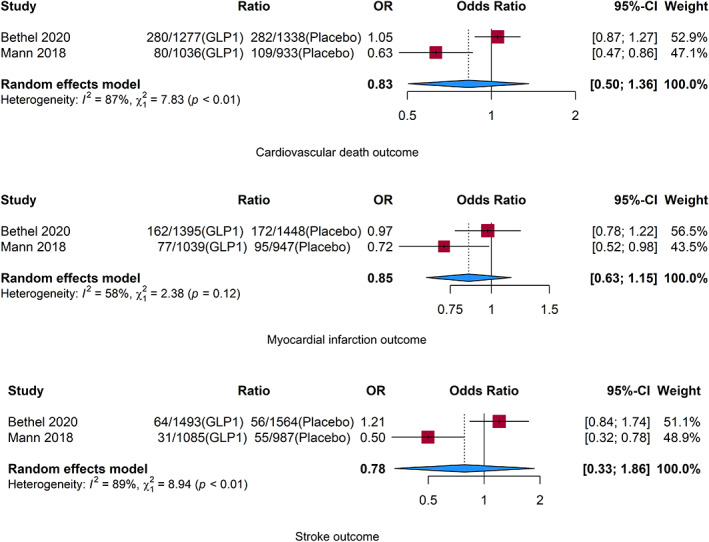
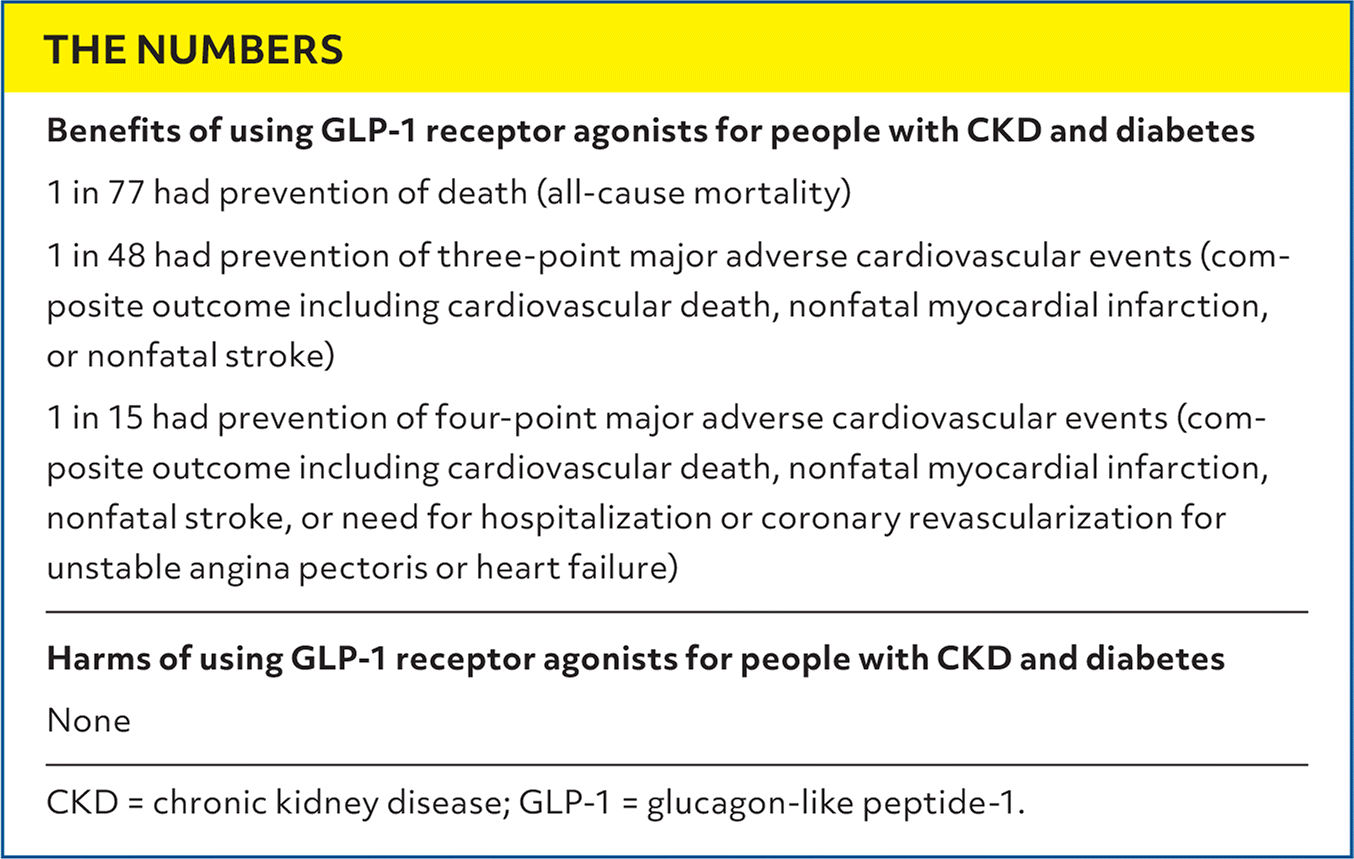
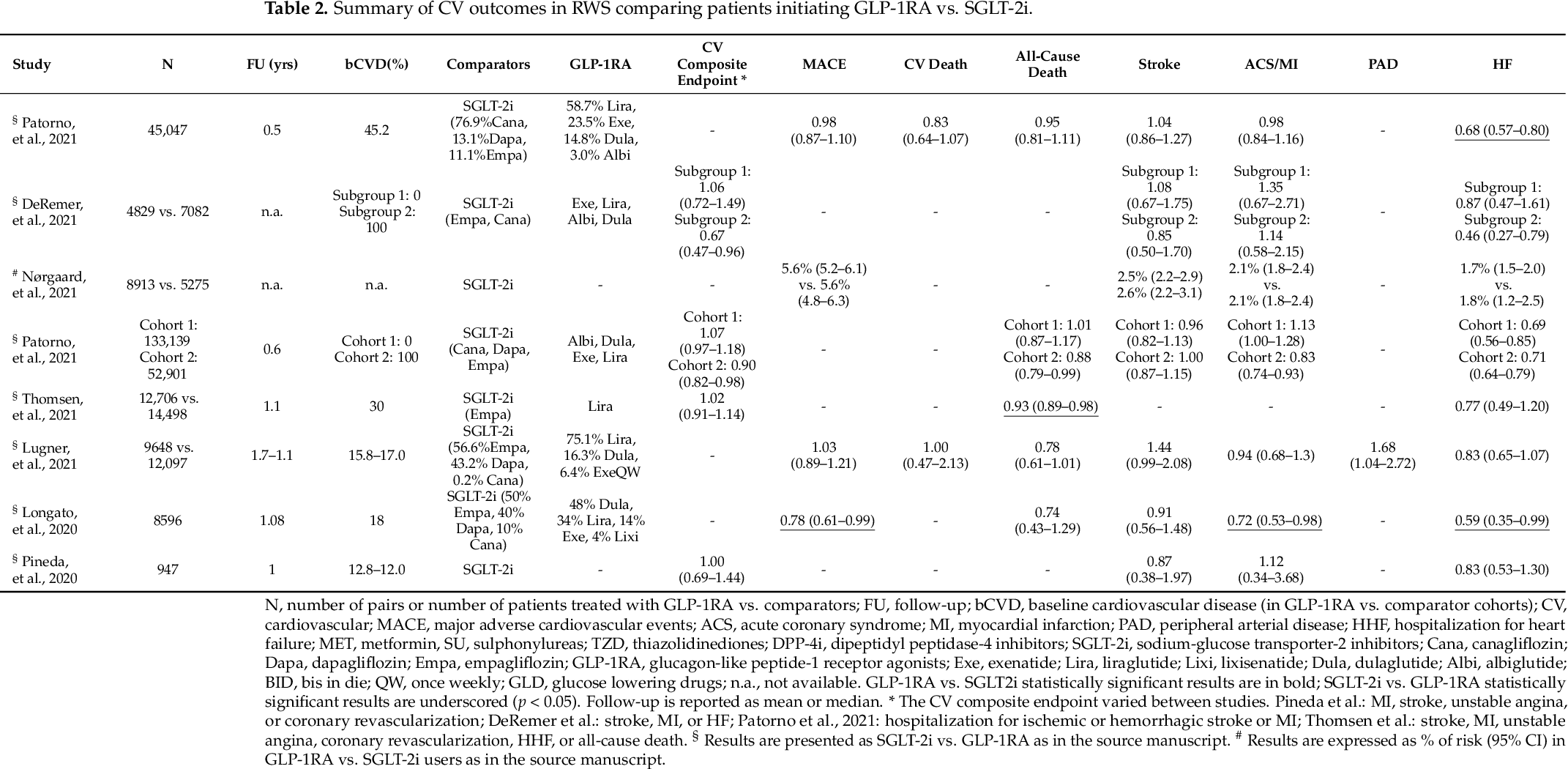
Glucagon-like peptide-1 receptor agonists (GLP-1 RAs) have demonstrated significant cardiovascular (CV) benefits, particularly in patients with diabetes mellitus, but the safety and efficacy of different GLP-1 RAs across diverse populations remain insufficiently defined.
Glucagon-like peptide 1 (GLP-1) analogues are increasingly recognised for their considerable clinical effects on weight loss and diabetes. Increasing evidence has shown their use can improve cardiovascular disease risk, decrease mortality, and provide other metabolic improvements.1
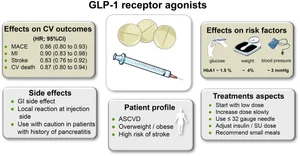
This overview summarizes the experimental and clinical evidence of cardiovascular risk reduction offered by GLP-1 RA, and provides practical information on how these drugs should be implemented in the treatment of type 2 diabetes in the cardiology community.

As we can see from the illustration, Glp-1 Analogs For Reducing Cardiovascular Risk In Prediabetic Individuals has many fascinating aspects to explore.
This real-world, prospective study provides valuable evidence that GLP-1 receptor agonists not only improve metabolic parameters but also significantly reduce estimated 10-year cardiovascular risk in people with type 2 diabetes without prior cardiovascular disease.