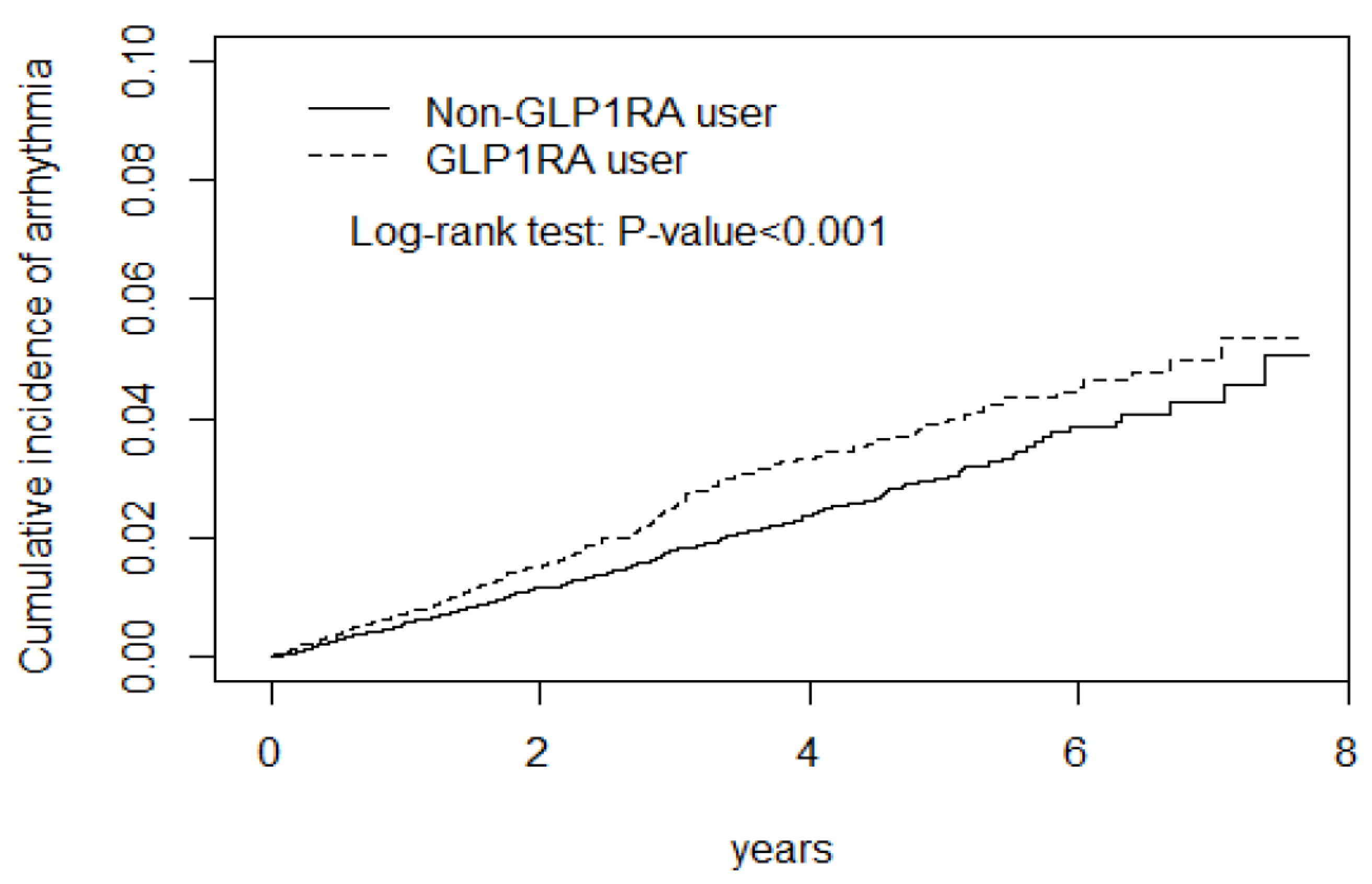
An update of a systematic review and meta-analysis of the risk of arrhythmias and their subtypes in type 2 diabetic patients receiving glucagon-like peptide 1 receptor agonist (GLP-1RA) medication according to data from the Cardiovascular Outcome Trial (CVOT).
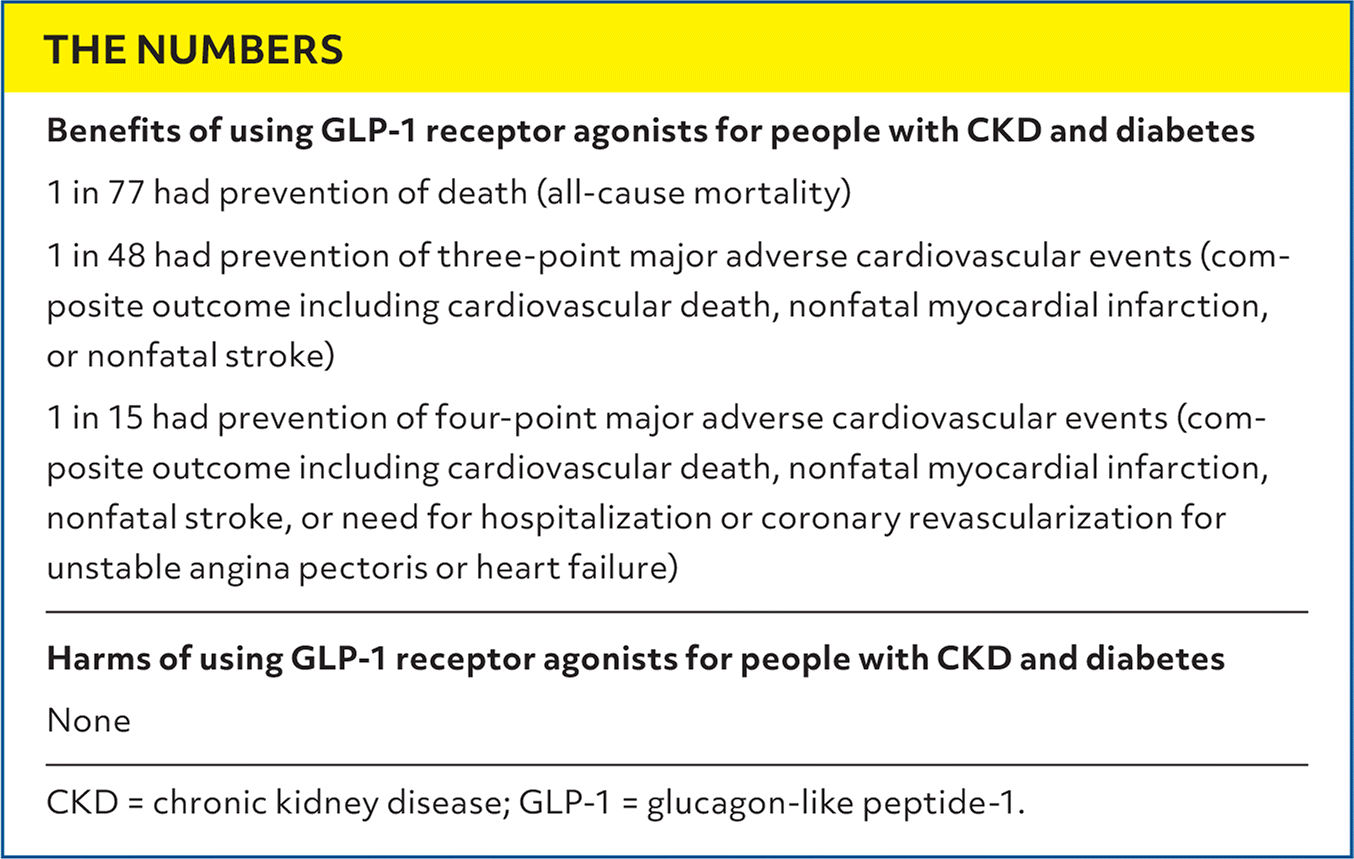
In this large real-world cohort of obese patients without diabetes, GLP-1 receptor agonist therapy was associated with reductions in incident arrhythmias, including atrial fibrillation, ventricular tachycardia and ventricular fibrillation.
Moving forward, it's essential to keep these visual contexts in mind when discussing Glp-1 Receptor Agonist Arrhythmia.
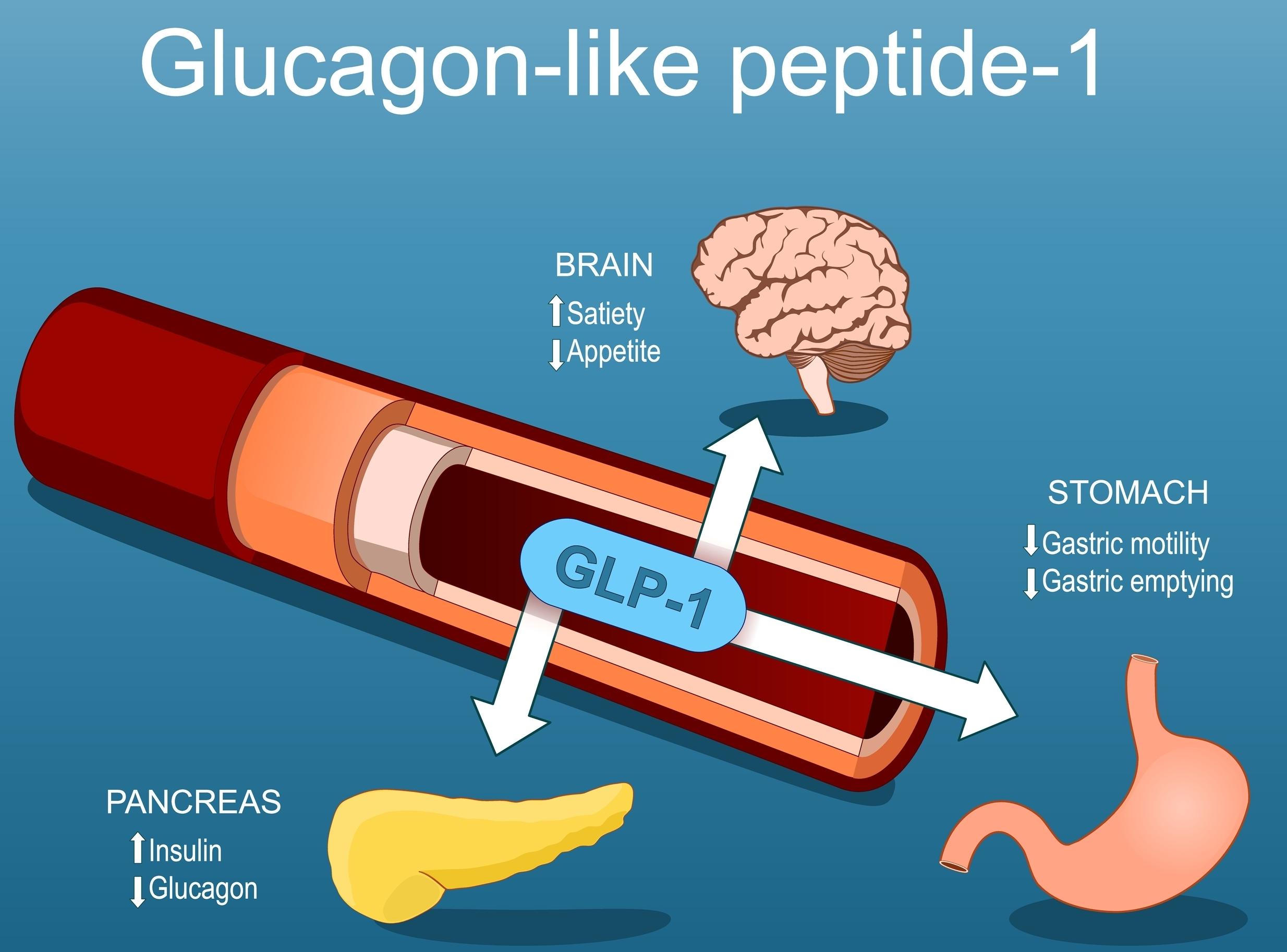
Glucagon-like peptide-1 receptor agonists (GLP-1RAs) are known to promote weight loss and improve metabolic health, with emerging evidence suggesting potential anti-arrhythmic effects, though their impact on AF recurrence in nondiabetic obese patients remains unclear.
Moving forward, it's essential to keep these visual contexts in mind when discussing Glp-1 Receptor Agonist Arrhythmia.
We aim to assess the effect of GLP-1 RA on mortality, atrial and ventricular arrhythmias, and sudden cardiac death in patients with type II diabetes.

Explore how GLP-1 therapies may influence atrial fibrillation risk and cardiac rhythm outcomes in patients with diabetes.
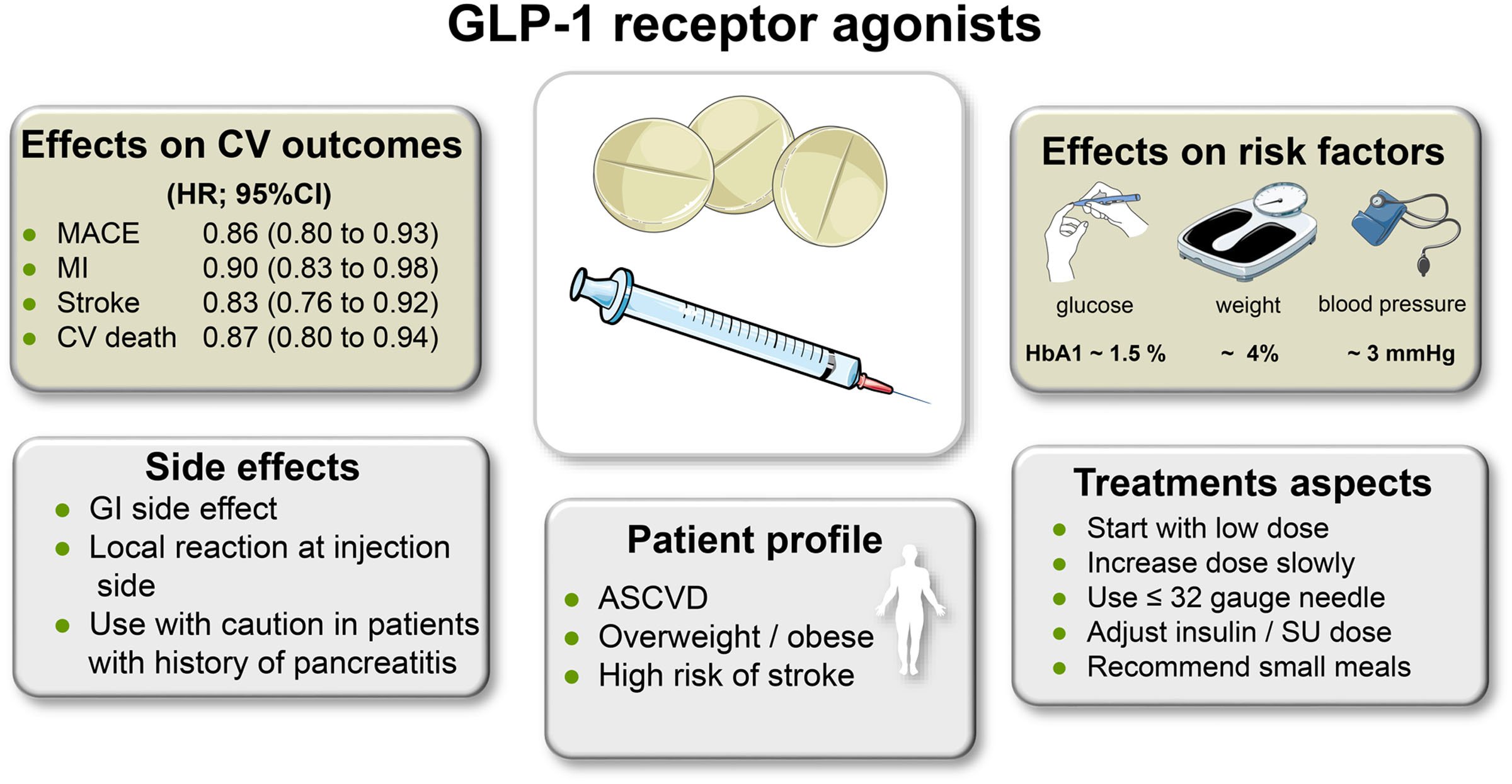
vailable evidence suggests that glucagon-like peptide-1 (GLP-1) receptor agonists (GLP-1RAs) are associated with an overall reduction of cardiovascular morbidity [1]. However, there has been conflicting evidence regarding the potential antiarrhythmic or arrhythmogenic effect of GLP-1RAs.